 By ali4050284
The purse was heavy, it smelled faintly of mint and face powder, and it could produce a solution to nearly any small emergency within about ten seconds. Nobody ever saw it packed. It simply arrived full, every day, for decades, with the same contents in the same pockets.
The purse was a filing cabinet and a first-aid kit and a private library, and she carried it on her arm into every room and every errand. Here are twenty-five things you found in it — and what each one was actually for.
1. Pressed Powder in a Clicking Compact

A shiny nose was treated as a minor emergency, and the compact was the response. Max Factor’s Creme Puff, introduced in the early 1950s, combined powder and base in a single pressed cake and became a handbag standard for decades.
Women who preferred Coty Airspun, a loose powder sold since the mid-1930s in its round orange box, often kept that on the dresser and carried a refillable metal compact instead. The mirror inside did double duty for lipstick checks and for discreetly watching whoever was sitting in the pew behind. The click of the lid closing was a sound of its own.
2. Lipstick in the One Loyal Shade

Grandma did not experiment. She found a red sometime around the Eisenhower administration and stayed with it, wearing each tube down to a flat stub and then digging out the rest with a hairpin.
For a great many women that shade was a Revlon one. Fire and Ice arrived in 1952 with one of the most famous cosmetics advertisements of the century, and Cherries in the Snow followed in 1953 and has remained in the Revlon line ever since. The gold-toned tube was applied without a mirror, blotted on a tissue, and the tissue went back into the purse with a perfect print on it.
3. Clear Plastic Rain Bonnet Folded Into a Pouch
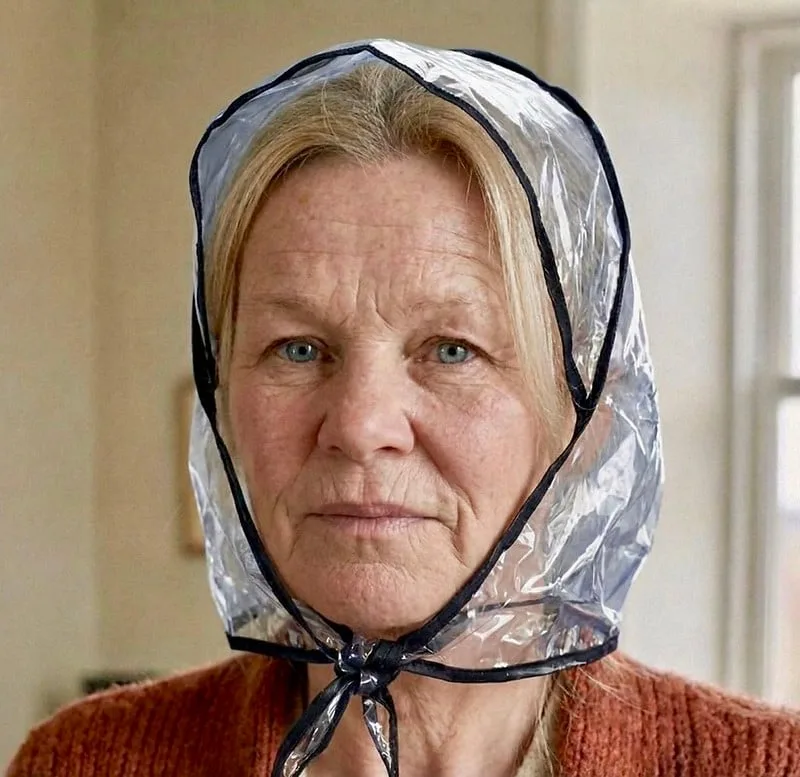
It folded down to the size of a stick of gum and lived in a little vinyl sleeve, usually printed with the name of a bank, a pharmacy or a funeral home that had handed it out for free.
The rain bonnet existed to protect a specific investment: the weekly wash and set at the beauty parlour, which was expected to last until the next appointment. One sprinkle of rain could undo a standing Friday visit and a generous coat of Aqua Net, the hairspray that became a drugstore staple in the 1950s. The accordion pleats never folded back quite the same way twice.
4. Handkerchief With an Embroidered Corner
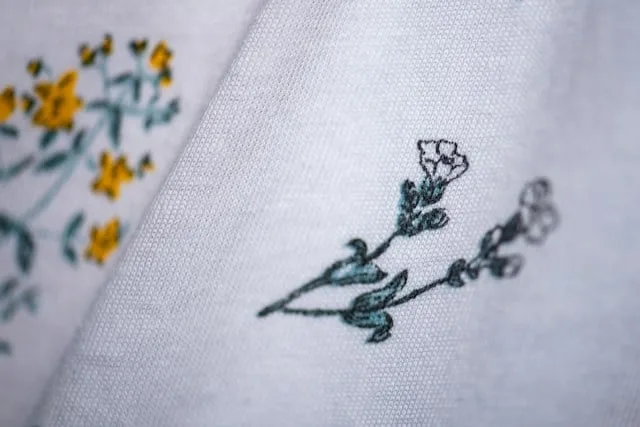
Cotton or Irish linen, pressed flat and folded into a square, the handkerchief was rarely used for anything as crude as a cold. It dabbed eyes at weddings, wiped a grandchild’s chin, and stood in as a napkin when a restaurant fell short.
The fancier ones carried machine embroidery in the Swiss style, or bright printed designs by mid-century textile artists whose signed handkerchiefs sold in department stores in the 1940s and 1950s. Many arrived as gifts in flat boxes of three. A good one came home, went through the wash, and met the iron before returning to duty.
5. Pocket Pack of Kleenex

The handkerchief was for show and the tissues were for work. Kimberly-Clark introduced Kleenex in 1924 as a disposable cloth for removing cold cream, and only around 1930 did the company start advertising it as a throwaway handkerchief, after customers reported using it that way.
Small purse and pocket packs followed, and they became a permanent resident of the side pocket. Grandma’s supply was never quite pristine — at least one tissue had been folded, used lightly and saved — and a fresh one was always handed over with the instruction to blow.
6. Brach’s Butterscotch Disks in Yellow Cellophane

Somewhere near the bottom, under everything else, there were butterscotch sweets in crackling gold wrappers. Emil Brach opened his candy business in Chicago in 1904, and by the late 1950s the company was selling its wrapped sweets loose from Pick-A-Mix displays in supermarkets, where shoppers scooped their own assortment by the pound.
That is how butterscotch disks and red-and-white starlight mints ended up in sweet dishes and handbags across the country. In the purse they softened slightly, picked up a hint of perfume, and were dispensed one at a time as a reward for sitting still. Nobody ever turned one down.
7. Roll of Butter Rum Life Savers
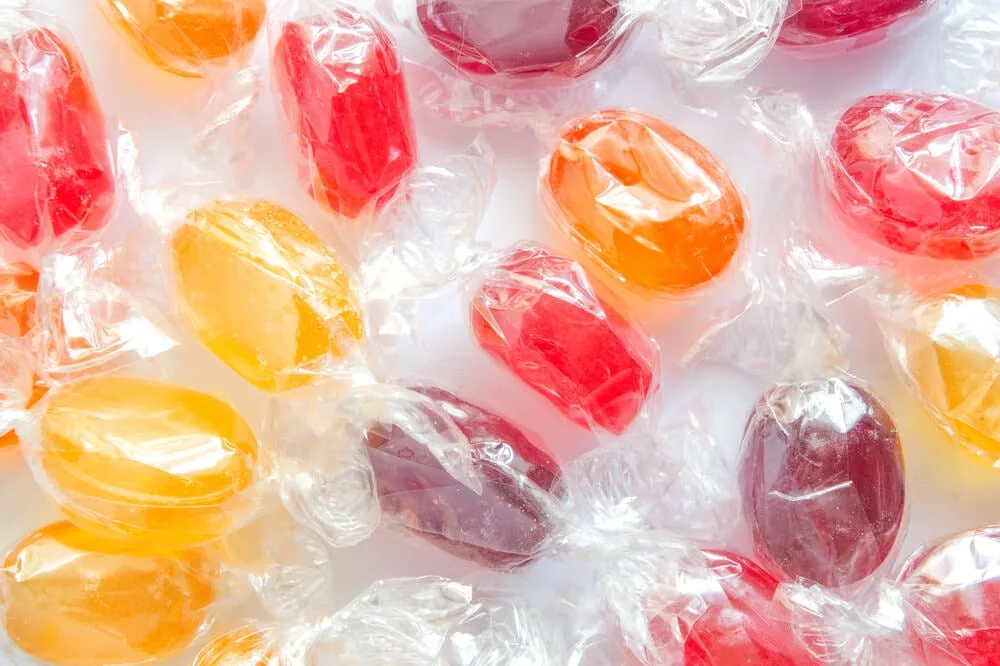
Life Savers date to 1912, when Ohio chocolate maker Clarence Crane wanted a summer sweet that would not melt and came up with a ring-shaped peppermint. He sold the rights the following year, and the new owner wrapped the mints in foil rolls and built a national brand.
Butter Rum joined the lineup later and became a favourite of a certain generation — sweet and rich and a little grown-up. Grandma peeled the foil and paper back in a neat spiral, offered the top sweet, and rewrapped the roll with a twist. It was usually about half gone.
8. Luden’s Cough Drops in the Little Box
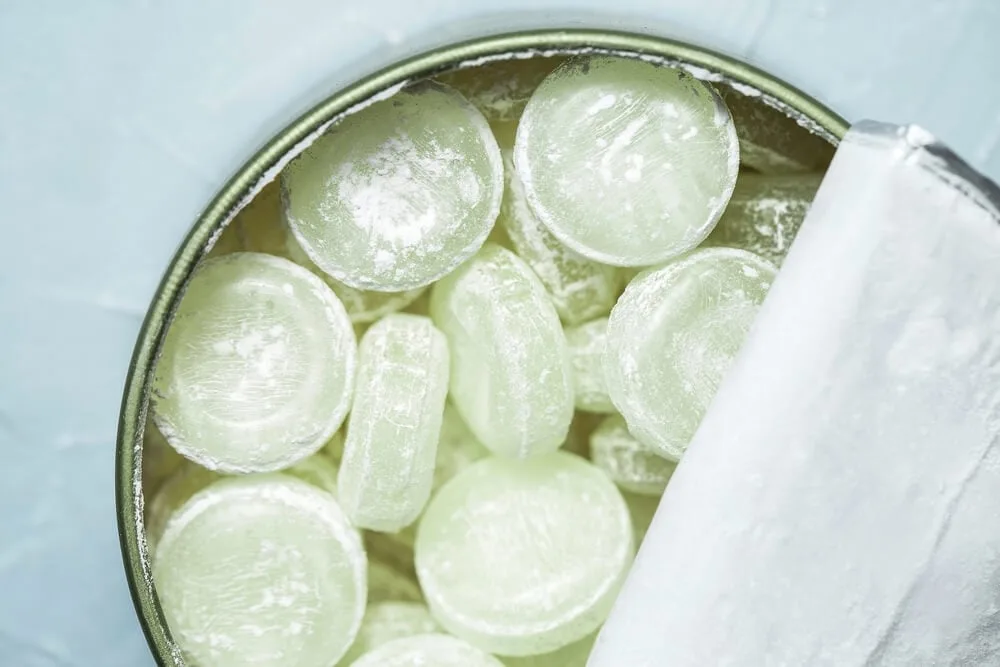
Officially these were medicine. William Luden went into the sweet trade in Reading, Pennsylvania, around 1880 and soon worked out a menthol cough drop, tinted amber to stand apart from the red drops of the day, and the lozenges in their small cardboard box became a national product.
The wild cherry version, which arrived later, was a sweet in everything but name, and that was its appeal. A tickle in the throat during a sermon or a school recital was answered with a quiet rattle of the box and a drop passed down the row. Children learned early that a convincing cough could produce one.
9. Sen-Sen Packets for the Breath

Before breath mints came in tins and rolls, there was Sen-Sen. Developed in the 1890s, it came as tiny black squares in a small paper or foil packet, flavoured with liquorice and a floral, perfumed note that tasted like nothing else on the sweet counter.
Grandchildren who tried one generally did so only once. The product was sold for well over a century before its last maker discontinued it in 2013. A woman who carried Sen-Sen took fresh breath seriously — and expected the same of others.
10. Half a Stick of Wrigley’s Doublemint
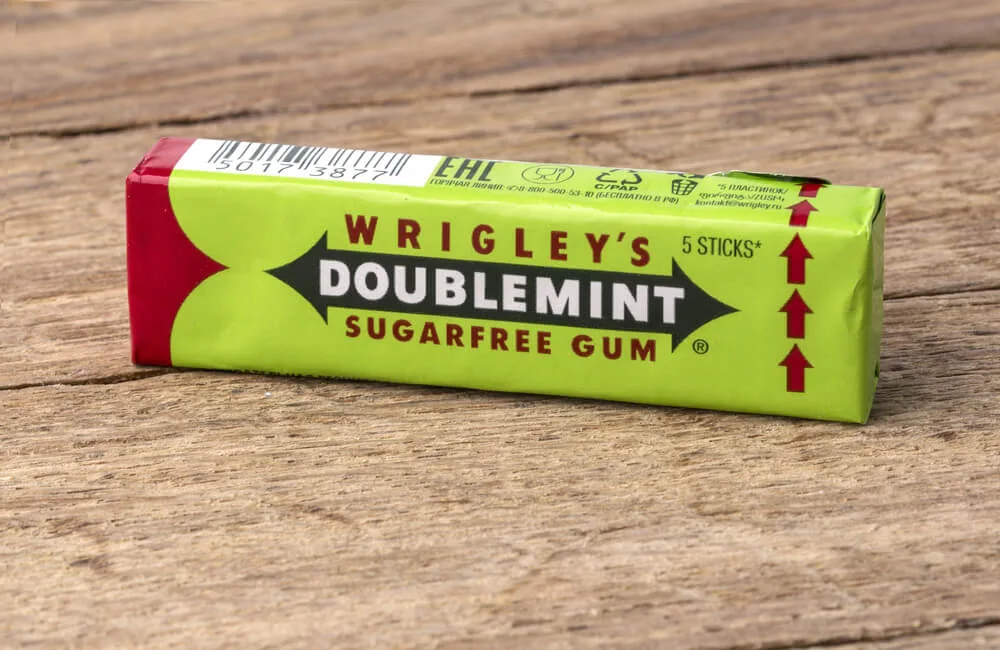
William Wrigley Jr. came to Chicago in 1891 selling soap and baking powder, gave away chewing gum as a free gift, and soon realised the gum was the better business. Juicy Fruit and Wrigley’s Spearmint both appeared in 1893, and Doublemint followed in 1914 in its green wrapper.
Grandma carried a pack, but a full stick was considered excessive. She tore one in half, handed over a piece, and folded the other back into its foil for later. Gum was permitted in the car and forbidden in church, and the wrapper was kept so the gum could be disposed of like a lady.
11. Coin Purse With a Kiss Clasp
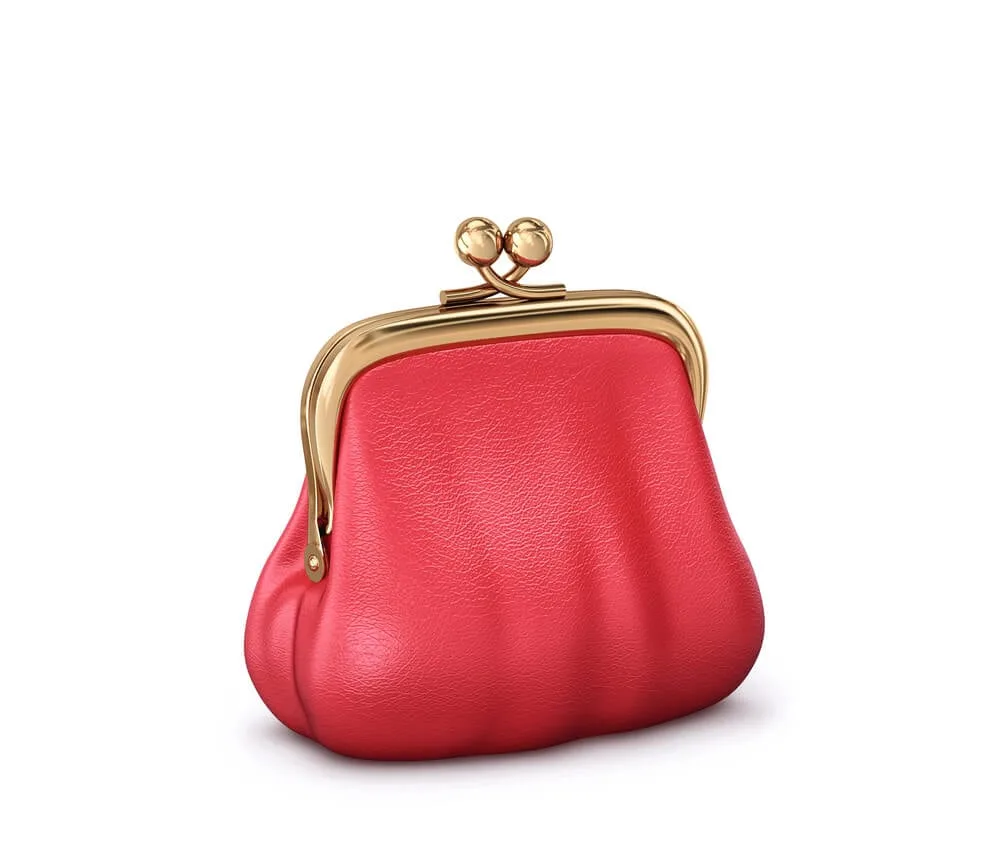
Inside the big purse lived a smaller one, a metal-framed pouch closed by two little knobs that crossed and snapped together. The kiss clasp design goes back to the nineteenth century and has barely changed.
Hers held pennies, nickels and a few coins she refused to spend — usually dimes and quarters dated 1964 or earlier, the last years those coins were struck in 90 percent silver. Paying for anything meant opening it over the counter and counting out exact change, slowly, while the queue behind her waited. The snap when it closed signalled that the transaction was over.
12. Checkbook and a Carefully Kept Register

The chequebook sat in a vinyl cover with a pen clipped to the spine, and the register inside was current to the penny. Deluxe, the cheque printer founded in St. Paul, Minnesota, in 1915, helped popularise the personalised pocket chequebook, and by the late 1950s banks had adopted the row of magnetic ink numbers along the bottom edge that let machines sort cheques.
Grandma wrote one for the groceries, the church and the paperboy, and recorded each before tearing it out. At the end of the month she reconciled the statement at the kitchen table. The bank was occasionally wrong, and she let them know.
13. Pocket Address Book With Tabbed Pages
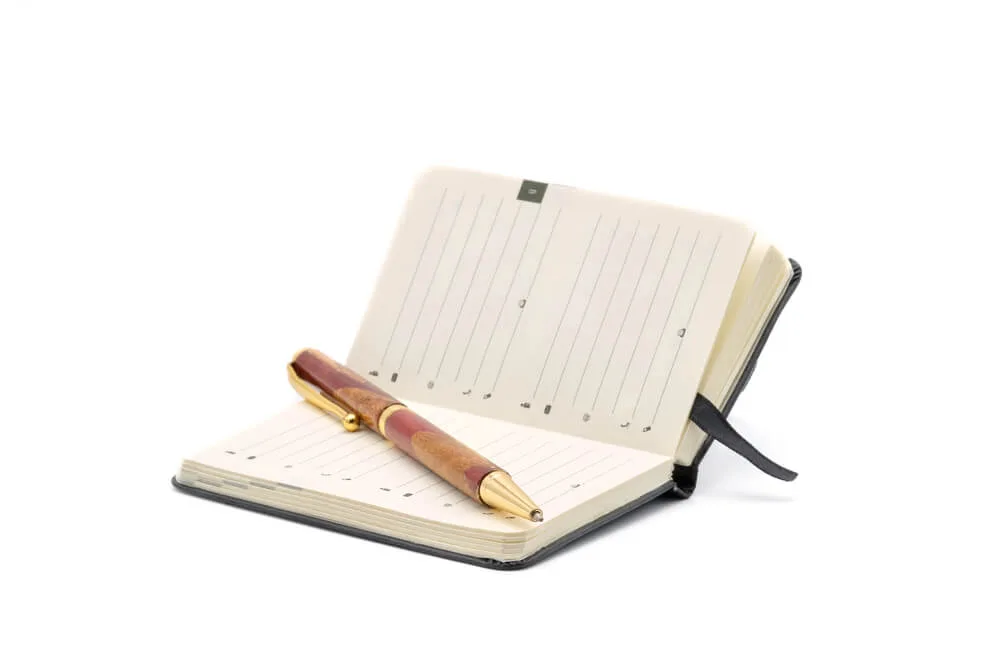
Every relative, neighbour, doctor and plumber she had ever dealt with was in there, entered in pencil so the entry could be corrected when people moved. The oldest pages still listed phone numbers with exchange names, two letters and five digits, a system the phone companies phased out in favour of all-number calling during the 1960s.
Postcodes, introduced in 1963, were squeezed in afterwards in a different pen. Names were crossed out with a single respectful line when someone died. The book was the reason birthday cards arrived on the right day.
14. S and H Green Stamps Waiting for a Book
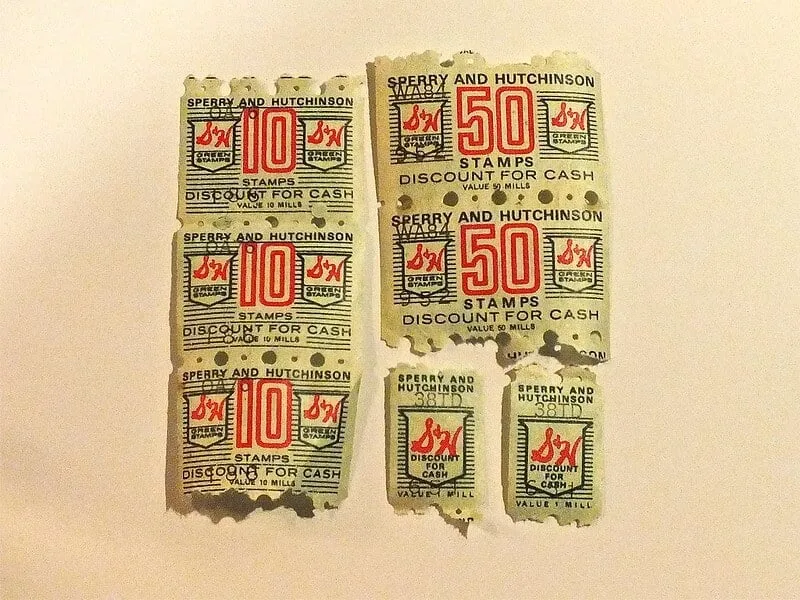
Sperry and Hutchinson began selling trading stamps to retailers in 1896, and by the 1960s the green stamps were handed out at supermarkets and petrol stations across the country, generally one stamp for every ten cents spent.
A filled saver book held 1,200 stamps, and enough books could be traded at a redemption centre for a toaster, a card table or a set of towels chosen from the catalogue. Loose strips rode around in the purse until they could be licked and pasted in. Grandma knew exactly how many books the electric mixer required, and she was in no hurry.
15. Accordion Photo Wallet Full of Grandchildren
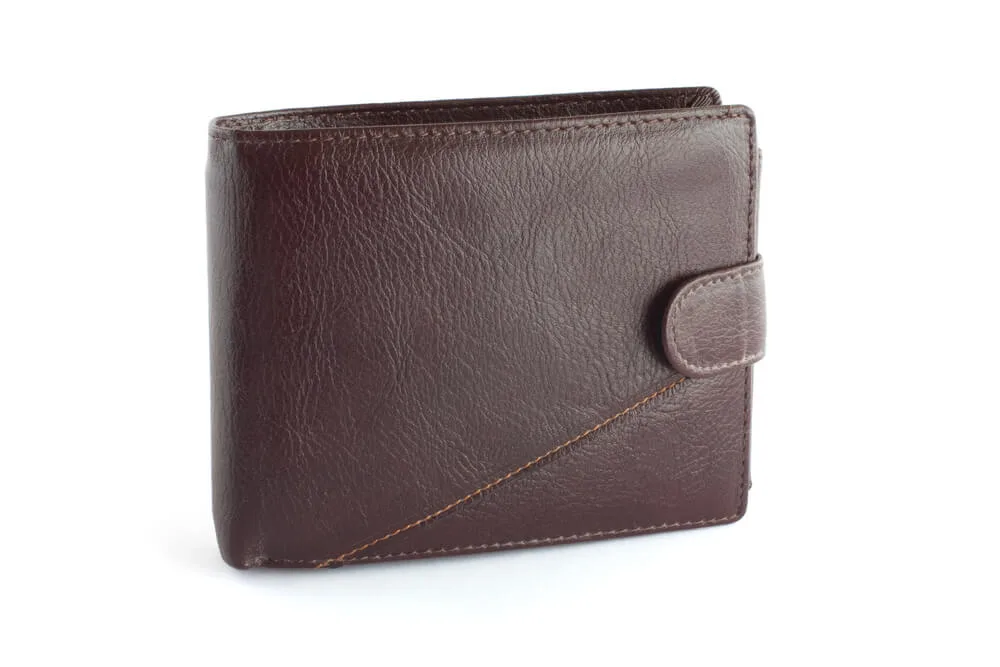
A snap came undone and a strip of clear plastic sleeves dropped open like a paper fan, each one holding a wallet-size school portrait roughly two and a half by three and a half inches. The photos came from picture day packages and from portrait studios, and they were updated every autumn.
Older pictures were never thrown out, only slid behind the new ones, so each sleeve held a small archive. Any stranger in a waiting room who made polite conversation was shown the entire set, with ages and report cards included.
16. Rosary and a Worn Prayer Card

For Catholic grandmothers the purse carried a rosary in a small zippered pouch, the standard five-decade kind with 59 beads, often blessed and sometimes brought back from a parish pilgrimage. Tucked beside it were holy cards, including memorial cards from funerals with a saint on the front and a name and dates on the back.
A card of St. Anthony, the patron invoked for lost things, was considered practical equipment. Grandmothers of other denominations carried a pocket Bible or a folded church bulletin instead. Either way, the item was handled often enough that its edges had gone soft.
17. Tiny Sewing Kit and a Chain of Safety Pins

A loose button or a fallen hem was repaired on the spot. The kit was often a paper folder from a hotel or an insurance agent, holding a few needles, a threader, and short lengths of thread in black, white, navy and tan.
Safety pins were linked together in a chain by size. The pin itself was patented in 1849 by New York mechanic Walter Hunt, who famously sold the rights for a few hundred dollars. Grandma could close a split seam in a church restroom and have the wearer back in the pew before the next hymn.
18. Emery Boards for a Snagged Nail

Long before nail salons sat in every shopping centre, a rough edge was handled personally and immediately. The emery board, a strip of cardboard coated with abrasive grit, takes its name from emery, a dark rock rich in corundum that was mined for centuries on the Greek island of Naxos and in Turkey.
Drugstores sold them in packs of ten or a dozen, and at least three were in the purse at any time, one of them worn nearly smooth. Filing was done in one direction, never sawing back and forth — a rule passed down firmly to any granddaughter within reach.
19. Bayer Aspirin in a Pocket Tin

Bayer registered the Aspirin name in 1899, and for most of the twentieth century the travel version came in a flat hinged tin holding a dozen tablets. Opening it required pressing a corner in exactly the right spot, a trick that defeated most children and a fair number of adults.
Grandma considered aspirin the answer to headaches, sore knees, fevers and general complaining, taken with a glass of water and no further discussion. The tin was refilled from the big bottle at home when it ran low. An empty one was never discarded, since it was the ideal size for straight pins.
20. Roll of Tums

St. Louis pharmacist James Howe developed the antacid in the late 1920s, by the usual account to settle his wife’s indigestion, and his family’s company put Tums on sale in 1930. The name is said to have come from a radio contest.
The tablets were chalky, faintly minty, and sold for decades in a foil-and-paper roll that fit beside the lipstick. Grandma took one after any meal involving onions, restaurant coffee or a casserole made by someone else. The brand has continued to be manufactured in St. Louis ever since.
21. Vicks Inhaler
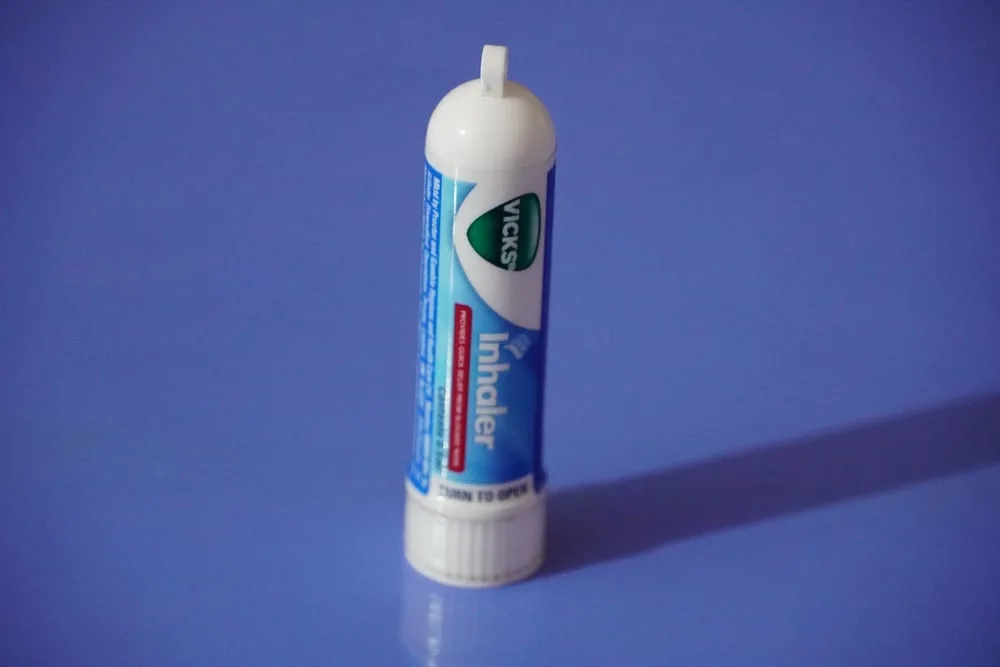
Lunsford Richardson, a pharmacist in Greensboro, North Carolina, created the mentholated salve that became Vicks VapoRub in the 1890s, and the company later put the same camphor-and-menthol idea into a pocket tube.
The Vicks Inhaler, sold since the early 1940s, was a small white plastic cylinder with a screw cap, and a sniff in each nostril was supposed to clear a stuffy head. It worked well enough that the smell alone still signals a cold to anyone raised around one. Hers was years old and had probably lost most of its strength. She used it anyway, and the cap went back on tight.
22. Jergens Lotion Decanted Into a Travel Bottle

Dishwater, winter and garden dirt were hard on hands, and the remedy smelled of cherries and almonds. The Andrew Jergens Company was founded in Cincinnati in 1882, and its lotion, introduced around the turn of the century, became one of the best-known drugstore products in the country.
The full-size bottle stayed by the kitchen sink. A small amount was poured into a purse bottle, and it came out after every hand washing in a public restroom, rubbed in thoroughly, with special attention to the knuckles. That scent on a handkerchief or a coat collar is still instantly recognisable.
23. Avon Perfume in Purse Size

Avon began in 1886 as the California Perfume Company, founded by a travelling book salesman named David McConnell, and adopted its present name in 1939. By the time the “Avon Calling” doorbell advertisements began in the 1950s, the neighbourhood representative was a fixture in many American living rooms.
Grandma’s order usually included something for the handbag, a small rollette or a solid cream perfume in a decorative compact. Fragrances such as Topaze, launched in 1959, were worn for years on end. A dab went on the wrists before church, and the entire purse carried the scent permanently afterwards.
24. Bobby Pins on a Cardboard Card

The bobby pin became common in the 1920s, when bobbed hair needed something smaller and tighter than the old open hairpin. Decades later it was still sold the same way, slid in rows onto a printed card, in black, brown or bronze to match the hair.
Grandma’s card was always half empty, and strays collected in the lining seams. Beyond pinning curls, a bobby pin cleaned a comb, held a place in a hymnal, reset a stuck clasp and fished a lipstick stub out of its tube. A folding comb in a vinyl sleeve travelled alongside it, and both were lent reluctantly.
25. Band-Aids in a Hinged Tin

Johnson and Johnson put Band-Aid adhesive bandages on the market in the early 1920s, after an employee devised a ready-made dressing his wife could apply to her own kitchen cuts. For generations they were sold in a hinged metal box, and each bandage came in a paper wrapper opened by pulling a red thread.
Grandma kept a few in the purse along with the firm belief that a scraped knee needed washing first. The bandage was applied, pressed flat with a thumb, and followed by a butterscotch. The empty tins went on to store buttons, stamps and garden seeds for another thirty years.
None of these objects was valuable, and most cost less than a dollar when new. Together they amounted to a portable household, assembled by a generation that believed in being ready for anything.
Today’s handbags hold phones, chargers and card wallets — useful things, certainly. But none of them smells faintly of butterscotch and face powder, and none of them ever produced a safety pin, a sweet and a prayer card in the space of ten seconds. Grandma’s purse was not just a bag. It was a whole way of life.