 By ali4050284
Before video games took over the living room and smartphones captured every spare moment, family entertainment centred on a far simpler pleasure: the board game. In the 1970s, these cardboard worlds did not just pass the time — they created memories that would last for generations.
From marathon Monopoly sessions to heated Operation battles, these games shaped how families played together. So roll the dice and revisit the games that turned ordinary rainy afternoons into adventures — and sometimes survived those inevitable sibling rivalries.
1. Monopoly
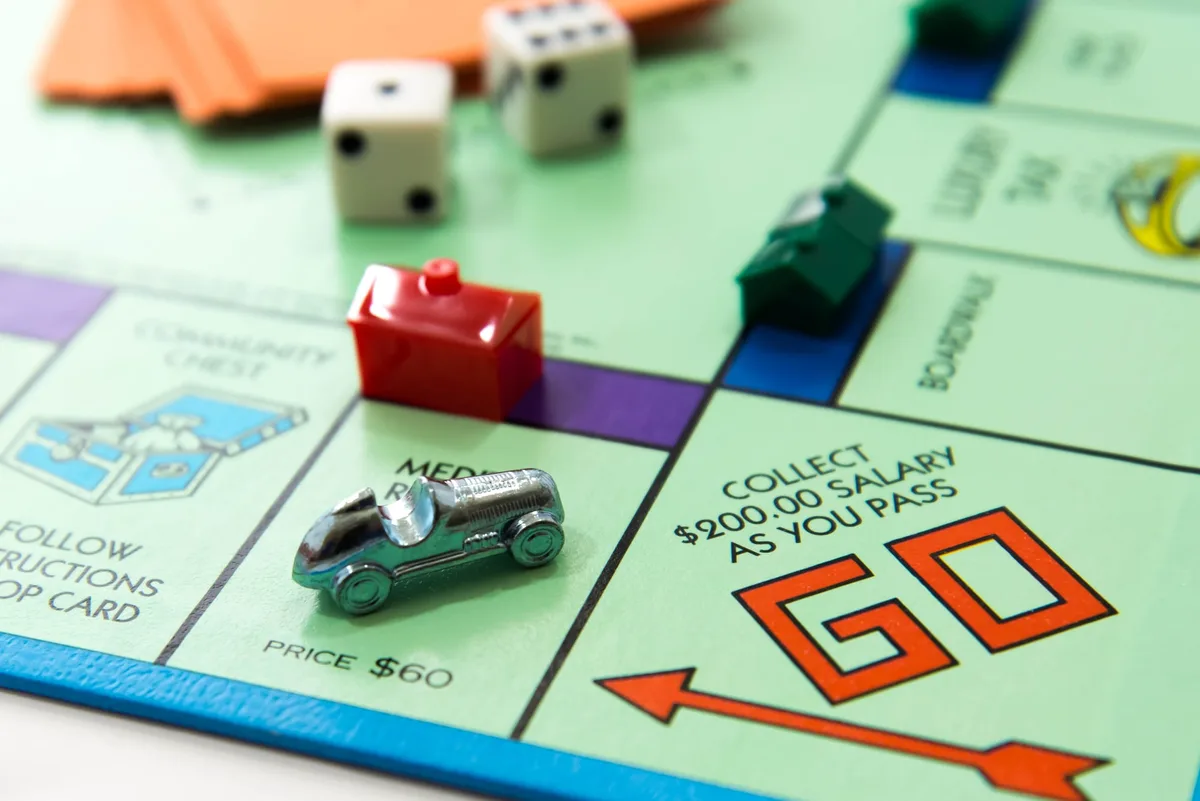
The classic property trading game reached new heights of popularity in the seventies, teaching children about money while encouraging them to bankrupt their brothers and sisters. Those colourful banknotes seemed like a real fortune, and everyone had a favourite token — though somehow nobody ever wanted to be the iron.
Family games could last for days, with property empires rising and falling between meals. The true miracle was not winning the game — it was finding all the pieces when you wanted to play.
2. Operation

Nothing tested steady hands like removing a broken heart from the poor patient without setting off that dreaded buzzer. Operation turned amateur surgeons into nervous wrecks as everyone gathered around to watch each delicate extraction.
The tension of lifting out a tiny plastic ailment while your little sister deliberately tried to make you jump made brain surgery look easy by comparison. Those tiny plastic pieces probably still turn up in vacuum cleaners decades later.
3. Mouse Trap
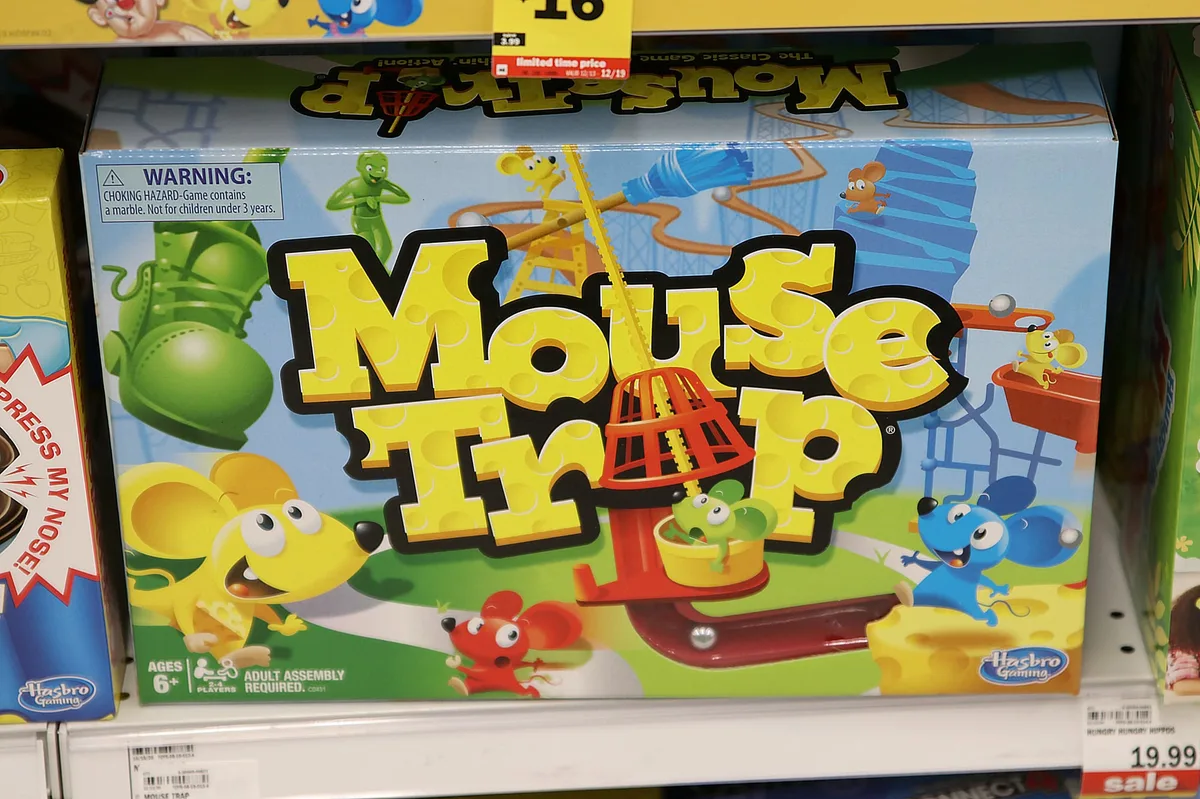
Building this Rube Goldberg-style contraption was half the fun, even if the trap rarely worked as intended. Most children spent more time putting the game together than actually playing it.
But watching that little metal ball trigger a chain reaction was worth every minute. Parents dreaded the missing pieces that would make the whole elaborate setup useless — though creative kids usually found ways to improvise.
4. The Game of Life

Spinning that big wheel to navigate life’s major decisions made growing up seem like an adventure rather than a responsibility. Career choices, marriage and even retirement all became part of an afternoon’s entertainment.
The tiny plastic cars filled with even tinier plastic pegs somehow made adult life seem manageable, even if most children had no idea what half the careers meant. Ending up with a car full of peg children and enormous debts was surprisingly realistic preparation for actual adulthood.
5. Clue
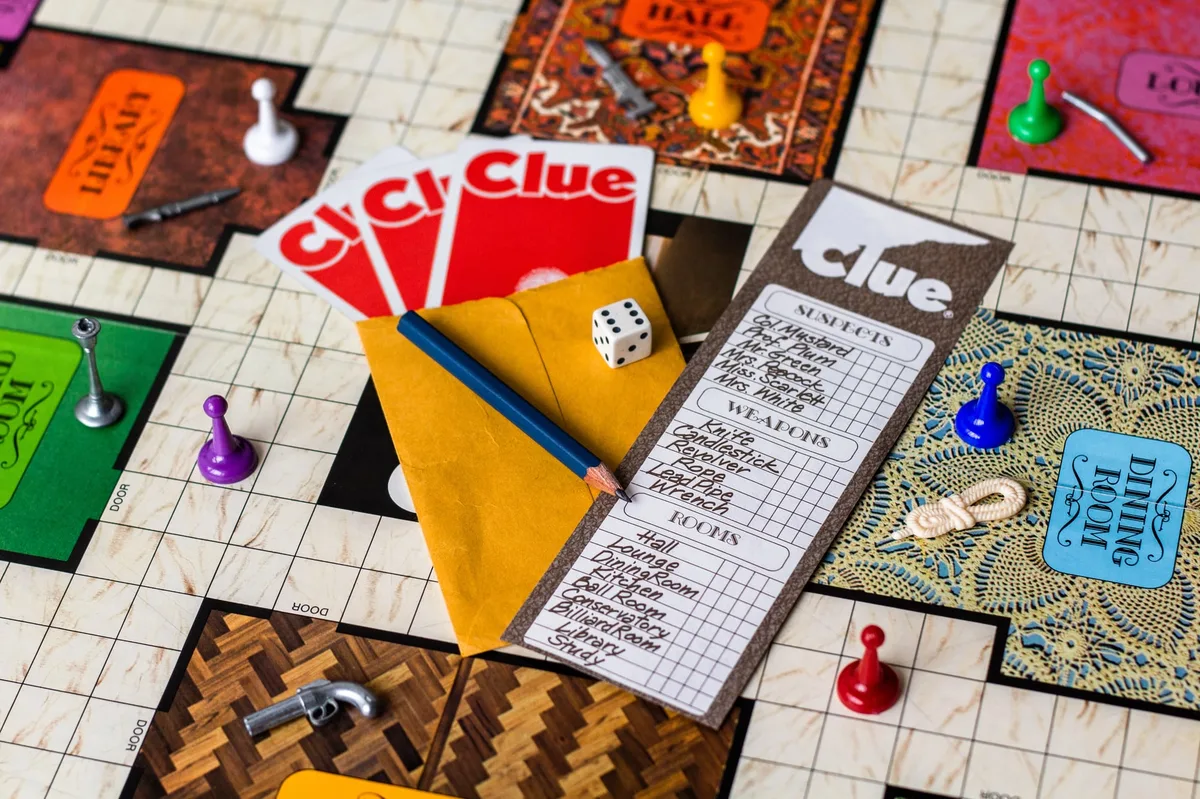
Murder mystery never seemed so family-friendly as when Colonel Mustard was creeping around the conservatory with a lead pipe. Clue taught deductive reasoning while giving everyone a chance to accuse family members of terrible crimes — in a healthy way, of course.
The little detective notepads made everyone feel like Sherlock Holmes, even if half the checkmarks ended up in the wrong boxes.
6. Risk
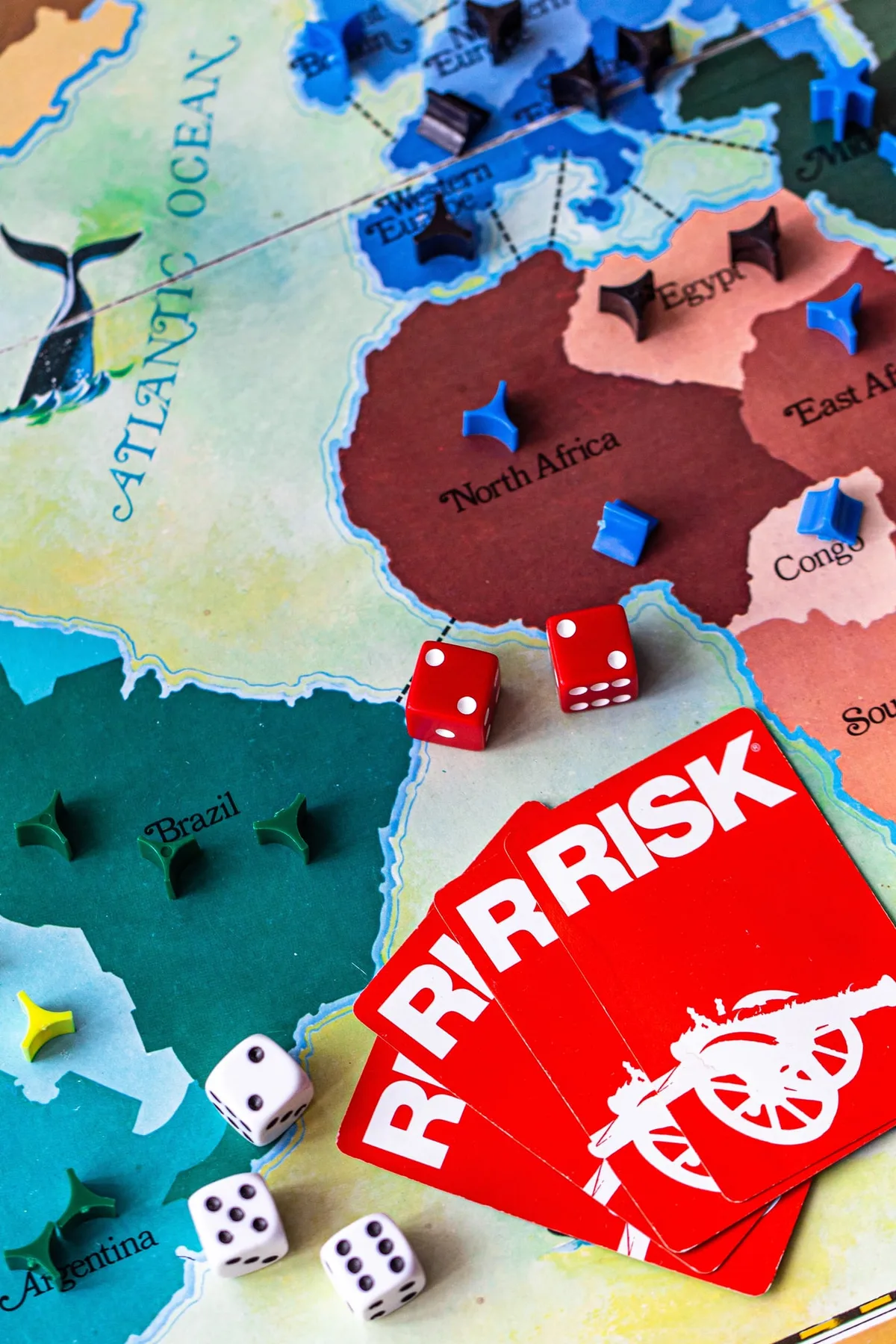
World domination became a weekend activity with this strategy game that tested friendships and family bonds alike. Those tiny plastic armies sparked diplomatic negotiations and brutal betrayals across kitchen tables everywhere.
Games could last longer than actual wars, with alliances forming and breaking faster than you could say “Madagascar”. Many young strategists learned the hard way never to get involved in a land war in Asia.
7. Candy Land

The sweetest journey any young board game player could take, with no reading or counting required. The simple path through Peppermint Stick Forest and past Lollipop Woods made this perfect for younger players.
Though getting sent all the way back could trigger tantrums that echoed through the house, every child secretly hoped to find a real Candy Castle at the end — and the disappointment never stopped them playing again.
8. Battleship

“You sunk my battleship!” echoed through living rooms as children learned to work with coordinates without realising they were doing maths. The thrill of secret ship placement and the agony of watching your fleet slowly disappear made every game an emotional rollercoaster.
The satisfying clicks of those red and white pegs going into the board almost made up for the pain of stepping on lost pieces in the middle of the night.
9. Stay Alive

This marble-dropping survival game created more tension than a horror film. Players frantically turned knobs to move the playing field, trying to keep their marbles from falling through while sending their opponents’ marbles to their doom.
The rhythmic click of falling marbles provided a soundtrack to every game, and being the last marble standing made victory especially sweet. Finding lost marbles under the furniture became a household tradition that could last for months.
10. Scrabble
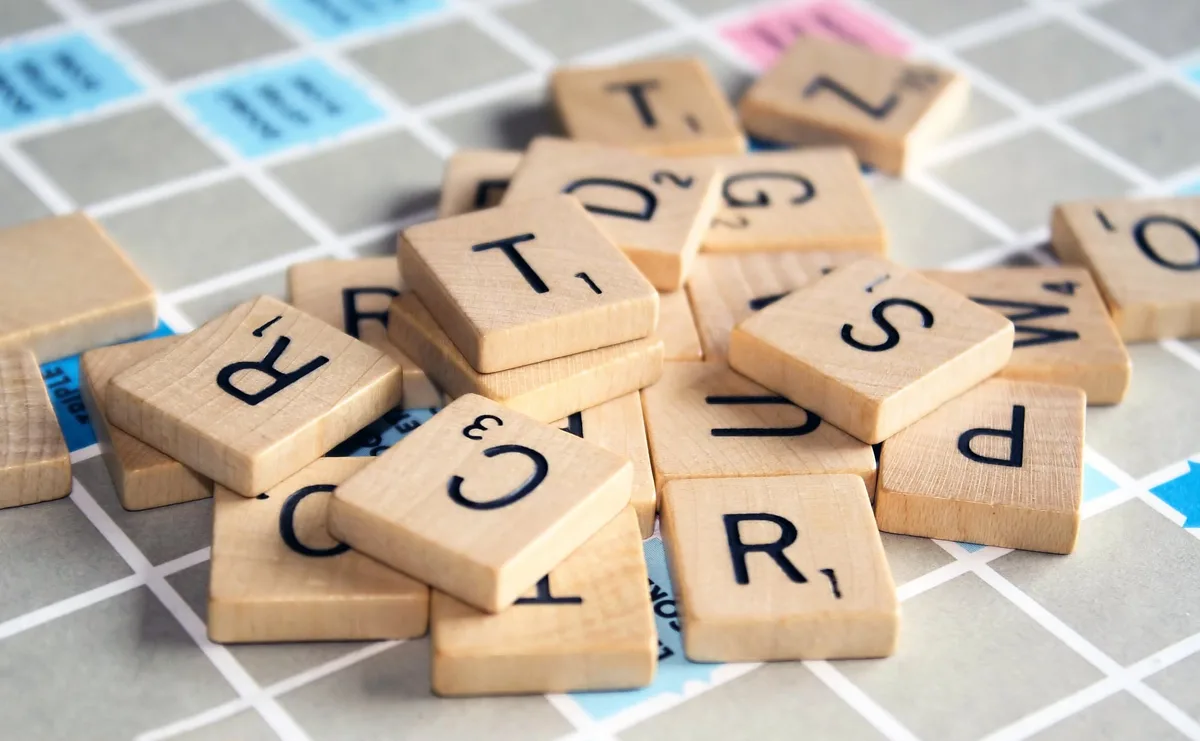
The ultimate test of vocabulary and spelling became a family favourite, even if half the words had to be challenged. Children learned new words just to use that tricky Q or Z, while parents debated whether unusual two-letter words were acceptable.
The satisfaction of placing a seven-letter word across a triple word score created a joy that no video game could match.
11. Connect Four

Vertical draughts with a satisfying clatter, this game combined strategy with the pure pleasure of dropping plastic discs into slots. The real fun came from dramatically releasing all the pieces at the end.
Parents quickly learned to ban that activity over carpeted areas, though. Many children learned about gravity and spatial reasoning while trying to block their opponent’s diagonal plans.
12. Chinese Checkers

This oddly named game, which was neither Chinese nor checkers, fascinated children with its star-shaped board and colourful marbles. The satisfying sound of marbles hopping over each other made the game as much about the sound effects as the strategy.
Finding all the marbles after a game became a household adventure that could last for years.
13. Parcheesi
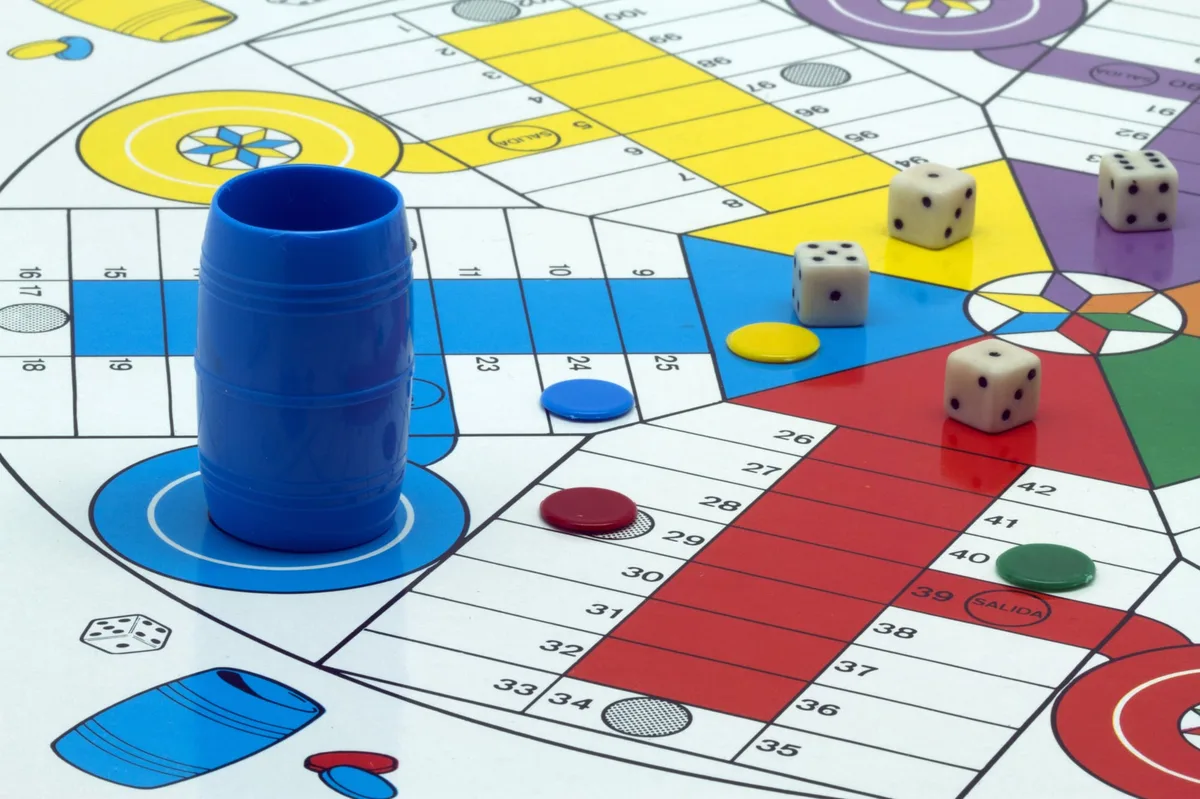
The Royal Game of India brought exotic adventure to American living rooms, with players racing their pieces around the board while trying to avoid being sent back to the start.
The satisfaction of forming blockades and the frustration of being trapped behind them taught important lessons about patience and strategy, even if no one really understood the historical significance of the game.
14. Password

Long before it became a computer security concern, Password was teaching children the art of word association and clear communication. The pressure of trying to get your partner to guess the word while the little hourglass leaked away created more tension than any action film.
It was also probably responsible for more creative vocabulary development than most English lessons.
15. Payday
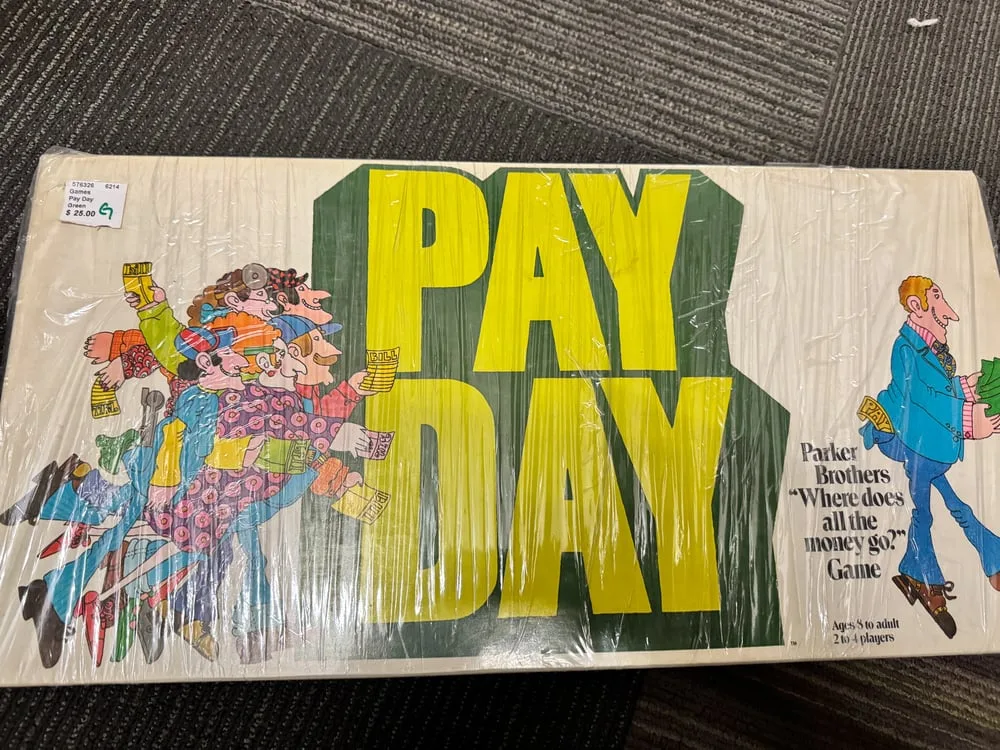
Managing money became a game rather than a chore as players navigated through a month of bills, loans and unexpected windfalls. Children learned about financial responsibility while trying to avoid the dreaded mail bills and sweet-talking their way into loans from the banker.
The game probably gave everyone unrealistic expectations about how often you find money in the post.
16. Boggle

The frantic search for words, while letters rattled beneath the plastic dome, created a uniquely stressful form of entertainment. The silent concentration, broken only by the scratch of pencils and the occasional triumphant “aha!”, made this a surprisingly intense experience.
Finding a word no one else spotted felt like winning the literary lottery.
17. Ker-Plunk

Removing sticks while trying not to drop marbles sounds simple, but it creates nail-biting tension around family game tables. The suspense of each careful move, accompanied by the threatening rattle of marbles, made this game as much about nerve control as strategy.
The inevitable cascade of marbles always seemed to happen just as someone was bragging about their steady hands.
18. Mastermind
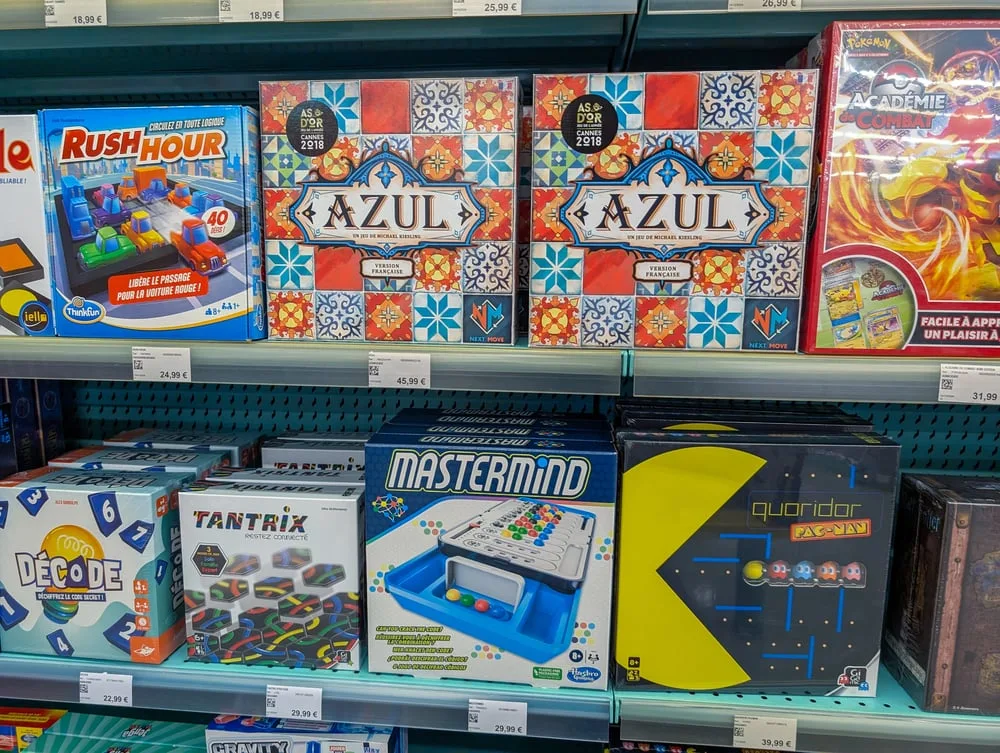
This code-breaking game made everyone feel like a secret agent, even if you were just trying to guess the right sequence of coloured pegs. The satisfaction of correctly working out the hidden code could make any child feel like a genius.
Being just one colour off could drive you to distraction, though. It was probably responsible for creating a generation of puzzle lovers and would-be codebreakers.
19. Perfection
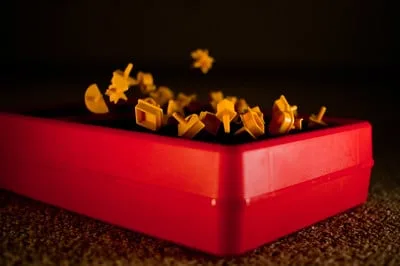
Nothing caused more adrenaline rushes than trying to fit shaped pieces into their proper slots before the timer popped and sent them flying everywhere. The frantic rush to beat the clock created a unique form of stress that no modern video game has quite replicated.
The startling pop at the end probably took years off everyone’s lives.
20. Don’t Break the Ice
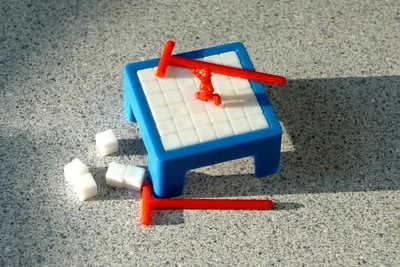
This seemingly simple game of tapping plastic ice blocks without dropping the skating figure created surprising suspense around family tables. Armed with tiny plastic hammers, players carefully chose which blocks to remove, each tap echoing with potential disaster.
The inevitable crash when someone finally broke the ice platform was both satisfying and startling, usually followed by demands for “just one more game”. Parents particularly appreciated how it taught patience and strategic thinking — even if they had to retrieve ice blocks from under the sofa afterwards.
These games did not need batteries, screens or an internet connection. They needed a table, a family and an afternoon with nowhere else to be — and that was more than enough.
Most of these classics are still on shop shelves today, but nothing quite matches the originals: the worn box corners, the missing pieces, the house rules nobody could agree on. That was the real game — and we all won.