 By ali4050284
There was a time when buying something meant buying it once. Families saved up, chose carefully, and then used the same sewing machine, skillet, or toolbox for decades — often passing it on to the next generation. These twelve familiar products earned their place in boomer homes the old-fashioned way: they simply refused to quit.
1. The Singer Sewing Machine That Outlived Every Trend
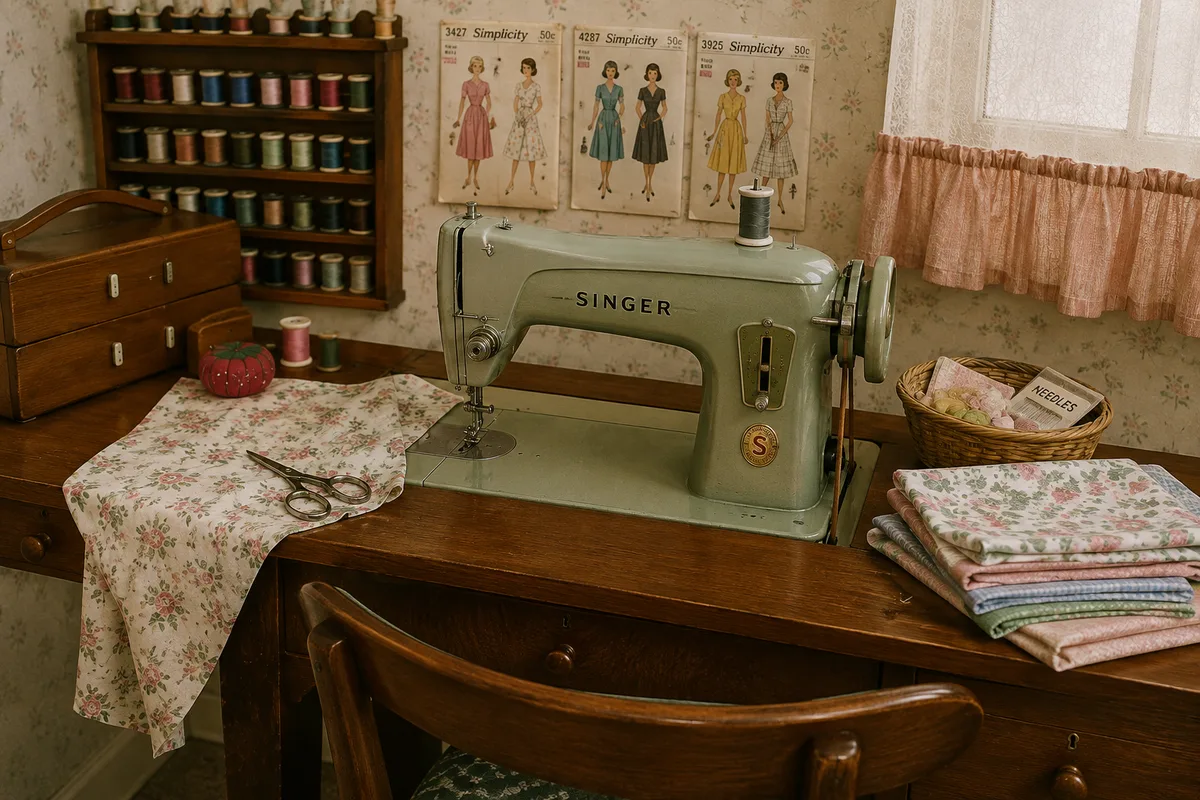
In many homes the Singer sewing machine was almost part of the family. It hemmed school trousers, stitched Halloween costumes, made curtains, and patched whatever tore. Old models like the Featherweight were built from solid metal parts that owners could oil, clean, and fix themselves, so a machine bought in the fifties could still be humming along decades later.
2. Pyrex Dishes That Survived Every Family Gathering
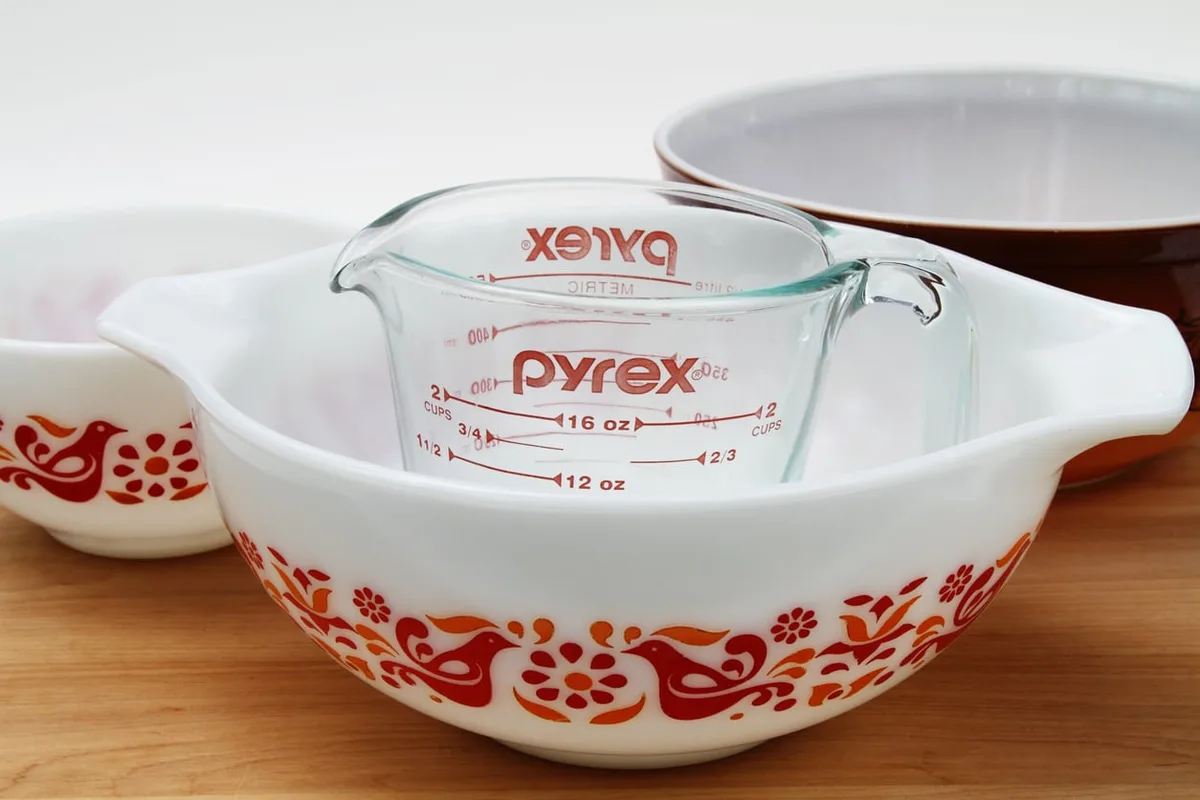
Almost every grandmother had a shelf of brightly patterned Pyrex bowls and casserole dishes, and plenty of them are still in use today. They mixed birthday cakes, carried food to church suppers, and went from oven to table without a fuss. The thick glass had no fiddly parts to break, which is why so many pieces survived years of daily cooking.
3. Craftsman Tools From Dad’s Old Toolbox
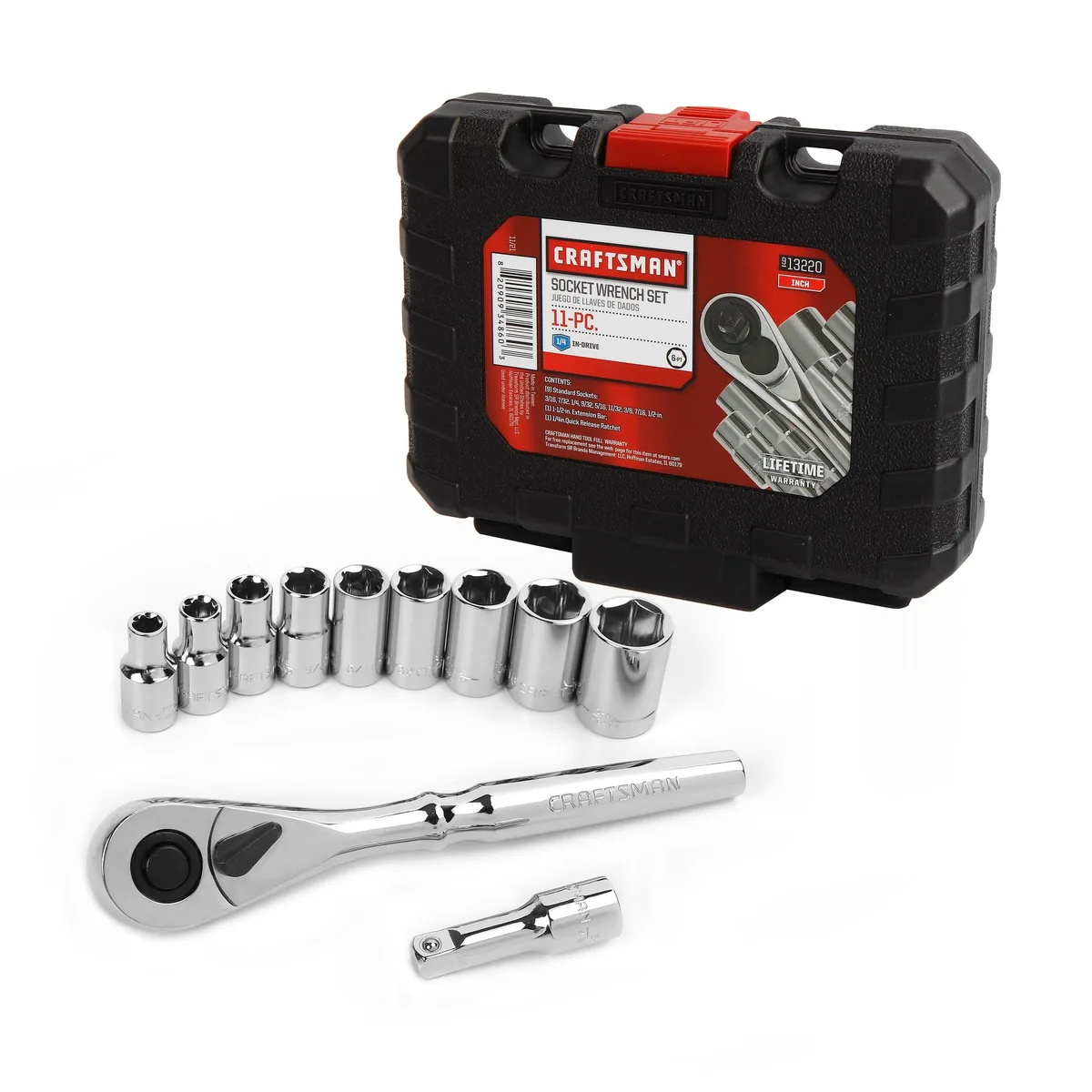
Open a father’s old metal toolbox and you would likely find the same Craftsman wrenches he had owned since before you were born. Made from tough forged steel, they tightened bolts, fixed cars, and handled household repairs year after year. The brand’s famous replacement promise also meant people kept their tools instead of throwing them away.
4. The Heavy Stand Mixer That Never Gave Up

Long before appliances had touchscreens, kitchens relied on heavy stand mixers from KitchenAid and Sunbeam. They came out for Christmas cookies, birthday cakes, and loaves of homemade bread, and their solid motors kept turning for years. Lifting one onto the counter took some effort, but that weight was exactly what made it so dependable.
5. Cast-Iron Skillets Passed Down Like Heirlooms
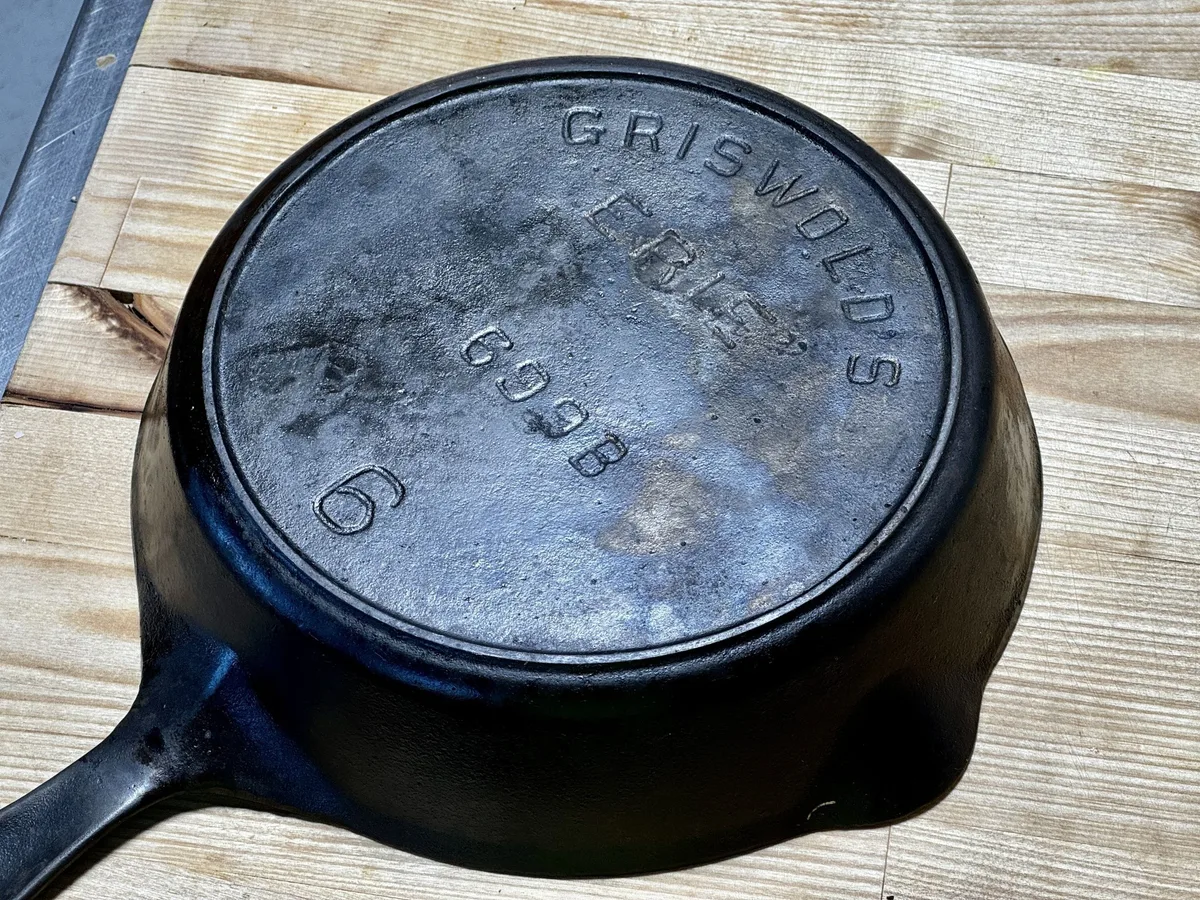
Some of the toughest things in a boomer kitchen were not appliances at all — they were heavy black skillets that seemed to live permanently on the stove. Lodge, Griswold, and Wagner pans fried bacon, baked cornbread, and cooked countless family dinners. Even a neglected skillet could usually be rescued with a good scrub and a fresh seasoning, ready for another generation.
6. Shiny Revere Ware Pots With Copper Bottoms

If you remember gleaming steel pots with copper-coloured bottoms hanging above the stove, they were almost certainly Revere Ware. The polished metal, black handles, and copper bases made them easy to spot, and they became a fixture in homes from the late thirties onward. They looked smart, cooked evenly, and lasted so long that many sets are still simmering away today.
7. The Green Stanley Thermos That Went Everywhere
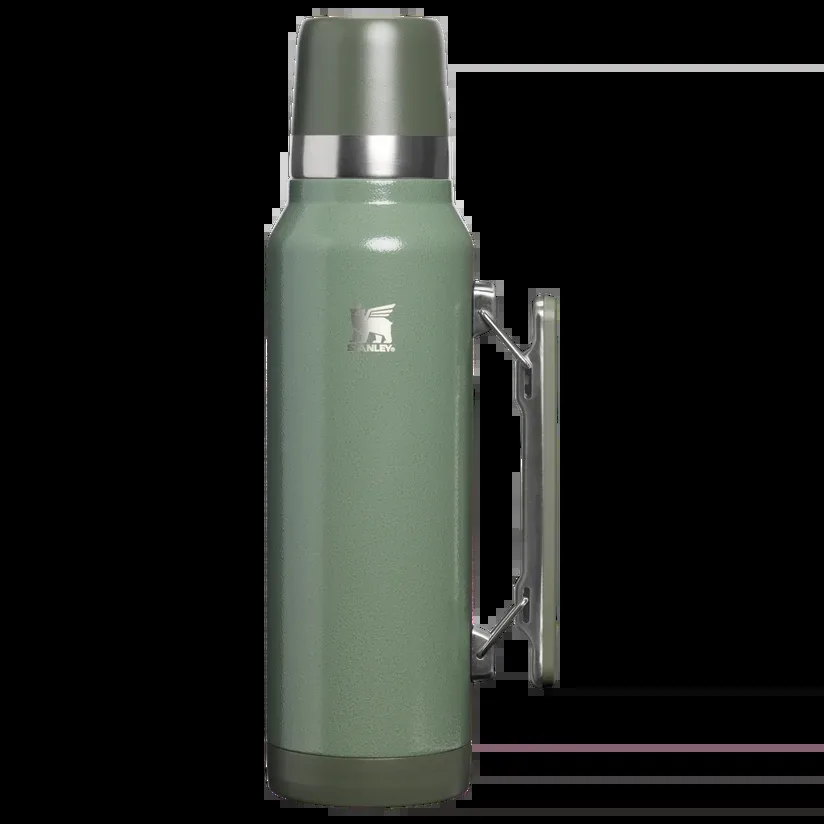
Before trendy insulated tumblers, there was the classic green Stanley thermos. Builders, factory workers, and campers trusted it to keep coffee hot all day long, and for many children the sight of one beside a metal lunchbox meant Dad was off to work. Its steel body collected dents and scratches over the years, but it kept doing its job without complaint.
8. Corelle Plates With the Little Flower Pattern
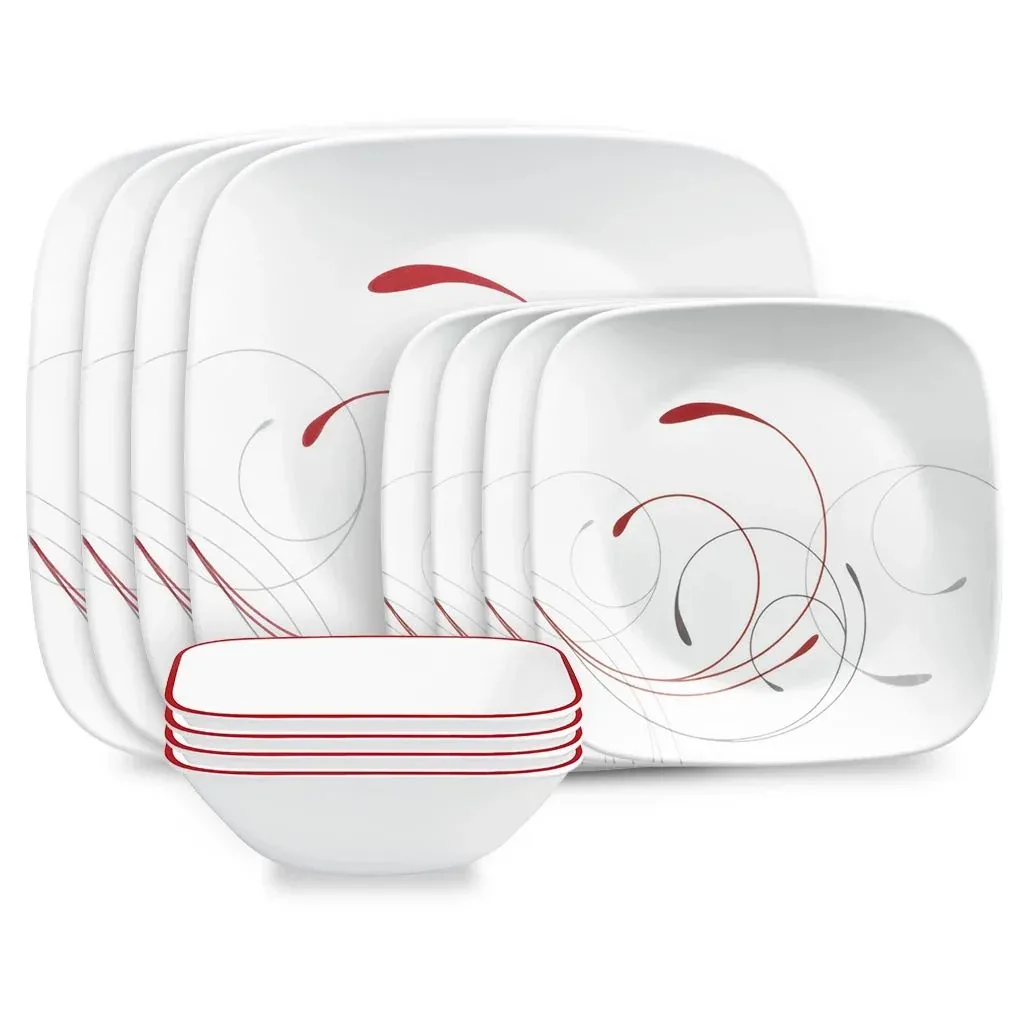
Those light plates with tiny flowers or geometric patterns around the rim were Corelle, and they turned up in kitchens everywhere after 1970. Thin, light, and hard to chip, they could be stacked high in a cupboard without taking up much room. Families ate thousands of breakfasts and school-night dinners off the same set, and many plates are still in daily use.
9. L.L.Bean Boots Made for Years of Mud and Snow
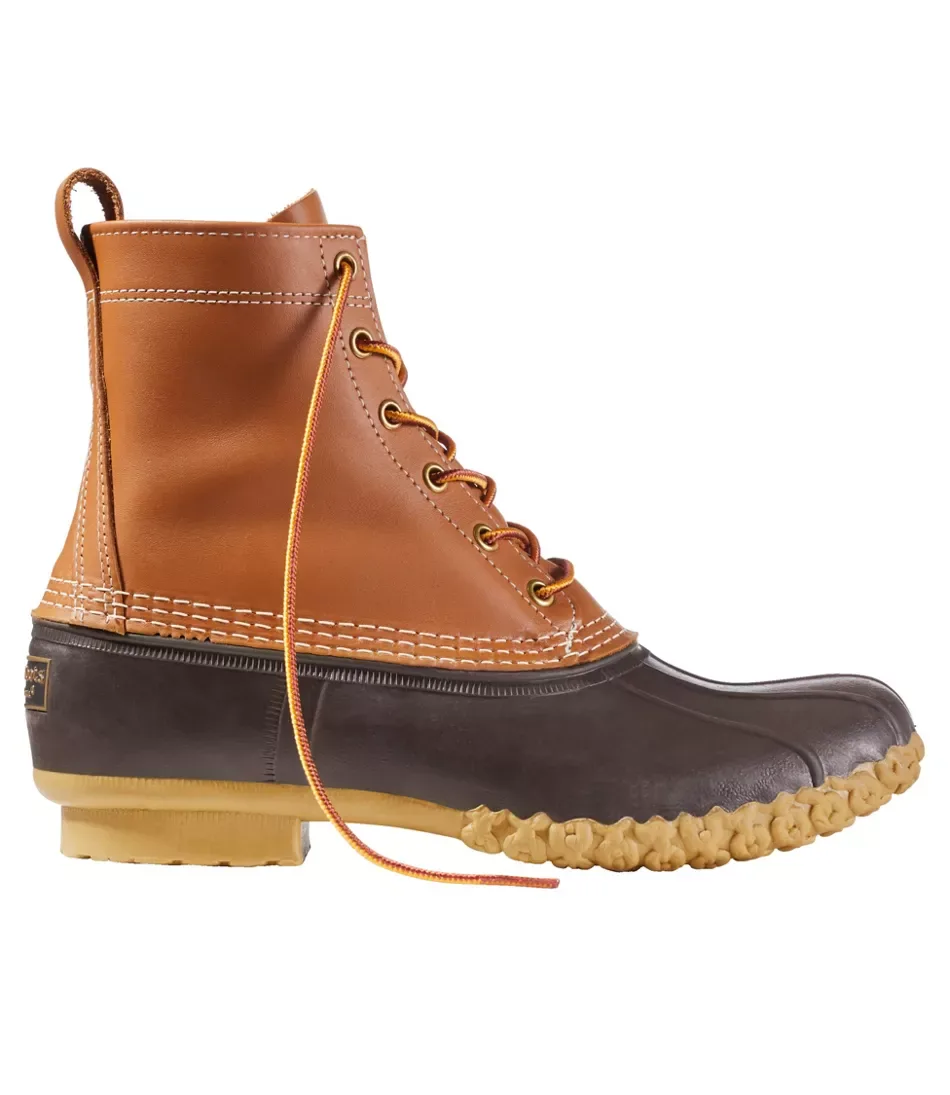
Where winters were snowy and trails were muddy, a good pair of boots was worth holding on to. L.L.Bean’s original hunting shoe, with its leather top and rubber bottom, grew into the famous Bean Boot that generations of families wore outdoors. The simple design barely changed over the years, and a well-kept pair could serve its owner season after season.
10. The Weber Kettle Grill of Every Summer Cookout
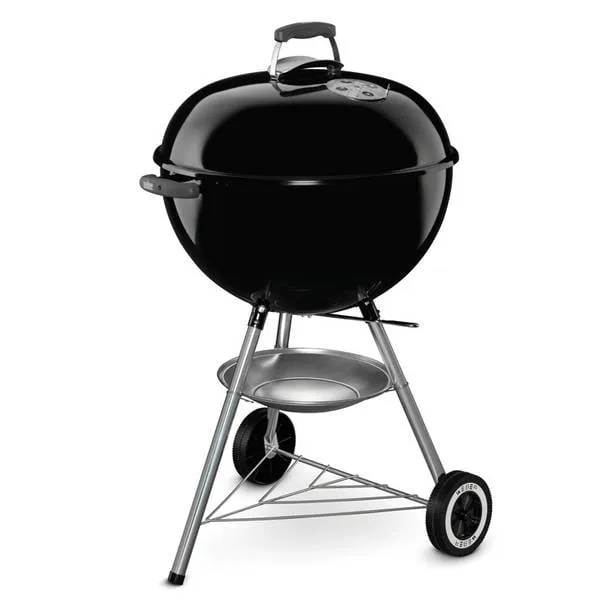
For many boomers, the smell of charcoal meant summer had arrived — and the burgers were probably cooking on a round Weber kettle grill. Its simple design of a metal bowl, a lid, vents, and sturdy legs had no electronics to fail. With a little care and the odd replacement part, one grill could serve a family’s cookouts for decades.
11. The Estwing Hammer That Never Let Go

A hammer may not sound exciting, but anyone who watched their father fix things around the house knew a good one was priceless. Estwing forged the head and handle from a single piece of steel, so there was no wooden handle to split or head to work loose. With its familiar leather or blue grip, it became the hammer that stayed in the family toolbox for life.
12. Pendleton Wool Blankets, Folded and Treasured
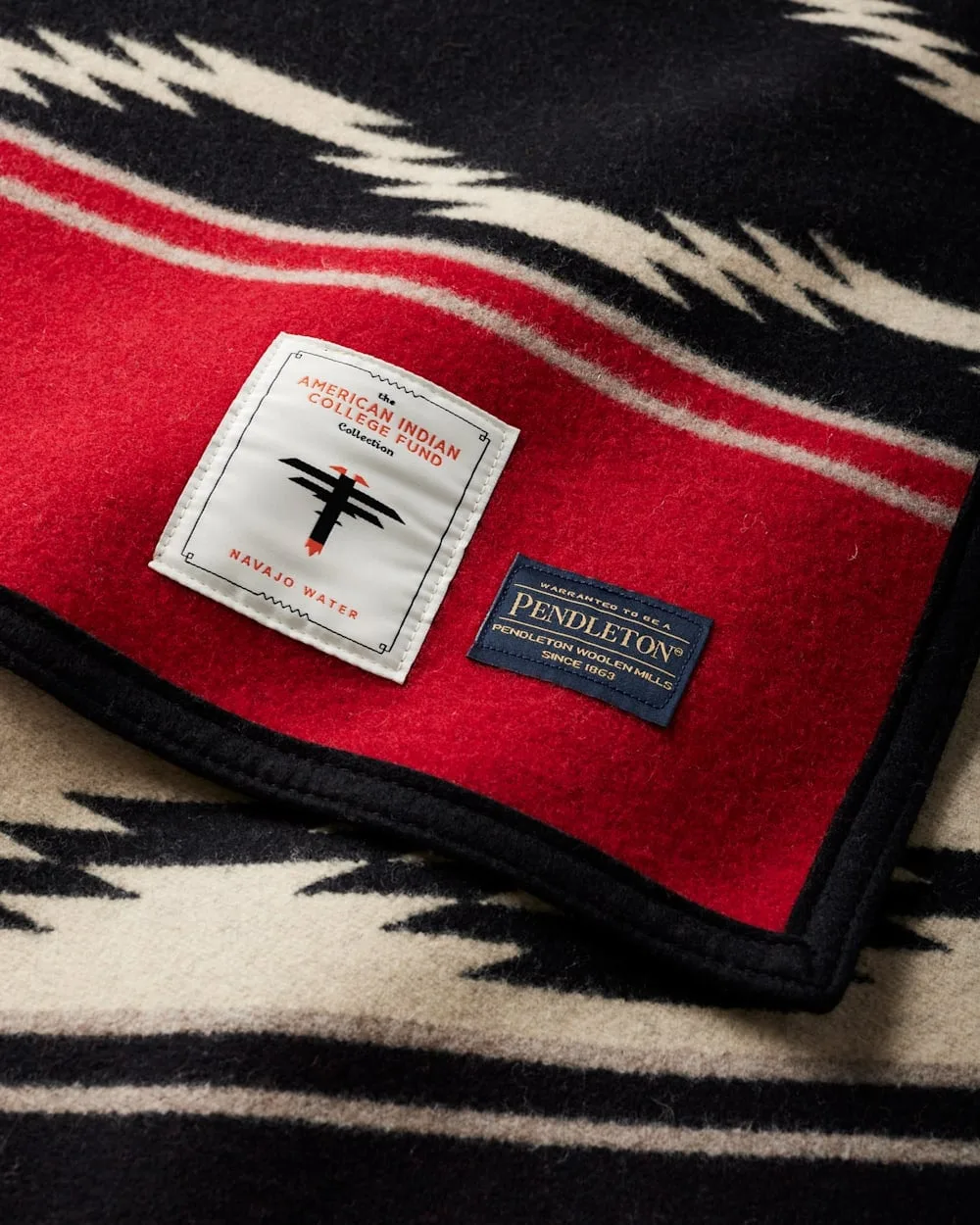
Before cheap fleece throws filled every shop, a good wool blanket was something a family took seriously. Pendleton’s heavy woven blankets, including the famous National Park designs, were folded at the foot of beds, packed for camping trips, and stored carefully in cedar chests. Their thick wool kept people warm winter after winter, and many are still treasured today.
Looking back, it is easy to see why boomers feel so fondly about these things. A skillet, a sewing machine, or a set of tools was never just a purchase — it was something that kept working for years with a little care. They remind us of a time when things were made to be repaired, not replaced, and when buying well once beat buying cheaply again and again.