 By ali4050284
Childhood in the seventies came with very little padding — no helmets, no seatbelts in the back seat, and no internet to answer your homework. Children learned by doing, and usually by getting it wrong first. Here are fifteen lessons that every seventies kid picked up the hard way, and carried into adulthood.
1. The Metal Slide That Burned Your Legs
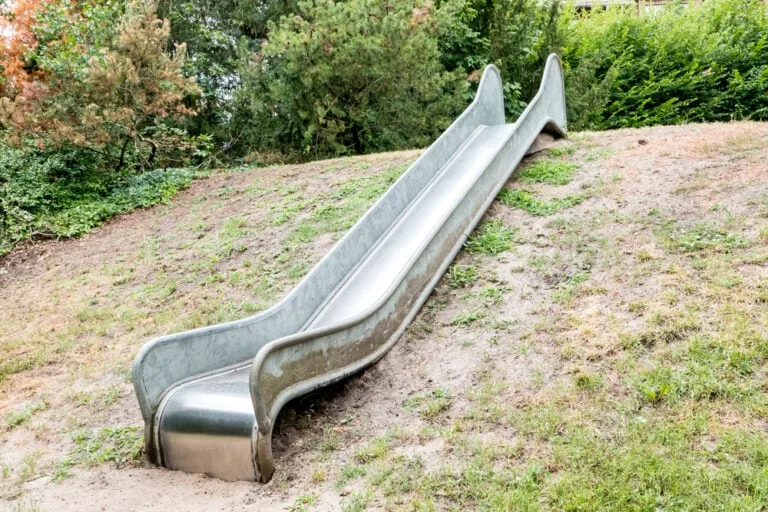
Nothing taught you about heat faster than racing to the playground on a scorching July afternoon and landing on a metal slide that had been baking in the sun for hours. The shock, the sting, and the awkward shuffle down with your legs held in the air became a survival skill. Smart children soon learned to test the slide with a quick touch of the hand before sitting down.
2. Riding Bikes Without a Helmet

In the seventies, a bicycle was how you got everywhere, and safety gear was practically unheard of. Skinned knees, road rash, and the occasional dramatic flip over the handlebars were treated as badges of honour rather than emergencies. The sting of antiseptic on an open graze became a regular part of childhood, and it taught children to judge risks for themselves.
3. Holding the TV Antenna Just Right

Long before streaming, children were the family’s human remote controls and antenna adjusters. Holding the rabbit ears in exactly the right spot while someone shouted “stop right there!” from across the room took patience and a steady hand. Sometimes keeping the picture clear meant standing in an uncomfortable position for the whole show, all for the sake of family viewing.
4. Dialling a Rotary Phone, Digit by Digit
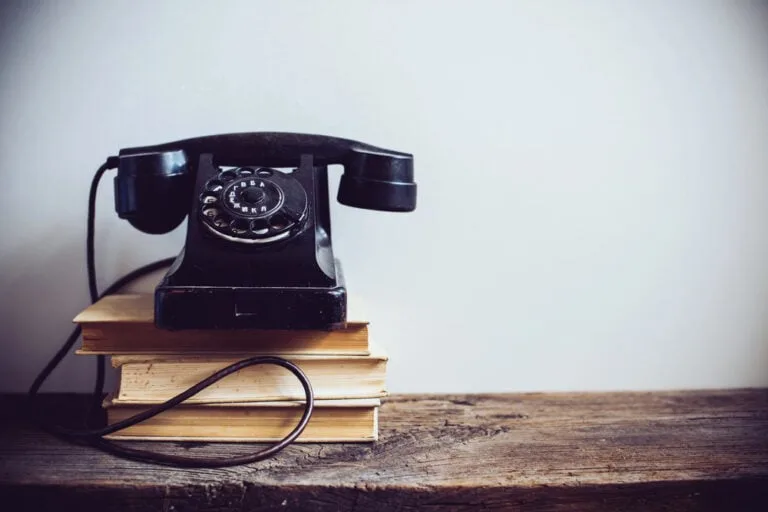
Before speed dial or contact lists, seventies children memorised phone numbers and dialled them one slow digit at a time. Each number meant waiting for the dial to spin back before starting the next, and one wrong digit near the end meant hanging up and starting all over again. It was a small daily lesson in patience that today’s instant technology has completely removed.
5. When the 8-Track Cut Off Mid-Song
Music lovers learned about disappointment when a favourite song suddenly stopped mid-chorus as the 8-track player clicked over to the next track. There was nothing to do but accept it and wait for the song to come around again. Children also learned quick repairs, using a pencil and sticky tape to rescue tapes that jammed or unravelled at the worst possible moment.
6. Saturday Cartoons You Could Not Miss

Children of the seventies learned the harsh truth about scarcity when it came to television. If you missed your favourite Saturday morning cartoon, there was no catch-up, no recording, and no replay — it was simply gone. That taught children to plan their mornings, get up early, and decide which shows mattered most, because the schedule would not wait for anyone.
7. Finding Books in the Card Catalogue

Before search engines, finding information meant mastering the library’s card catalogue. Young researchers flipped through drawer after drawer of alphabet cards, and the Dewey Decimal System became second nature to any child with a school project. It was slow, fiddly work, but it taught real research skills that carried well beyond the library doors.
8. The Danger of Lawn Darts

Few toys sum up seventies childhood quite like lawn darts. These heavy, metal-tipped darts were meant for a garden target game, but they also taught children about aim, distance, and first aid all at once. A dart landing too close gave instant feedback about careful throwing, in a way no warning label ever could.
9. Waiting Days for Your Photos
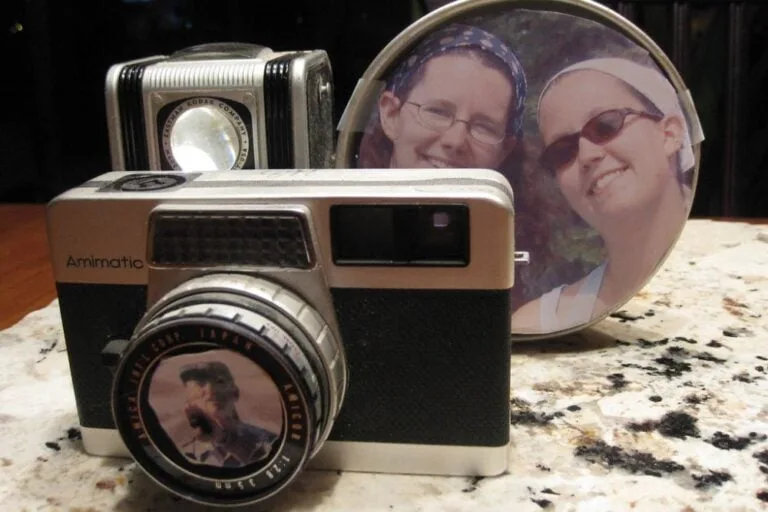
Photography in the seventies taught patience and careful planning, because a roll of film held only twenty-four or thirty-six pictures. Children thought hard about every shot, then waited days for the prints to come back — only to find half of them overexposed or ruined by someone’s thumb in the frame. Digital cameras have made that particular lesson disappear forever.
10. Adding Up the Shopping as You Went

Shopping in the seventies meant doing real sums in your head as items went into the trolley. Children helped their parents add up prices and guess the final total, learning practical arithmetic no classroom exercise could match. Being short at the till was embarrassing enough to make you careful next time — a lesson calculator apps have now taken away.
11. Lugging Encyclopedias Around the House

School projects meant heavy lifting, quite literally, as children dragged encyclopedias from the shelf to the table. The alphabetical layout taught them to gather information in an orderly way and to squeeze the most out of the facts given. If the family could not afford the full set, children learned to borrow the missing volumes from friends — an early lesson in networking.
12. The Hidden Dangers of Shag Carpet

The thick orange, brown, and green shag carpet in seventies homes hid all sorts of surprises. Lost toys, sharp objects, and mysterious stains turned the living-room floor into a minefield that children learned to cross with care. Finding a forgotten building brick with bare feet was a painful reminder to tidy up — no lecture from Mum required.
13. Drinking From the Garden Hose

Summer drinks often came straight from the garden hose, and children learned by trial and error how to drink from it without choking on the pressure. The first attempts usually ended with water up the nose or soaked clothes. The metallic taste, and the odd tiny insect, taught a kind of inspection that bottled water has made completely unnecessary.
14. Untangling the Phone Cord

The family telephone came with a cord that seemed permanently tangled, and children spent ages trying to restore it to its proper length. Trying to find a private corner for a chat while tied to a wall-mounted phone also took real creativity. The limits of a corded phone taught children to keep conversations short and to the point — something unlimited mobiles have largely ended.
15. Planning Your Evening Around the TV Guide

Without recordings or on-demand viewing, children planned their evenings around the TV Guide. Choosing which show to watch when two favourites clashed taught them to prioritise, while missing a key episode taught them to accept small losses. Arguing over the choice with brothers and sisters was an early lesson in diplomacy that streaming has made unnecessary.
Looking back, the freedom and light supervision of the seventies gave children an education in independence that no classroom could offer. Scraped knees, missed cartoons, and tangled phone cords all added up to something valuable: a generation that learned to solve problems, adapt, and get on with life — the hard way.