 By ali4050284
Christmas in the 1950s was a different kind of magic. There were no online wish lists, no decorations in October, and no screens competing for attention. The holidays ran on catalogues and carols, on tinsel hung strand by strand and on traditions the whole neighbourhood shared.
Here are twenty-five traditions that made the holiday season truly magical — and why most of them faded before your grandchildren could experience them.
1. The Sears Wish Book Ritual
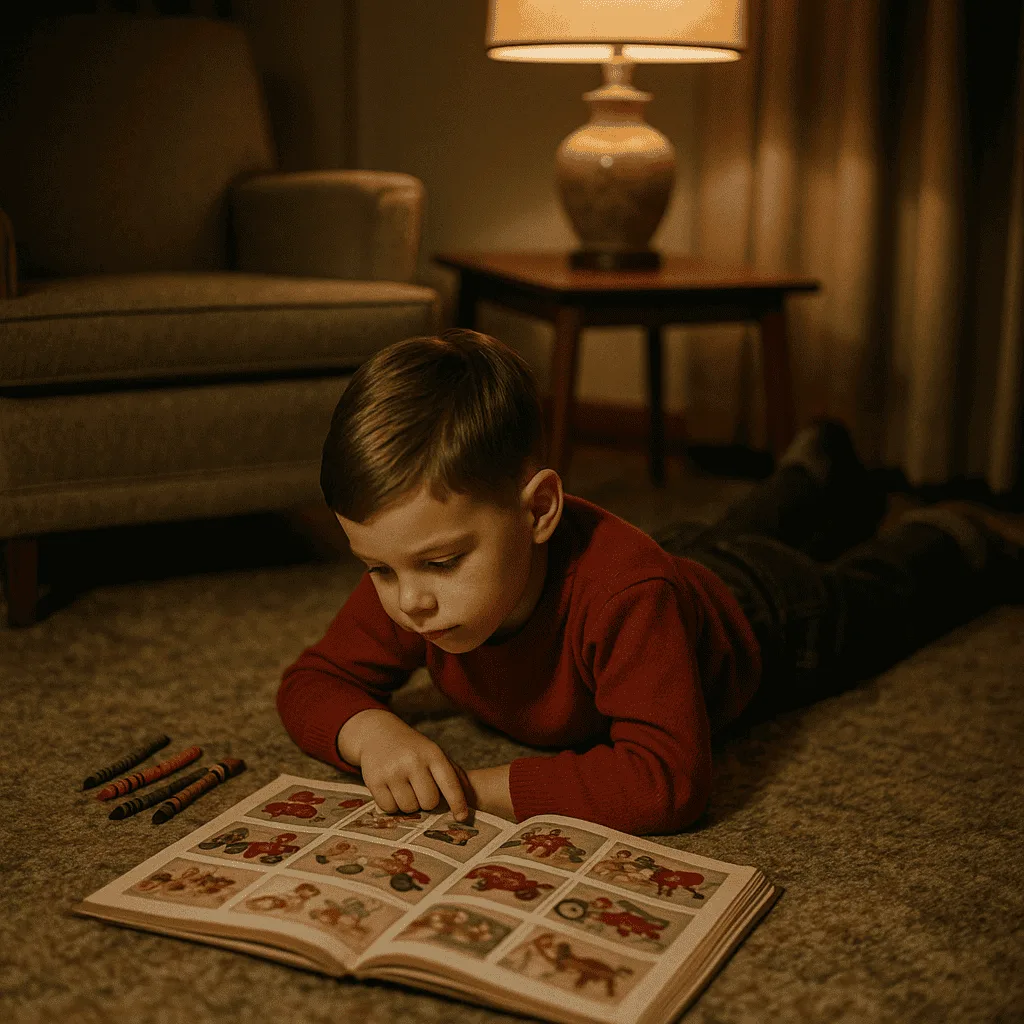
That catalogue was not junk mail. It was scripture. The moment it landed, you dived for the floor with a crayon in hand and circled toys with the intensity of a military strategist planning an invasion.
The Wish Book was not just shopping — it was dreaming on paper. Some families had the Sears catalogue, others swore by Montgomery Ward or the OTASCO toy wish book, but the ritual was the same: fight your siblings over who got to flip through it first, while parents secretly checked those circled pages like spies gathering intelligence.
2. Shimmering Aluminum Christmas Trees
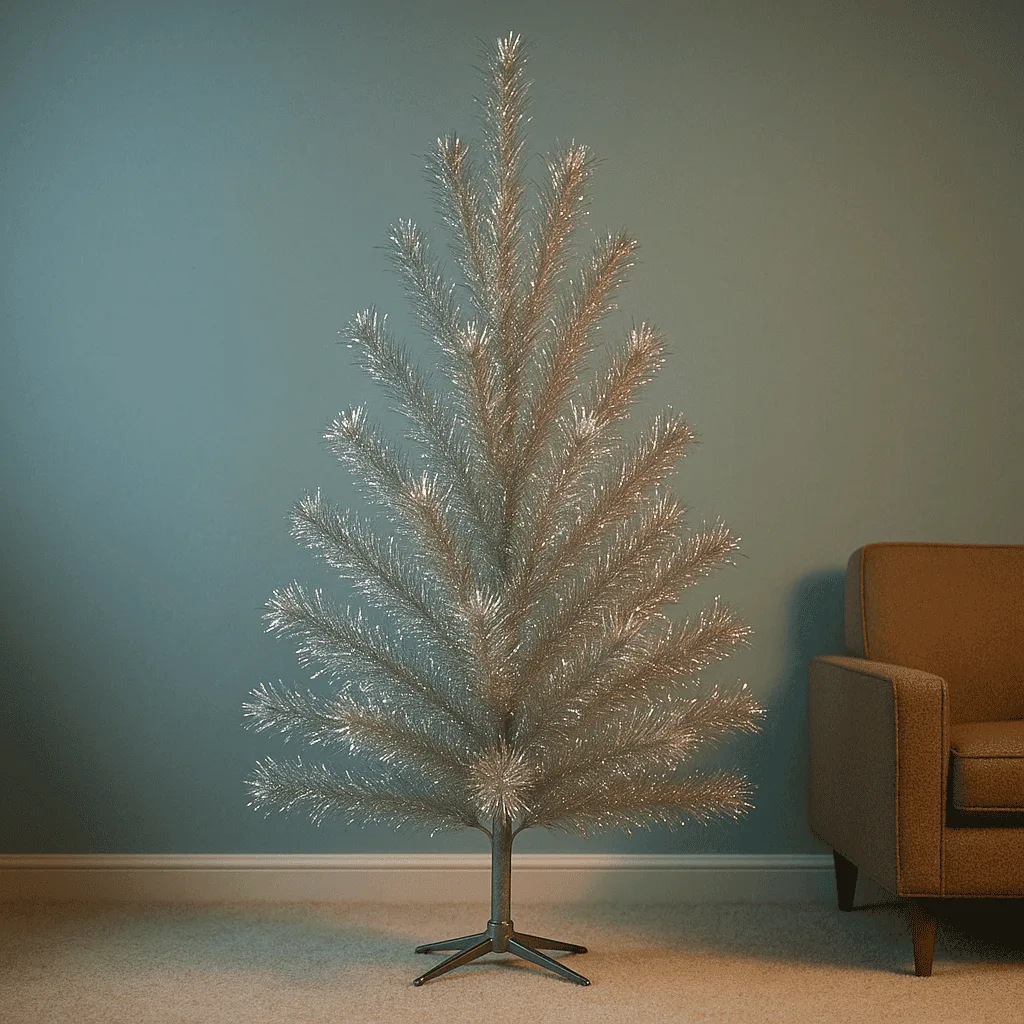
You either loved them or you did not understand the point. That metallic marvel arrived in American living rooms around 1959, and it looked like something from a science fiction film — which was exactly why it worked.
These were not imitation trees. They were improvements on trees. No sap, no bugs, no needles dropping everywhere — just gleaming foil branches reflecting light like nothing nature could produce. The silver ones dominated most living rooms, but some families had pink ones, or gold, or even blue with pom-pom ends on the branches.
3. The Hypnotic Color Wheel

Here is the thing about aluminium trees: you could not put lights on them. Metal and electricity? Bad combination. So you set up the colour wheel instead.
That rotating disc sat on the floor, bathing the tree in shifting hues of red, blue, green and amber every few seconds. The whole room changed colour, and your living room became a slow-motion light show. You remember that distinctive low hum from the motor — the sound of the tree working in the background.
4. Downtown Department Store Pilgrimages
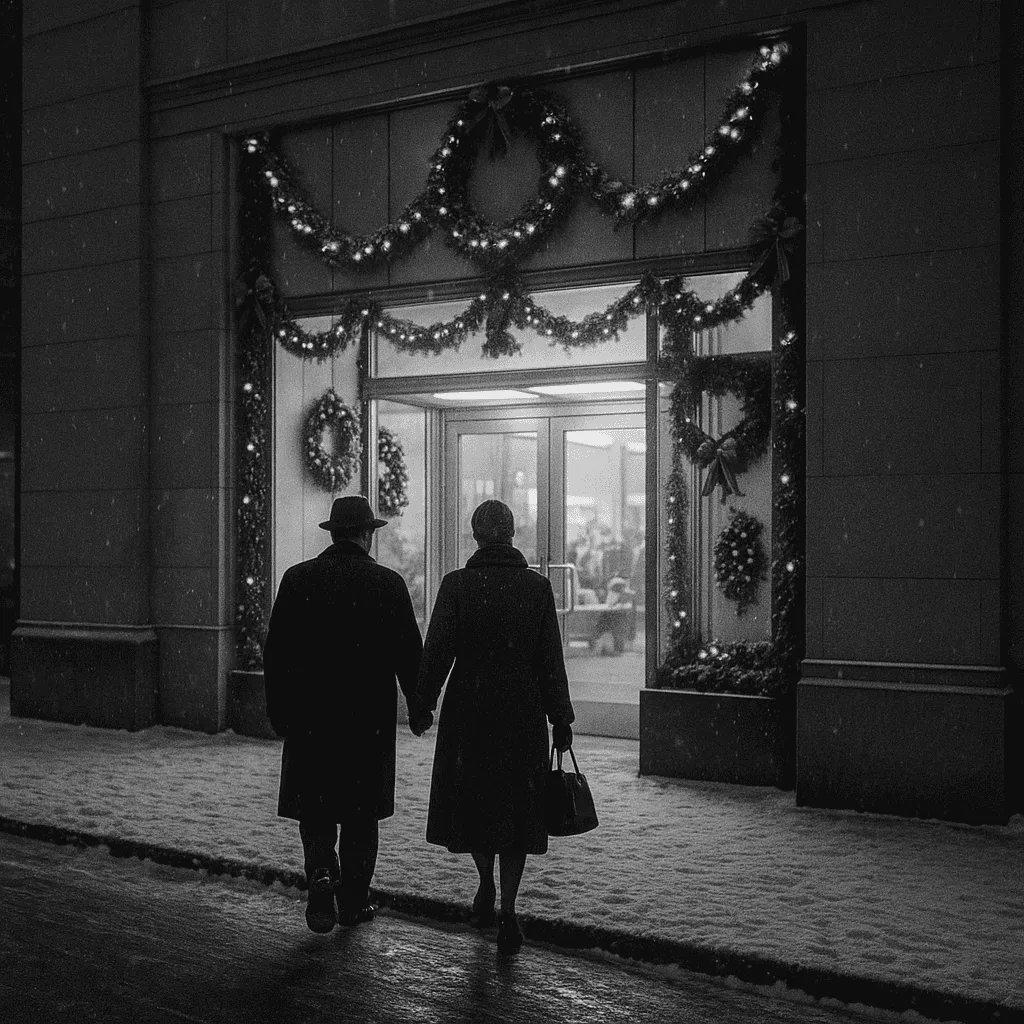
Shopping was not a chore. It was an event. Your family dressed up and made a full day of going downtown, where the stores had transformed into winter wonderlands — elaborate window displays, festive decorations, and that unmistakable aroma of cinnamon and pine filling the air.
Christmas carols echoed through the aisles. You found bargains, you visited Santa, and the whole afternoon disappeared before you knew it. Some of you rode the monorails — Philadelphia children remember the Rocket Express at Wanamaker’s, Atlanta had Priscilla the Pink Pig at Rich’s — and you looked down at all that merchandise from above like royalty surveying a kingdom.
5. Animatronic Window Displays

Before screens stole our attention, shop windows demanded it. You made a specific trip downtown just to view those displays: mechanical elves hammering toys, trains circling miniature villages, animals nodding and waving behind frosted glass.
The whole family bundled up and strolled down Main Street, stopping at every decorated shopfront. Wide-eyed children pressed their noses against the glass while parents pointed out the details. This was window shopping when those words actually meant something.
6. Lead Tinsel That Hung Like Liquid Metal

Modern tinsel clings to everything. It floats, it sticks to the carpet, and it somehow shows up in July. You remember the real stuff. That tinsel — sometimes labelled stanniol on the packaging, though we just called them icicles — draped perfectly straight down like liquid silver.
Too heavy to flutter, too valuable to throw away. Applying it was a meticulous ritual, strand by strand, often taking hours, with the whole family taking part. And when Christmas ended, you carefully removed each strand and saved it for next year. It hung differently, it looked different, and nothing today even comes close.
7. Bubble Lights That Actually Boiled

Static lights? Those came later. You had bubble lights — glass tubes filled with liquid that literally boiled when heated by the bulb below. Streams of bubbles rose frantically through red, blue and green columns.
A tree covered in bubble lights was in constant, chaotic motion. Mesmerising. Hypnotic. Some of you still have a few working ones tucked away somewhere. The modern reproductions just do not bubble the same way.
8. The Christmas Club Savings Account

Credit cards were not really a thing yet. So your family saved all year through a Christmas Club account at the local bank. Starting in January, you deposited a few dollars each week. The bank paid no interest — but that was not the point.
The point was discipline: forced savings for families who knew they would need it come December. In November, the bank issued a cheque for the full amount, just in time for shopping. It felt like found money, even though you had earned every penny of it. That cheque meant Christmas was officially possible.
9. Mr. Potato Head With Real Potatoes

The first Mr. Potato Head did not come with a plastic body. You used an actual potato from the kitchen. The kit just had the face pieces — eyes, ears, nose, mouth — all with sharp little prongs you would stick right into a real spud.
The potato would eventually rot, of course. That was part of it. When the plastic body came later, it felt almost like cheating. Something was lost when you did not have to raid the vegetable drawer first.
10. Tinker Toys and Metal Tonka Trucks
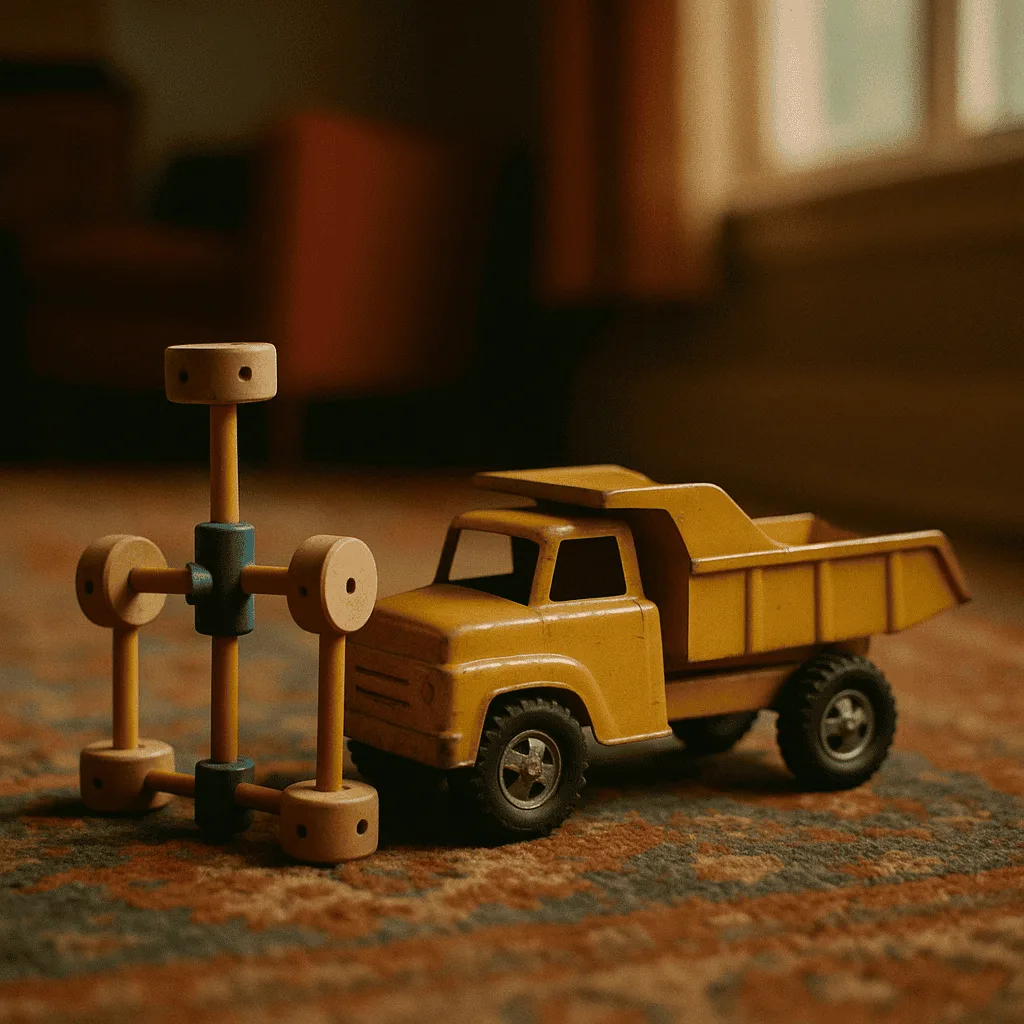
Everything was built to last. Tonka trucks were real metal — not that flimsy plastic that cracks if you look at it wrong. You could stand on them. They would outlast your childhood and still work for your children.
Lincoln Logs, Tinker Toys, Erector sets with actual nuts and bolts, Nylint trucks that could survive anything. These were not disposable. They were investments. Some of you still have pieces somewhere.
11. Lionel Trains Around the Tree
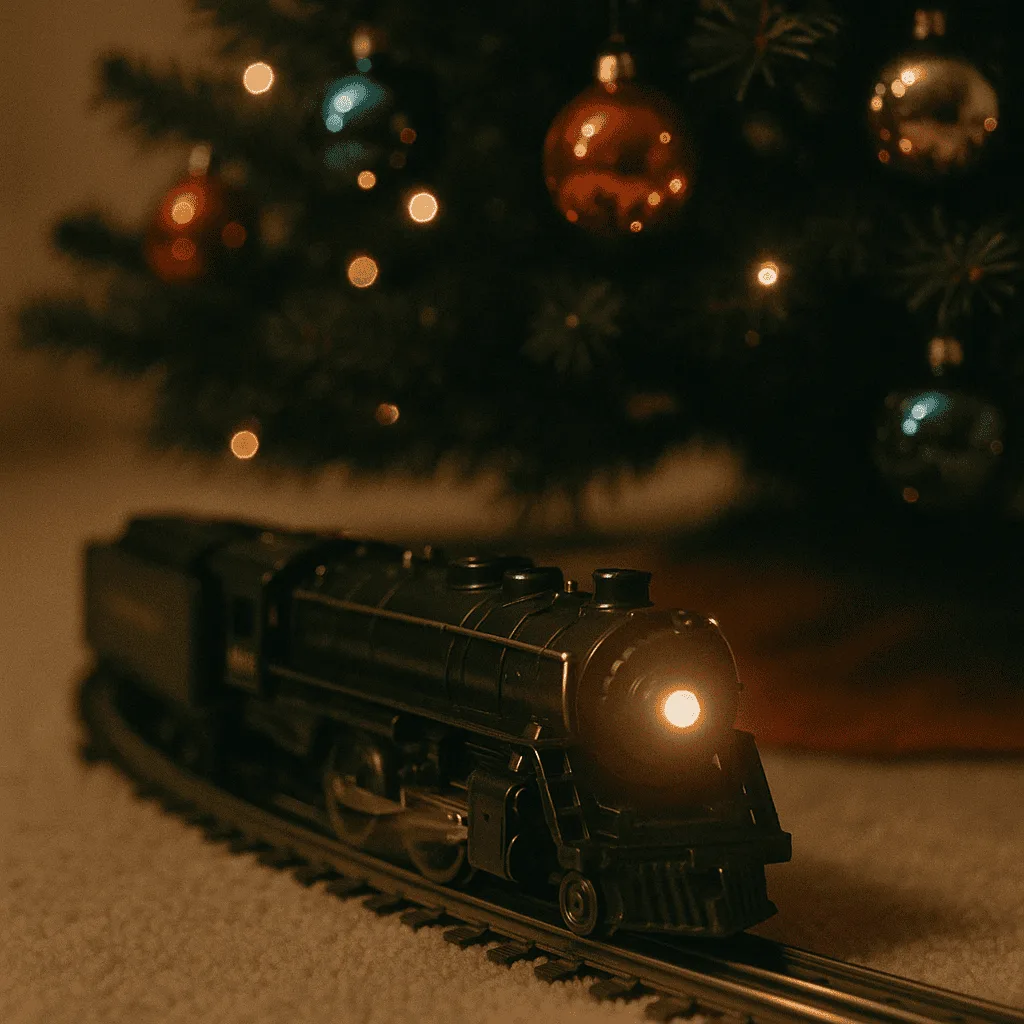
Christmas morning meant one thing for a lot of boys: the train set was finally running. Lionel. American Flyer. Brands that meant something. Your father probably spent hours on Christmas Eve assembling tracks and positioning scenery.
Miniature buildings, bridges, tunnels — the whole operation spread beneath the tree like a tiny perfect world. That little locomotive chugging along carried more than cargo. It carried imagination. Some of you created elaborate layouts that took over entire rooms, and the setup became as much a tradition as the gifts themselves.
12. The Traditional Christmas Feast
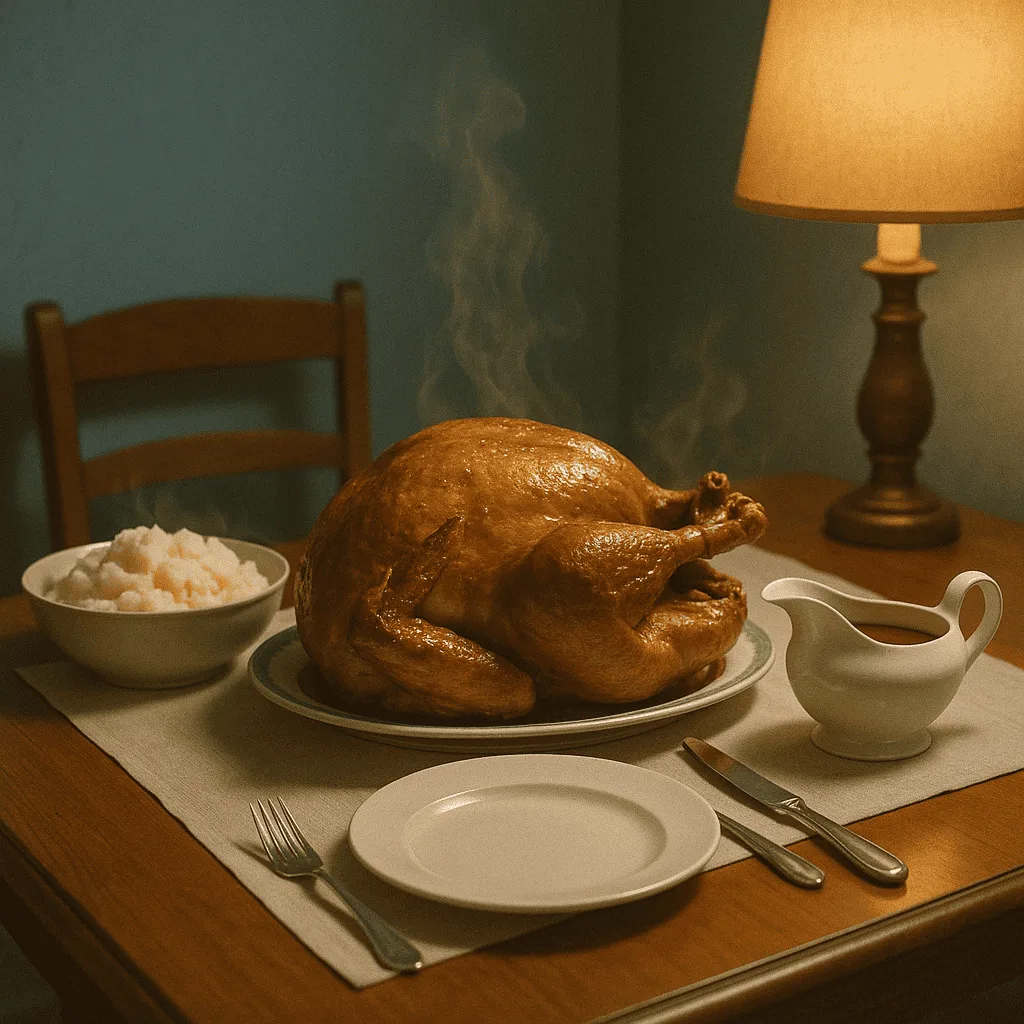
The aroma of roasting turkey and baking pies filled the house all day. At the centre of the table sat a golden-brown turkey or a glazed ham, with mashed potatoes, cranberry sauce, homemade Christmas pudding or an assortment of biscuits for dessert.
The preparation was a marathon. Whoever ran that kitchen performed miracles with limited counter space and a single oven. Some of you still remember Christmas morning as the only day you were allowed to eat biscuits and milk for breakfast. All you wanted. No questions asked.
13. The Jell-O Salad Centerpiece
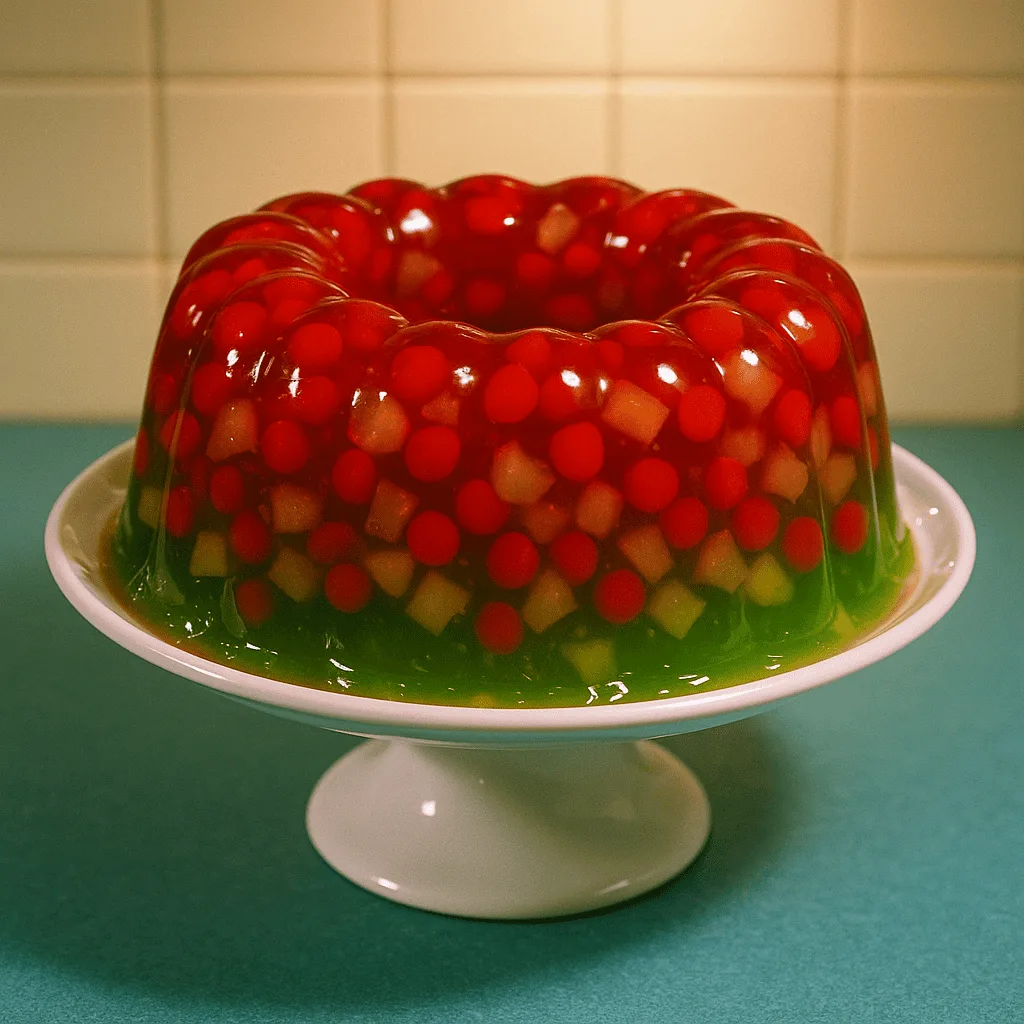
Look, it made sense at the time. That tower of shimmering green jelly — with carrots suspended inside and cottage cheese mixed throughout — was the centrepiece of every potluck and holiday gathering.
Creating these wobbly wonders required skill and timing: you had to know when the jelly was thick enough to hold the ingredients in place but still liquid enough to pour. Lime jelly with cottage cheese and pineapple — a true classic. These dishes symbolised modern living, convenience foods and scientific cooking. Your grandchildren will never understand. And that is probably fine.
14. Oyster Stew on Christmas Eve

If you grew up Catholic in the Midwest, you know. No meat on Christmas Eve meant oyster stew became tradition. A simple dish — milk, butter, and oysters from a tin if you lived far from the coast.
That tin of oysters felt like a luxury item, a link to something special that only appeared once a year. For families in Iowa, Wisconsin and across the heartland, opening that tin meant Christmas Eve had officially begun.
15. Hot Dr. Pepper
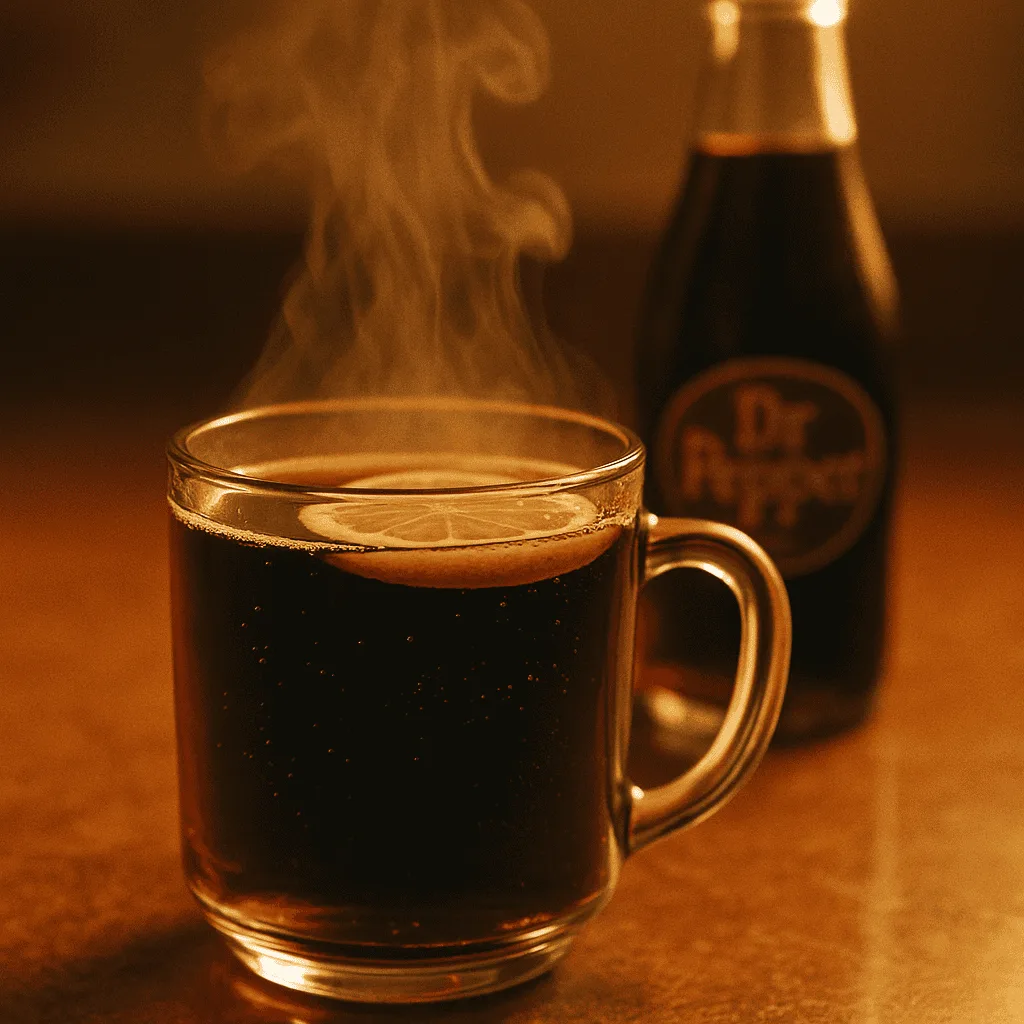
This one might sound strange to anyone who was not there. But during the 1960s, Dr. Pepper ran a whole campaign to make their soda a winter warmer. You heated it in a saucepan — not quite boiling — and poured it over a thin slice of lemon.
They served it at the Cotton Bowl, and families gathered around steaming cups like it was hot chocolate. For those of you in Texas and the Southwest, this might still make perfect sense. The rest of the country has mostly forgotten it ever happened.
16. Midnight Mass
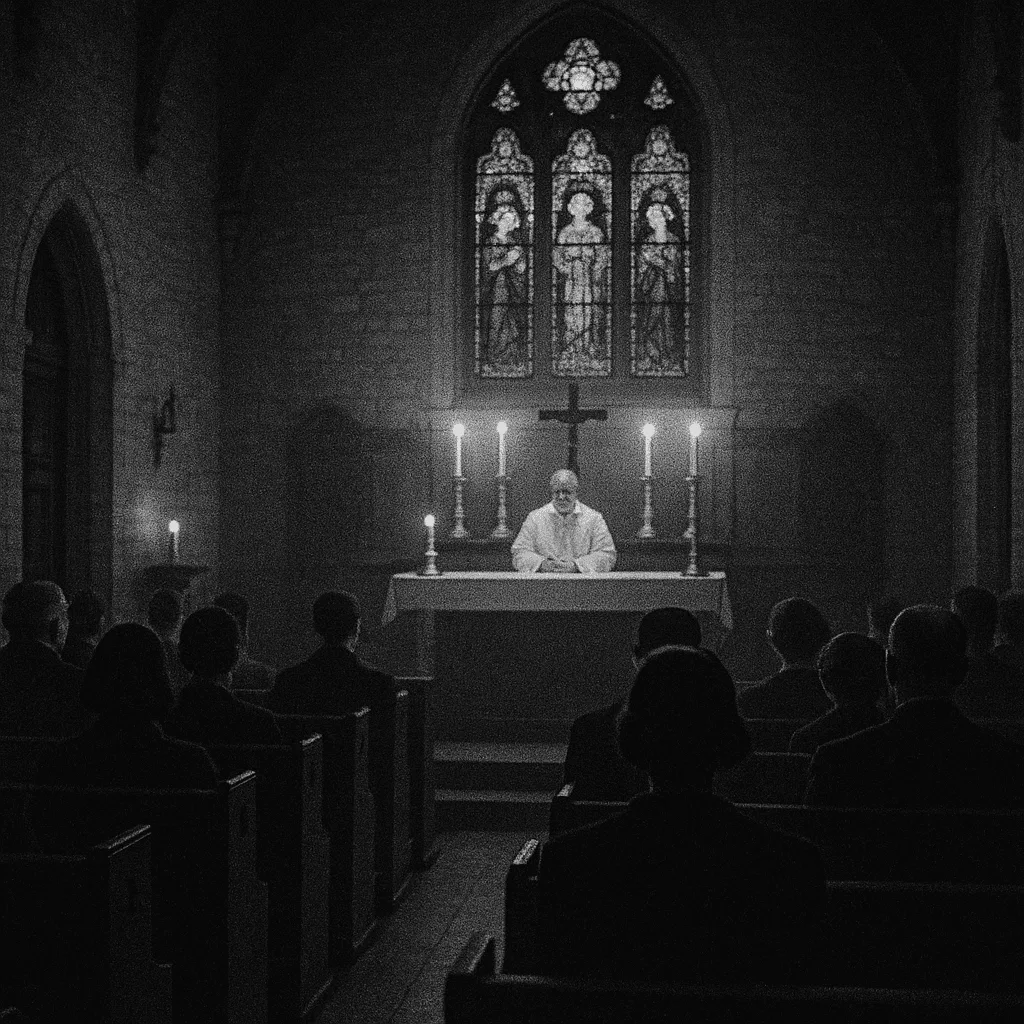
As the clock approached eleven on Christmas Eve, neighbourhoods came alive. Warm lights flickered on. Families emerged bundled in coats and scarves, heading through the chilly night air toward church.
The late service held deep meaning — welcoming Christmas at its very first moment. Candles flickered, incense drifted, familiar carols echoed through the sanctuary. For many families, this was one of the few times each year everyone attended church together. That made it count. After mass, some grandmothers had brunch waiting, and the celebration continued well into the night.
17. Christmas Eve Storytelling

As excited children nestled into bed, parents sat nearby with a well-worn book. The Night Before Christmas by Clement Clarke Moore was the obvious choice. That poem brought Santa’s visit to life, making the magic feel real and immediate.
Some families shared local folklore instead. Others recounted the Nativity story. Many grandparents passed down their own Christmas memories, weaving a tapestry of family history. These bedtime stories served double duty: they stoked excitement for Santa’s arrival while helping children settle down for sleep.
18. Decorating the Tree on Christmas Eve
Some of you woke up Christmas morning to a fully decorated tree. Not because your parents forgot. Because Santa did it. The tree stood bare until Christmas Eve. Then, while children slept, Santa decorated it along with delivering presents.
When you woke up and saw that tree transformed — lights glowing, ornaments sparkling, tinsel draped — that was the magic. It always snowed on Christmas Eve. At least, that is how you remember it.
19. The Andy Williams Christmas Special
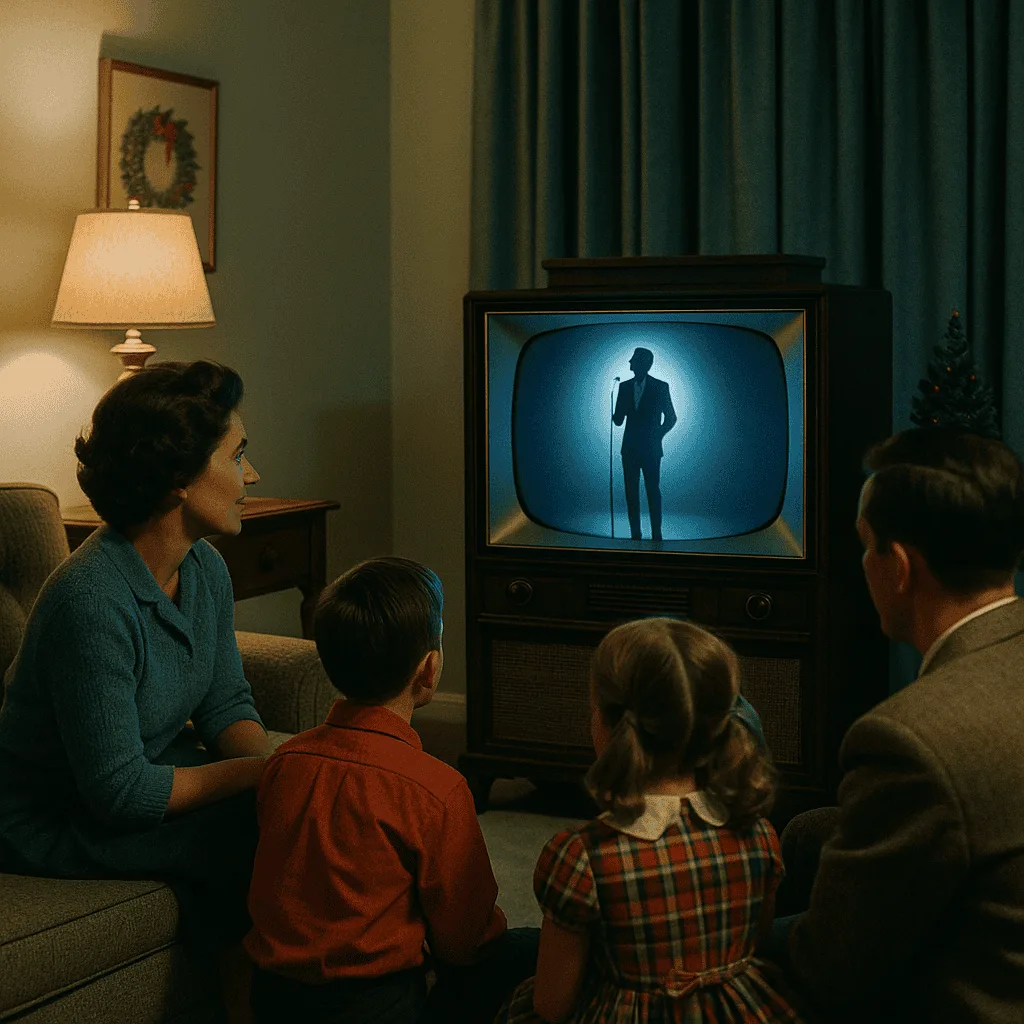
Television brought families together in the living room like nothing else could. The Andy Williams Christmas Show. Perry Como’s Christmas Special. Bob Hope’s shows during the Vietnam era. Children sprawled on the floor, eyes glued to the screen. Parents settled into their favourite chairs.
These programmes were not just entertainment. They were shared experiences. You watched with family, friends, sometimes the whole neighbourhood gathered around one set. Queen Elizabeth’s televised Christmas message debuted in 1957. Even that felt like a family event.
20. Cookie Exchanges Between Neighbours
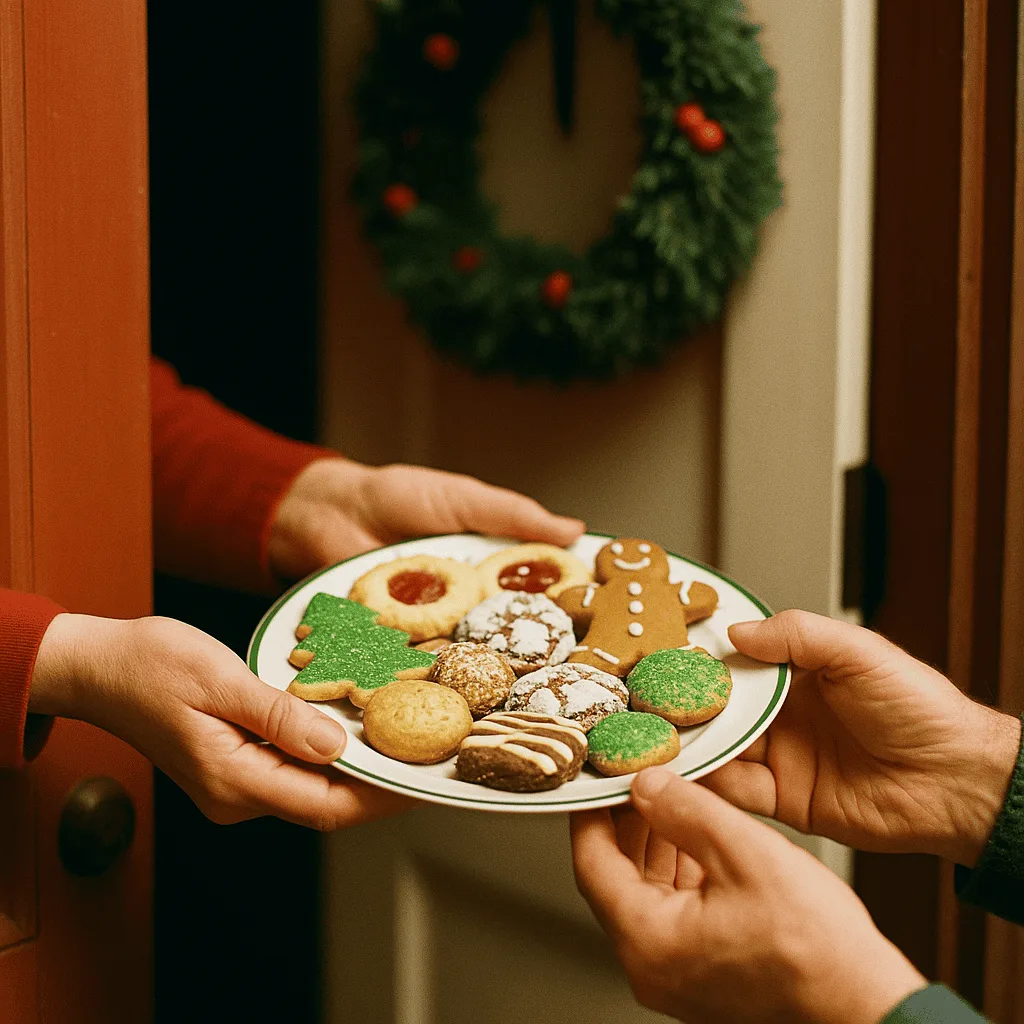
Cookie exchanges let everyone taste a variety of homemade treats without baking them all yourself. As the holidays approached, neighbours prepared large batches of their favourite recipes. On exchange day, everyone arrived with plates piled high — eager to swap and sample.
Classic cutout biscuits decorated with bright icing and sprinkles, gingerbread men, peanut butter blossoms. These gatherings were more than sweet indulgences. They gave neighbours a chance to chat, share recipes, and actually know each other by name. The tradition reflected something that is harder to find now: genuine community connection.
21. Christmas Parades on Main Street

As December approached, excitement built for the parade. Bundled in warm coats, parents and children lined the streets. Some children perched on shoulders for a better view. The air buzzed with anticipation as the first sounds drifted down Main Street.
Colourful floats decorated by local businesses and community groups showcased winter scenes and nativity displays. Marching bands and choirs filled the air with familiar carols. Giant balloons bobbed overhead — inspired by the famous Macy’s parade but belonging to your town alone. For children, the grand finale was everything: when Santa’s float appeared, eyes widened with wonder, and that magical sight solidified every Christmas wish.
22. Decorations Up One Week Before — Down by New Year’s

Christmas decorations went up one week before December 25th. Not the day after Thanksgiving. And they came down through New Year’s Day. Some families stripped everything by December 26th and set it at the kerb.
Others followed the old tradition of Twelfth Night — dragging dried trees to a central location for community bonfires on January 6th. Hundreds of pines piled into pyramids and set ablaze together. The holiday had a beginning and an end. It did not stretch into February.
23. The Wizard of Oz Every Single Year
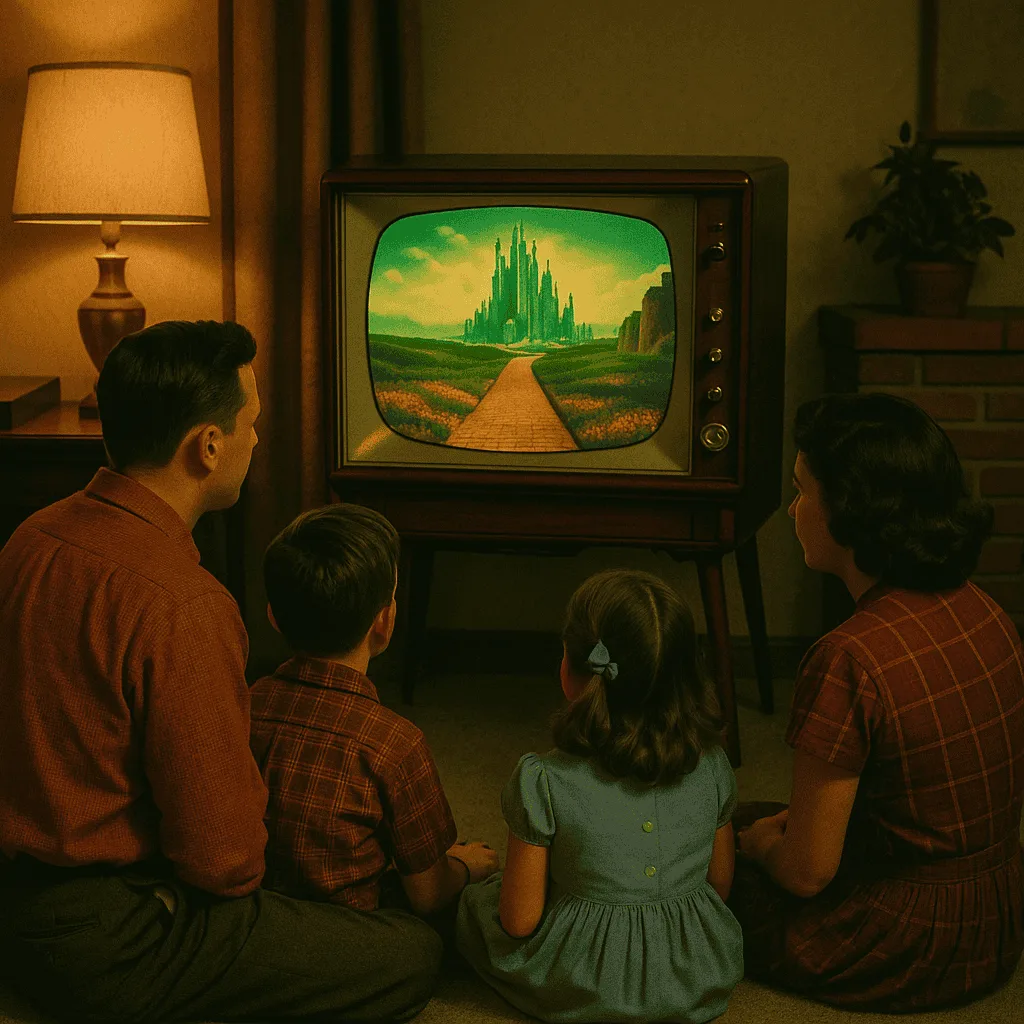
Some films became yearly traditions. The Wizard of Oz started its annual broadcast in 1959 and became appointment viewing for the whole family. Amahl and the Night Visitors aired live every Christmas Eve starting in 1951.
Your family watched these together. Every year. Without fail. The routine mattered as much as the film itself. You knew what was coming, and that familiarity was part of the comfort.
24. Dressing Up for the Holidays

Christmas fashion mattered. Women wore sequined or lace-adorned dresses. Men cut sharp figures in wool suits or sport coats. Even children dressed up — boys in crisp dress shirts, girls twirling in frilly dresses. Reds, greens and golds dominated, while velvet, silk and taffeta added glamour.
Matching family pyjamas for Christmas morning created picture-perfect moments before cameras were everywhere. You did not slouch around in sweatpants on Christmas Day. This was an occasion.
25. Leaving Cookies for Santa

Welcoming Santa became an art form. Cookies and milk were standard. Some families got creative — leaving carrots for the reindeer, maybe a slice of pie. These small offerings showed appreciation for Santa’s hard work.
And they gave parents a late-night snack while assembling gifts. Children tried desperately to stay awake, listening for sleigh bells or reindeer hooves on the roof. They rarely made it past midnight.
What you really remember is not any single tradition. It is the feeling. Shops closed early, things shut down on holidays, and the modern noise that fills our lives today was nowhere to be found.
It really was the most wonderful time of the year. Those traditions shaped who you became — the family gatherings, the rituals, the small moments that added up to something bigger. They deserve to be saved, and remembered, and told again.