 By ali4050284
The 1950s were far from perfect, but there was something about the way families lived then that still makes people pause. One wage could support a household, neighbours knew each other’s names, and children roamed free until the streetlights came on. Here are thirty-five things about family life in that decade that feel almost impossible today.
1. One Factory Paycheck Could Buy a House
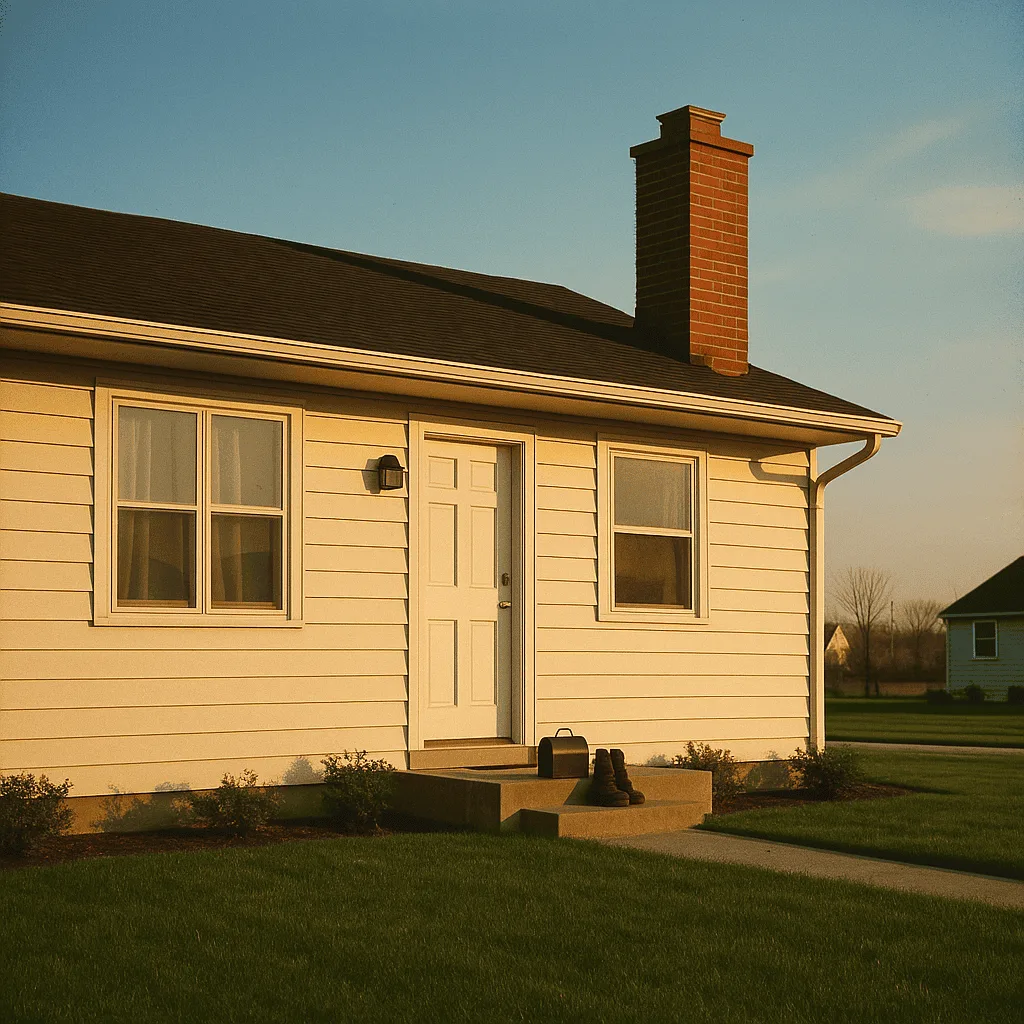
A man working on a car production line could save up, buy a plot of land, and build a home for a family of six. He did not need thirty years of crushing debt — he scrimped, saved, and then actually owned the place. That union card meant job security, fair pay, and the ability to provide without his wife needing to work.
2. Down Payments Were Pocket Change

Families watched their savings grow a little at a time in the bank book, and when they had enough they took out a loan to buy a home. Forty dollars could get you started on the path to owning a house — not forty thousand, just forty. Today that same amount barely fills a petrol tank, and lenders want tens of thousands before they will even talk to you.
3. Mortgages That Cost Less Than a Streaming Bill

A house built in 1956 for about $11,400 came with a monthly payment of $99 on a twenty-five-year loan. Families saved for years to gather the deposit, but once they had it, owning a home was genuinely within reach. Compare that with today’s rents of $2,400 for a basic flat, before bills and internet are even counted.
4. Saturday Shopping Was a Military Operation
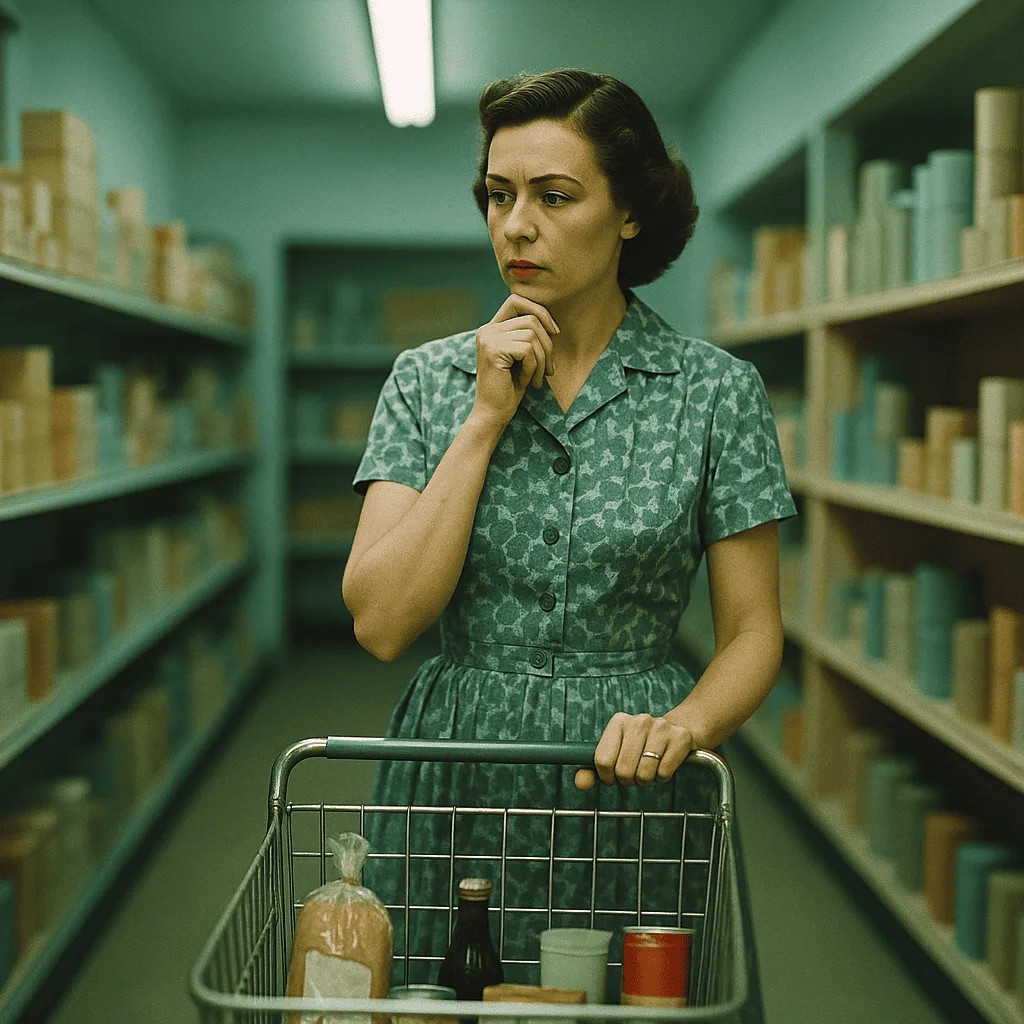
Every Friday evening, wives sat down with the newspaper adverts and compared prices across five different neighbourhood shops. They worked out exactly which store had the best meat, the freshest vegetables, and the lowest prices on basics. Saturday morning meant visiting several shops to stretch every dollar, because feeding six mouths took a huge share of the budget.
5. Fresh Food Arrived at Your Door
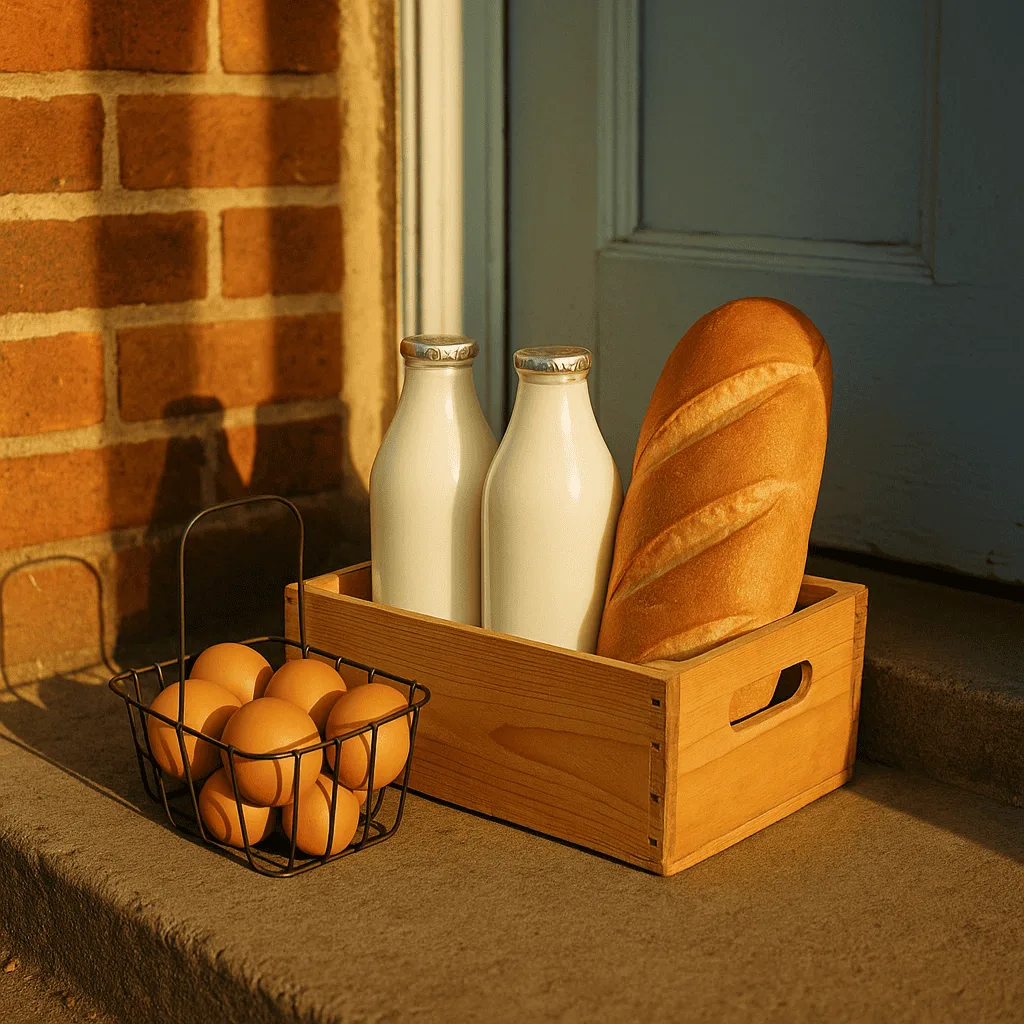
Milk, butter, and cream arrived fresh every day, left right on the doorstep by a milkman as reliable as sunrise. Bread came from the bakery van, and ice for the icebox was delivered too. Nobody worried about parcels being stolen from the porch — the biggest concern was getting everything inside before it warmed up.
6. Doctors Made House Calls
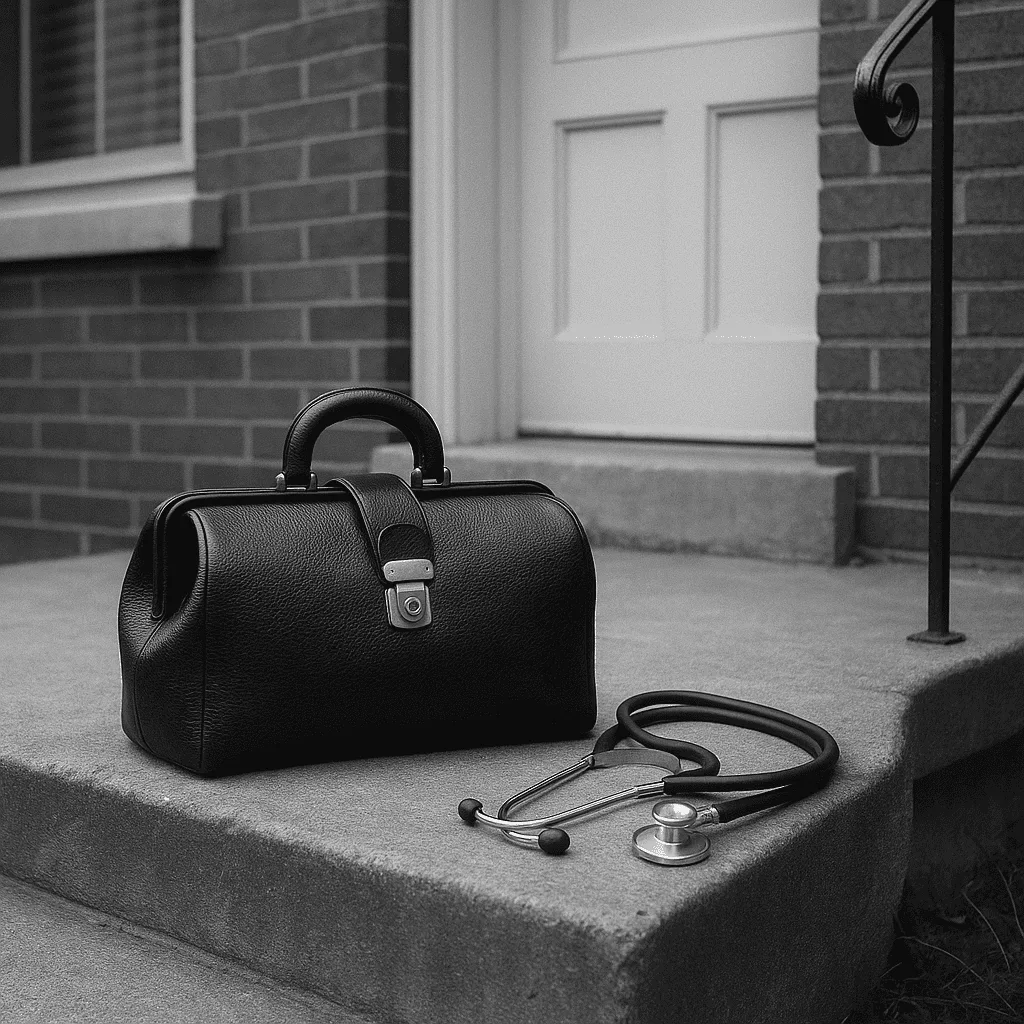
When a child fell ill or Dad had an accident at the plant, the doctor came to you. He would arrive with his black bag, examine you in your own bedroom, and leave clear instructions for your care. There were no three-hour waits in crowded waiting rooms and no forms to fill in seventeen times — just a trusted professional who knew your family.
7. One Parent Could Stay at Home
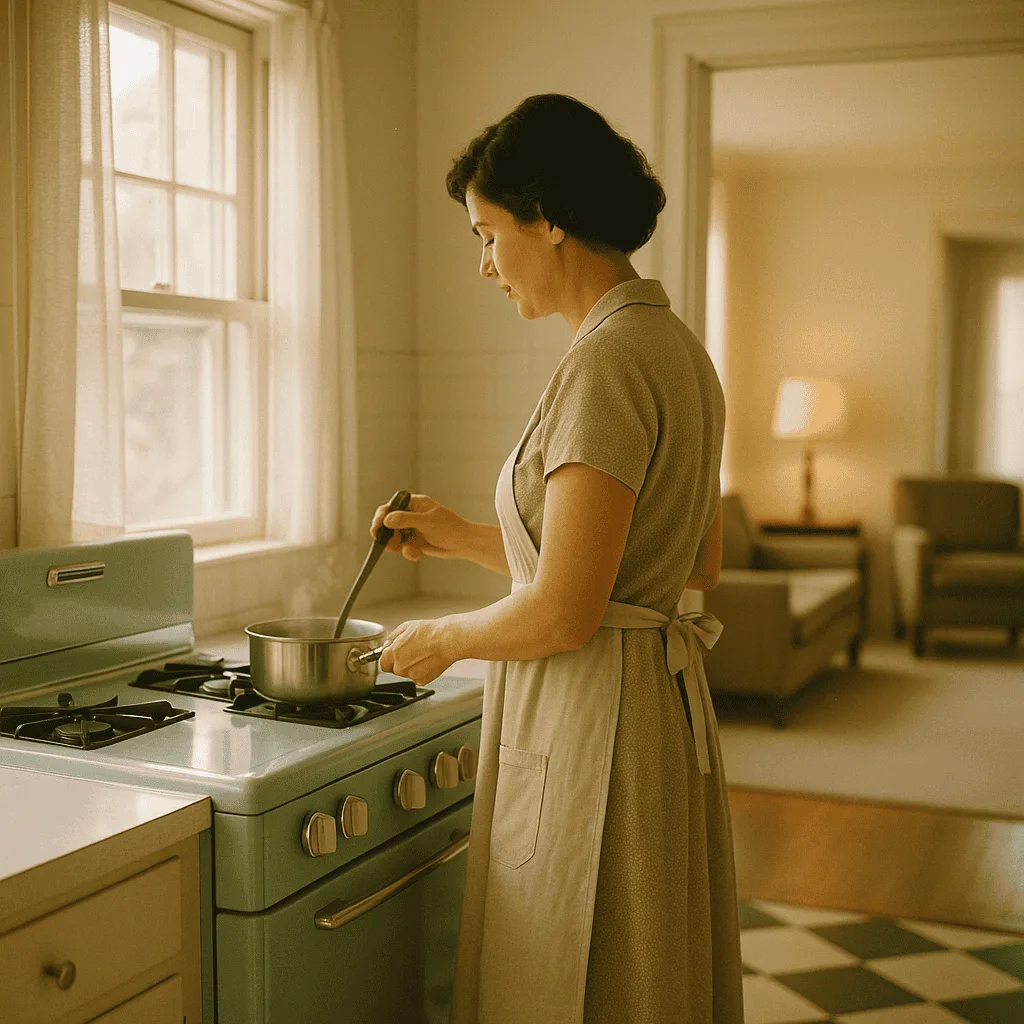
Mothers ran the household full-time, cooking three meals a day from scratch, sewing clothes, and managing the entire home, without anyone suggesting they were wasting their potential. The maths actually worked for a single-income family: one factory wage covered the mortgage, the car, the food, the bills, and raising four children. Keeping a home and raising children was recognised as real work that mattered.
8. Everyone Dressed Up for Everything
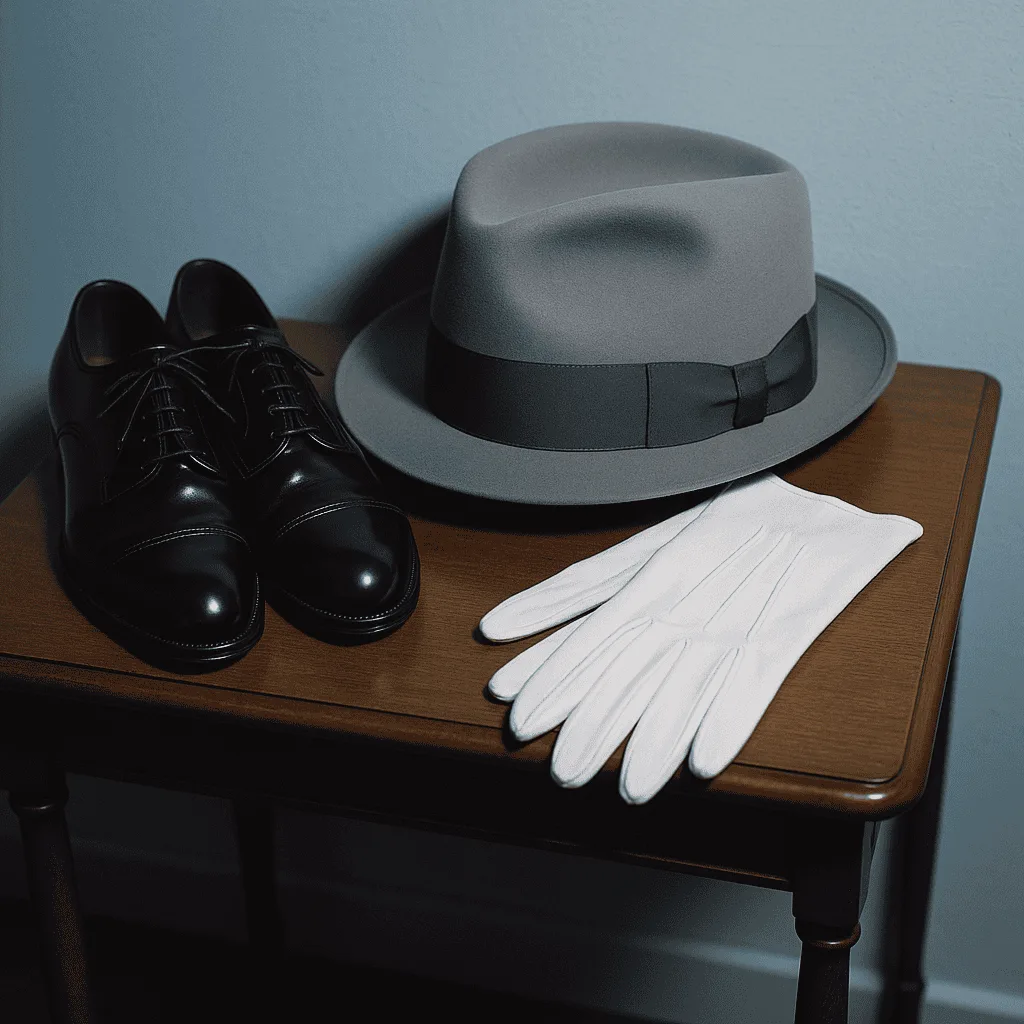
Men wore shirts and ties just to play cards with the neighbours, and women would not dream of leaving the house without their hair done, a proper dress, and heels. Even fishing called for smart clothes — long sleeves, a tie, and polished shoes. Today people wear pyjamas to the shops, but back then looking presentable was a matter of respect.
9. Saturday Night Card Parties Were the Social Scene
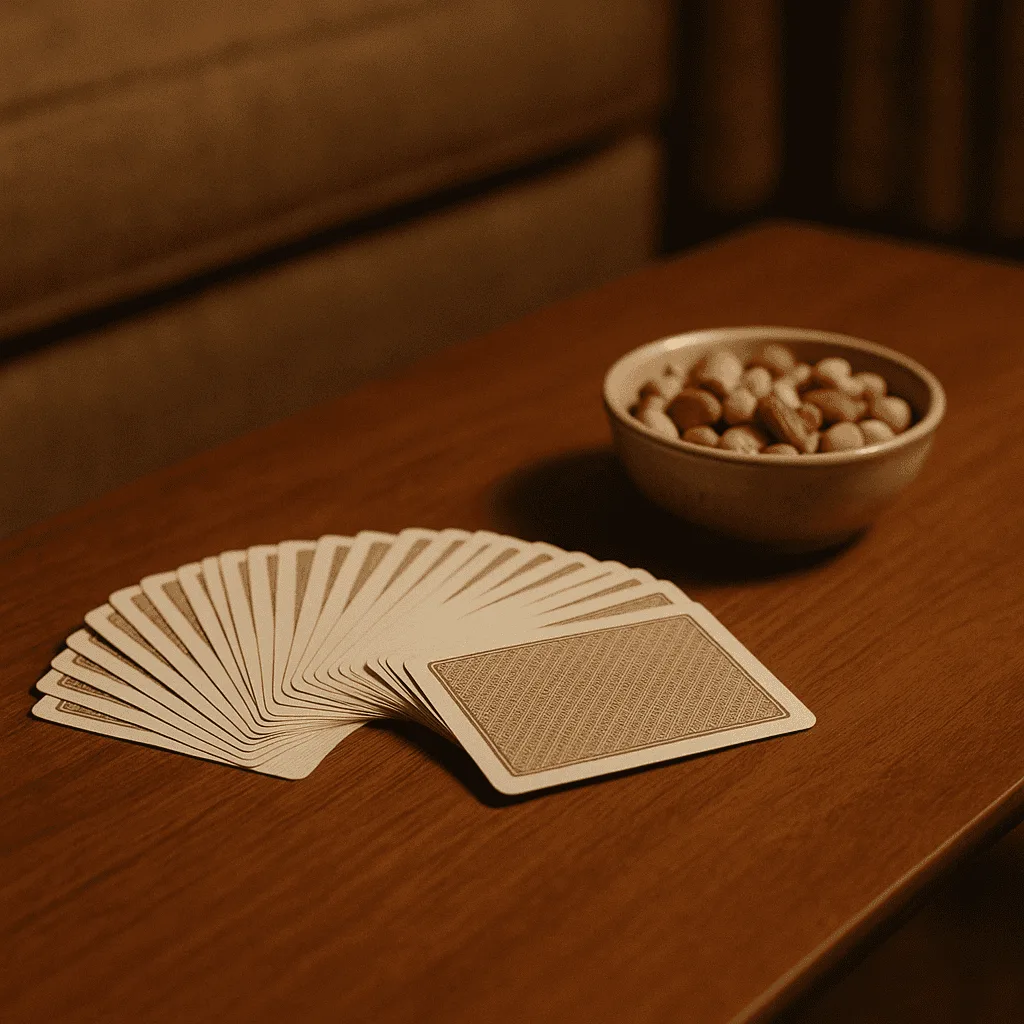
Neighbours crossed the street in their best clothes to play cards and actually talk to one another. Couples from a few houses down gathered in someone’s living room, with no phones in pockets and no scrolling through feeds. They kept it up for years because it worked — real people, in the same room, enjoying each other’s company.
10. Children Played Outside Until Dark

There were no playdates and no scheduled activities — just “be home when the streetlights come on.” Twelve-year-olds rode their bikes fifteen miles from home and nobody called the police. Children sorted out their own problems, handled scrapes and arguments, and made it home in one piece.
11. Getting Lost Was an Adventure, Not a Crisis
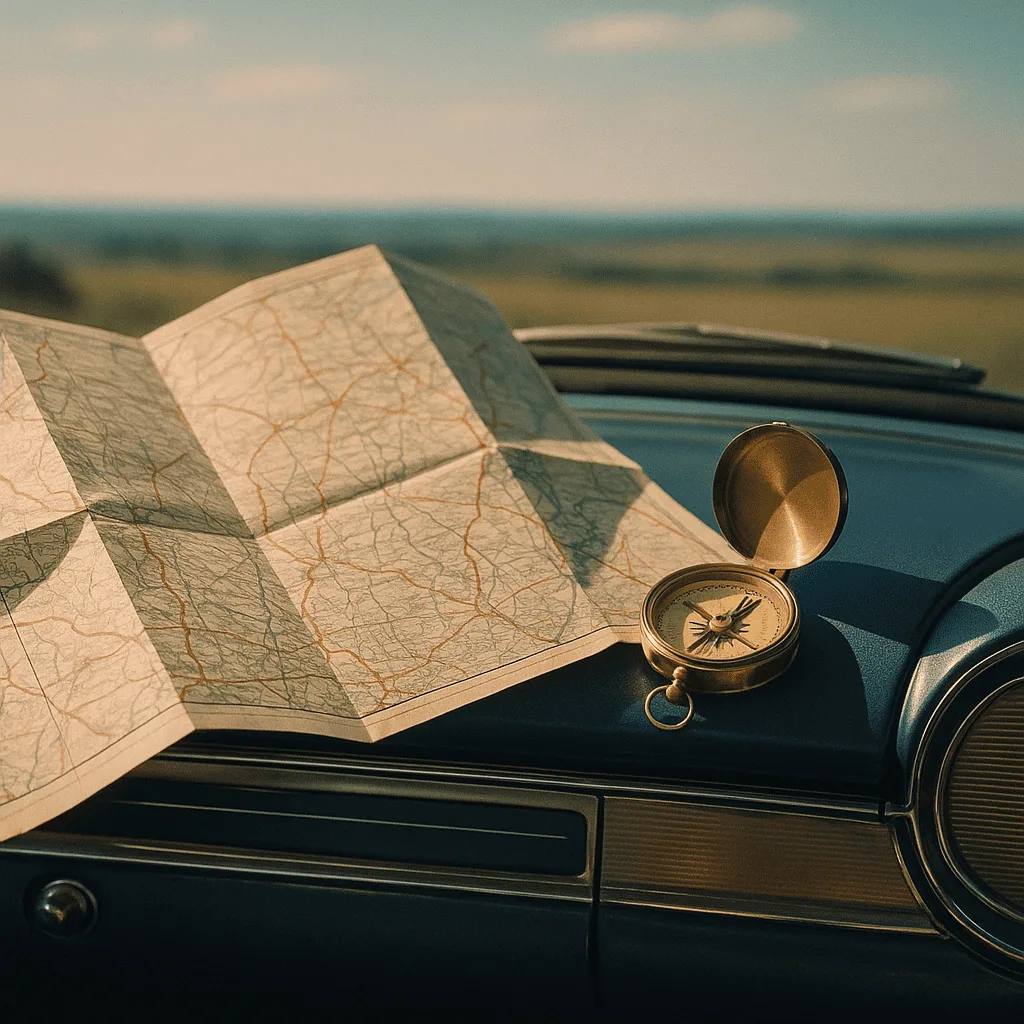
Six twelve-year-olds once got so lost in a neighbouring town that they had to swallow their pride and ask a policeman for help. They begged him not to tell their parents — not from fear, just embarrassment. The officer rang his brother, who turned up with a lorry and gave them all a twenty-mile lift home, and the parents never said a word because the embarrassment was lesson enough.
12. Doors Stayed Unlocked
Cars sat in driveways with the keys in the ignition, and house doors were not locked until bedtime — if then. People walked straight into neighbours’ homes calling out a greeting as they entered, with no need to knock or ring ahead. The best security system was a watchful neighbour who saw everything and would tell your mother before you even got home.
13. Homework Came Before Play

Children came straight home from school, changed out of their school clothes, and sat down to do their homework — no arguments, no bargaining. Only after the homework was checked and the clothes hung up properly could they go outside to play. With barely any television to distract them, children did what needed doing first and then earned their freedom.
14. On Sundays, Everything Closed
Shops shut by law on Sundays — no groceries, no errands, no shopping at all. Sunday was for church and family, full stop. Families went to services, came home to a big meal, and perhaps visited relatives, and somehow everyone managed without emergency shopping trips. People planned ahead, and it worked.
15. The Whole Street Knew Your Name
You could not get away with anything, because the neighbour three doors down would tell your mother before you made it home. Everyone looked after everyone else’s children as if they were their own. If someone went into hospital for a month, the neighbourhood paid their bills and bought groceries for the family — not as charity, but simply as what neighbours did.
16. Unions Actually Protected Workers
Shop stewards sorted out complaints right there on the factory floor, taking grievances to the foreman and settling most problems quickly and fairly. That union card meant decent wages, job security, and real protection at work. The union and the management actually worked together instead of constantly fighting each other.
17. Hand-Me-Downs Were the Norm
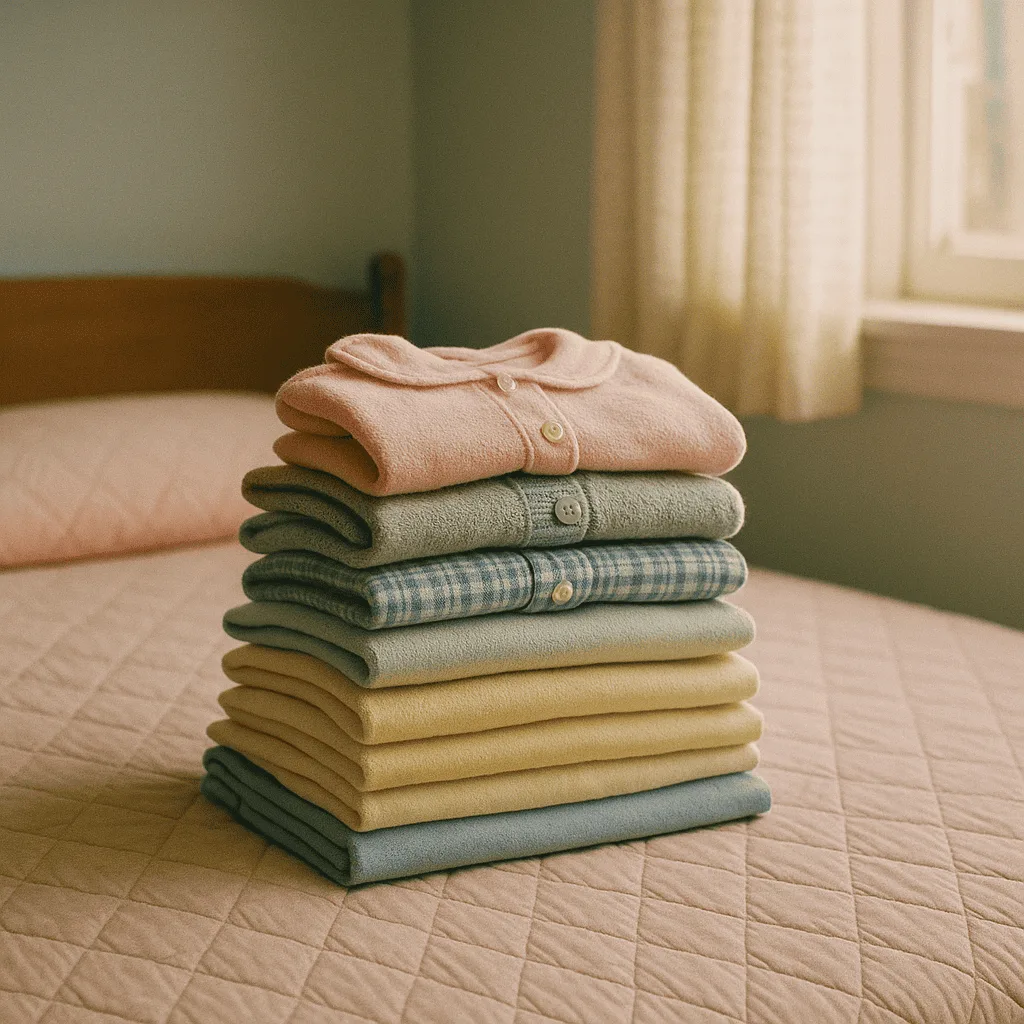
Children shared bedrooms — two, three, sometimes four to a room — and wore each other’s clothes without complaint. New toys arrived twice a year, at birthdays and Christmas, and your older sister’s dress simply became your dress. Nobody felt deprived, because everyone did it, and imagination filled in the gaps the rest of the year.
18. One Television, One Phone, One Bathroom
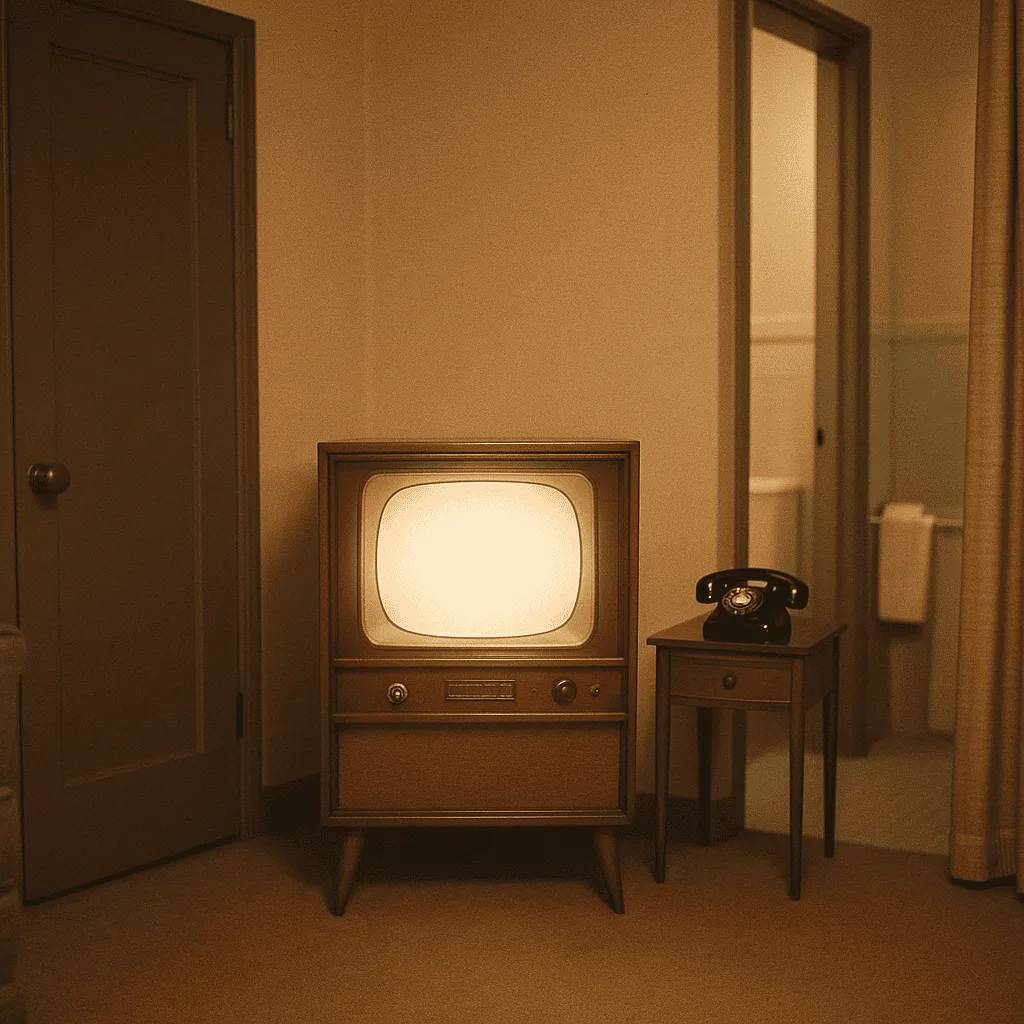
Families of six shared a single bathroom and thought nothing of it. Houses were often under a thousand square feet — three bedrooms, one bath, and a small kitchen. One phone served the whole family, often a party line shared with neighbours, and one black-and-white television offered three or four channels. Nobody felt they needed a media room or walk-in wardrobes.
19. School Clothes and Play Clothes Were Different Things
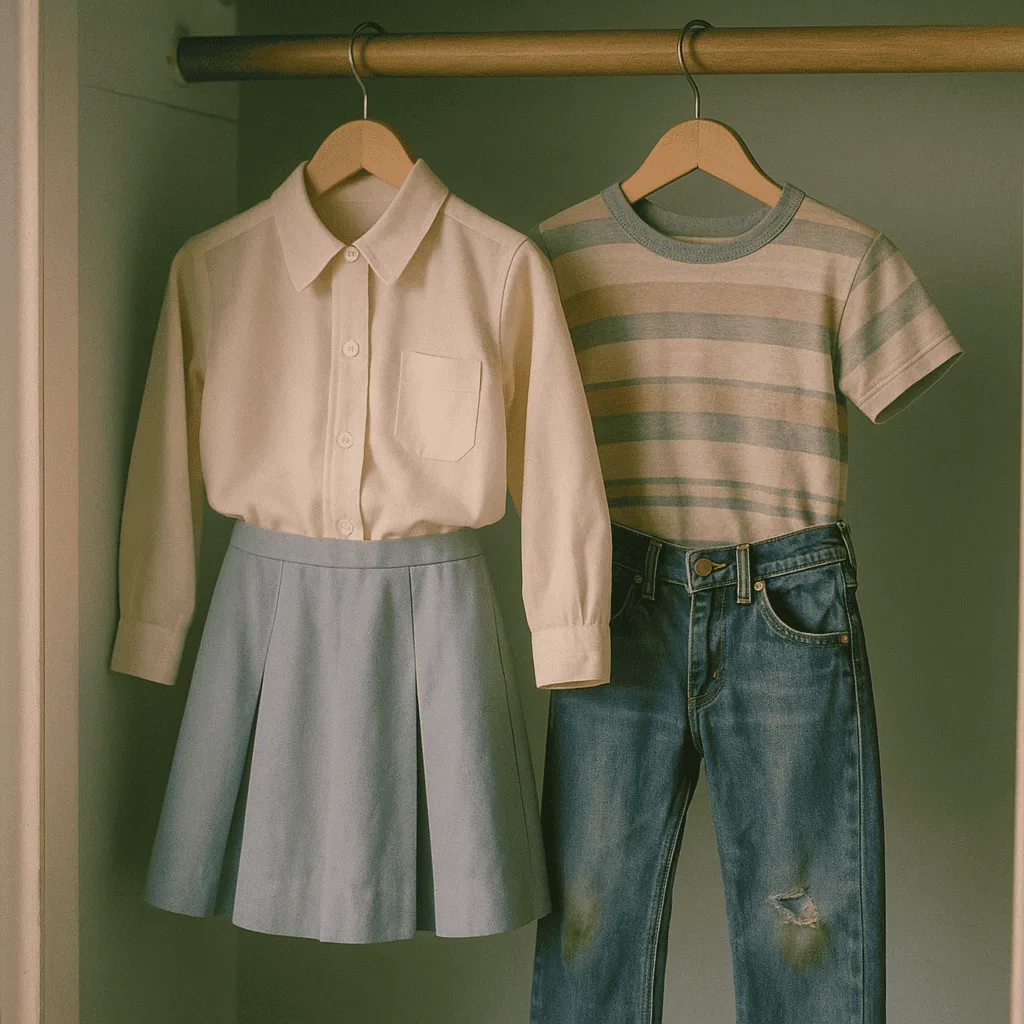
You protected your good outfits like they were made of gold, because in a way they were — parents could not afford to replace them more than twice a year. The first thing you did after school was change into play clothes, and the school clothes were hung up properly to keep them smart. Girls even wore dresses or skirts until they left school, with shorts underneath so they could still play.
20. The Lawnmower Had No Engine
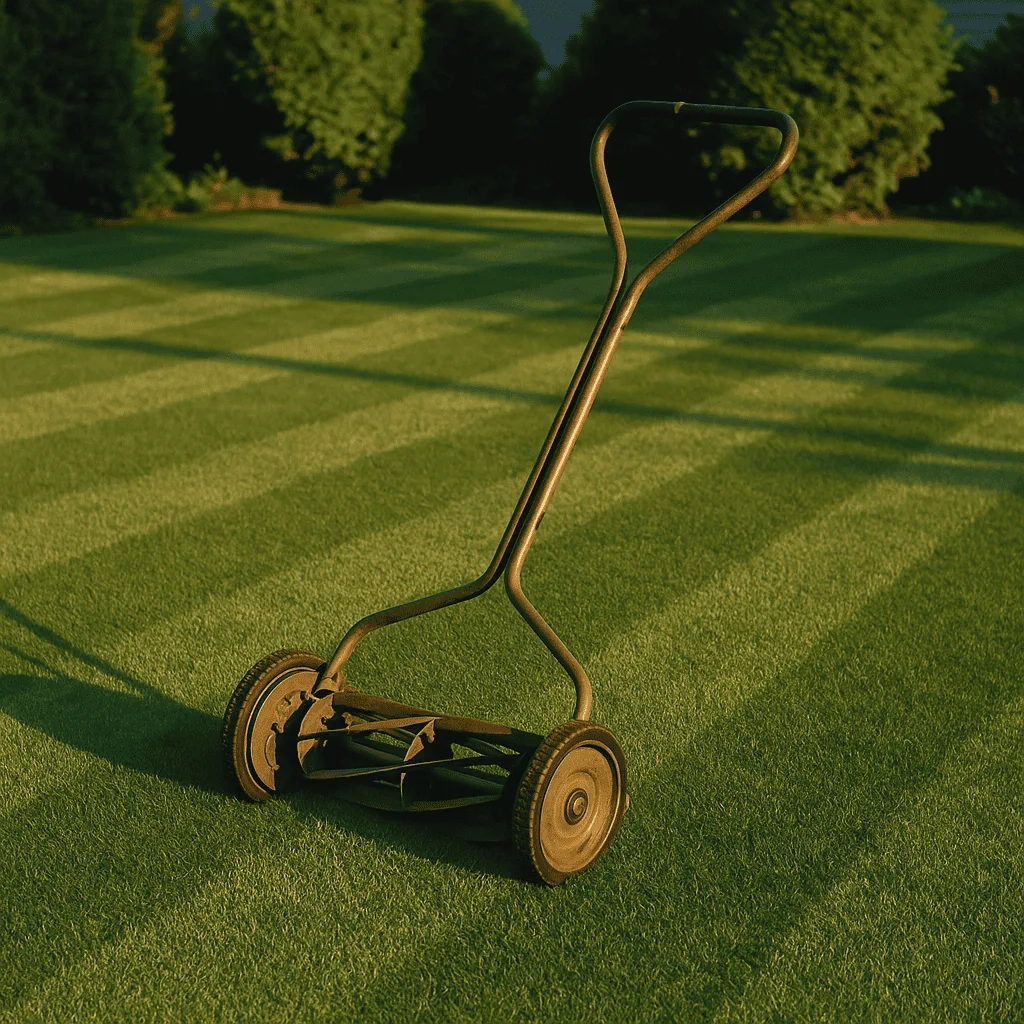
Push mowers ruled the suburbs — no petrol, no electricity, just human power and determination. Men worked up a sweat keeping the grass looking sharp, and neighbours would lend theirs if yours broke down. That hand-pushed mower kept the grass velvety soft, but it certainly took some muscle to get the job done.
21. Laundry Was an All-Day Monday Event
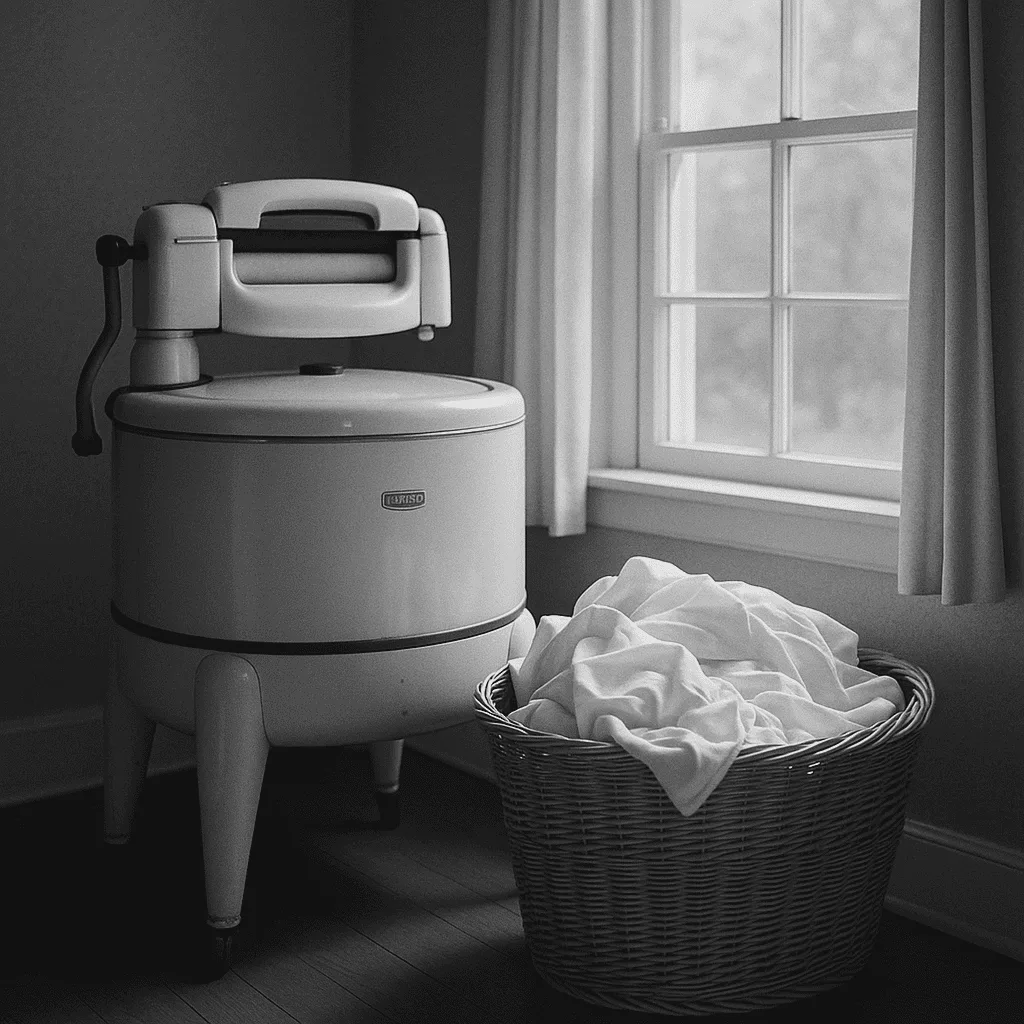
The washing machine had wheels so it could be rolled to the sink, with a hose to connect it to the tap, and electric rollers on top squeezed the water out of the clothes. Everything was hung outside on the line, except in winter when it went down to the basement. Tuesday was ironing day, and laundry was never a matter of throwing things in and forgetting them — it was proper work.
22. Gardens Fed Families

Back gardens grew tomatoes, corn, onions, green beans, and blackberries along the back fence. Mothers checked the cupboards and planned the week’s menus before writing the shopping list, and many families bottled fruit and vegetables to stretch them through winter. The garden was not a hobby — it was part of survival and careful budgeting.
23. The Neighbourhood Shared What It Grew
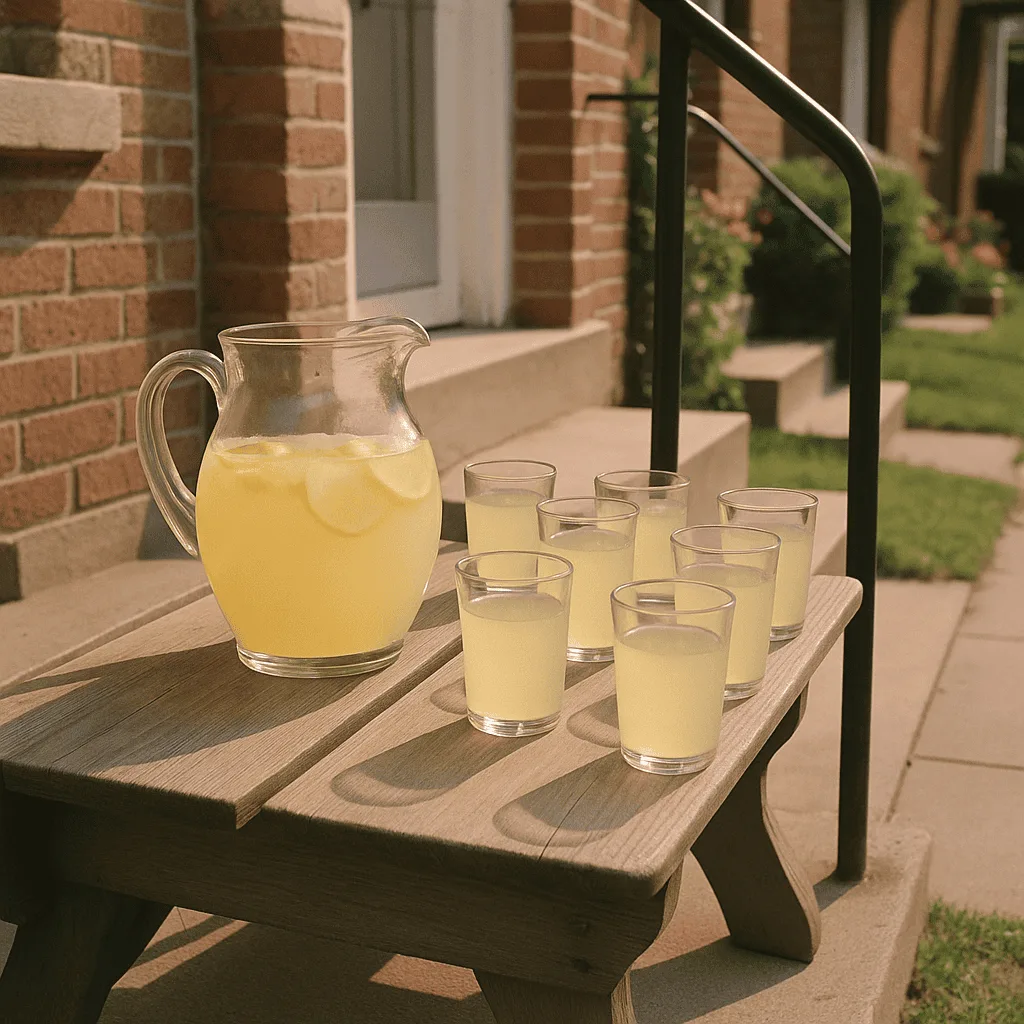
One garden had the best strawberries, another grew wonderful rhubarb, and someone else had cherry trees and the juiciest tomatoes. Children wandered from garden to garden, picking and eating fresh food as if it belonged to everyone. Nobody called it trespassing — the neighbourhood raised its children together, and sharing what you grew was part of that.
24. Penny Poker Was the Best Entertainment

Grandparents hosted enormous Sunday dinners for the whole extended family, and after the meal came the card games. Adults played penny poker, dominoes, or bowls, while children ran around catching fireflies. The stakes were tiny, but the memories lasted forever, and family time was simply what Sundays were for.
25. Twenty-Five Cents Was a Week’s Pocket Money

Children earned a quarter every two weeks, when Dad got paid — not weekly, not daily, but every fortnight. That money had to cover sweets, a ball and jacks, or maybe a box of candy, or you could pool it with a sister’s share to buy paper dolls together. Parents raised three children on one income by being disciplined and careful with every cent.
26. Work Injuries Did Not Mean Bankruptcy

When Dad hurt his hand at the plant, someone rushed him to the infirmary for quick treatment — the best care available, without delay. Workmen’s compensation and company insurance meant accidents did not destroy families financially. X-rays, treatment, and time off work were all covered, so a broken hand never meant worrying about medical bills while you healed.
27. Teachers and Parents Were on the Same Side

When a child struggled with arithmetic and brought home a note from the teacher, Mum went down to the school for a face-to-face chat. Teacher and parent worked together to help the child succeed, and two weeks later the good news arrived — the child was catching up with the class. There were no lawyers and no angry emails, just adults solving problems for children.
28. Community Actually Meant Something

When someone fell ill and spent a month in hospital, neighbours paid their bills, did the shopping, mowed their lawn, and washed their car. Nobody organised it on social media — people simply turned up and helped. If you needed something, the neighbours provided it, and if they needed something tomorrow, you returned the favour. That was just normal life.
29. Children Learned Life Skills Young
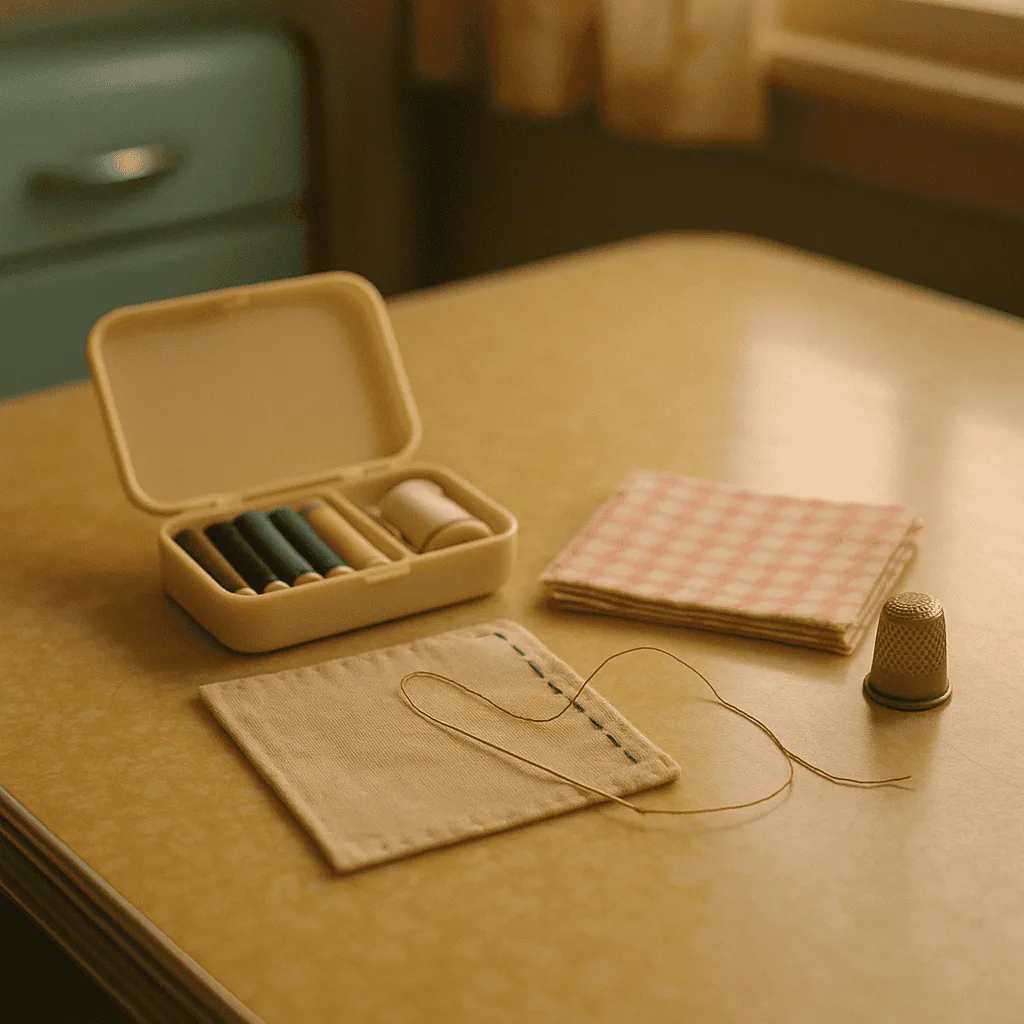
Eight-year-olds did laundry and cooked proper meals, and nine-year-olds looked after younger brothers and sisters after school, making sure they were fed and put to bed. Eleven-year-olds knew first aid, and police officers visited schools to teach children how to stay safe at home alone. Independence was not a buzzword — it was simply how life worked.
30. Crime Existed, But Fear Did Not Rule
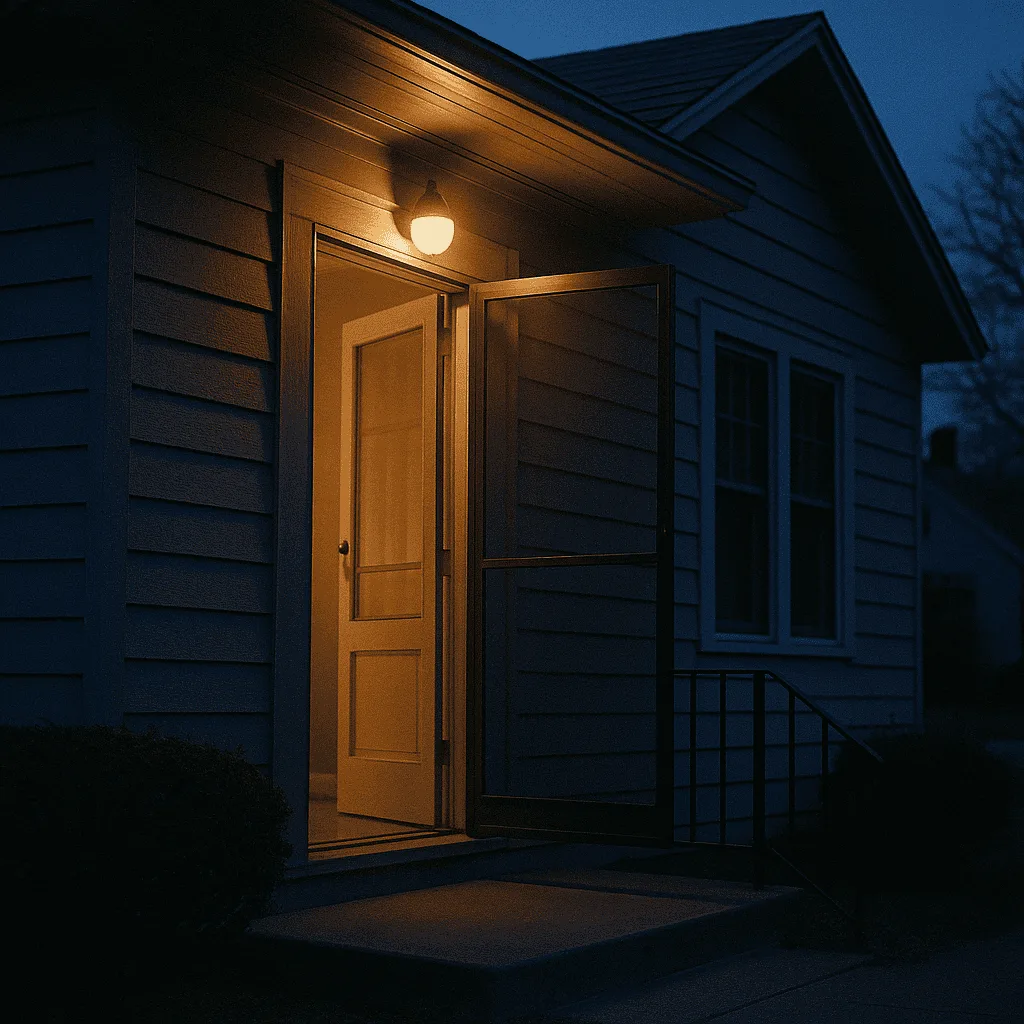
Bad things happened, of course, but parents did not live in constant terror of every shadow and stranger. Children played outside all day and rode their bikes miles from home, and adults went about their business without cameras on every corner. Life had its risks, but fear did not paralyse everyone the way it seems to today.
31. Cars Lasted Because People Fixed Them

Families drove the same car for years because you looked after it, repaired it, and took care of what you had. When something broke, you fixed it or found someone who could. The car payment was not forever — you paid it off and drove the car for another decade. Things were built to last, and people expected to repair rather than replace.
32. Job Security Was Real

Working at the plant for thirteen years meant something real — seniority, respect, and a proper position. Loyalty went both ways: the company did not lay you off the moment profits dipped, and you did not jump ship every two years for a small pay rise. Pensions existed, and retirement was actually possible without a side job and three rental properties.
33. Entertainment Took Imagination
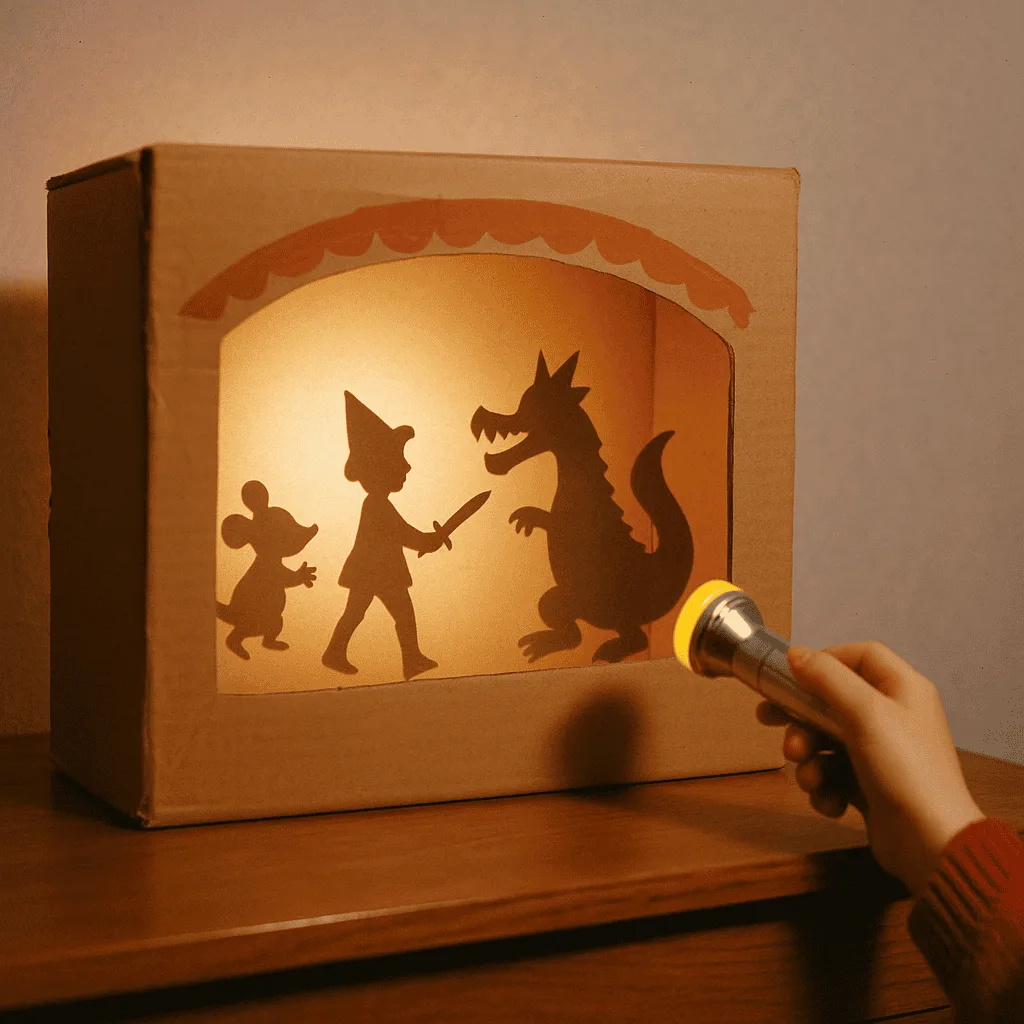
There were no screens, no streaming, and no endless scrolling. Radio shows made you picture the story in your head, and children invented games with whatever was lying around — cardboard boxes became sleds and empty lots became baseball fields. Families listened to programmes together in the same room, actually paying attention to the same thing at the same time.
34. People Actually Looked at Each Other
Conversations happened face to face, eye to eye, and you could not hide behind a screen or pretend you had not seen someone. When neighbours talked over the fence, they really talked, and when families played cards, everyone was present in mind and body. Social skills mattered because that was how you got through the world — reading people, handling disagreements, and speaking clearly.
35. Simpler Did Not Mean Easier, But It Meant Connected
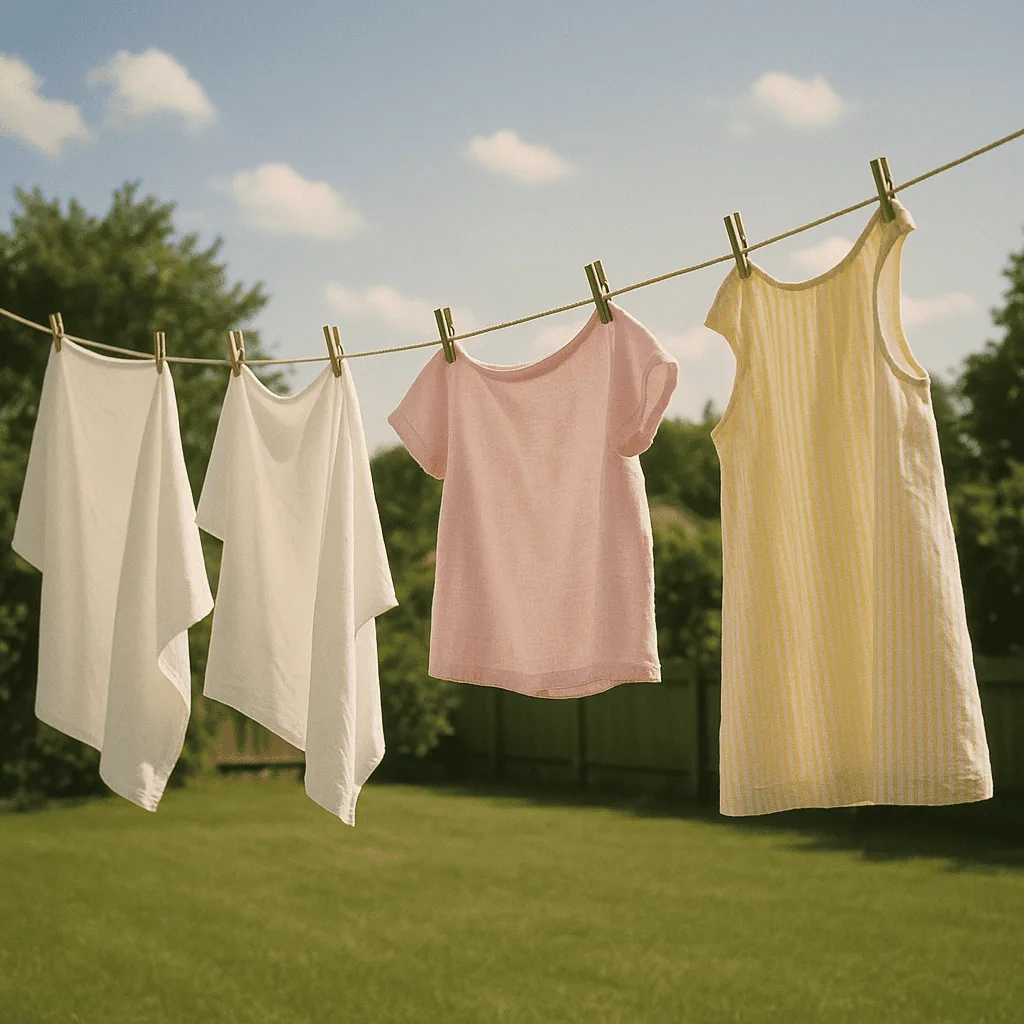
Life was hard work, and bills still piled up every month. Dad spent Saturday mornings working out how to stretch his pay to cover everything, and families faced broken bones, failed classes, and broken cars together. Nobody pretends it was paradise — but neighbours helped each other through the rough patches, and community meant something more than a group on a phone screen.
The 1950s were not some perfect paradise — plenty of people struggled, and serious problems existed that should never be romanticised. Yet there is something worth learning from how a factory worker could build a house, raise four children, and retire with dignity, how neighbourhoods worked like extended families, and how one wage could support a household. Those were the things that held ordinary life together, and they are the things many of us still miss.