 By ali4050284
If you think the weekly shop is expensive now, try picturing a world where a loaf of bread cost 36 cents, a gallon of petrol was less than the loose change in your car’s cup holder, and a stamp cost just six cents. For baby boomers, those were not fantasy bargains — they were ordinary prices in the 1960s and 70s.
Of course, there is a catch. People also earned far less back then, and the 1970s brought some of the worst inflation the country had seen in decades. Not everything that looks ridiculously cheap on an old receipt was truly a bargain once you adjust for wages. Still, there is something wonderful about remembering a time when everyday purchases could be measured in nickels, dimes and quarters. Here are twelve expenses boomers remember paying surprisingly little for.
1. A Gallon of Gas

Pulling into a petrol station in 1970 meant paying around 36 cents a gallon on average. Filling a 15-gallon tank could cost less than $5.50, and in many places an attendant would pump the petrol for you as well.
Even by 1975, after the decade’s first big oil crisis, petrol still averaged only about 57 cents a gallon. Try filling up an entire car today for what barely buys a single gallon now.
2. Mailing a Letter

In 1970, sending a first-class letter anywhere in the country cost just six cents. You could post ten letters for 60 cents and still have change from a dollar.
Postage crept up through the decade — eight cents in 1971, ten cents in 1974, fifteen cents by 1978 — but for people who grew up mailing birthday cards, paying bills by cheque and keeping in touch with relatives through handwritten letters, a few pennies for a stamp was simply part of everyday life.
3. Sending a Postcard
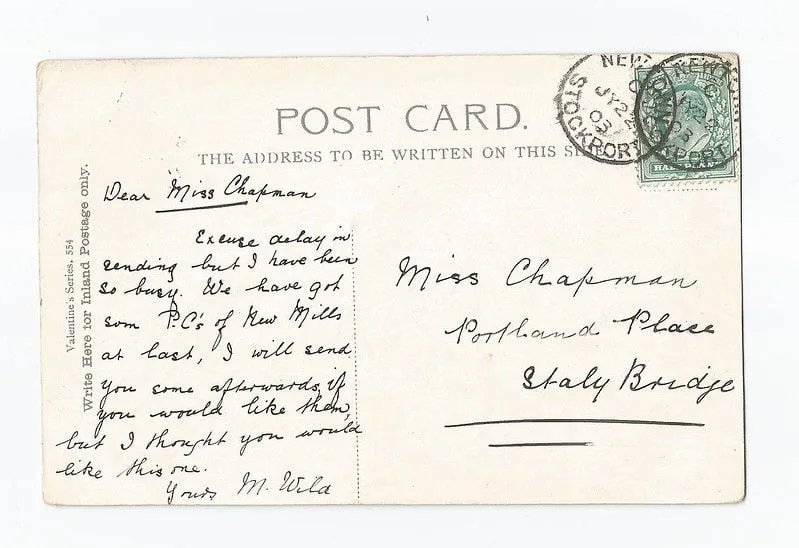
Remember when sending a postcard from holiday was practically compulsory? In 1970, postcard postage cost just five cents, so it was easy to send a little hello from the beach, a national park or a roadside attraction without thinking twice about the cost.
Even by 1978, a postcard stamp had only climbed to ten cents. Families would pick up a handful of colourful cards, scribble a few sentences on each, and post them to grandparents, friends and neighbours.
4. Riding the Subway

For New Yorkers in 1970, a subway ride cost just 30 cents. The fare rose to 35 cents in 1972 and 50 cents in 1975, but even those increases sound almost laughably small today.
Commuters carried little metal tokens in their pockets, dropped them into the turnstiles and went about their day without worrying about travel cards or phone apps. A daily commute still added up on 1970s wages — but crossing New York City for a few coins is enough to make modern riders nostalgic.
5. Going to the Movies
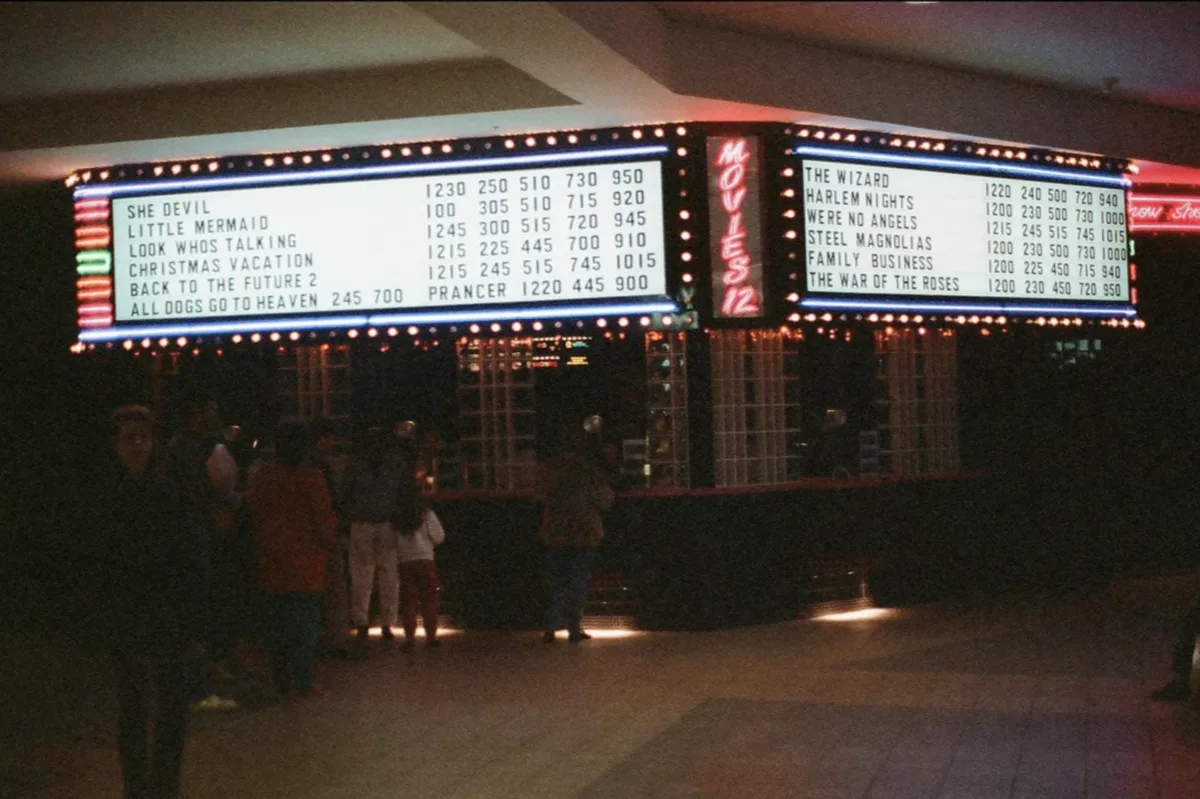
A night at the pictures did not need much financial planning in the early 1970s. The average cinema ticket cost $1.65 in 1971 and $2.03 in 1975, which meant a couple could catch a film for around four dollars before popcorn or drinks.
Adjusted for inflation, those tickets were not necessarily dramatically cheaper than today’s admission. Still, anyone who remembers queuing to see Jaws, The Godfather or Star Wars may find it hard to believe admission once cost less than a few dollars.
6. A Fast-Food Hamburger
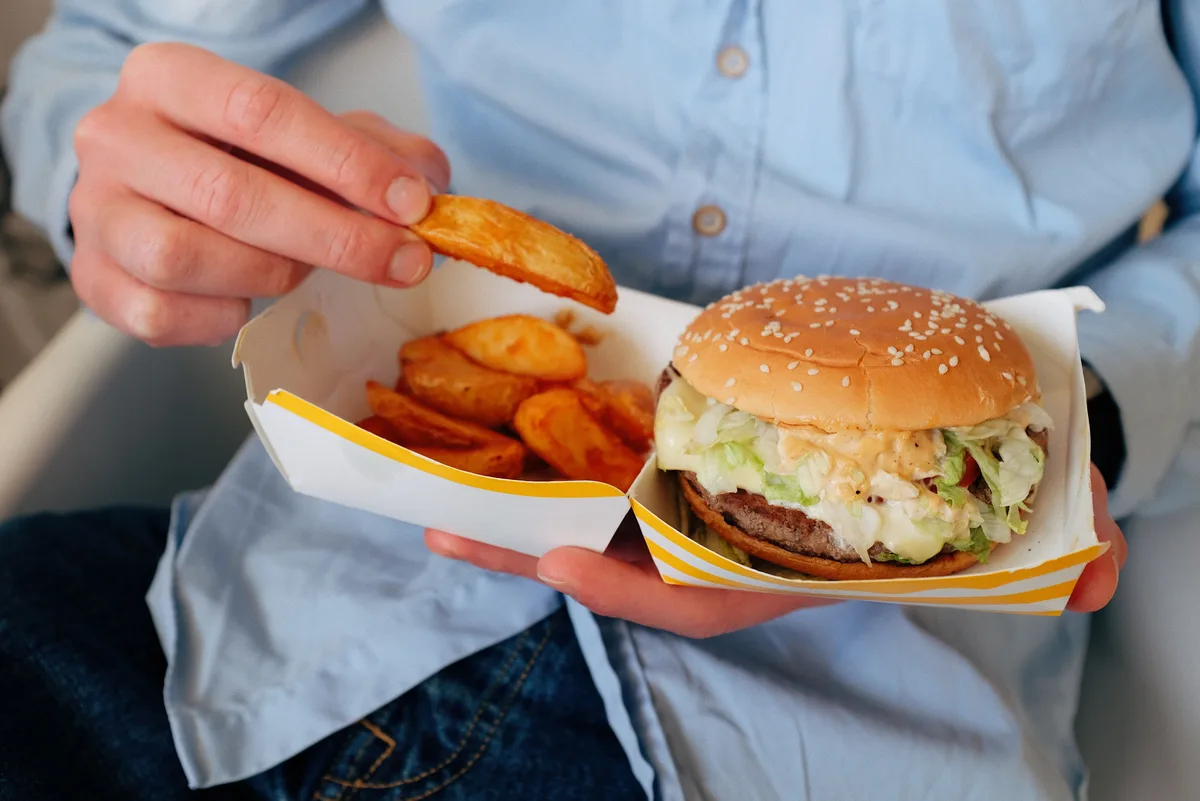
Long before fast-food combo meals started approaching restaurant prices, McDonald’s built its reputation on cheap, simple food. The chain’s early streamlined menu famously featured 15-cent hamburgers.
That particular price dates back to the company’s earlier expansion years rather than being a standard 1970s price, but plenty of older boomers remember when a hamburger was a genuinely inexpensive treat. A quick stop for burgers, fries and milkshakes did not automatically turn into a major expense, and affordability was a big part of what made fast food so appealing to American families.
7. A Loaf of White Bread
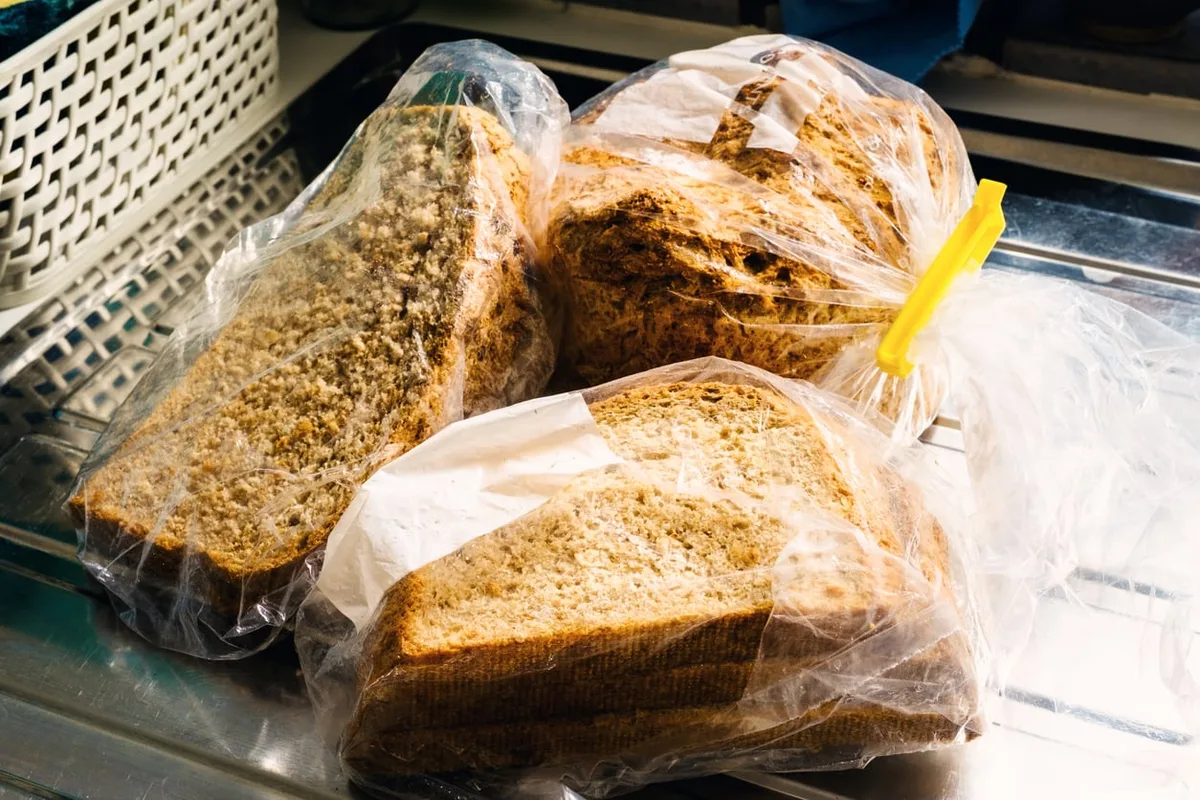
In 1975, a pound of white bread cost an average of about 36 cents. For families packing school lunches every morning, that meant sandwiches were one of the easiest ways to feed several children without spending much.
Bread was also a staple at breakfast and dinner, whether it was toasted, spread with butter or served alongside a casserole. Prices were already rising quickly during the decade, but a loaf still came with a price tag that modern grocery shoppers would probably have to look at twice.
8. Milk
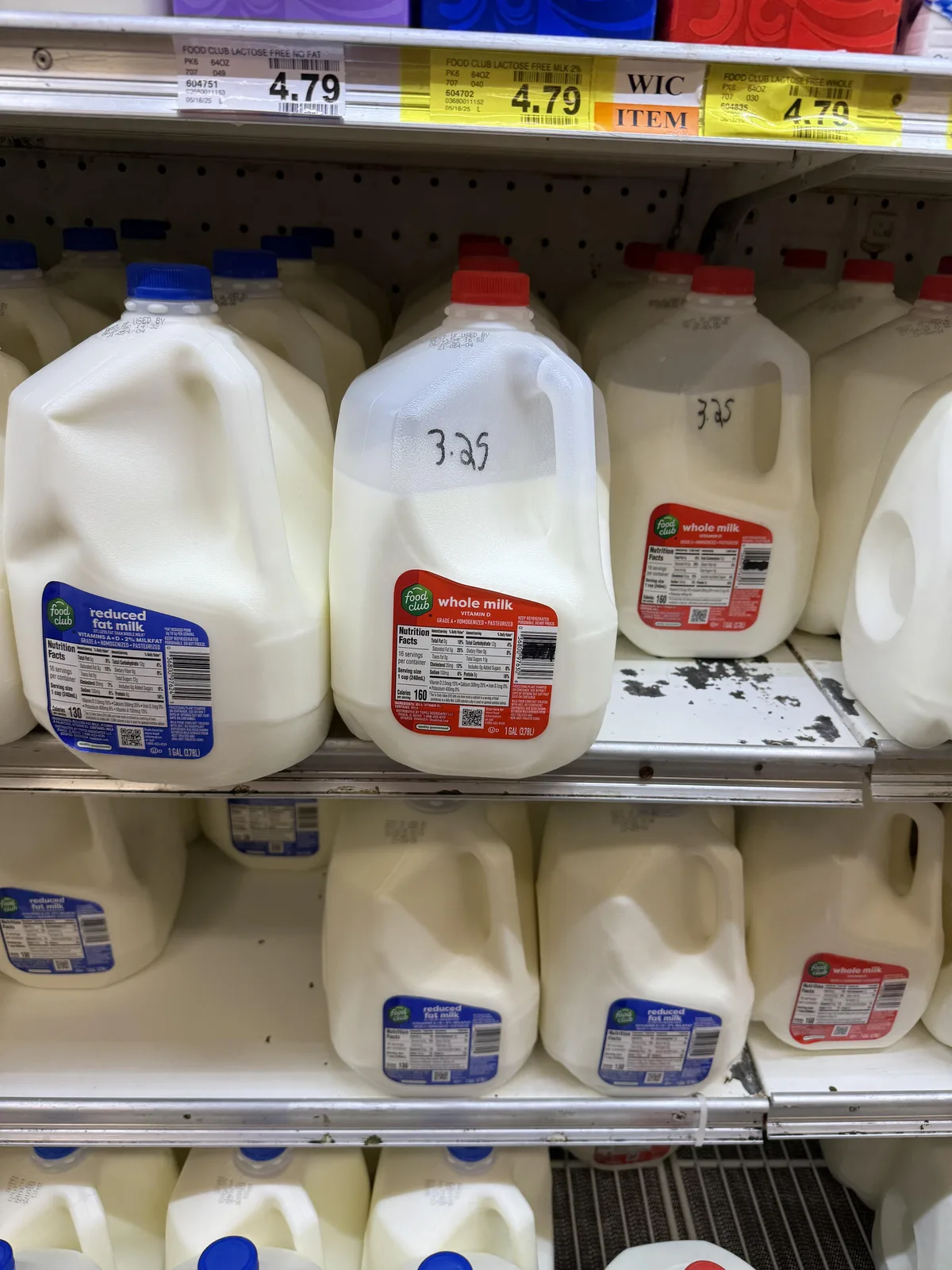
If you grew up in a household where milk disappeared almost as quickly as it arrived, you probably remember how often someone had to run to the shop for more. In 1975, a half-gallon of milk averaged just 78.5 cents — roughly $1.57 for a gallon at the same unit price.
That sounds almost unbelievable today, though milk was hardly a negligible expense for families feeding several children, especially as food prices climbed through the decade. But for boomers who remember glass milk bottles, cereal every morning and a fridge that never seemed to hold enough milk, those old prices are hard to forget.
9. Bananas
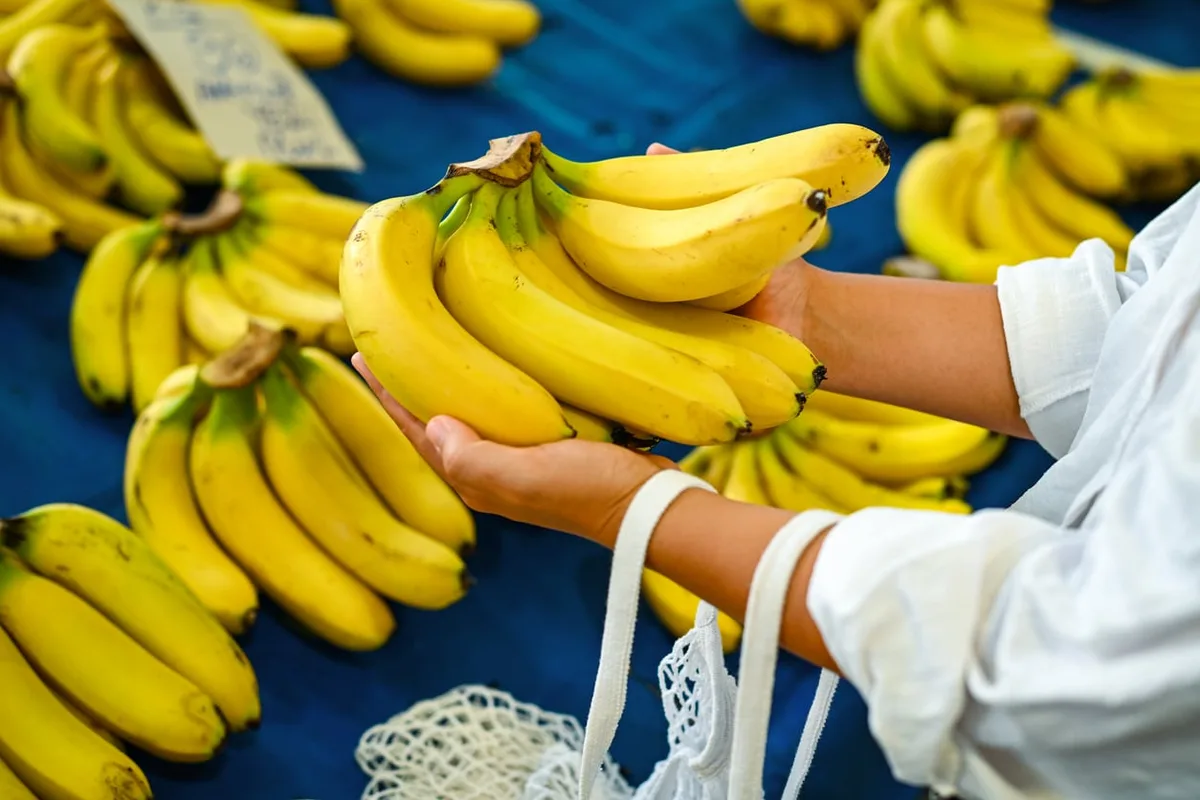
Bananas have always had a reputation as one of the more affordable fruits, but their 1970s prices were something else. In 1975, a pound of bananas averaged just 23.2 cents.
That made them an easy addition to the shopping basket, whether they were destined for school lunches, breakfast cereal or a homemade banana pudding. Unlike plenty of other foods that have become noticeably more expensive, bananas have held on to much of their budget-friendly reputation — but seeing an old grocery receipt with bananas at less than a quarter a pound is still enough to make anyone do a double take.
10. Potatoes
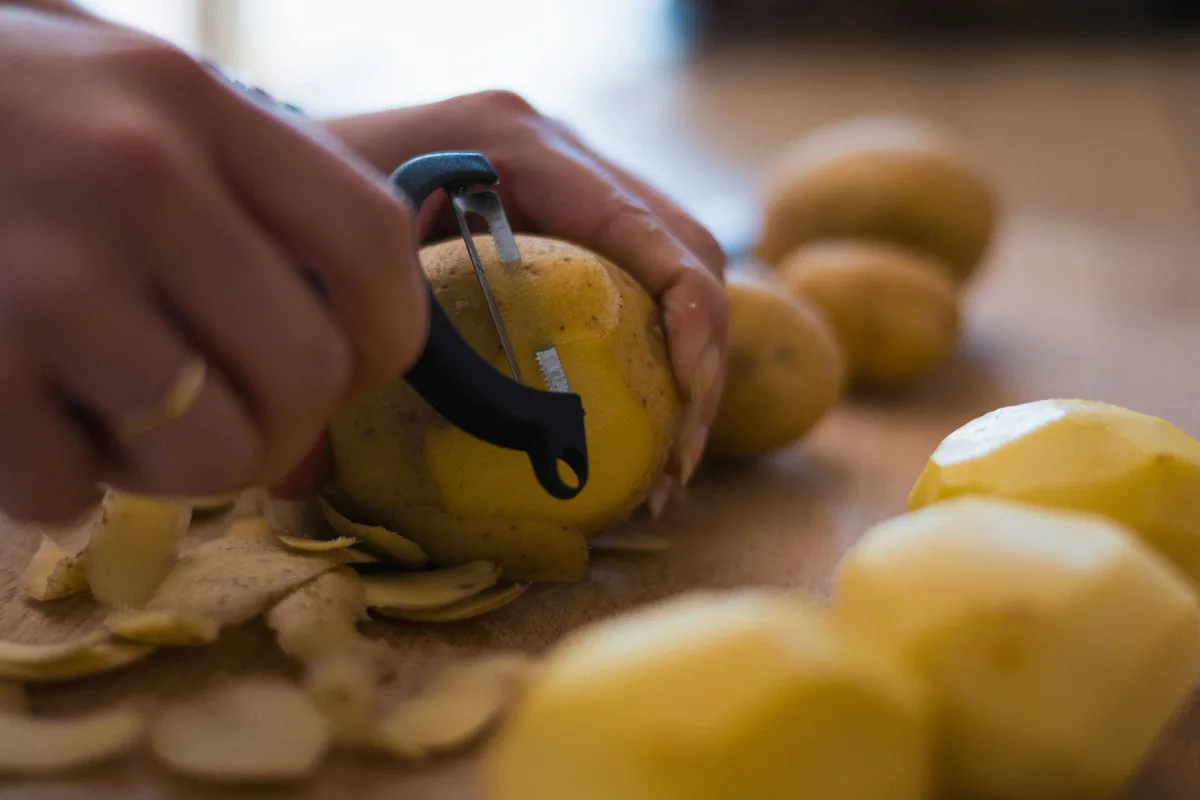
A big bag of potatoes was practically a requirement in many American kitchens during the 1970s, and it is not hard to see why. Potatoes averaged just 13.4 cents a pound in 1975.
They were inexpensive, filling and versatile enough to appear on the dinner table several nights a week. Mashed potatoes, baked potatoes, chips and casseroles all helped stretch the family food budget, especially when meat was expensive. For boomers who grew up eating potatoes with seemingly every meal, it is easy to forget just how little those humble spuds once cost.
11. Butter

Butter might feel like a grocery splurge today, especially when you reach for a premium brand, but it was a different story in the mid-1970s. In 1975, a pound of butter averaged about $1.03.
It was a kitchen staple for everything from morning toast to mashed potatoes and homemade biscuits, although plenty of budget-conscious families relied on margarine instead. The price was not insignificant for households watching every penny, but it certainly looks appealing next to modern supermarket shelves — and anyone who remembers their mother keeping a butter dish on the table will remember when replacing it did not feel like such an expensive proposition.
12. Public College Tuition

Here is one expense that might make younger generations especially jealous. During the 1976–77 academic year, average in-state tuition and required fees at public four-year colleges were about $617. By 1979–80, that figure had climbed to roughly $738.
Those amounts did not include room, board, books or other living expenses, and a few hundred dollars still represented a meaningful sum for many families. But compared with the thousands of dollars students routinely face today, it is easy to see why some boomers remember being able to cover a substantial part of their college costs with summer jobs and part-time work.
Looking back at six-cent stamps, 30-cent subway rides and 36-cent bread can make the 1970s seem like a golden age of affordability. The truth is more complicated — wages were lower, inflation was biting hard, and a few hundred dollars still meant a great deal to most families.
But the numbers tell only half the story. What boomers really remember is a world where small, everyday things felt within easy reach: a letter to a friend, a trip to the pictures, a full tank of petrol. And that feeling is worth far more than the price on the receipt.