 By ali4050284
To anyone under thirty, the 1970s might as well be another planet. It was a world where the television went to sleep at night, the telephone was bolted to the wall, and getting lost on a road trip was not a glitch but a way of life. These were not hardships — they were simply how things worked, and the people who lived through them still remember them fondly. Here are seventeen everyday experiences from the seventies that young people today have never known.
1. Rotary Phones
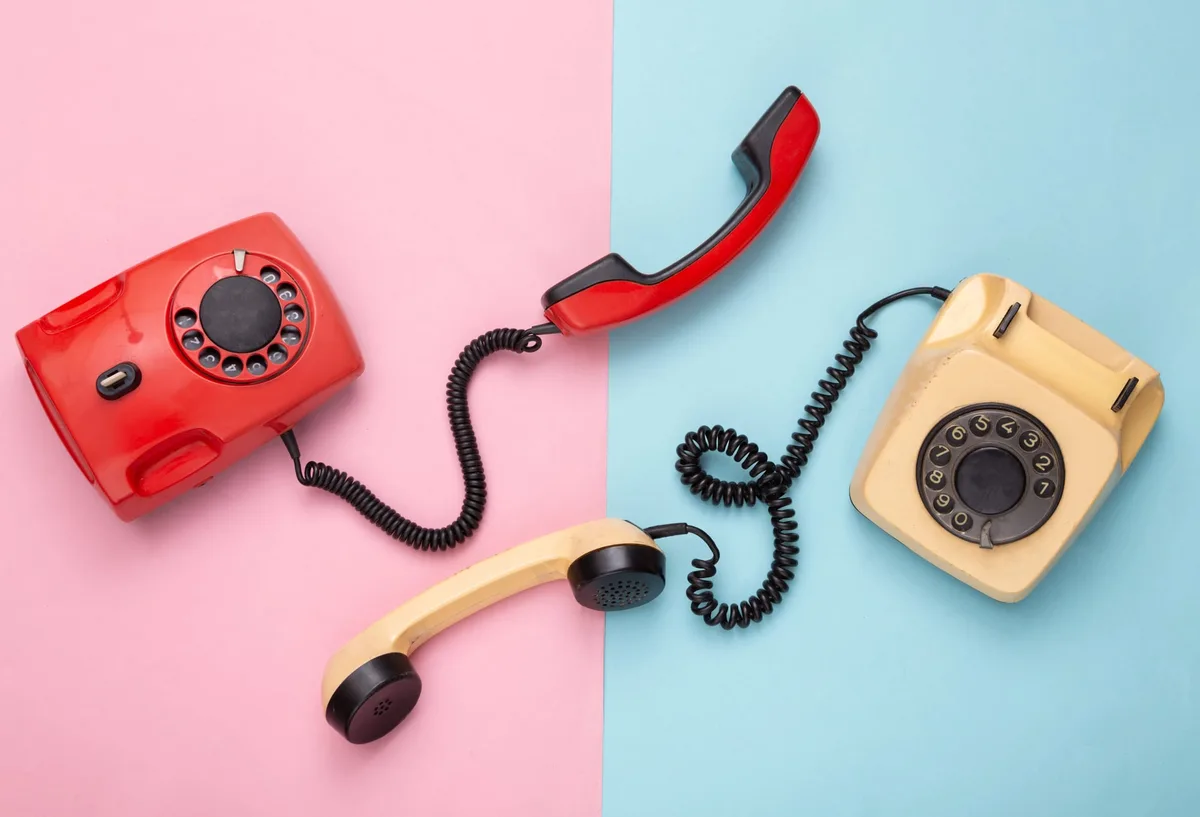
The rotary phone demanded patience in a way that feels almost cruel today. Each number meant dragging a heavy dial around with your finger and waiting for it to whirr its way back before you could dial the next digit. Dial one wrong number and the whole thing had to be done again from the start. And heaven help you if the person you were calling had a lot of eights and nines in their number — your finger got a proper workout just making the call.
2. TV Sign-Off
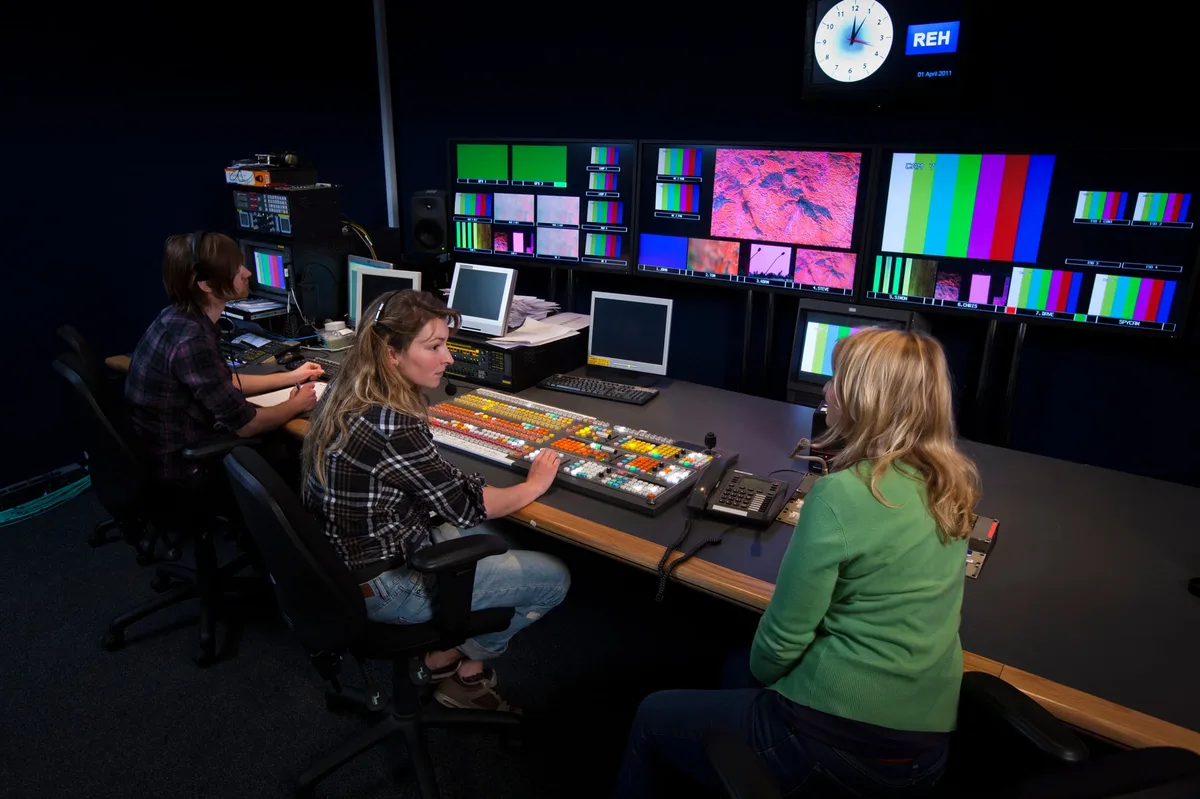
Television in the seventies actually went to bed. Somewhere around midnight, the programmes ended, the national anthem played, and the screen dissolved into a test pattern or a field of static until the morning. If you were still awake, you were on your own — a book, a record, or just the quiet of the house. The idea of endless entertainment at any hour simply did not exist, and somehow nobody felt they were missing out.
3. Party Lines

In many places, your phone line was not really yours — it was shared with the neighbours. Pick up the receiver and you might hear Mrs Henderson from down the street already deep in conversation, and the polite thing was to hang up quietly and try again later. Of course, plenty of people lingered to listen, which turned the party line into the fastest gossip network the neighbourhood had ever known. Privacy was less a feature of the system and more a gentleman’s agreement.
4. Physical Maps In Cars
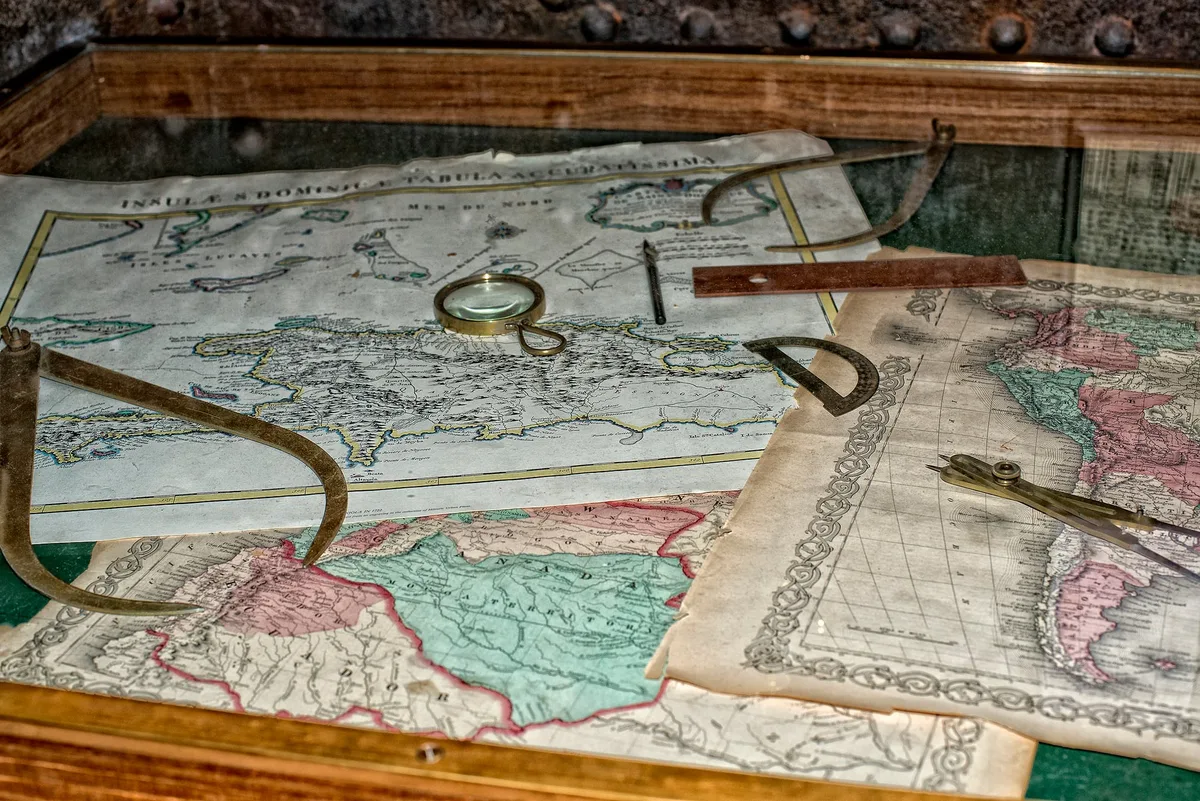
Getting lost was a real commitment in the seventies. The glove compartment was stuffed with folded paper maps that were nearly impossible to fold back up again, and planning a journey meant spreading a huge sheet across the kitchen table and tracing the route with a highlighter. Miss your exit and you were on a genuine adventure until you found a petrol station and asked a stranger for directions. There was no blue dot, no recalculating voice — just you, the map, and a fair amount of optimism.
5. Record Albums As Art Objects
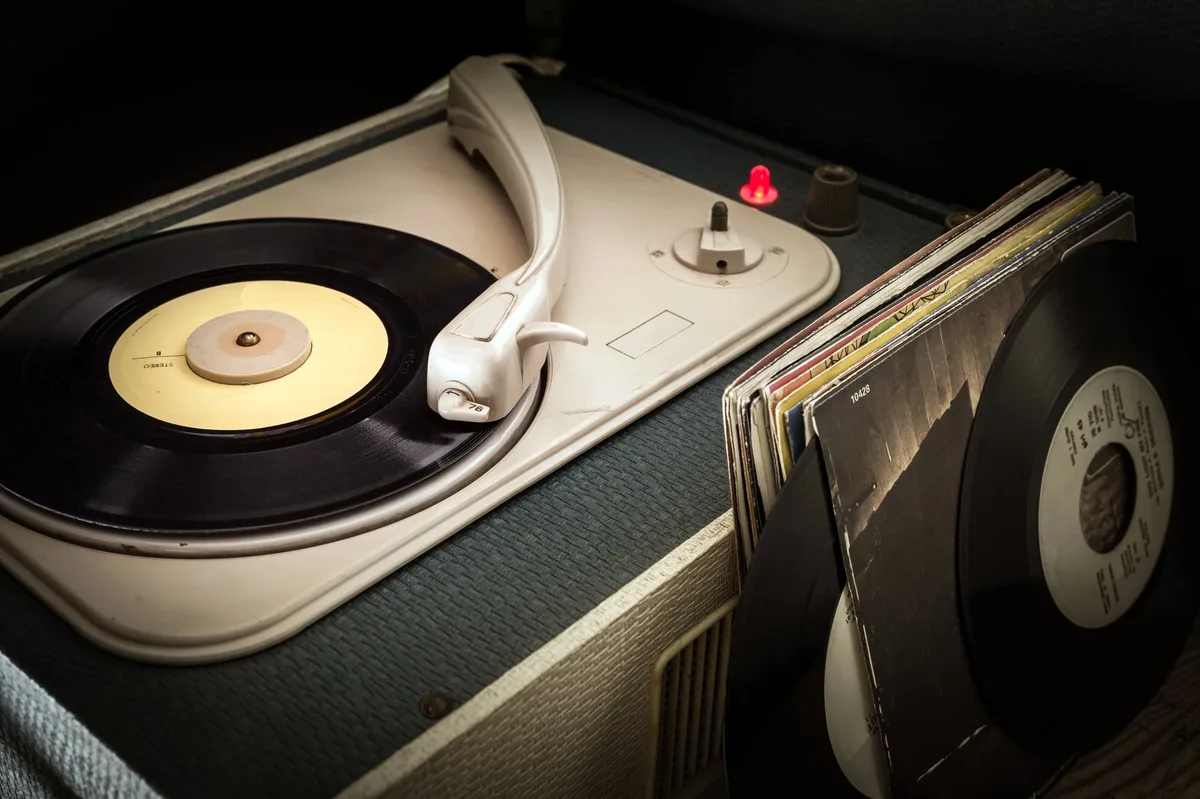
An album was not just a way to hear music — it was an object to be handled with care. You slid the vinyl out of its sleeve, checked it for scratches, and lowered the needle as carefully as a surgeon. The big covers became bedroom wall decorations, and the liner notes were read like scripture while the music played. Listening was a ritual tied to something you could hold in your hands, and that made the music feel more like yours.
6. TV Test Patterns

That strange geometric rainbow with its high-pitched tone was television’s way of saying it had finished for the day. Test patterns filled the dead hours when the channels had nothing to show, like a shop with its shutters down. If you were up late enough to see one, it felt slightly eerie — as if you had stayed up past the whole world’s bedtime and caught the television in its pyjamas.
7. Manual Car Windows
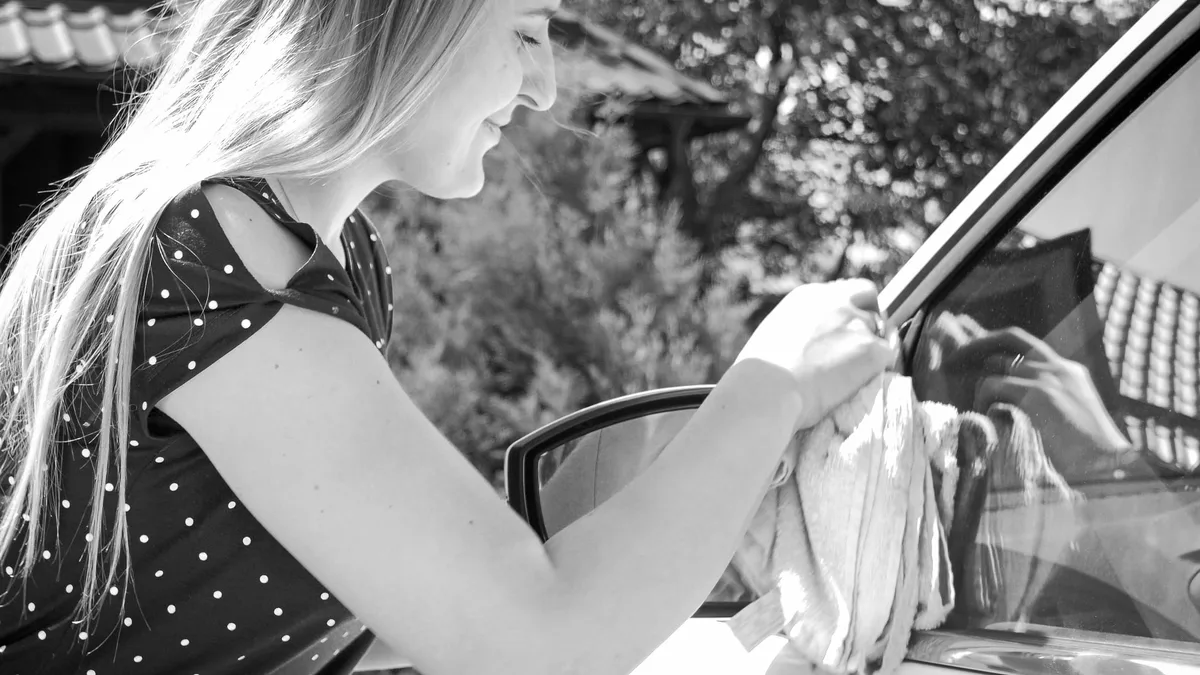
Opening a car window took real muscle. You turned a little handle round and round, and the glass sank in jerky, uneven stages while the mechanism complained the whole way. Passengers on long trips built up serious arm strength just from window duty. And if the handle broke, the window stayed exactly where it died until somebody could afford to fix it — stuck open in the rain or stuck shut in the summer heat.
8. Encyclopedias
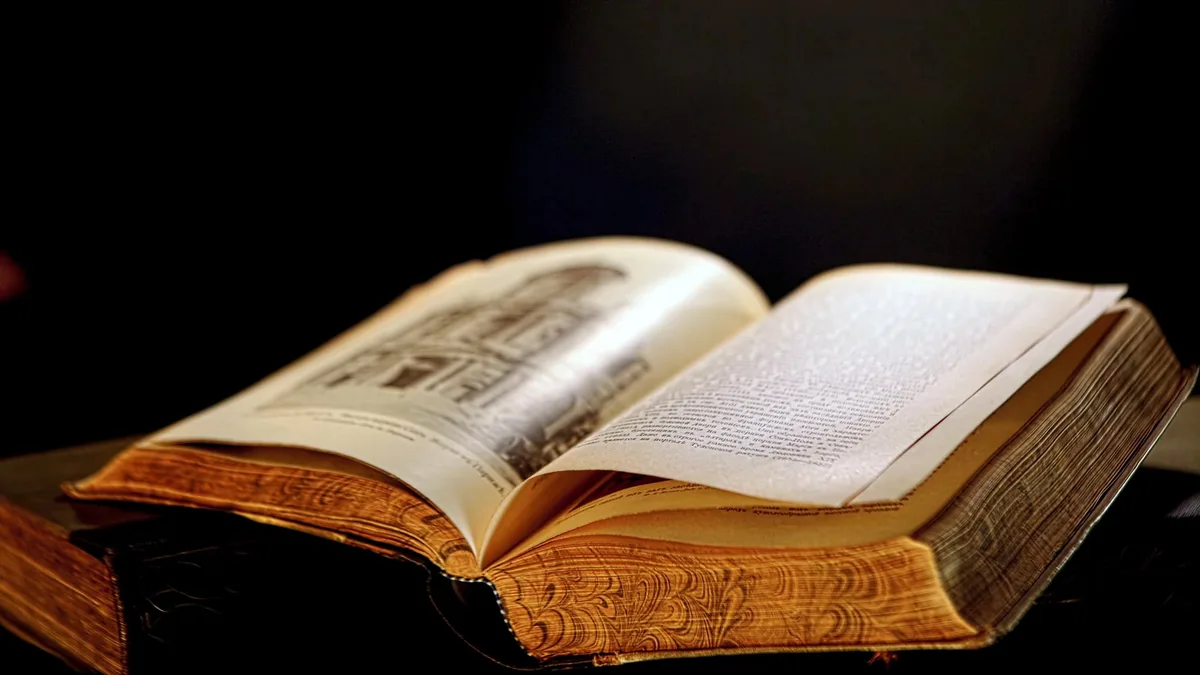
Those thick burgundy volumes lined up on the living room shelf were the whole of human knowledge as far as most households were concerned. A school report meant pulling down the right volume, hoping the entry was detailed enough, and copying notes out by hand. But there was a quiet joy in it too: you went looking for the Civil War and somehow ended up reading about cloud formations or butterflies, learning things you never meant to learn simply because they were on the page you passed.
9. Appointment Television

Missing your favourite show meant missing it — full stop. There was no streaming, no recording, no watching it later. Thursday at eight meant everyone gathered around the set, and if you had other plans, you had to choose. That shared schedule created something rare: millions of people watching the same thing at the same moment, then talking about it the next day at work or school. Television was an appointment, and everybody kept it.
10. Film Development
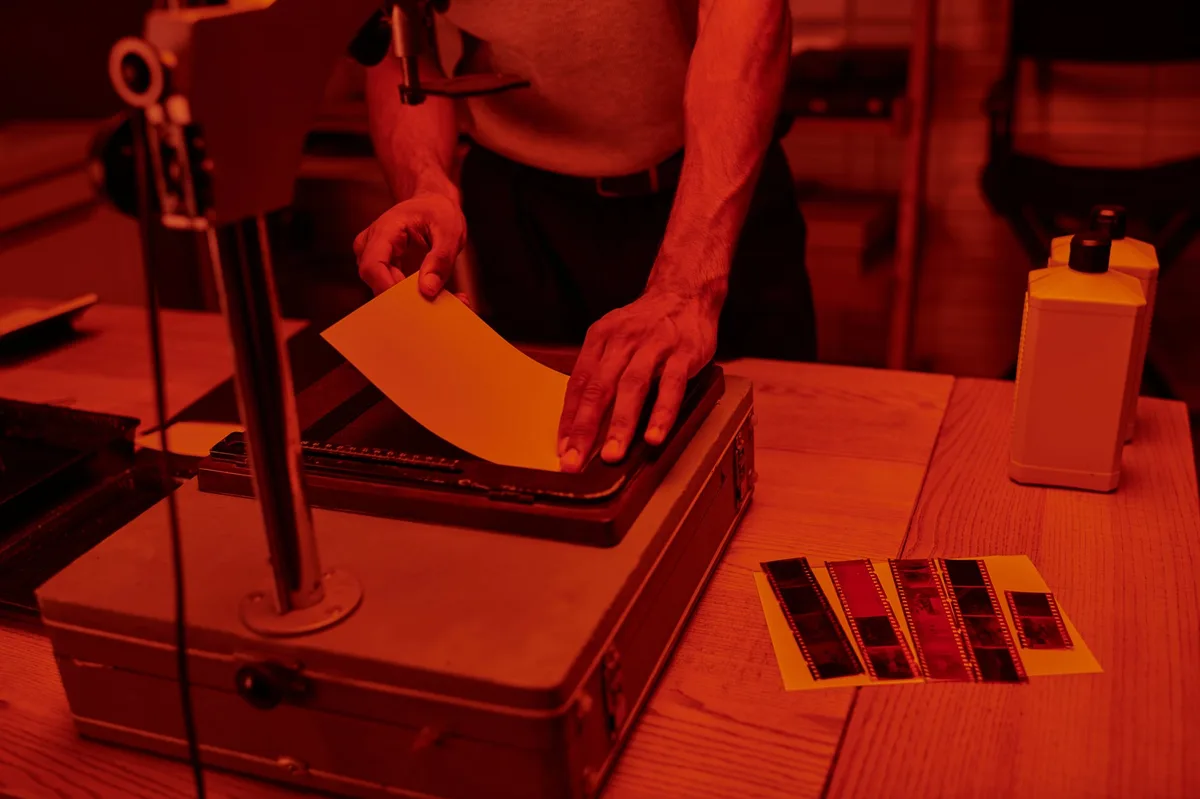
Taking a photograph was a gamble. Every shot cost money, so you thought before you pressed the button, finished a roll of twenty-four or thirty-six, dropped it off at the chemist, and waited days to find out what you had actually captured. Half the pictures came back blurry or with somebody’s thumb over the lens — but the good ones felt like small miracles, precisely because you had waited so long to see them.
11. Cash-Only Everything

Credit cards existed, but plenty of shops would not take them — and many would only take one particular kind. Everyday life ran on paper money and cheques, which meant a trip to the bank on Friday to get cash for the weekend, and if you ran out on Sunday night, you were stuck until Monday morning. You could feel money leaving your hands with every purchase, and budgeting was not an app notification — it was whatever was actually left in your wallet.
12. Busy Signals

When someone was on the phone, you got a busy signal — that harsh beep-beep-beep that meant wait your turn. There was no call waiting, no voicemail and no text message to fall back on. You rang back every few minutes until the line was free, or gave up and tried again later. Important conversations sometimes took hours just to begin, simply because you could not get through.
13. Library Card Catalogs
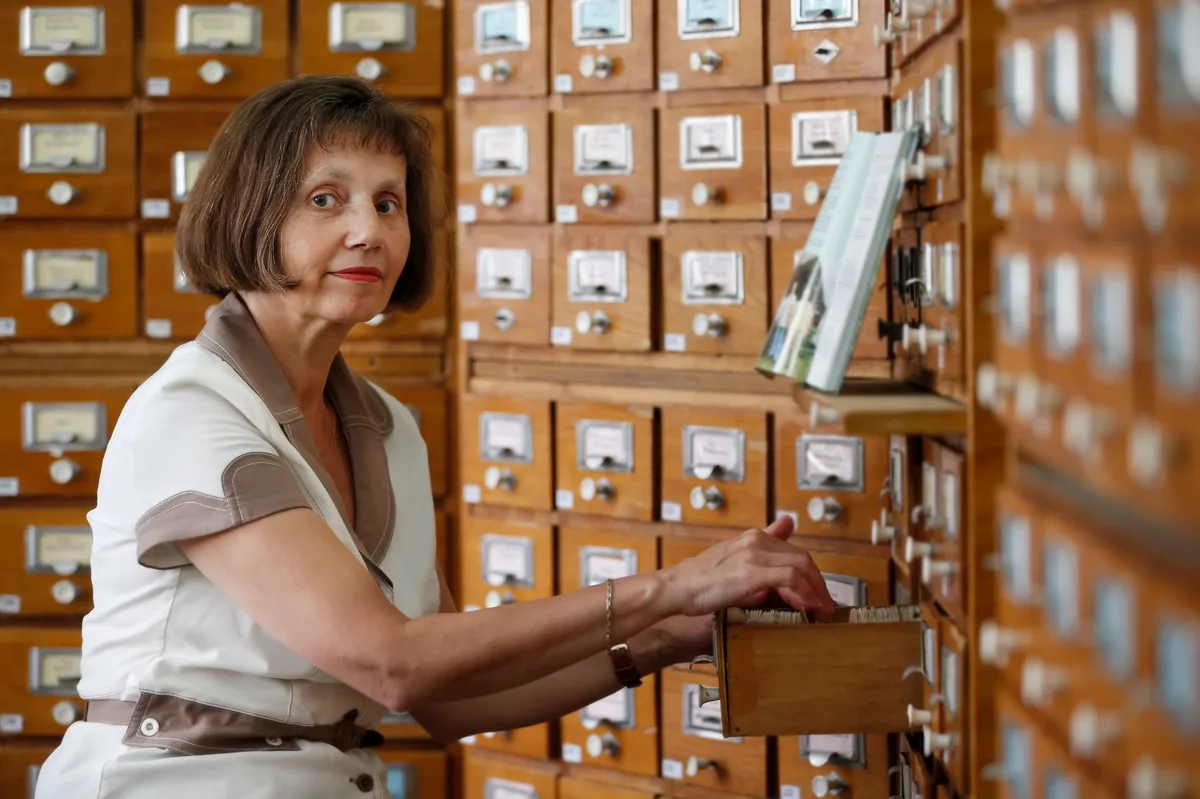
Finding a book meant mastering the card catalog — great wooden cabinets filled with tiny drawers of typed index cards, each drawer holding its own slice of the alphabet. You flipped through hundreds of cards, copied the call number onto a scrap of paper, and then wandered the shelves hoping nobody had put the book back in the wrong place. Research was physical exercise as much as it was thinking.
14. Analog Clocks Everywhere
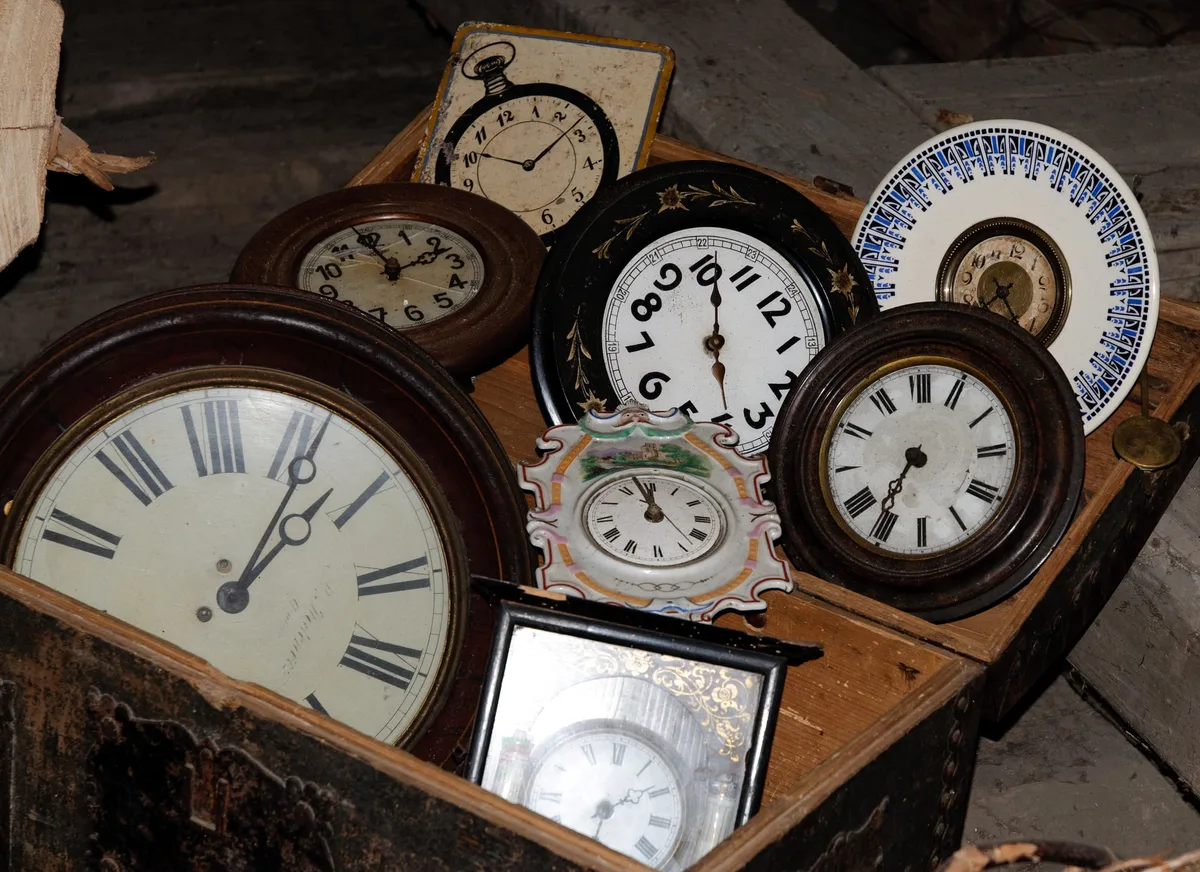
Reading the time was a skill you had to learn, because almost every clock had hands instead of numbers. Children learned phrases like “quarter past” and “twenty to” because that was simply how time was told. Glancing at a clock face and knowing instantly that it was twenty past three was a small, everyday ability that took real practice — and it is one that plenty of young people today have never needed.
15. Fixed Phone Locations
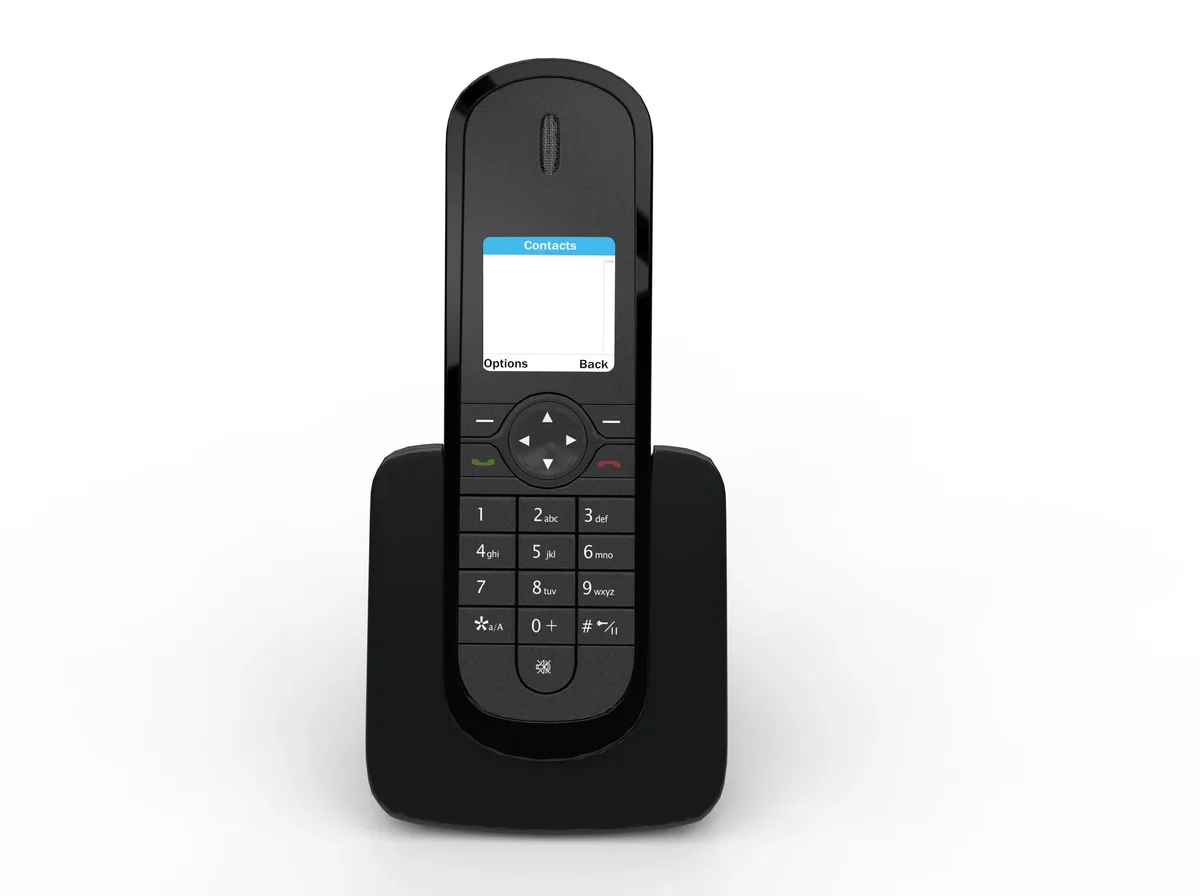
The telephone lived in one place — bolted to the kitchen wall or sitting on a special table in the hall — and when it rang, you ran to it. Long conversations happened while tethered to that spot by a curly cord that tangled itself into knots, and privacy meant stretching the cord as far as it would go and hoping nobody walked into the room. The idea of carrying a phone in your pocket everywhere you went was pure science fiction.
16. Carbon Paper
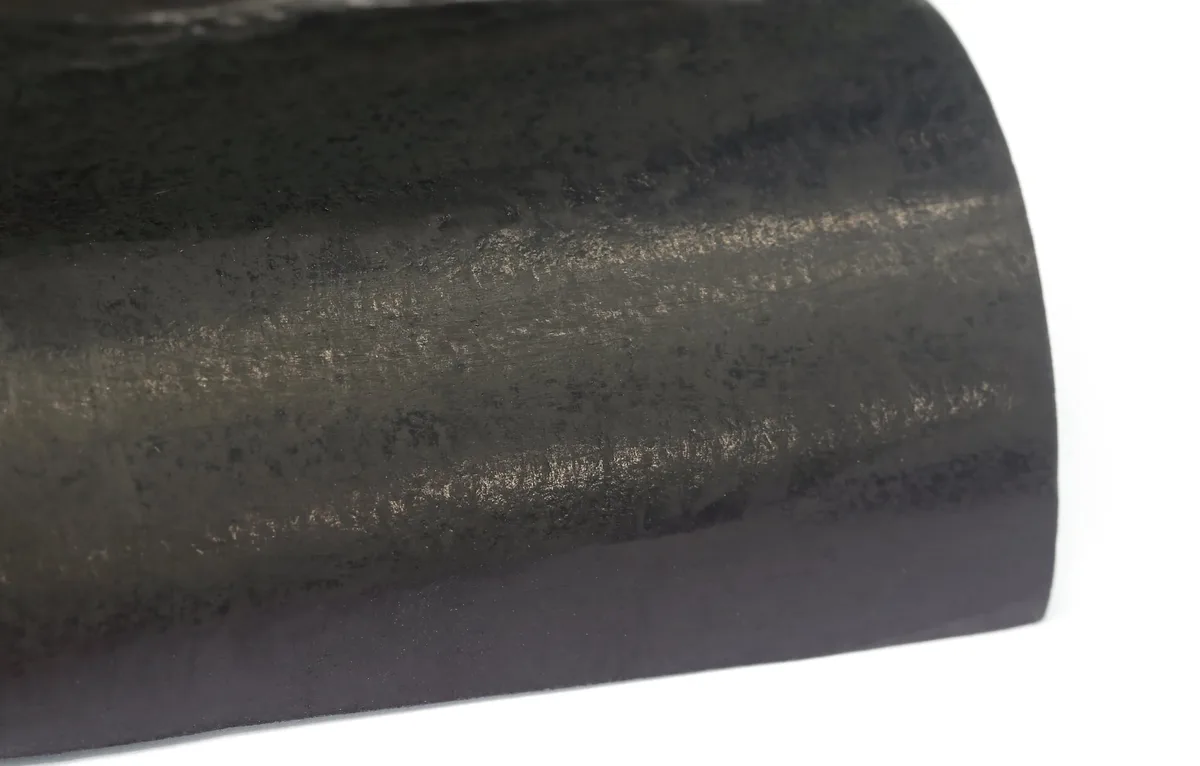
Making a copy meant sandwiching thin, messy sheets of carbon paper between your pages and typing or writing hard enough to press the impression through every layer. Your fingers came away black, and if you made a mistake, every single copy carried the same error unless you started over completely. Documents felt important because they were hard to reproduce — you got things right the first time, because there was no print button to save you.
17. AM Radio Road Trips
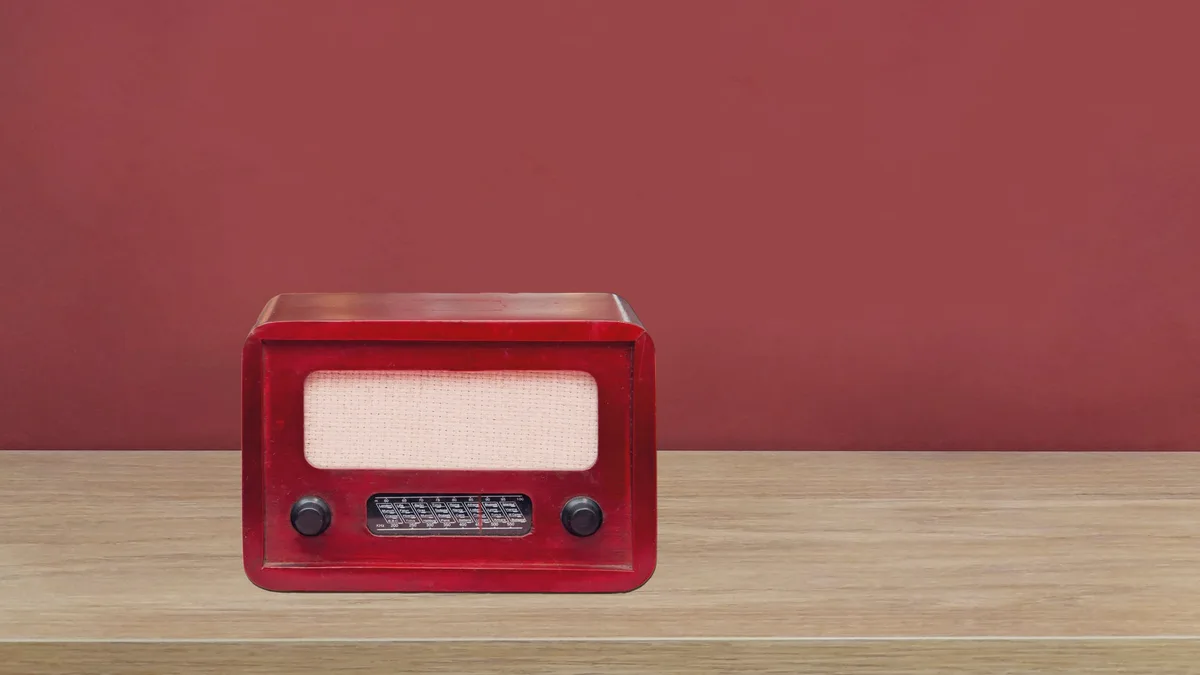
Long drives ran on AM radio, and the soundtrack changed with the landscape. You scanned through static to find a station, enjoyed it for a few miles, and then watched it fade away as you drove out of range — sometimes right in the middle of a great song. Music discovery happened by accident, in fragments, and a melody you heard once between stretches of talk radio and weather reports might be one you never heard again.
The seventies asked a little more of everyone: patience for the dial to turn, effort for the window to open, and faith that the photographs would come out all right. Young people today will never know that world — but for those who lived in it, the rotary phones, the test patterns and the crackle of AM radio are still the sound of home.