 By ali4050284
The seventies were a decade you could recognise blindfolded. The carpet was shaggy enough to swallow a coin, the television was a piece of furniture, and the telephone was chained to the kitchen wall by a cord that never quite reached far enough. Life moved slower, fun took a little more effort, and nobody seemed to mind. If you grew up in the seventies, these sixteen memories will feel like opening a photograph album you forgot you owned.
1. Rotary Phones With Cords That Barely Reached Anywhere
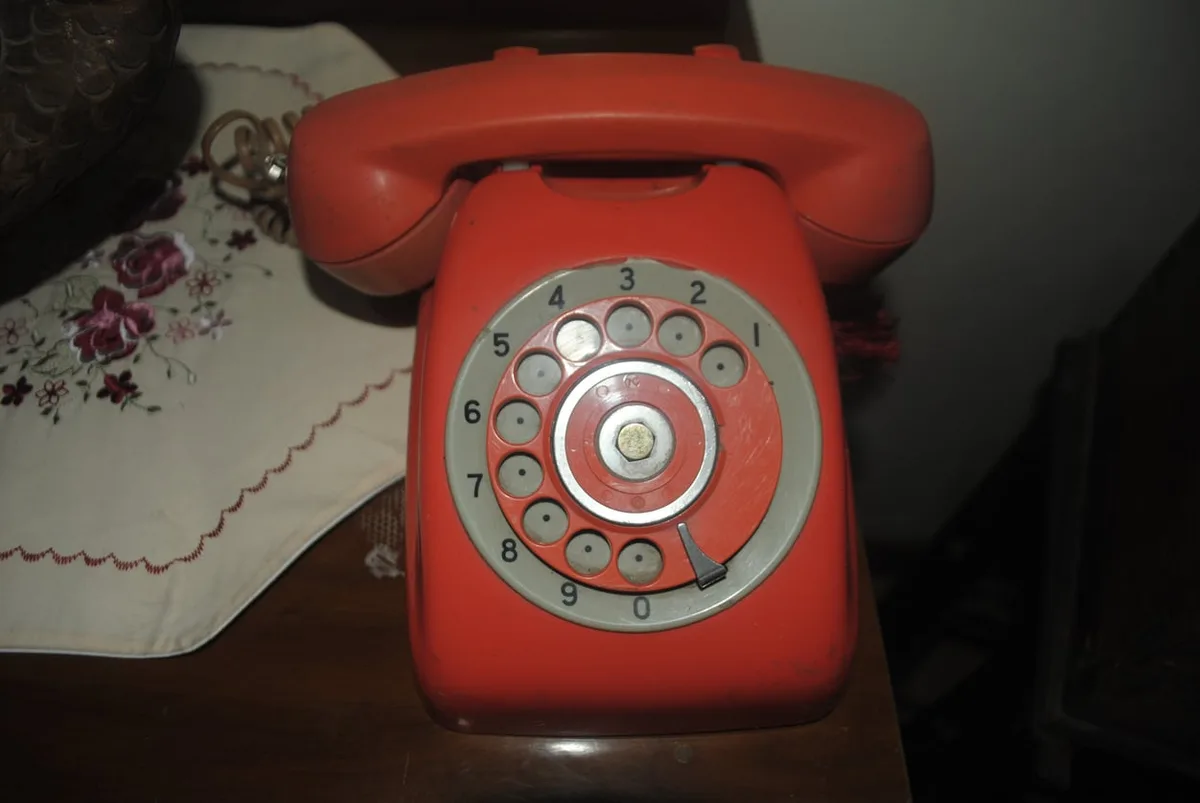
Making a phone call in the seventies was a small ceremony. You stuck a finger into the dial, dragged it around, and waited for it to click its way home before you could dial the next number — and if you got one digit wrong, you started all over again. The phone itself usually belonged to the telephone company, not to you, and the curly cord never stretched far enough for a private conversation. Privacy meant whispering in the kitchen while the rest of the family pretended not to listen.
2. Having Only a Handful of TV Channels
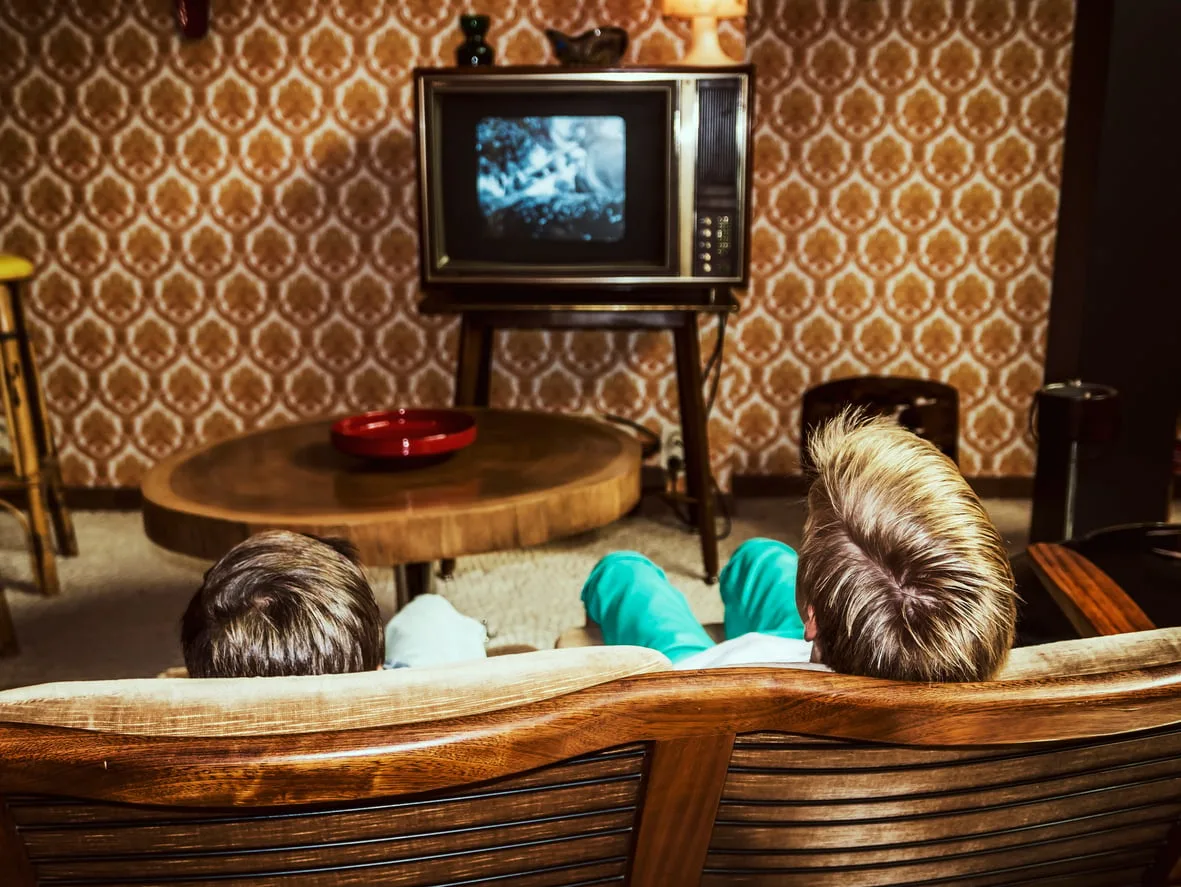
Television choice in the seventies was gloriously simple: a few big networks, a couple of local stations, and that was your lot. There was no scrolling, no streaming and no second screen — if two favourite shows clashed, you picked one and heard about the other at school the next day. The whole country often watched the same programme on the same night, which meant everybody had something to talk about in the morning.
3. Saturday Morning Cartoons Being an Actual Event
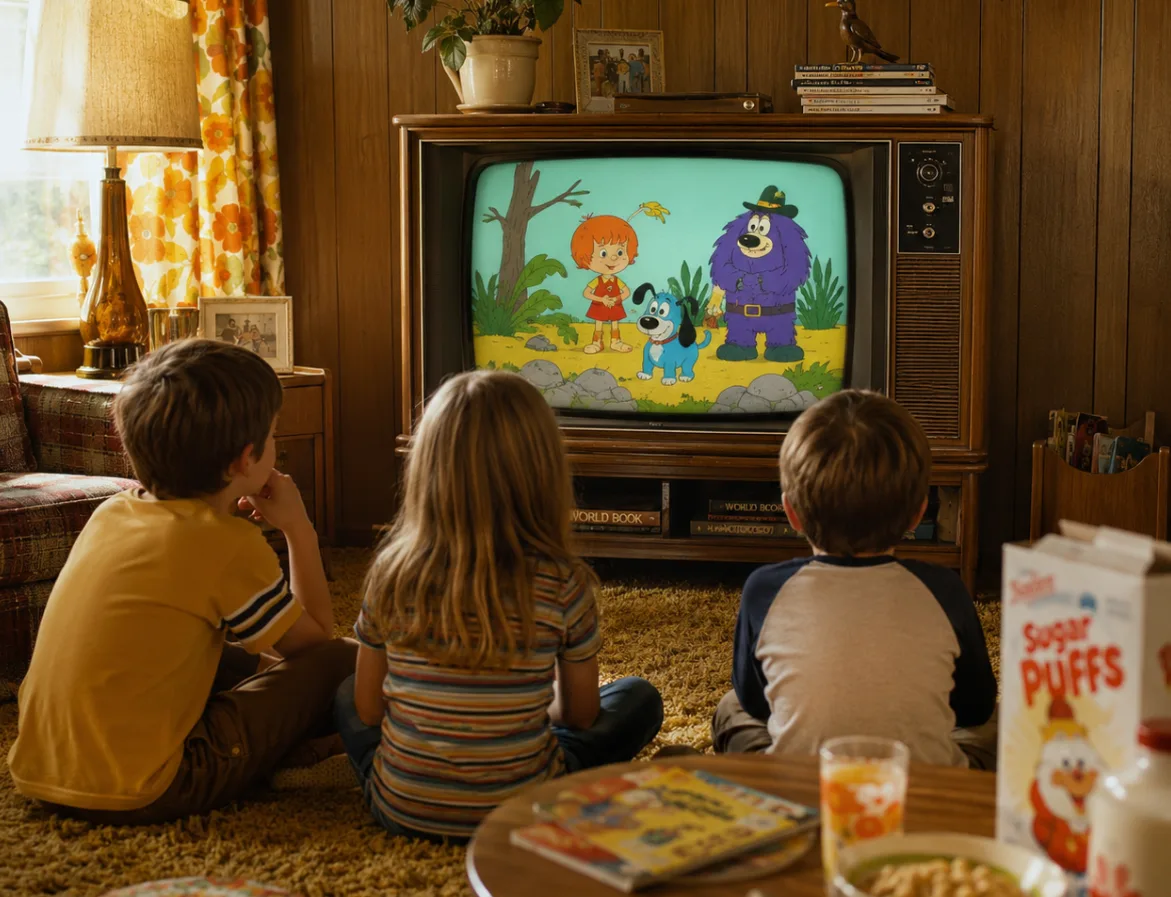
Saturday morning was sacred. Children woke up early, poured a bowl of cereal, and claimed their spot in front of the television for hours of cartoons — Scooby-Doo, Super Friends, Fat Albert and the rest. There was no pause button and no way to watch it later, so missing an episode meant waiting a whole week. That scarcity made every cartoon feel like an occasion, and the theme songs stuck in your head for decades.
4. Encyclopedias Taking Up an Entire Bookshelf
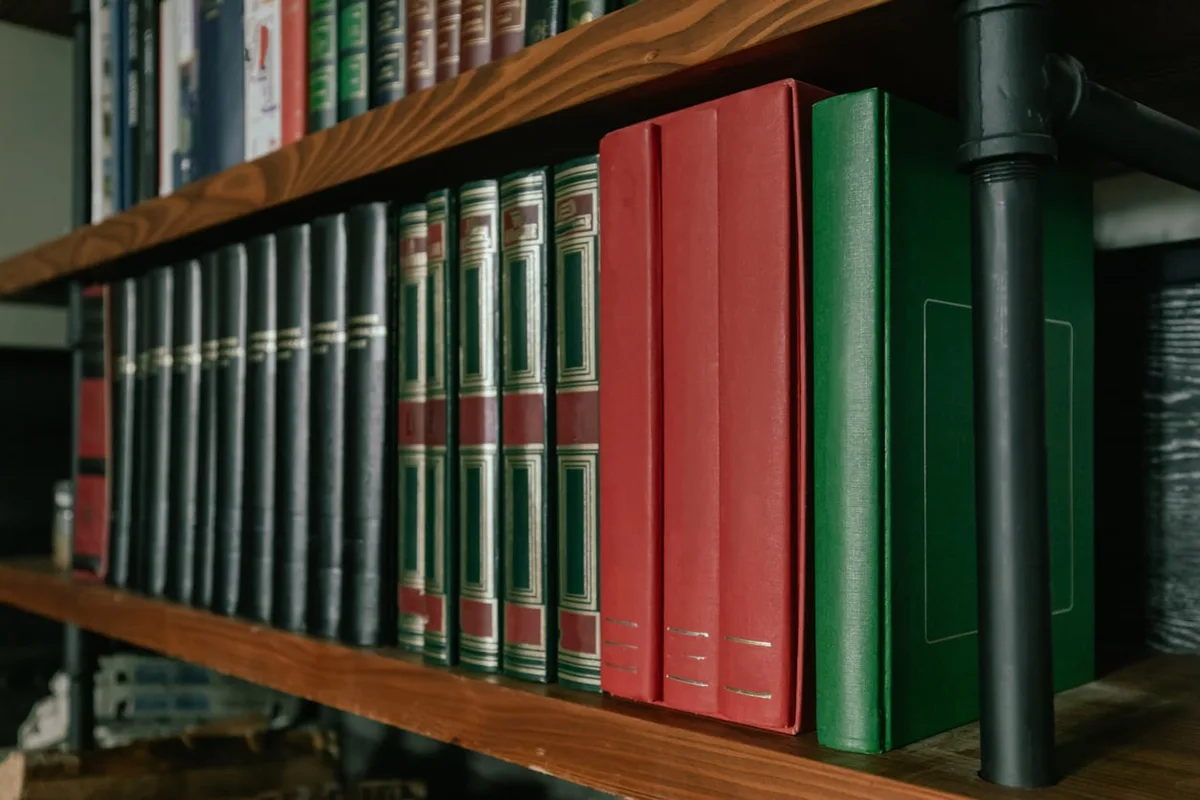
Before you could ask a search box anything, there was the family encyclopedia — a whole shelf of heavy volumes that cost a small fortune and were sold door to door. Homework meant hauling down the right letter, flipping through thin pages, and copying notes out by hand. The books were so big they doubled as furniture, and half the fun was getting distracted by something fascinating three pages away from what you were actually looking for.
5. School Filmstrips and Projectors
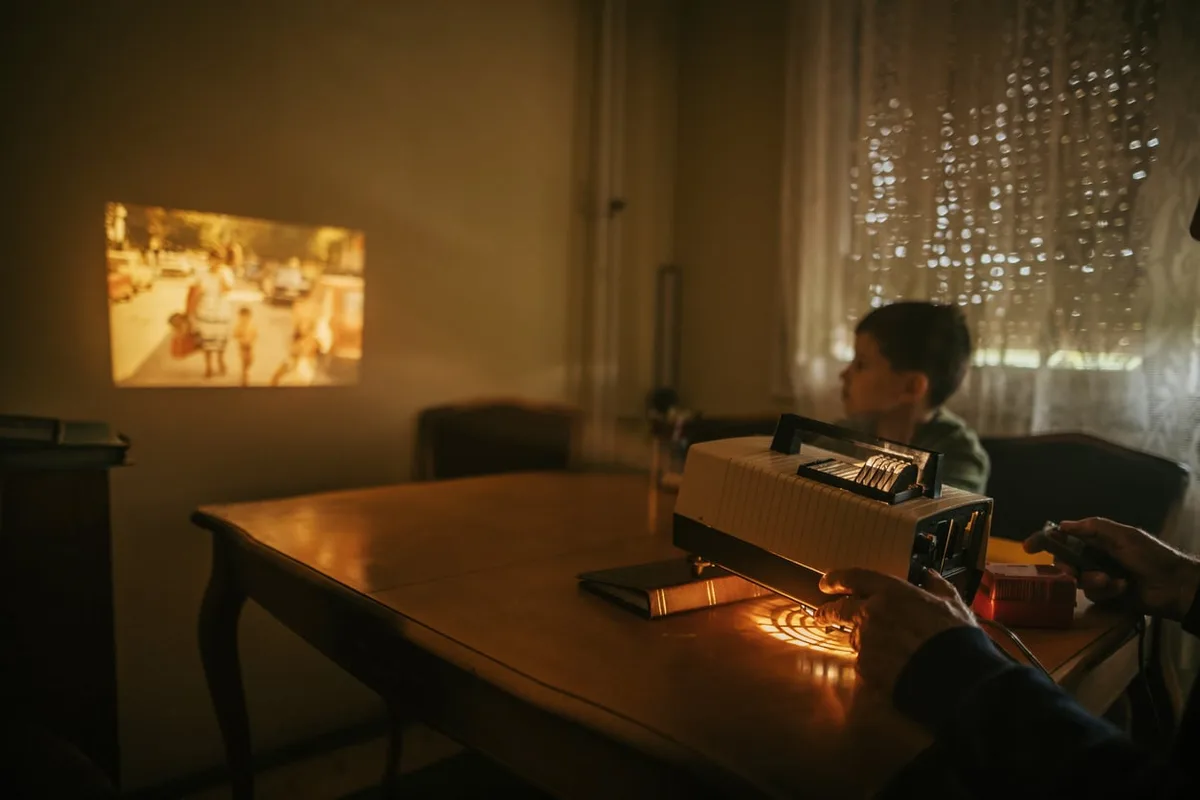
Nothing brightened a school day like the teacher switching off the lights and wheeling in the projector. A filmstrip showed one still picture at a time while a record or cassette played the narration, and a little beep told the teacher when to move on to the next frame. Some lucky pupil always got to be the one who advanced the slides. It was low-tech magic, and the whole class went quiet the moment the room went dark.
6. Shag Carpet You Could Lose Things In
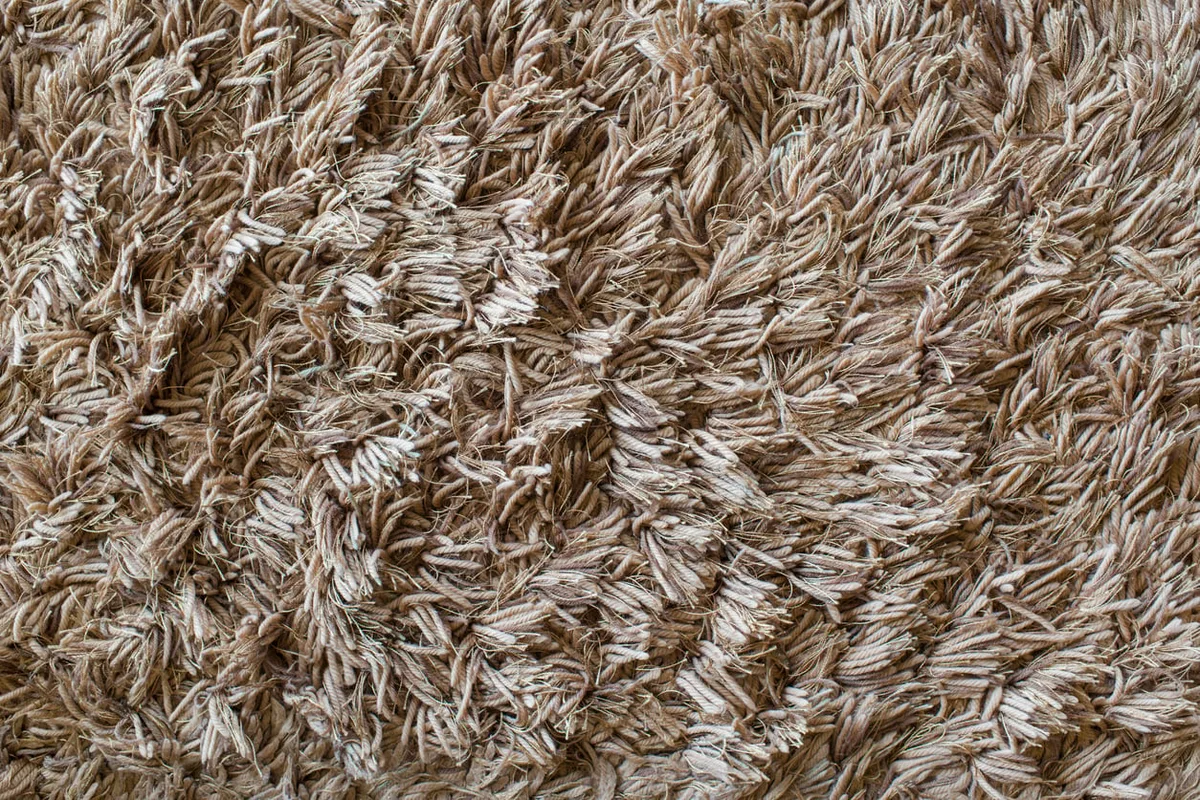
Shag carpet was the seventies in flooring form: deep, soft and completely impractical. Coins, crumbs, small toys and anything else you dropped vanished into the pile and might not be seen again for months. It came in colours that barely existed in nature, and keeping it tidy meant raking it like a tiny lawn. Walking barefoot across it on a cold morning was one of the decade’s small, everyday pleasures.
7. Avocado Green and Harvest Gold Appliances
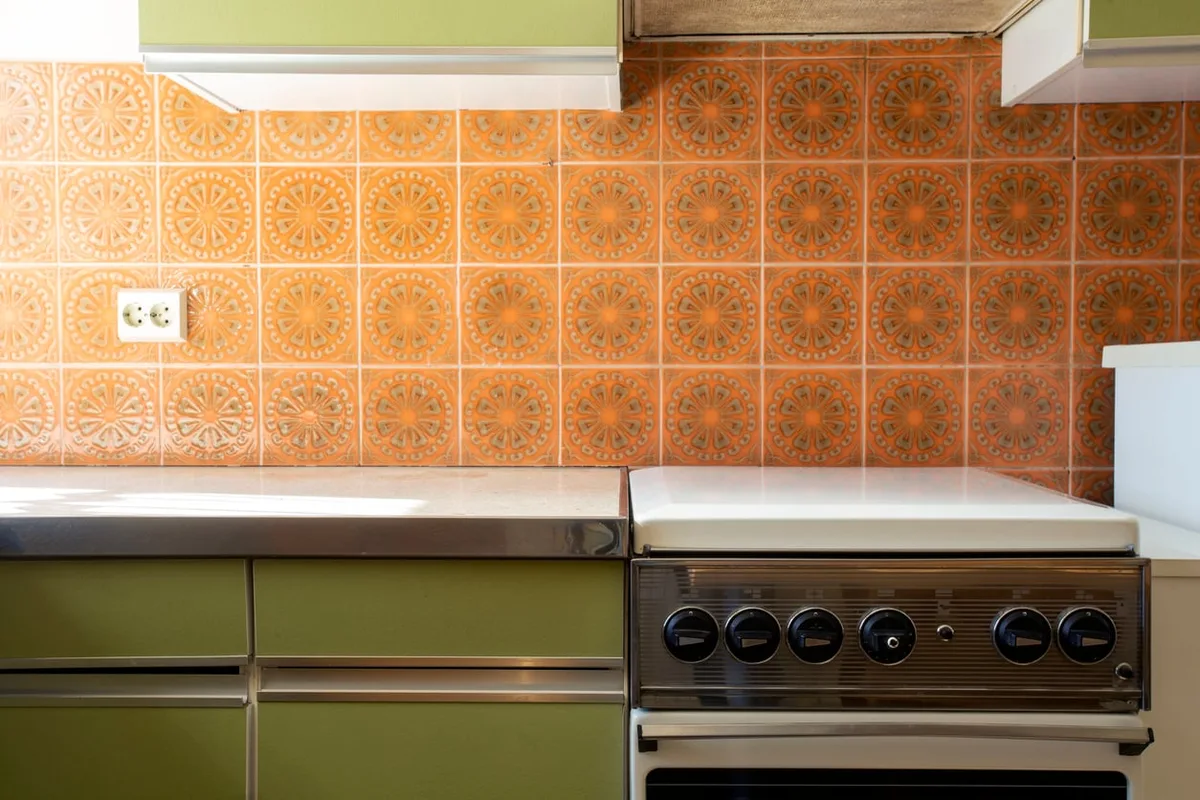
Walk into a seventies kitchen and the colours hit you first: avocado green and harvest gold, on the fridge, the cooker, the dishwasher and sometimes even the sink. It was the height of fashion, and the earthy tones matched the dark wood cabinets and patterned floors perfectly. A green fridge alone could date a whole house. Today those colours look gloriously dated, but back then they meant your kitchen was modern.
8. Wood Paneling Everywhere
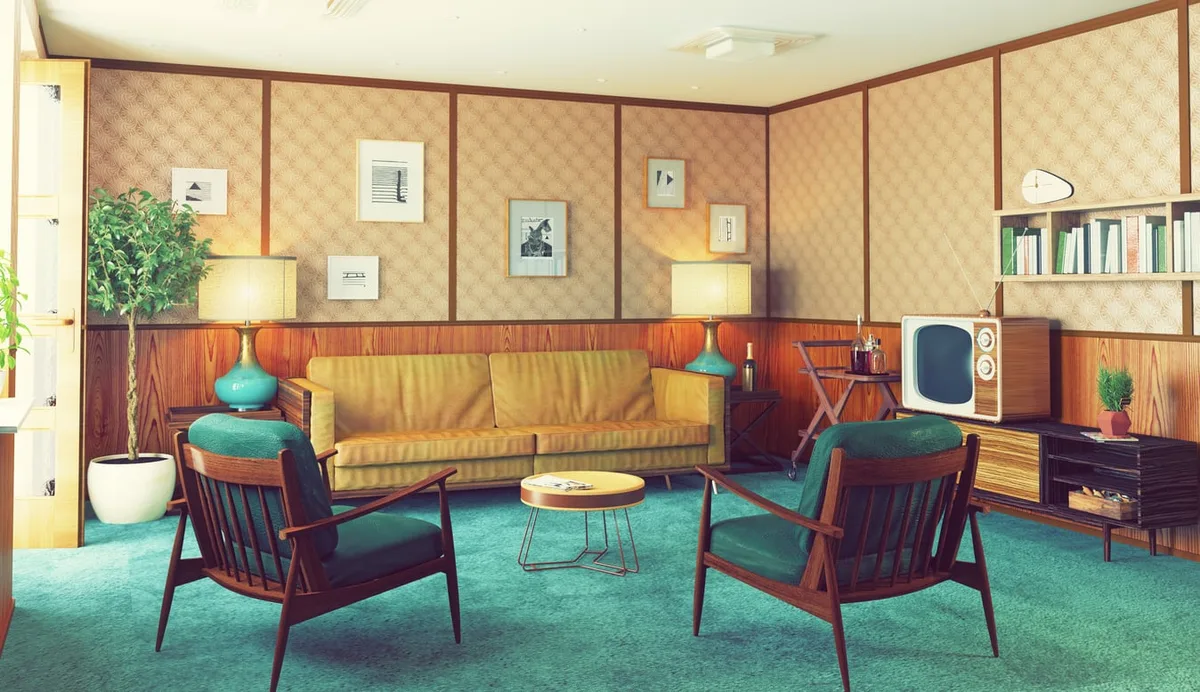
If the carpet did not give the decade away, the walls certainly did. Wood panelling covered dens, basements and family rooms from floor to ceiling — sometimes real veneer, often a cheaper imitation. It went hand in hand with brown sofas, orange cushions and brass lamps, and it made every room feel warm and enclosed. The only problem was that four walls of dark fake walnut could make even the sunniest room feel like a cave.
9. Giant Console Televisions That Were Basically Furniture
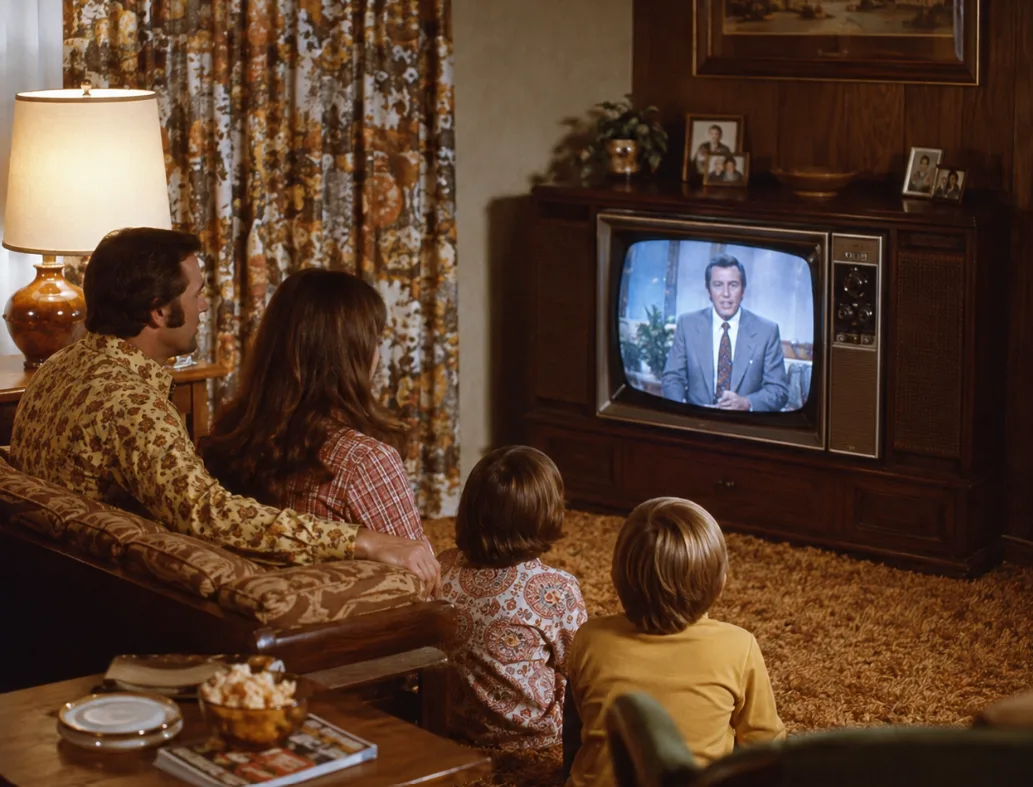
A seventies television did not hang on the wall — it owned a corner of the room. The set sat inside a huge wooden cabinet with speaker grilles, chunky channel knobs and a top surface wide enough for framed family photographs. These consoles were so heavy that when one broke down, you called a repairman rather than throwing it out. The television was furniture first and electronics second, and it anchored the whole living room.
10. Record Players, 45s, and Stacks of Albums
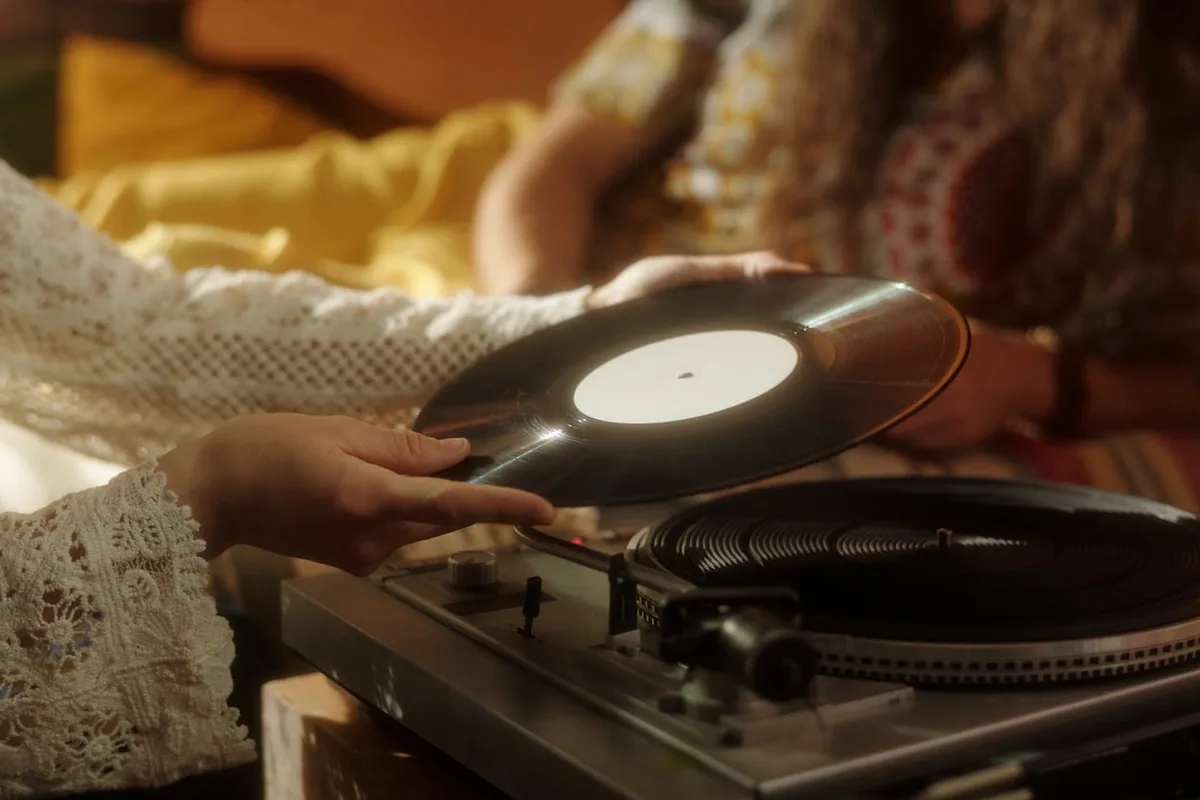
Music in the seventies took up real space. Albums came with big sleeves full of artwork, lyrics and liner notes worth reading while the record played, and singles arrived as 45s with a fat hole in the middle that needed a little plastic spider to fit the turntable. Playing your favourite song again meant lifting the needle and dropping it back by hand. Choosing what to play next was half the pleasure — there was no shuffle, only you and your collection.
11. Station Wagons With Kids Riding in the Very Back

Before the minivan, there was the station wagon — long, wide and usually wearing fake wood panelling along its sides. The best seat in the house was the very back, facing backwards, where children could watch the road disappear behind them and wave at the drivers stuck in traffic. Luggage, coolers, pillows and a tangle of road maps filled whatever space was left. It was the family car that made every holiday feel like an expedition.
12. Paper Road Maps Filling the Glove Compartment
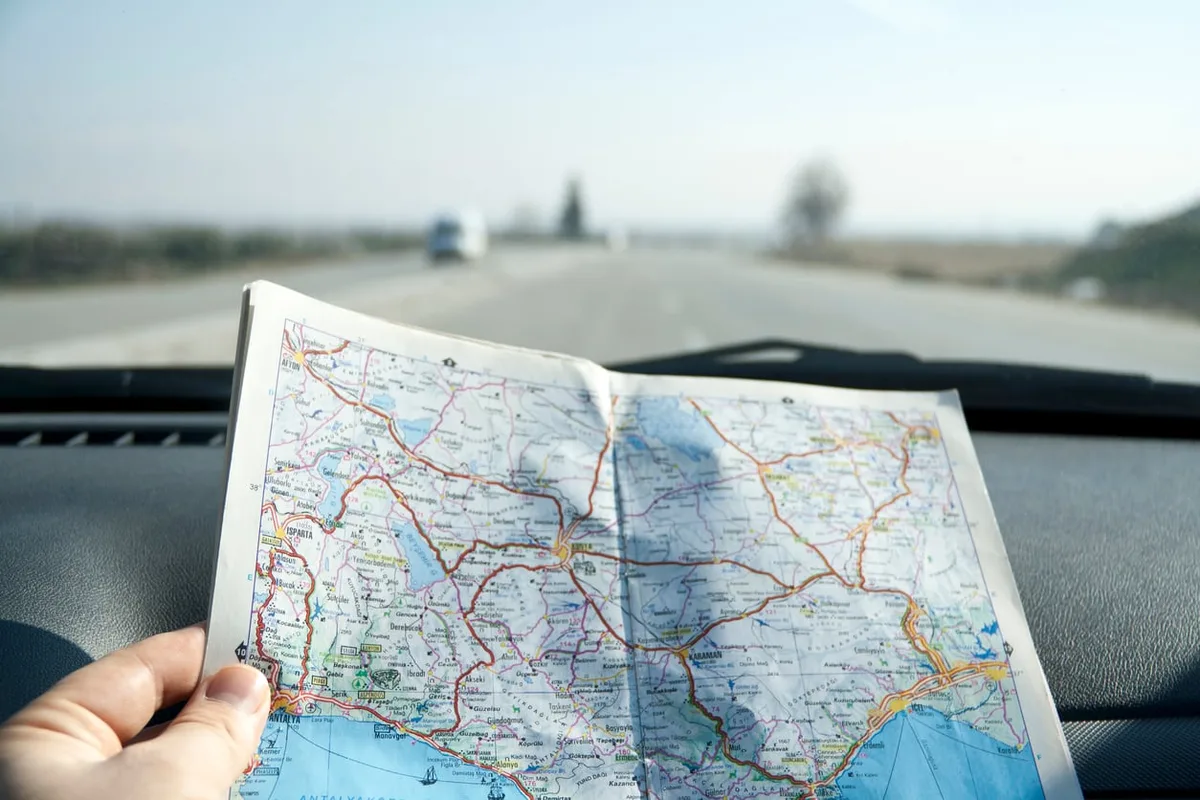
Getting lost in the seventies was a proper adventure. The glove compartment bulged with folded state maps and a road atlas, and planning a trip meant spreading a giant sheet across the kitchen table and tracing the route with a highlighter. Nobody could ever refold a map properly, and if you missed your exit, there was no calm voice telling you to turn around — you just drove on until you found a petrol station and asked a real person for directions.
13. TV Dinners in Aluminum Trays
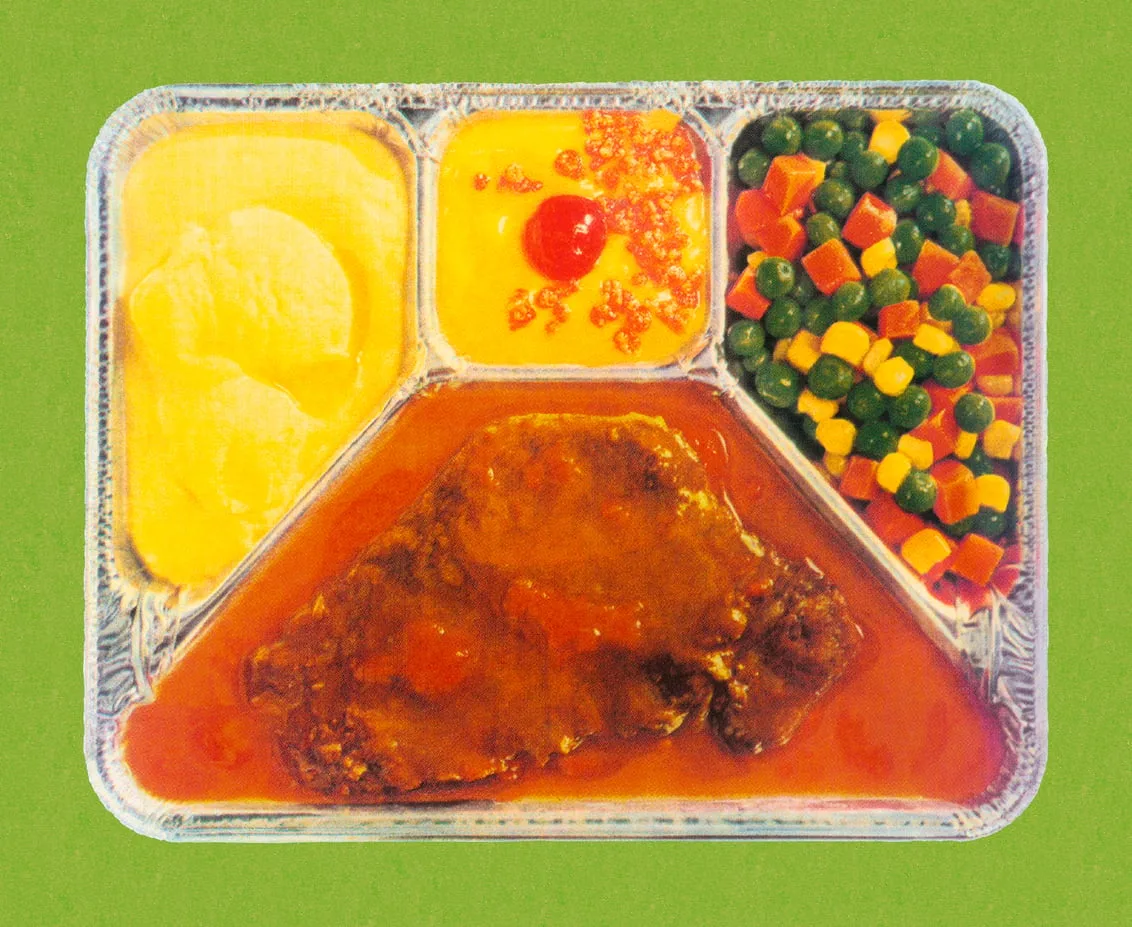
Dinner in front of the television came in a little aluminium tray divided into neat compartments: meat here, potatoes there, vegetables in the corner and a tiny dessert square that was either still frozen or hot enough to melt the roof of your mouth. The trays went into a proper oven, not a microwave, and the whole meal was ready in one go. It was convenience food with built-in suspense — you never quite knew how the brownie would turn out.
14. Clackers That Sounded Like a Construction Site

Clackers were beautifully simple and slightly alarming: two hard balls on strings, swung so they smashed together above and below your hand, faster and louder until they sounded like a building site. The trick was keeping the rhythm without smacking your own wrist, and the noise alone was half the fun. They were so rowdy that safety officials eventually stepped in — but for a while, every playground echoed with the clack-clack-clack of children showing off.
15. Lawn Darts That Actually Had Metal Points
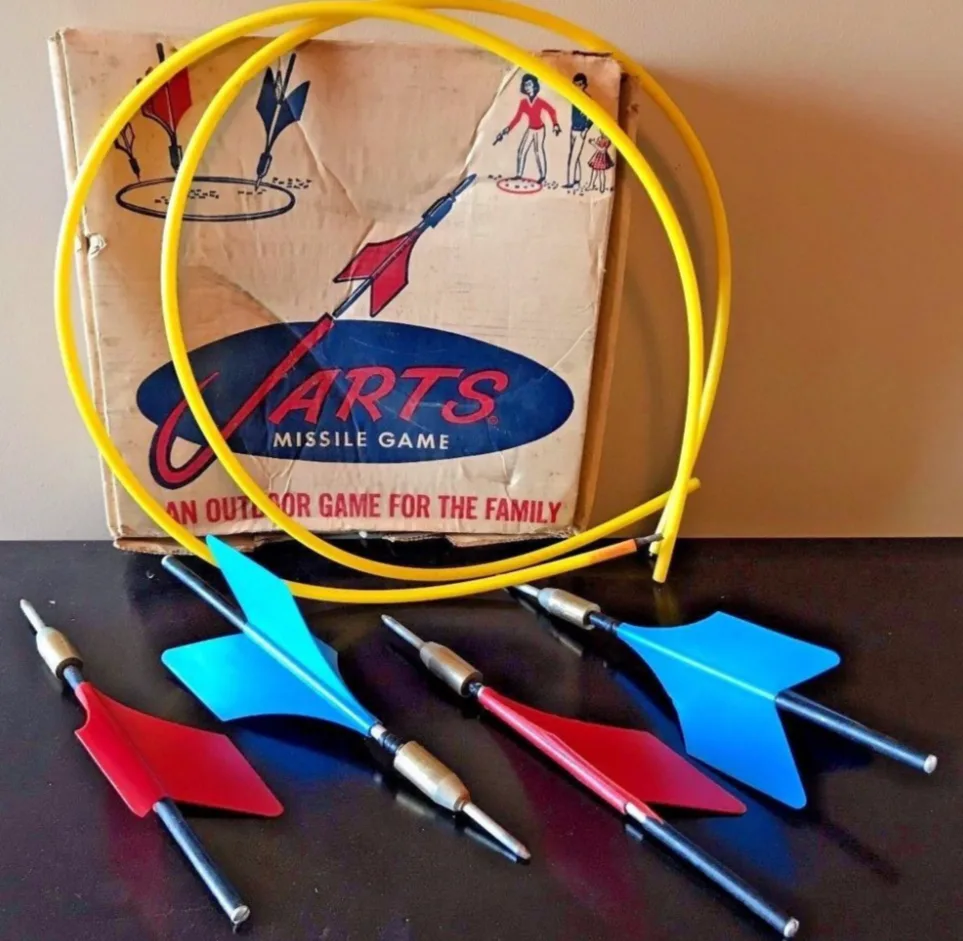
Lawn darts — Jarts, as everyone called them — were not the soft, safe garden toys sold today. These were heavy darts with real metal points, tossed underhand so they stuck in the ground inside a target ring. It worked exactly as designed, right up until somebody was standing where the dart landed. They were eventually banned after too many injuries, but for years they were a fixture of summer garden parties, played with a cheerful disregard for danger.
16. Being Told to Go Outside and Come Home When the Streetlights Came On
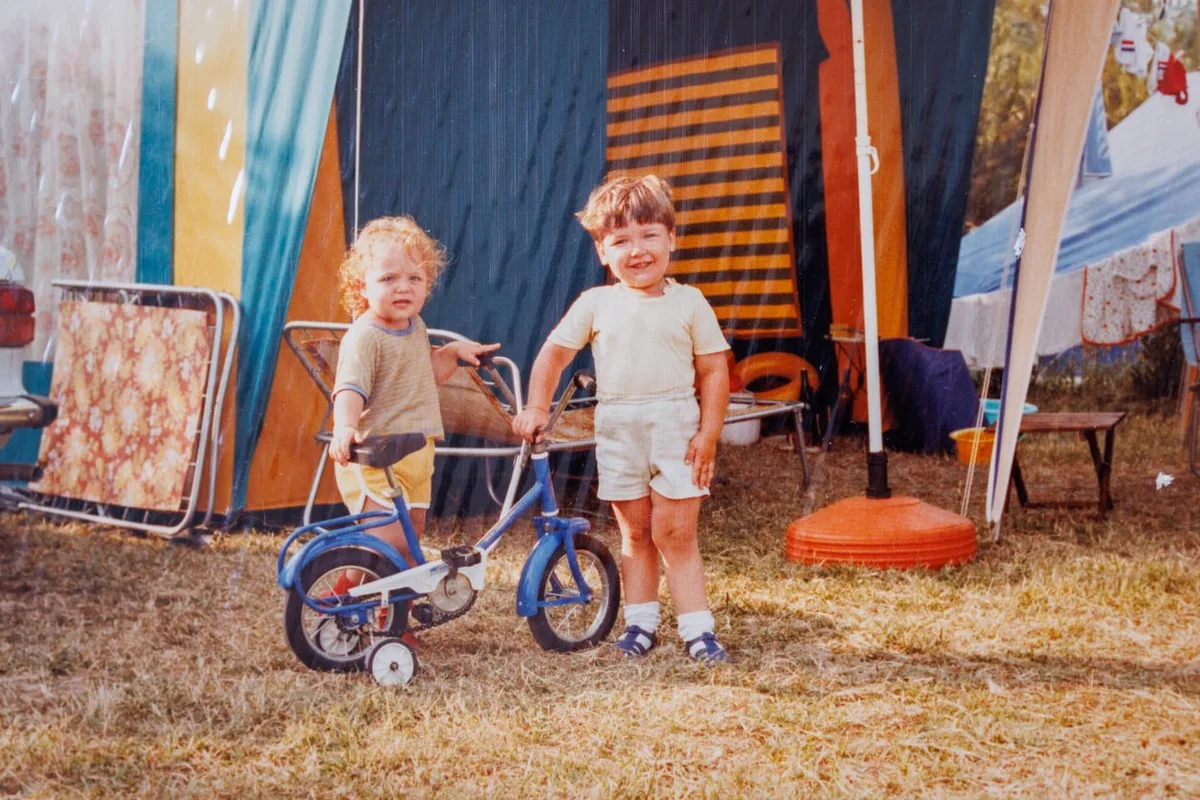
The seventies had one golden rule for children: go outside, and be home when the streetlights come on. There were no phones in pockets and no location sharing — you rode your bike, knocked on friends’ doors, invented games and vanished for hours, and somehow everybody always made it back in time for dinner. It was freedom in its simplest form, and the glow of the streetlights switching on is still the sound of a seventies childhood ending for the day.
The seventies were not perfect, but they were real. The phones had cords, the televisions had furniture, the carpets swallowed your coins, and the streetlights told you when to come home. If any of these sixteen memories made you smile, you were lucky enough to grow up in a decade when childhood happened outside, dinner came in a foil tray, and the best entertainment in the house was a stack of records and a Saturday morning cartoon.