 By ali4050284
Walk into a 1960s home and you would recognise almost everything — and almost none of it exists any more. The telephone had a dial you turned with your finger, the television needed a pair of metal rabbit ears on top, and the milk arrived in glass bottles on the doorstep. The decade was full of clever, clunky, beautifully mechanical objects that did their jobs with patience and a fair amount of noise. These twenty were in practically every house in the country, and today most of them survive only in attics and museums.
1. Rotary Phone
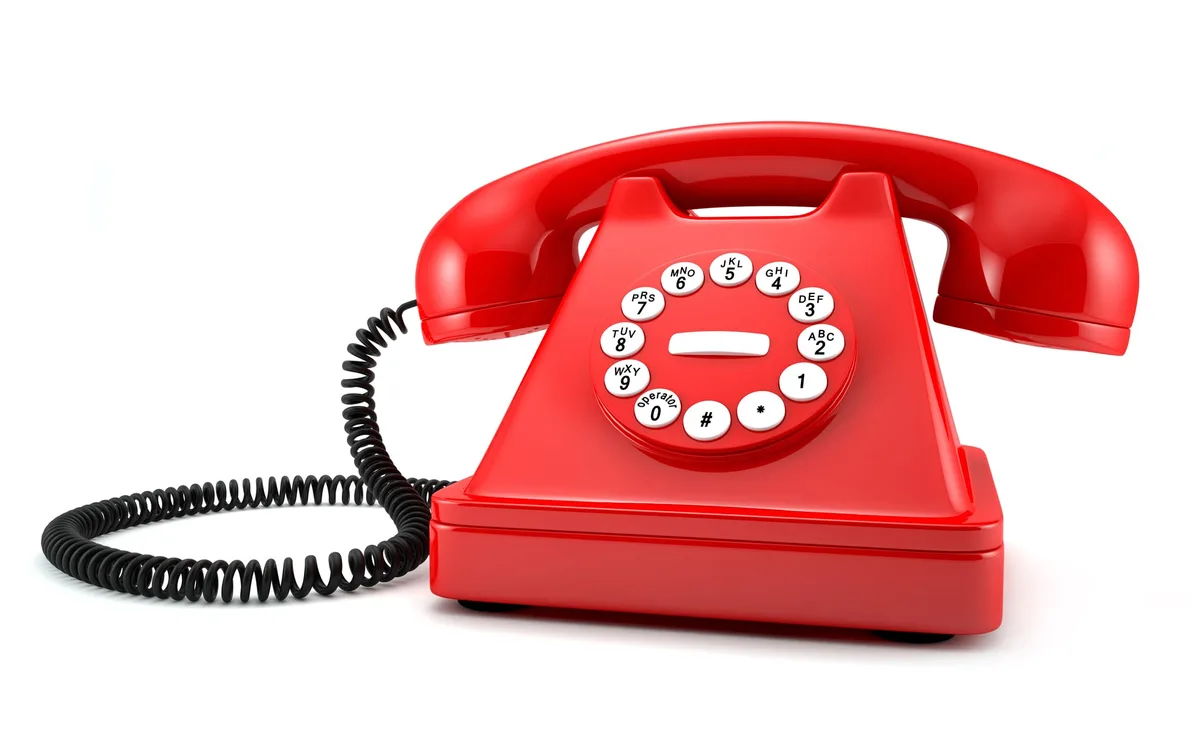
The rotary dial telephone ruled American homes throughout the 1960s, and using it demanded patience — every number needed a full turn of the dial before the next one could be entered. The coiled cord stretched across the room, giving you just enough freedom to pace while you talked. Phone books and little address books sat nearby, because nobody memorised every number. Today’s smartphones make these heavy machines seem absurdly limiting, but they were once the family’s main link to the outside world.
2. TV Antenna
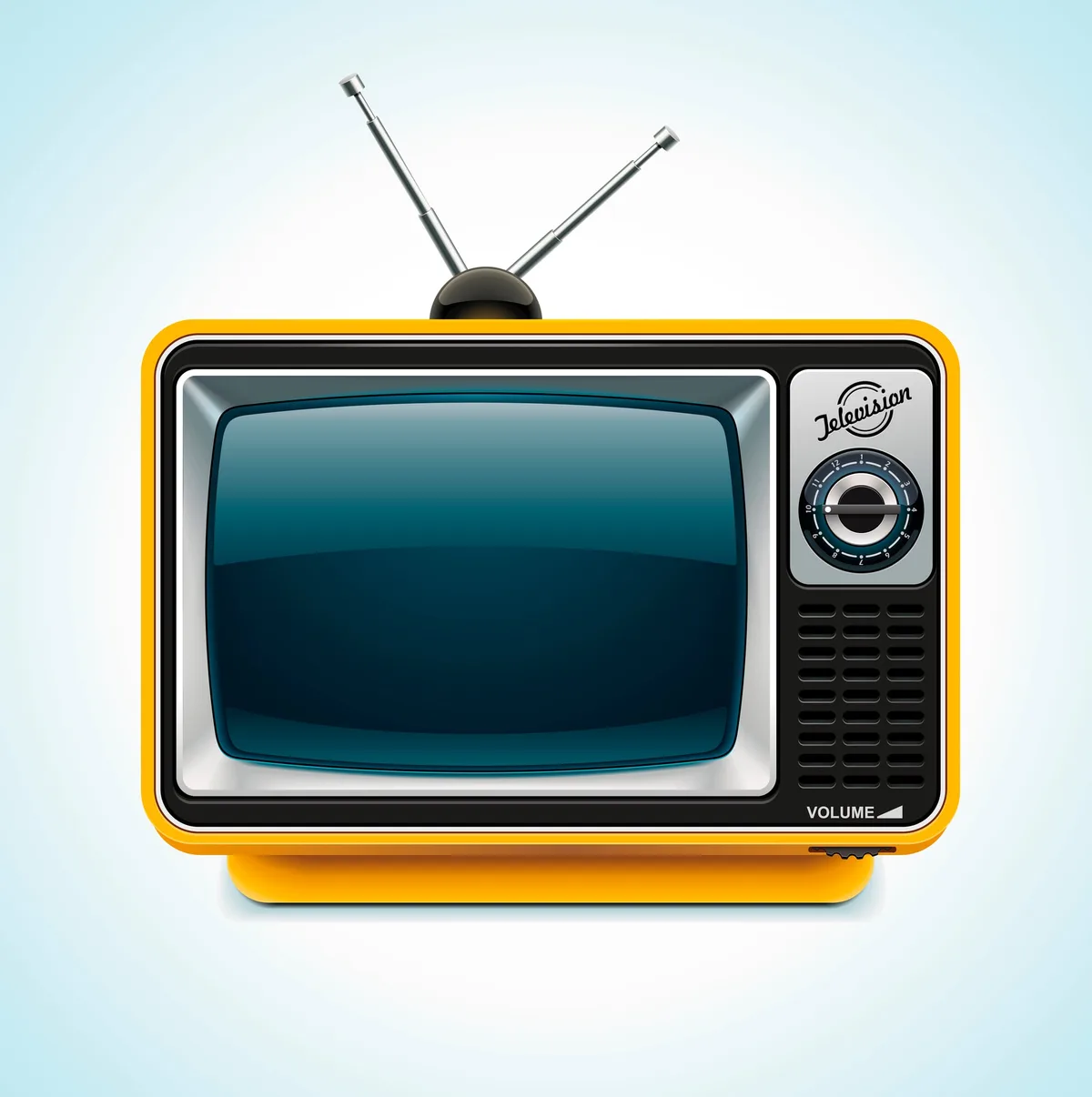
The rabbit-ear antenna perched on top of virtually every television set in the 1960s, and keeping the picture clear was a family job. One person stood at the set carefully moving the metal rods while someone else shouted directions from the sofa. Wrapping aluminium foil around the tips was the classic do-it-yourself trick for a stronger signal. Bad weather made the handful of channels even harder to receive, and the static and ghosting on the screen were simply accepted as part of watching television.
3. Record Player Console
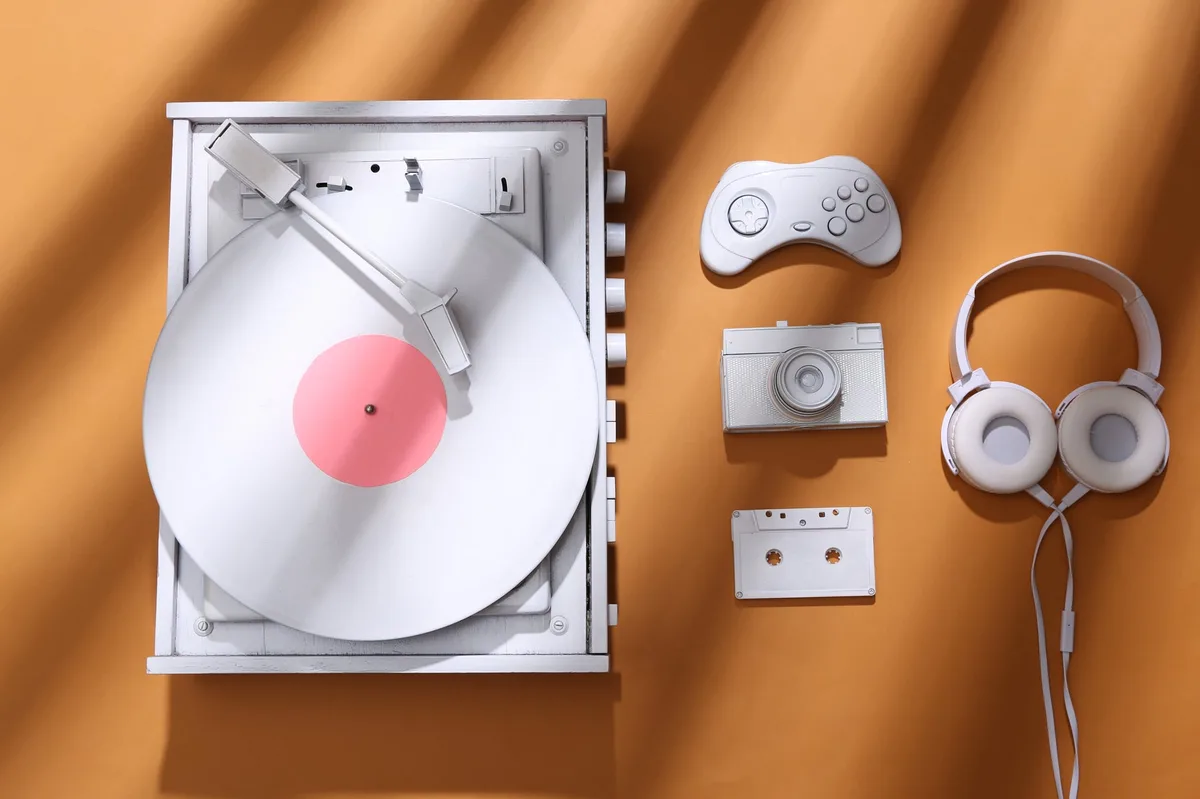
These enormous pieces of furniture dominated 1960s living rooms, combining a turntable, a radio and speakers inside a wooden cabinet that matched the rest of the room. Families gathered around to flip through their vinyl collections, handling each record carefully to avoid scratches. The warm, crackling sound of a needle meeting a groove became the soundtrack of countless evenings, and keeping the machine dusted and maintained was a point of pride.
4. Slide Projector
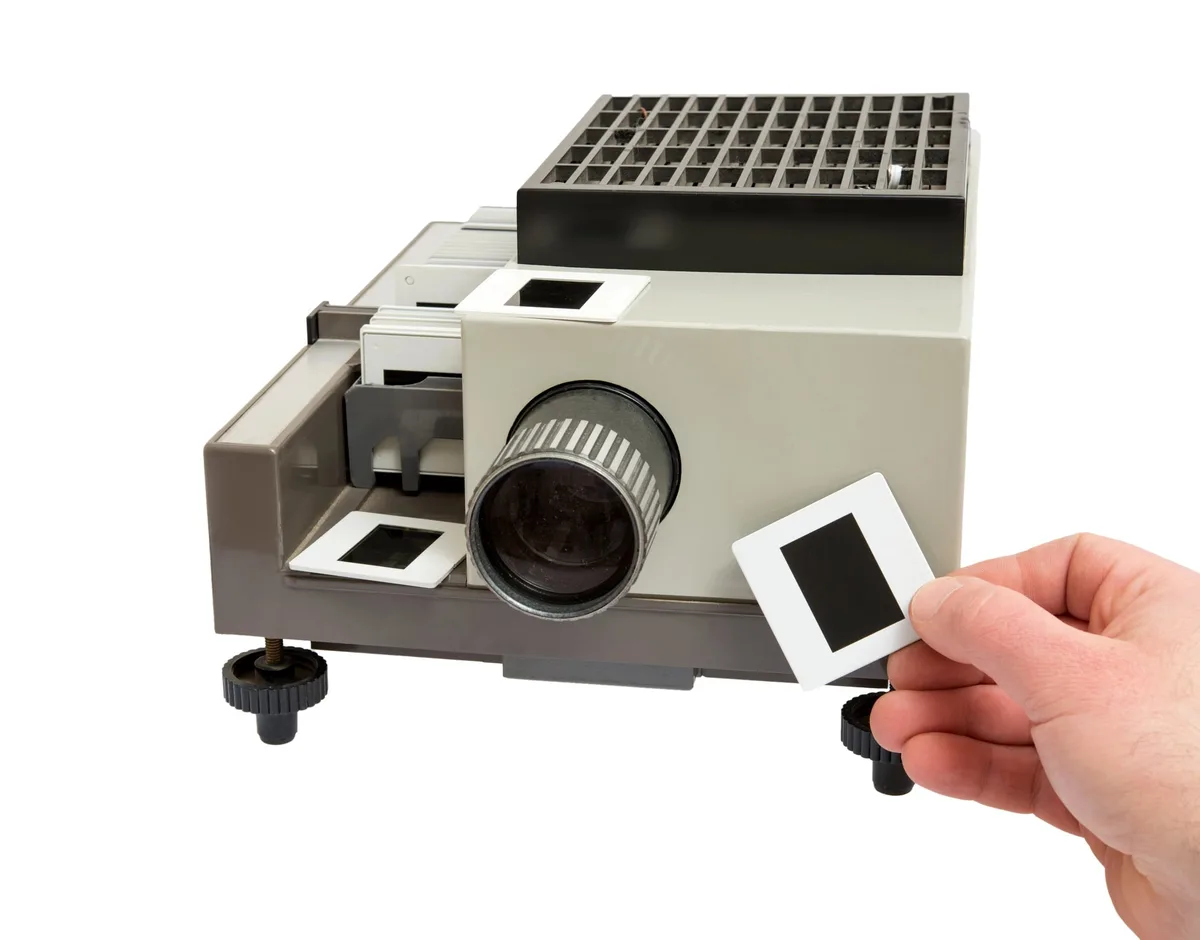
Family gatherings often centred on the slide projector, turning a living room wall into a screen for sharing holiday memories. The distinctive click and whir of the carousel moving to the next slide punctuated the stories told about each photograph. Setting it up was an event in itself — the screen, the darkened room, the careful placement — and the empty carousel trays and boxes of slides took up valuable closet space. It made photography a genuinely social occasion.
5. Adding Machine
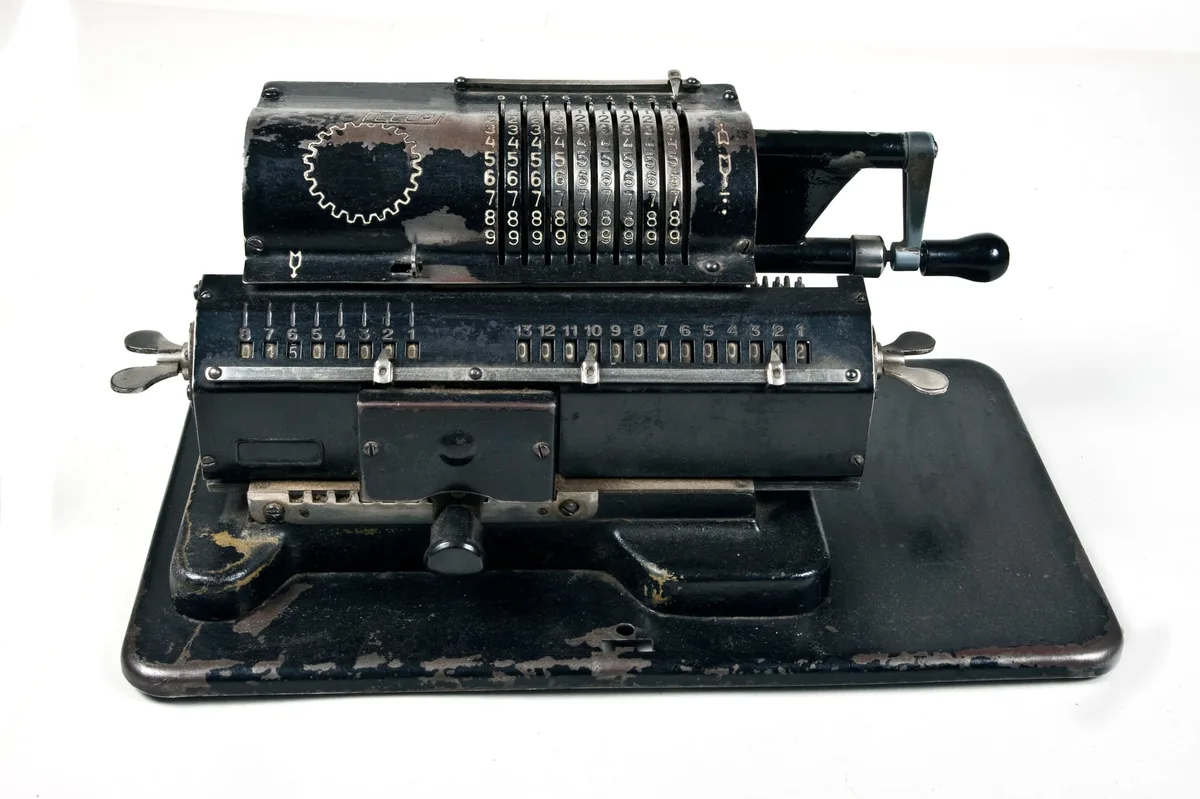
Long before pocket calculators and smartphones, the mechanical adding machine was essential for household bookkeeping. Its distinctive clicking filled the home office as you typed in numbers and pulled the lever to work out the total, while a roll of paper tape kept a physical record of every sum. The machines needed regular care, including ribbon changes and cleaning, and every calculation was a hands-on, mechanical experience.
6. Milk Delivery Box
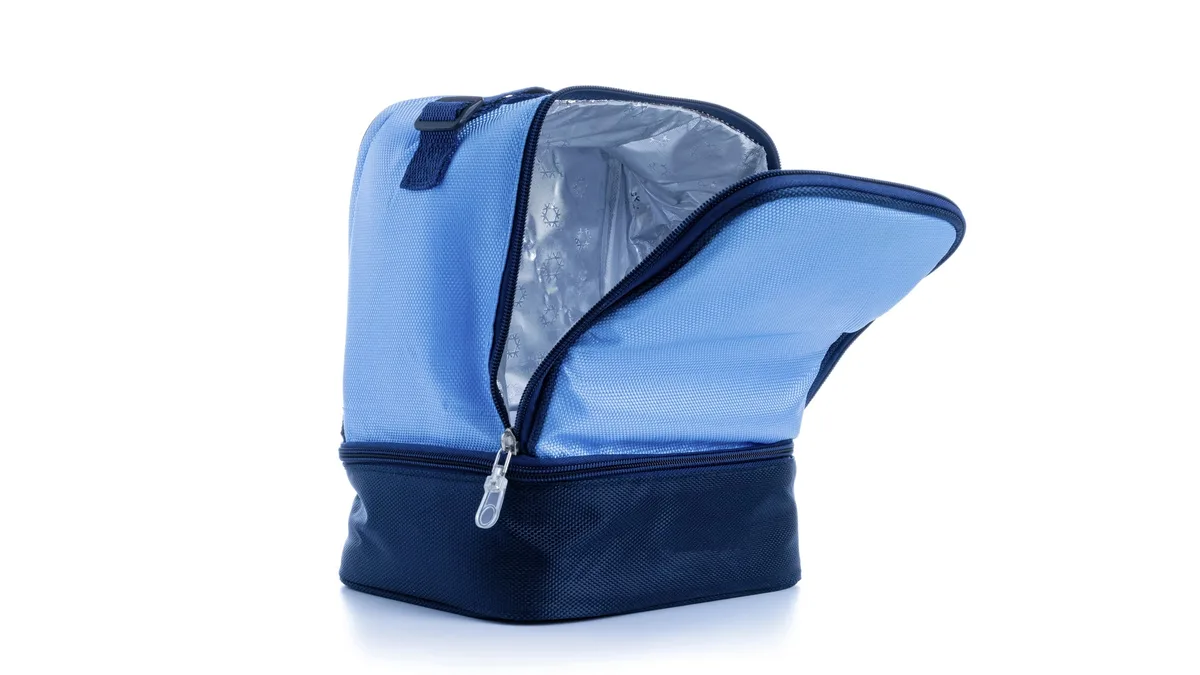
The insulated milk delivery box stood beside many front doors, protecting glass bottles of fresh milk that arrived in the early morning hours. Families left the empty bottles and the payment inside for the next delivery. The clink of glass bottles being exchanged became a familiar morning sound. These boxes were a direct link to the local dairy, and a far more personal way of getting food than anything that came later.
7. Carpet Sweeper
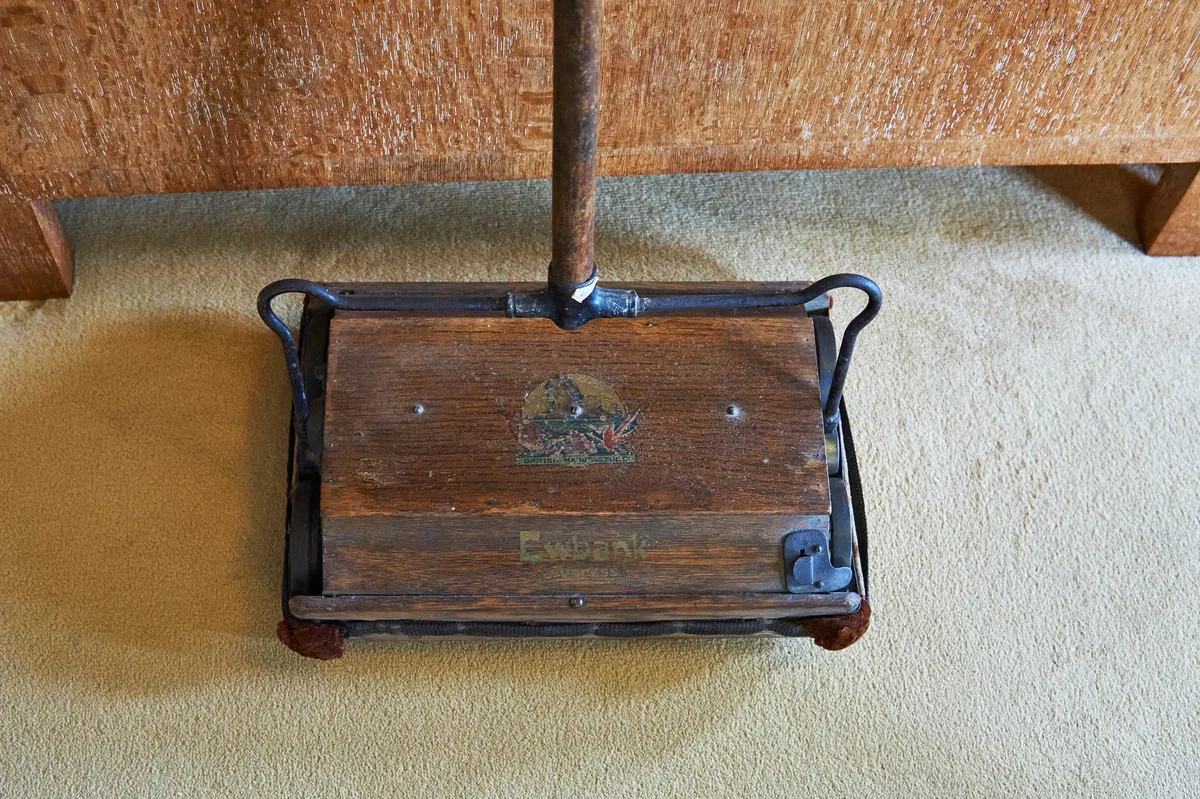
The manual carpet sweeper offered a quiet alternative to the vacuum cleaner, its rotating brushes picking up dirt through purely mechanical action. It was perfect for a quick clean-up without waking a napping baby or interrupting a phone call. The soft swishing of bristles on carpet became part of the daily cleaning routine, and emptying the collected dirt needed a careful hand to avoid spilling it all over again.
8. Ice Cube Trays with Lever
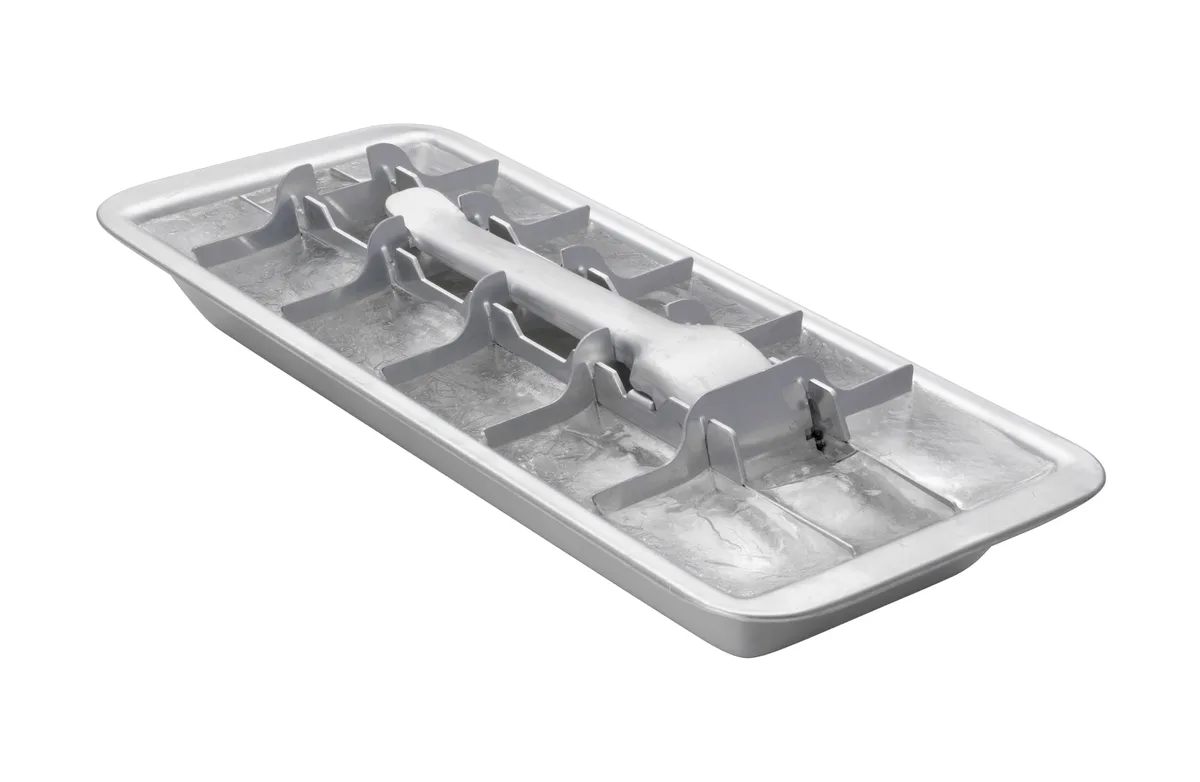
Metal ice cube trays with lever mechanisms were standard in every freezer. The satisfying crack of the lever breaking the frozen cubes loose was a familiar sound, and filling the trays took a delicate touch to avoid spills. Ice was limited, so families rationed it carefully during parties. These trays eventually gave way to automatic ice makers, but nobody who used one has forgotten that little lever.
9. Transistor Radio
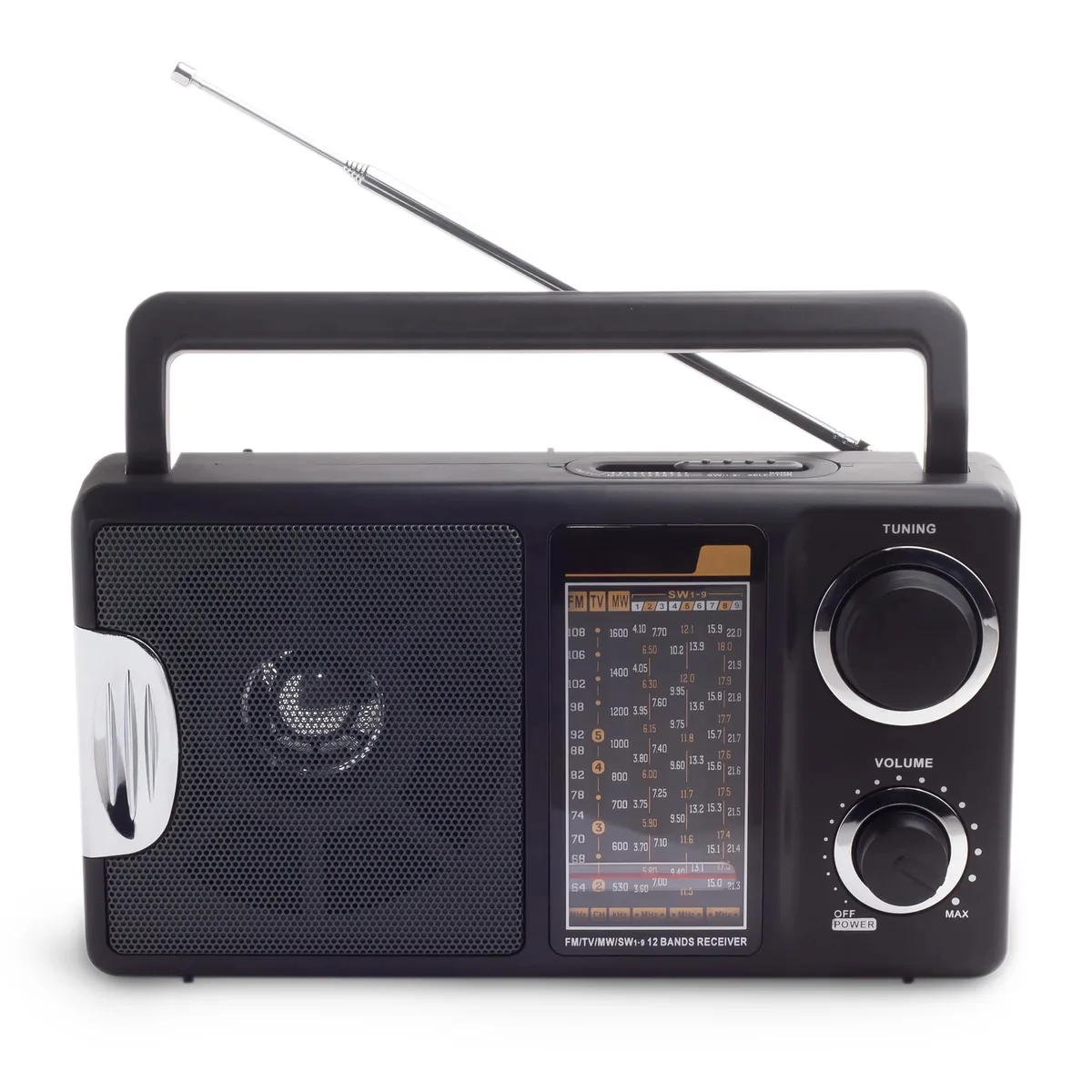
These little portable radios meant freedom and independence for many teenagers. The single earpiece allowed for private listening while still keeping one ear on the world, and battery life was a constant worry, so the radio was used strategically. Tuning in to local stations kept you connected to music and news wherever you went. Static and interference were simply part of the experience.
10. Carbon Paper
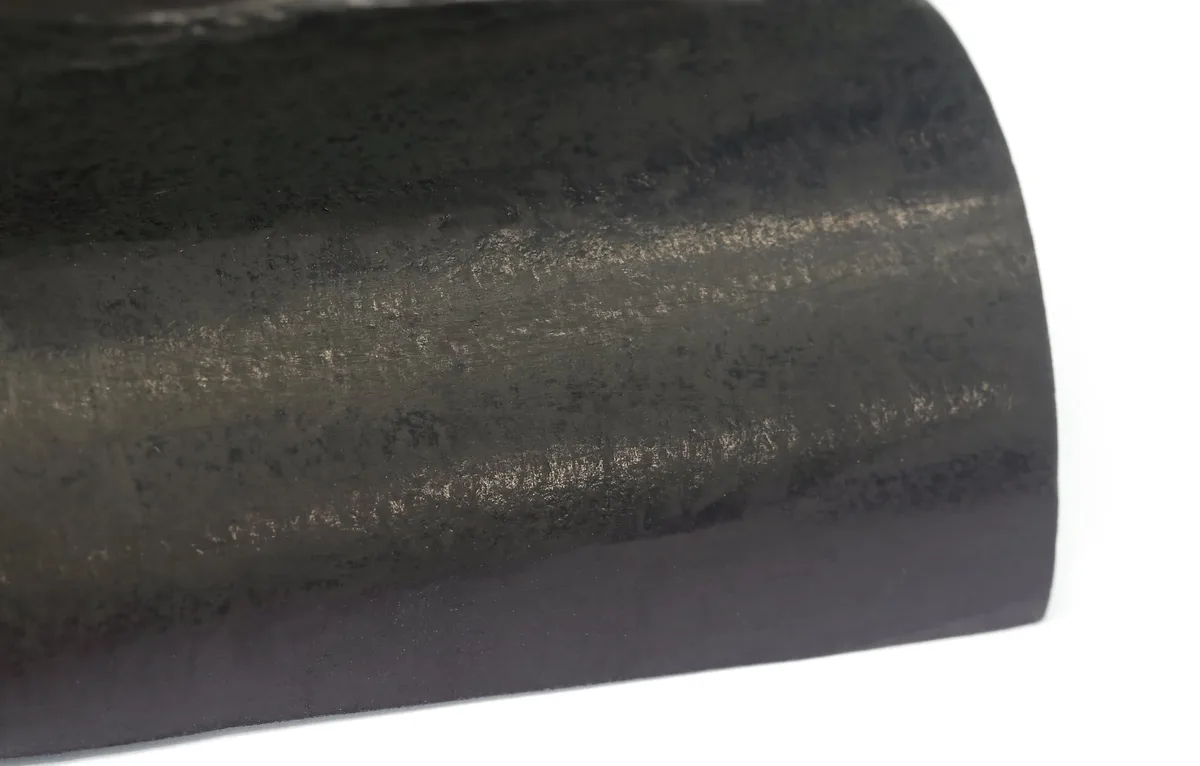
Carbon paper made duplicate copies possible before photocopiers became common. The dark blue sheets left marks on hands and clothing, so they needed careful handling, and office workers and students relied on them for backup copies of important documents. Lining the papers up properly took attention and steady hands. The distinctive blue text of a carbon copy was instantly recognisable to anyone who saw it.
11. Film Developing Envelope
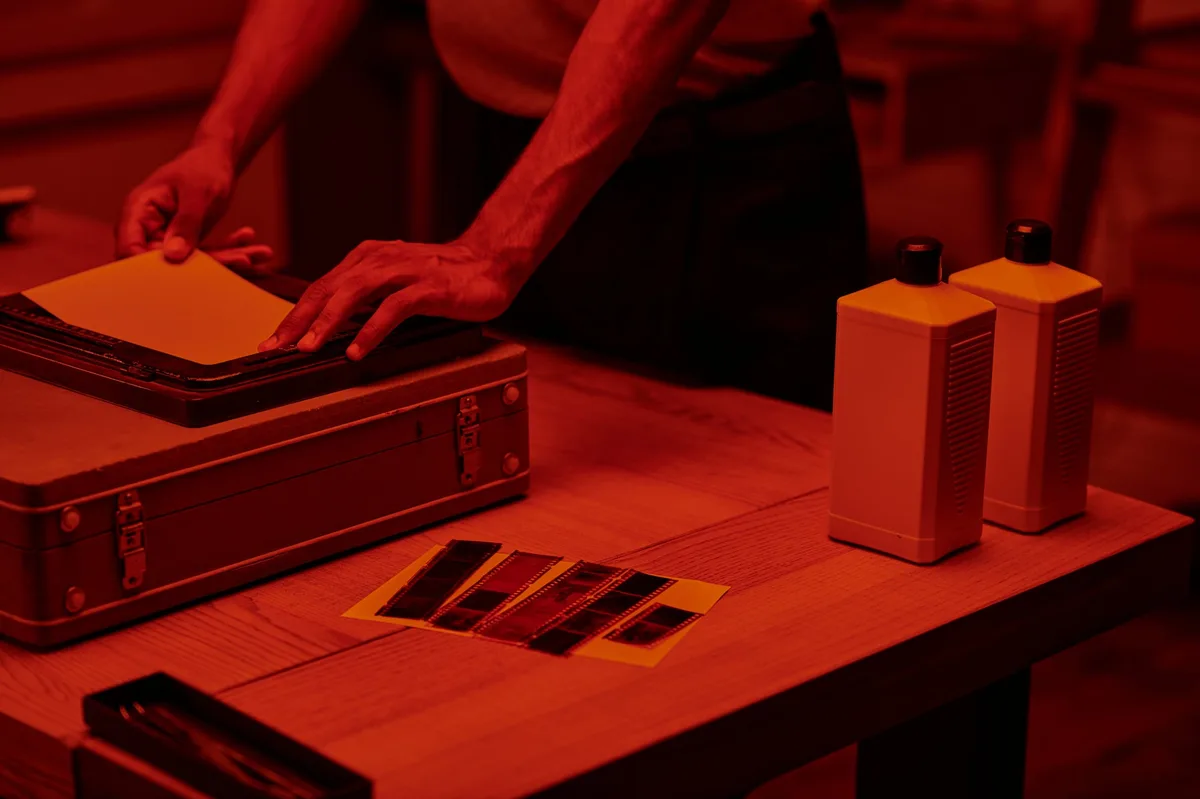
These paper envelopes held precious memories waiting to be developed. Families carefully counted their exposures and dropped the full roll of film off at the local drugstore, then waited days for the photographs to come back. The anticipation of picking up the developed pictures was half the excitement. Keeping track of several envelopes and their pick-up dates took organisation, and the cost of developing decided how many photographs people were willing to take.
12. Sewing Pattern Books
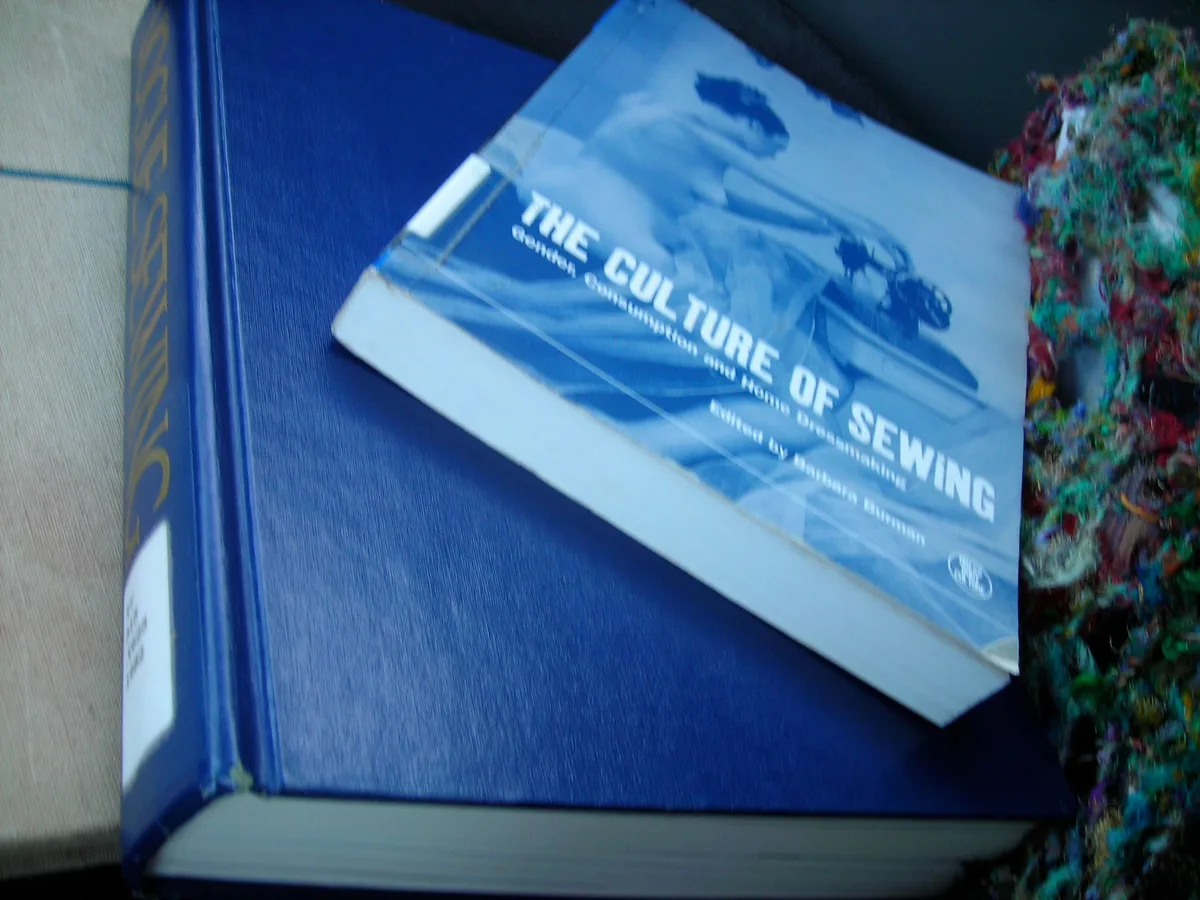
Thick catalogues of sewing patterns filled drawers in many homes. Home sewists spent hours browsing them for clothing designs to make, and the tissue-paper patterns needed careful handling to avoid tears and wrinkles. Pattern pieces were often shared among friends and family. These books stood for both creativity and practical necessity, in a time when making your own clothes was simply how many families dressed.
13. Typewriter Eraser
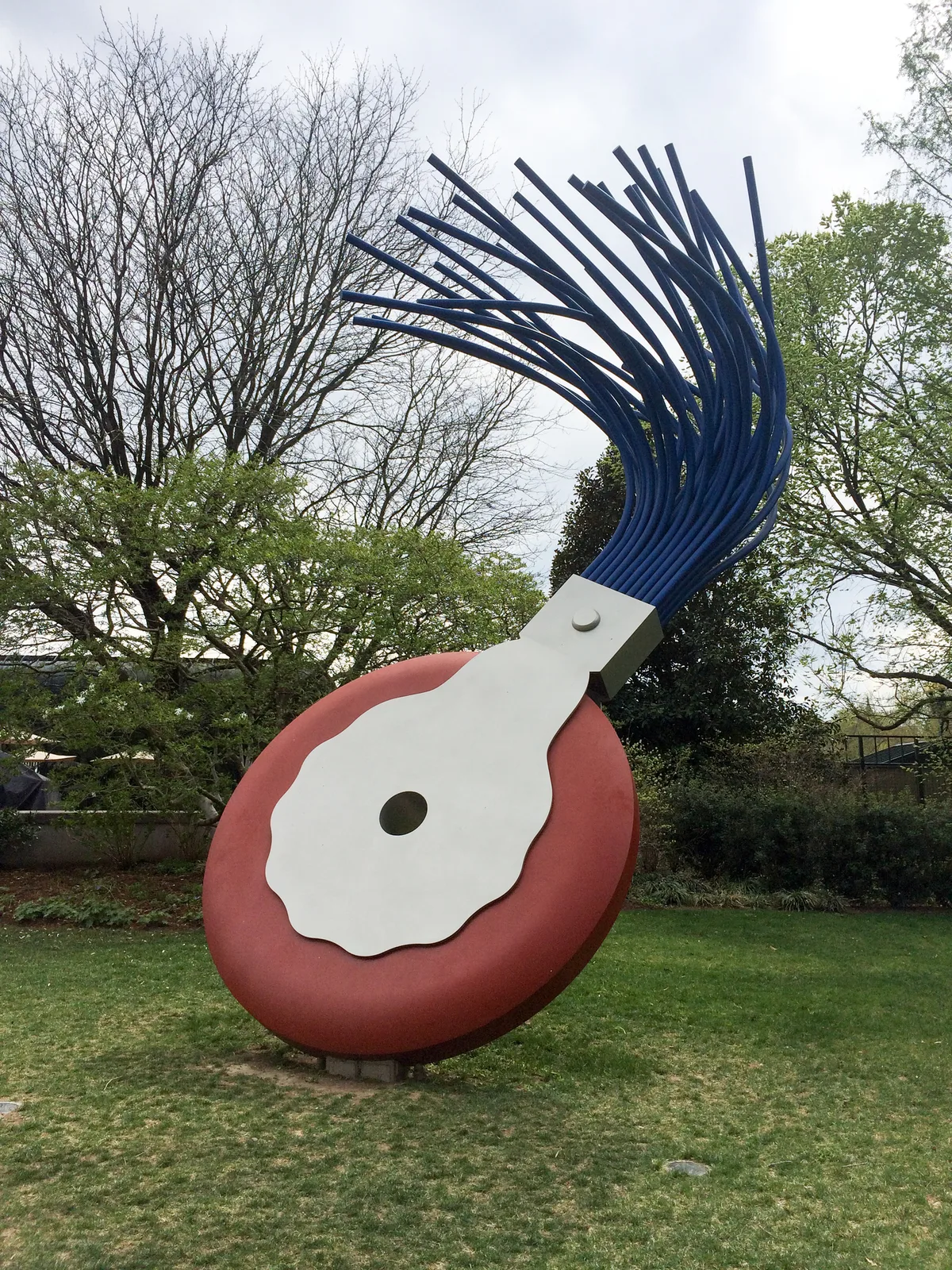
These small tools combined an eraser wheel with a brush for removing typing mistakes. The rough eraser surface could wear right through the paper if you pressed too hard, so secretaries and students kept them close at hand and used them gently. The brush end swept the eraser debris away from the page. Perfect typing became a valued skill, if only to avoid needing the eraser at all.
14. Vinyl Furniture Covers
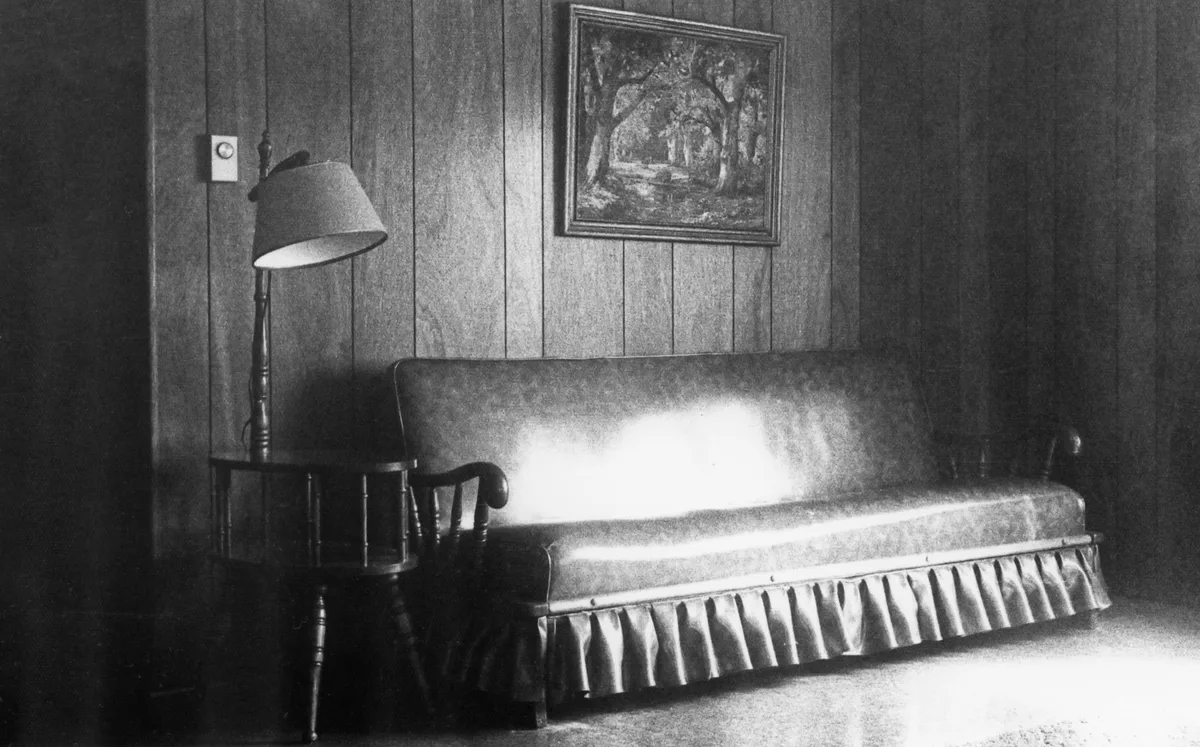
Clear plastic covers protected prized furniture from daily wear, and anyone who sat on them in summer remembers the unmistakable sound of vinyl peeling away from skin on a hot day. The covers preserved the upholstery but sacrificed comfort, especially in warm weather. Regular cleaning kept the plastic clear and stopped moisture building up underneath. Some families only took the covers off for special occasions.
15. Phone Book
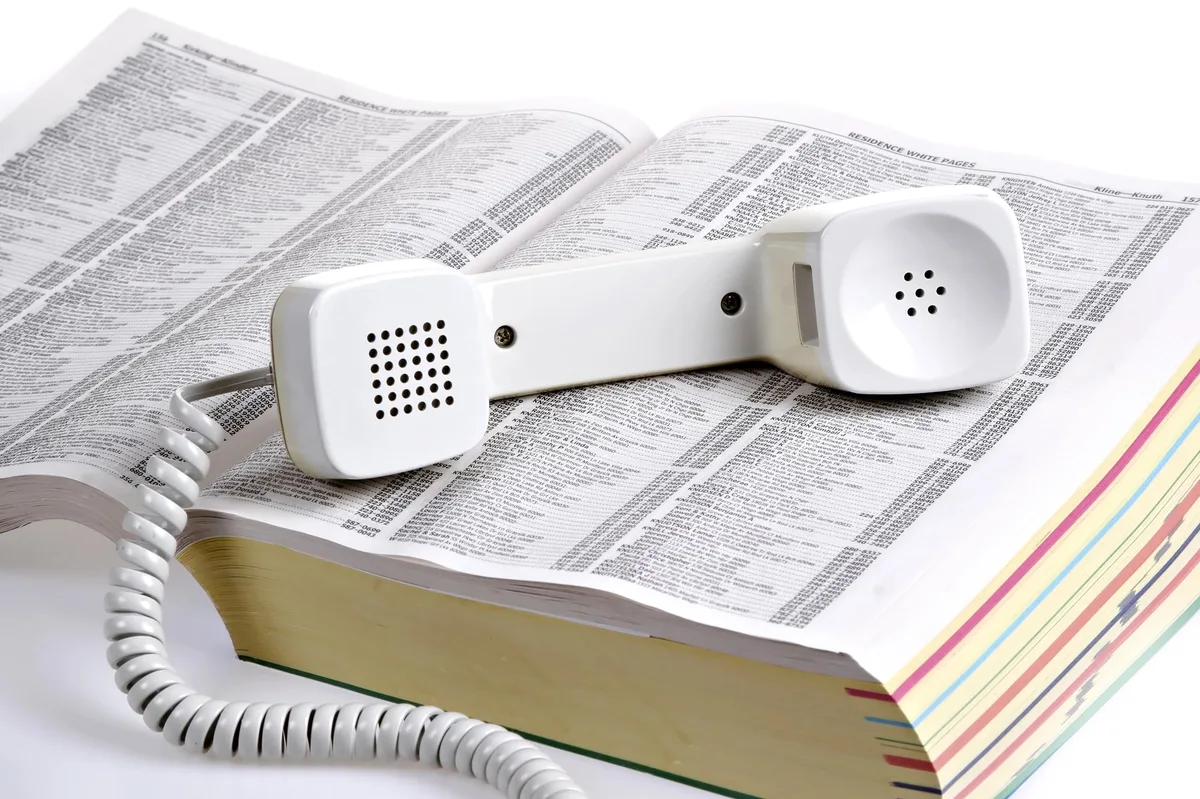
The arrival of the new phone book each year was a genuine event. These thick volumes held the residential and business listings for entire communities, and the yellow pages served as a complete business directory. Old phone books were put to work as booster seats for small children or as paperweights. Finding a number meant knowing the correct spelling and how the alphabet worked — there was no search box to do it for you.
16. Mimeograph Papers
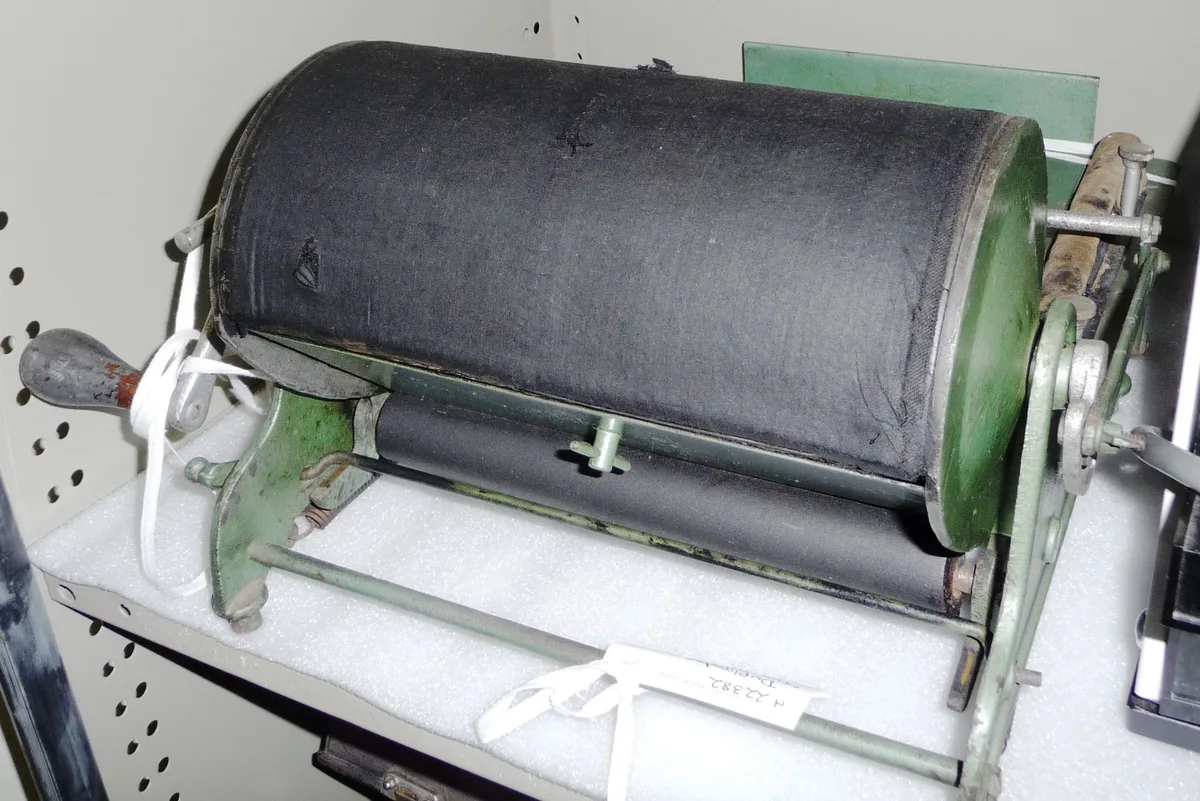
The distinctive purple ink and chemical smell of mimeographed papers filled schools and offices, and the copies had a texture that many people still remember. The quality depended on the condition of the original stencil, and teachers relied on the machine for handing out worksheets and notices. Fresh ink smudged easily, so the pages needed careful handling — and every child of the era can still picture the teacher holding up a warm, damp stack of freshly printed sheets.
17. Flash Bulbs
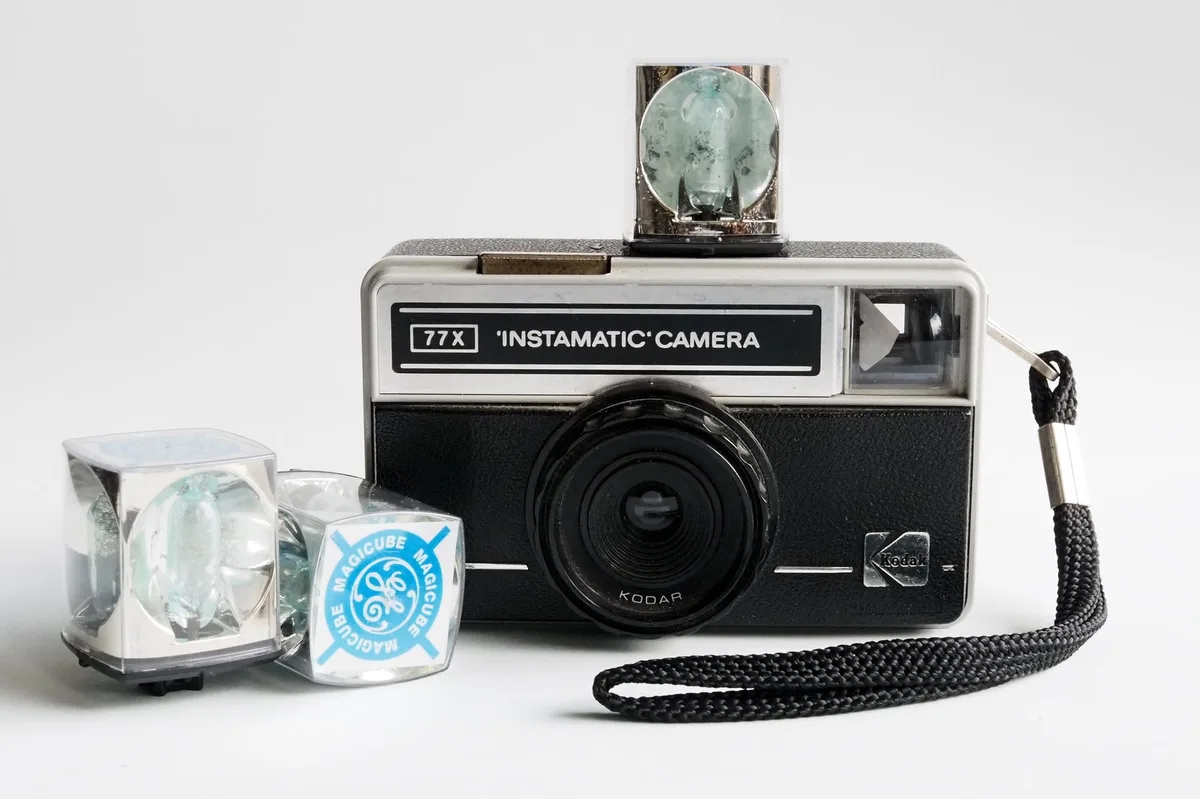
Photography in the 1960s needed a supply of single-use flash bulbs for indoor pictures. The bulbs grew hot when they fired, so they needed careful handling, and the photographer had to change the bulb after every single flash photograph. The bright burst of light often left everyone seeing spots. Used bulbs had to be thrown away properly because of the coating inside — one photograph, one bulb, every time.
18. Bottle Opener Wall Mount
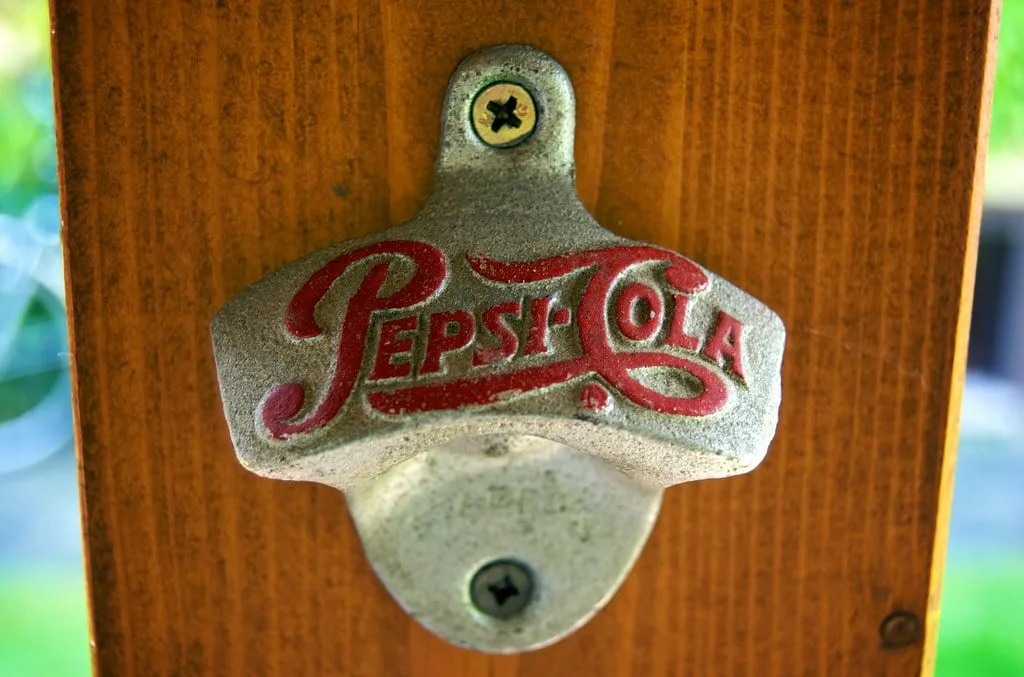
These mounted openers were staples of kitchens and workshops. The distinctive pop of a bottle opening became part of every social gathering, and the metal caps collected in a nearby container for disposal. The simple mechanical design almost never needed maintenance. These openers belonged to a time before twist-off caps became standard, when opening a bottle always took a proper tool.
19. TV Guide
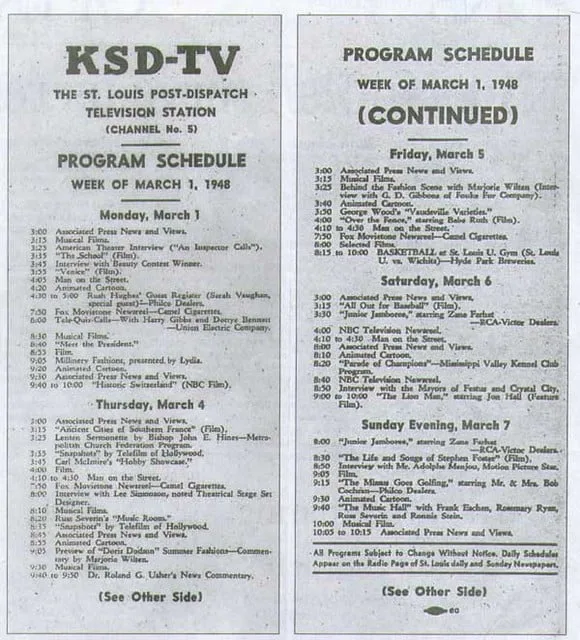
The weekly television schedule arrived in the mail or with the Sunday newspaper, and families circled their favourite shows and planned the week’s viewing around it. The magazine also carried articles about television stars and upcoming programmes, and special issues highlighted new season premieres and holiday specials. This little publication shaped how the whole country watched television.
20. Paint Stirring Paddle
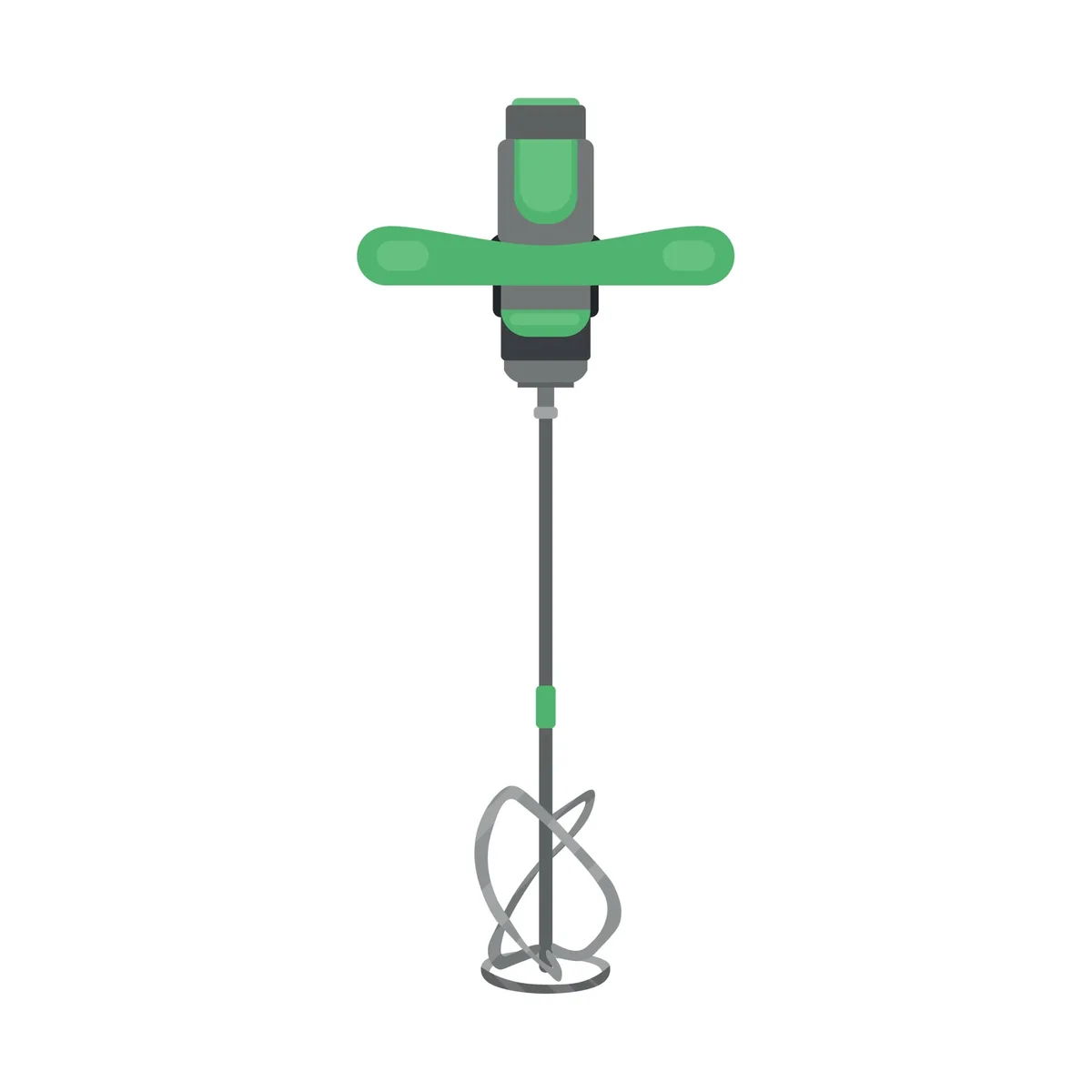
Manual paint stirring paddles were essential for home improvement projects. The wooden paddles needed strength and patience to mix paint properly, and cleaning up meant carefully scraping off the excess to save it. Different colours needed different paddles to avoid contamination. These simple tools stood for the hands-on nature of home maintenance in an era when most families did their own decorating.
The digital revolution swept most of these objects away in a single generation, and the homes of today run on screens and sensors instead of dials, levers and paper tape. Yet anyone who grew up with a rotary phone or a rabbit-ear antenna can still hear the sounds — the whir of the dial returning, the crack of the ice tray lever, the click of the slide projector. They were not just household items; they were the background music of an entire decade.