 By ali4050284
Summer evenings in the 1960s had their own rhythm. As soon as dinner was finished, children poured out of their houses and into the backyards and streets, and the games began. Nobody needed equipment, batteries, or a screen — just imagination, a few friends, and the understanding that when the streetlights came on, it was time to go home. These fifteen games were the soundtrack of those long evenings, and anyone who played them can still hear the shouting and the laughter.
1. Hide and Seek
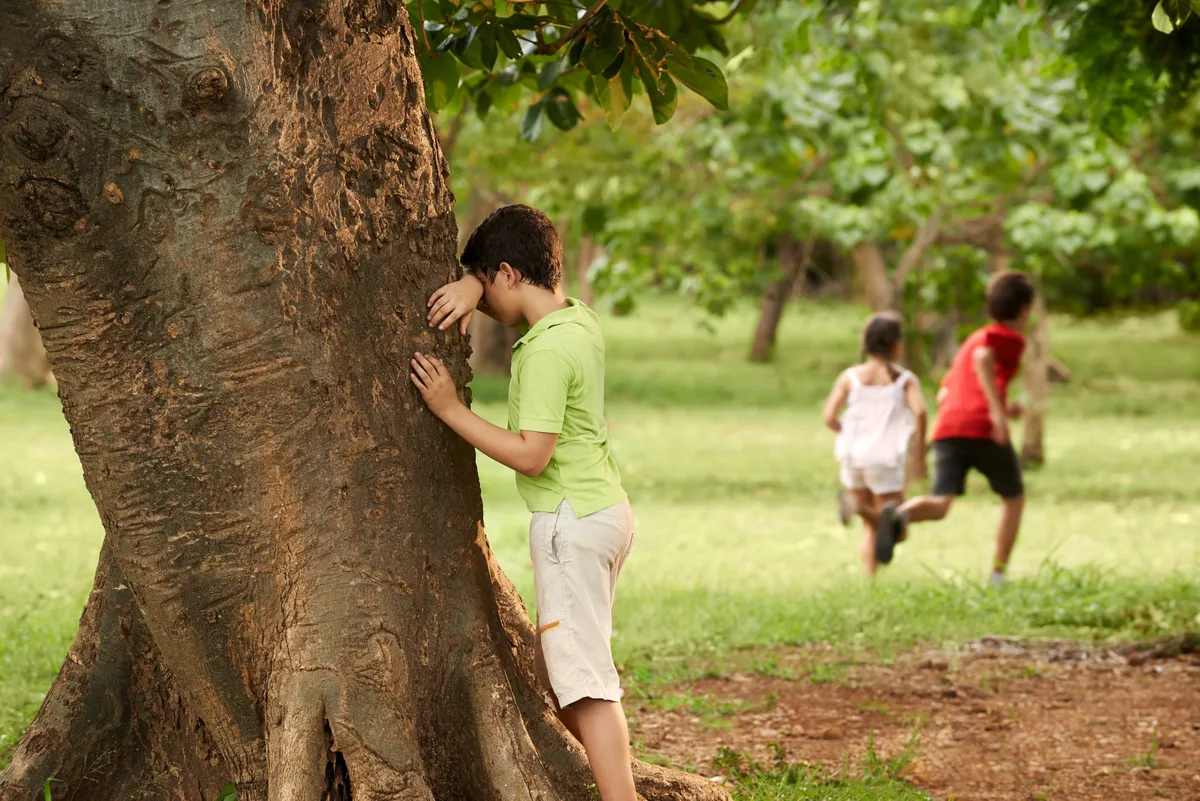
Hide and seek was the grandfather of all backyard games, needing nothing but imagination and a willingness to squeeze into impossible spaces. Children crammed themselves behind dustbins, under porches, or inside tool sheds that smelled of motor oil and mystery. The real thrill was not just hiding — it was the heart-pounding sprint for home base when you thought the seeker was not looking.
2. Red Light, Green Light
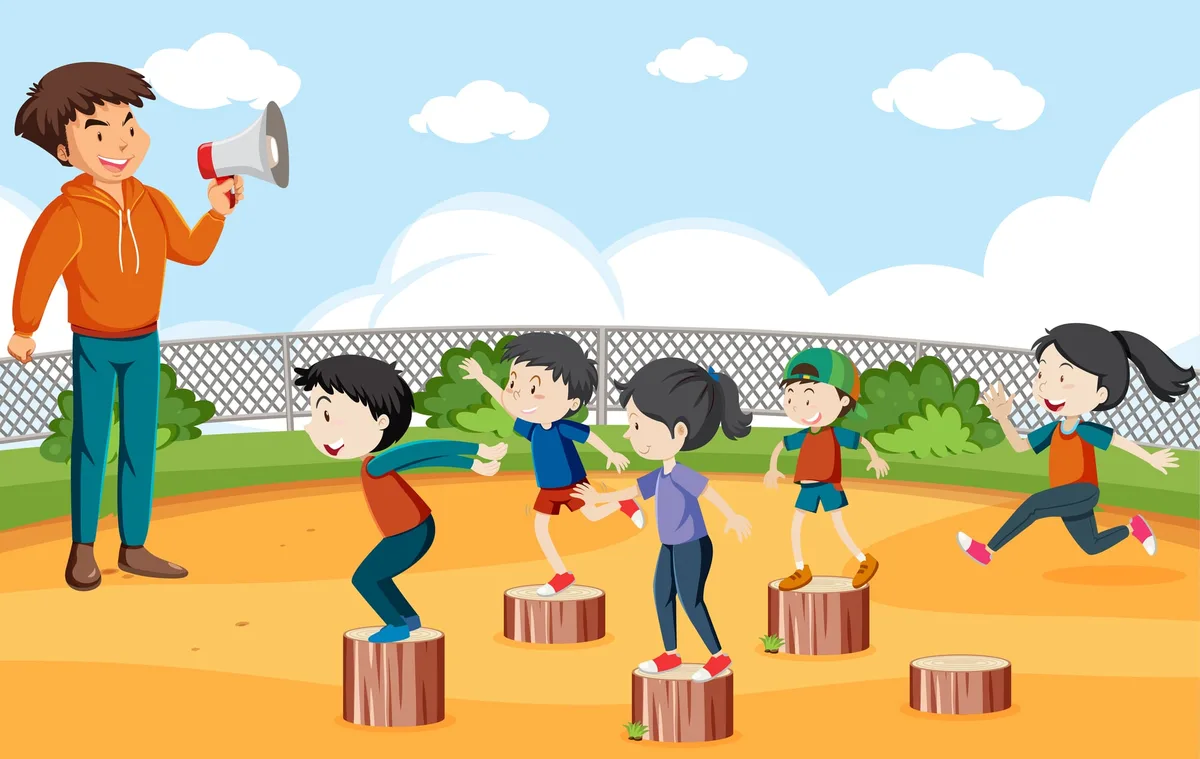
One child became the traffic warden and the rest became cars that could not quite follow the rules. The game sounds simple until you are frozen mid-step, wobbling like a flamingo, while the child in charge turns around with the suspicious eyes of a seasoned detective. Most players were caught not because they moved on red light, but because they could not stop giggling at a friend’s ridiculous frozen pose.
3. Kick the Can

Kick the can was hide and seek’s rebellious older brother — the one who stayed out past curfew and never got caught. The rusty soup can sitting in the middle of the yard became the most important object in the neighbourhood. Its metallic clang rang through the evening air like a victory bell, and suddenly everyone was free, scattering back into their hiding spots to start the whole beautiful mess over again. The game taught you that sometimes the boldest move was the best one.
4. Mother May I

Politeness became strategy in this deceptively formal game. Players had to remember to ask “Mother may I?” before taking their steps, or risk being sent back to the starting line like a scolded child. The real skill was asking for the right kind of steps — baby steps when you were far ahead, giant steps when you were falling behind. It was manners, disguised as a competition.
5. Red Rover

Red rover was the human chain game that probably would not pass today’s safety standards, but it built character in ways that bubble wrap never could. Two lines of children locked arms and called someone over to break through their defences. Arms got twisted, pride got bruised, and everyone kept playing anyway, because the satisfaction of breaking through — or holding strong — was worth a few grass stains on your clothes.
6. Simon Says
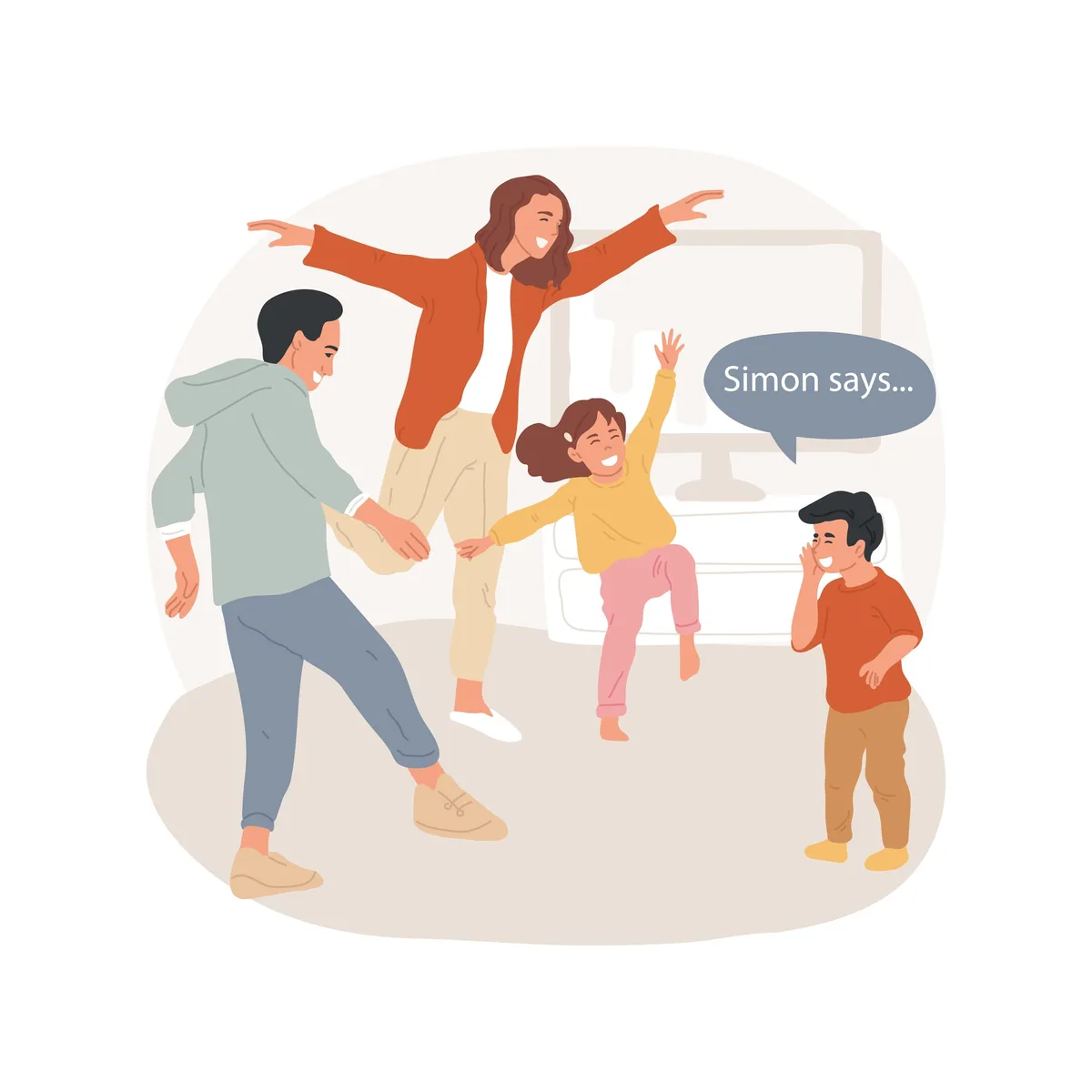
Authority became a game, and rebellion became an art form wrapped in the innocent package of following directions. The trick was not just listening carefully — it was resisting the urge to follow commands that did not start with those magic words. Watching your friends fall for a trap you had avoided made you feel like a genius, even if you fell for the next one yourself.
7. Freeze Tag

Running became a high-stakes gamble, where one wrong step meant becoming a statue until someone brave enough risked their own freedom to tap you back to life. The frozen players stood there like garden ornaments, watching the game continue around them. The game rewarded speed, but it rewarded loyalty more — the friend who ran back to unfreeze you was the one you remembered.
8. Duck Duck Goose
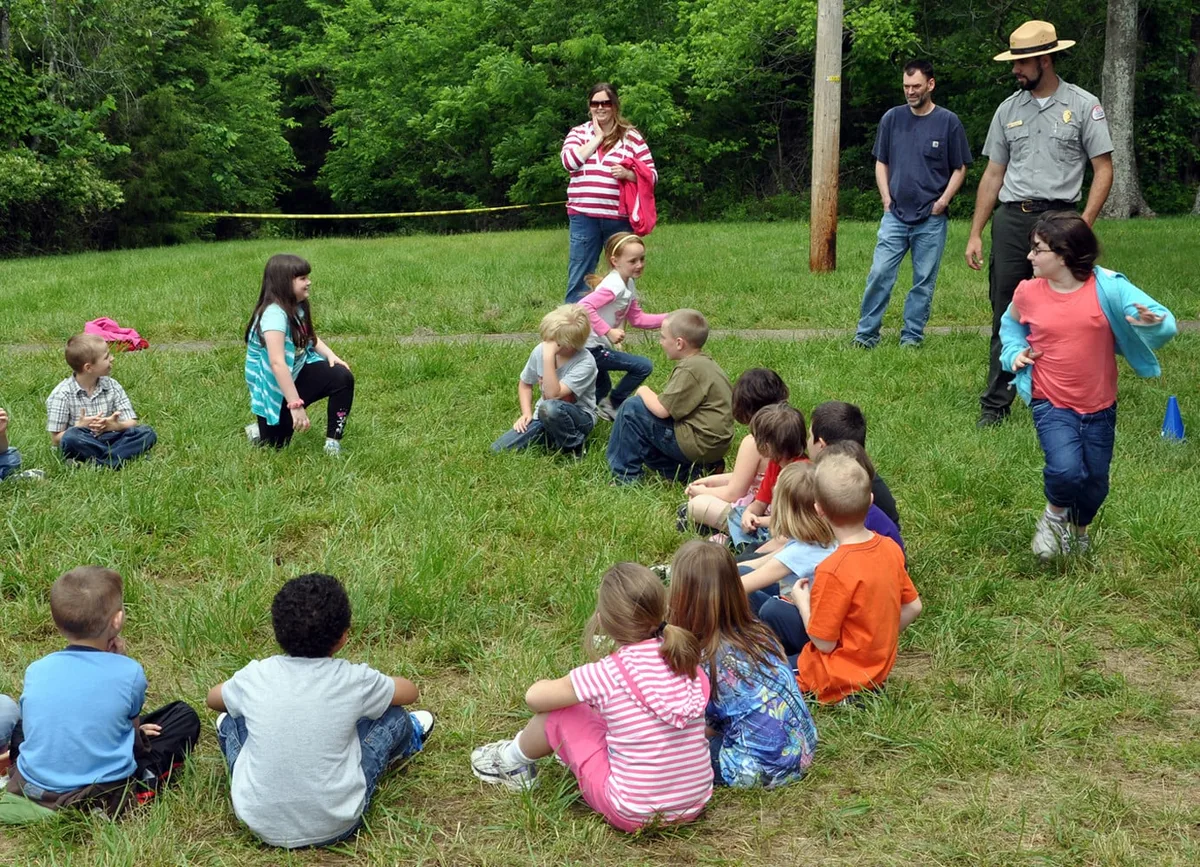
Sitting in a circle never felt so tense. The person walking around tapping heads held all the power, and you never knew if you would be chosen for the chase or left sitting there for another round. When someone finally tapped your head and said “goose”, the explosion into action was pure adrenaline — a sprint around the circle with everyone cheering.
9. Hopscotch
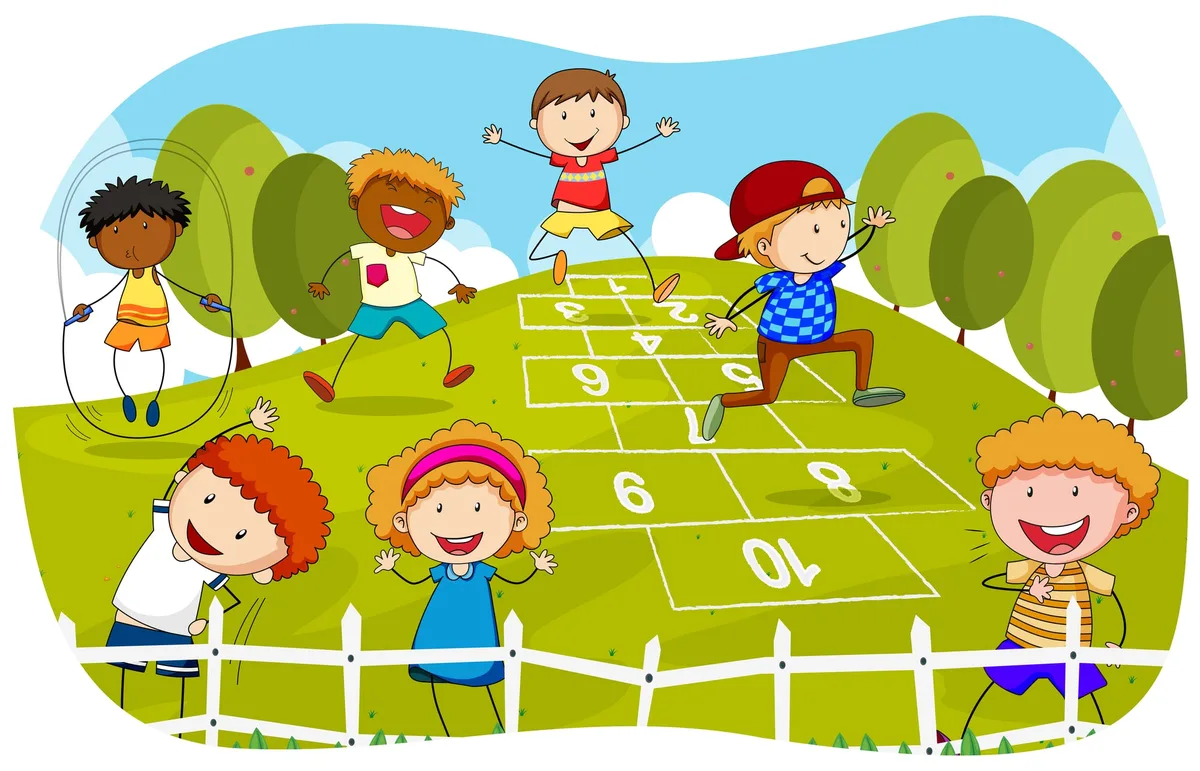
Chalk became architecture, and a flat stone became your ticket through a course that looked easy until you tried to navigate it on one foot. The squares demanded precision — land on a line and your turn was over, lose your balance and start again. Girls typically dominated this game, hopping through the numbered squares with a grace that made it look effortless, while boys stumbled through with determination that exceeded their coordination.
10. Four Square
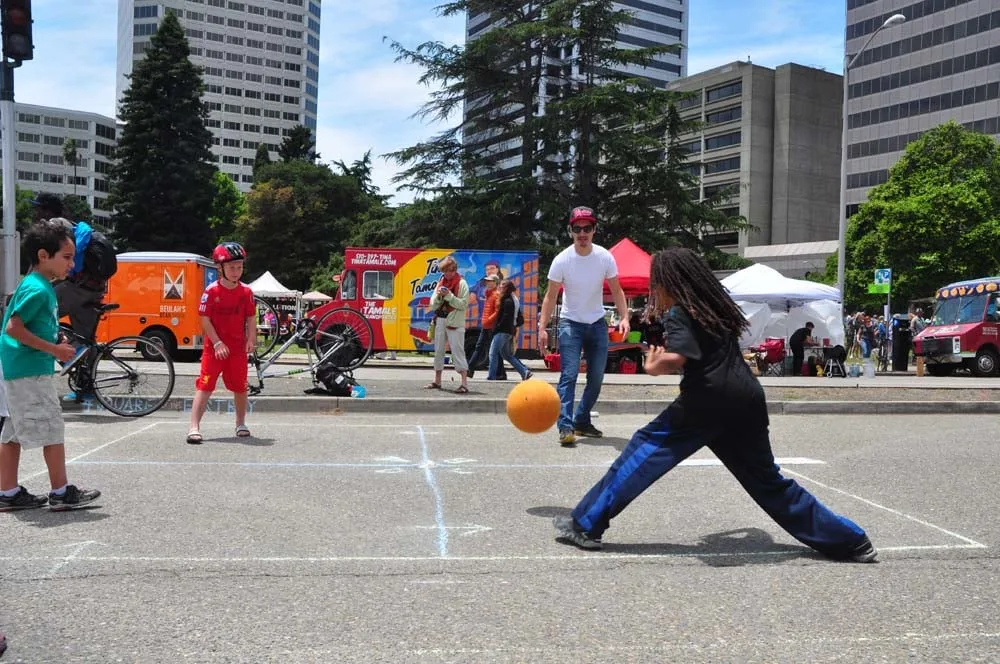
Four square was the playground hierarchy made concrete, where moving up the numbered squares felt like climbing a social ladder one bounce at a time. The child in square four ruled the court with the authority of a tiny dictator. Fair play mattered less than knowing when to spike the rubber ball just hard enough to eliminate your competition without looking like you were trying too hard.
11. Capture the Flag
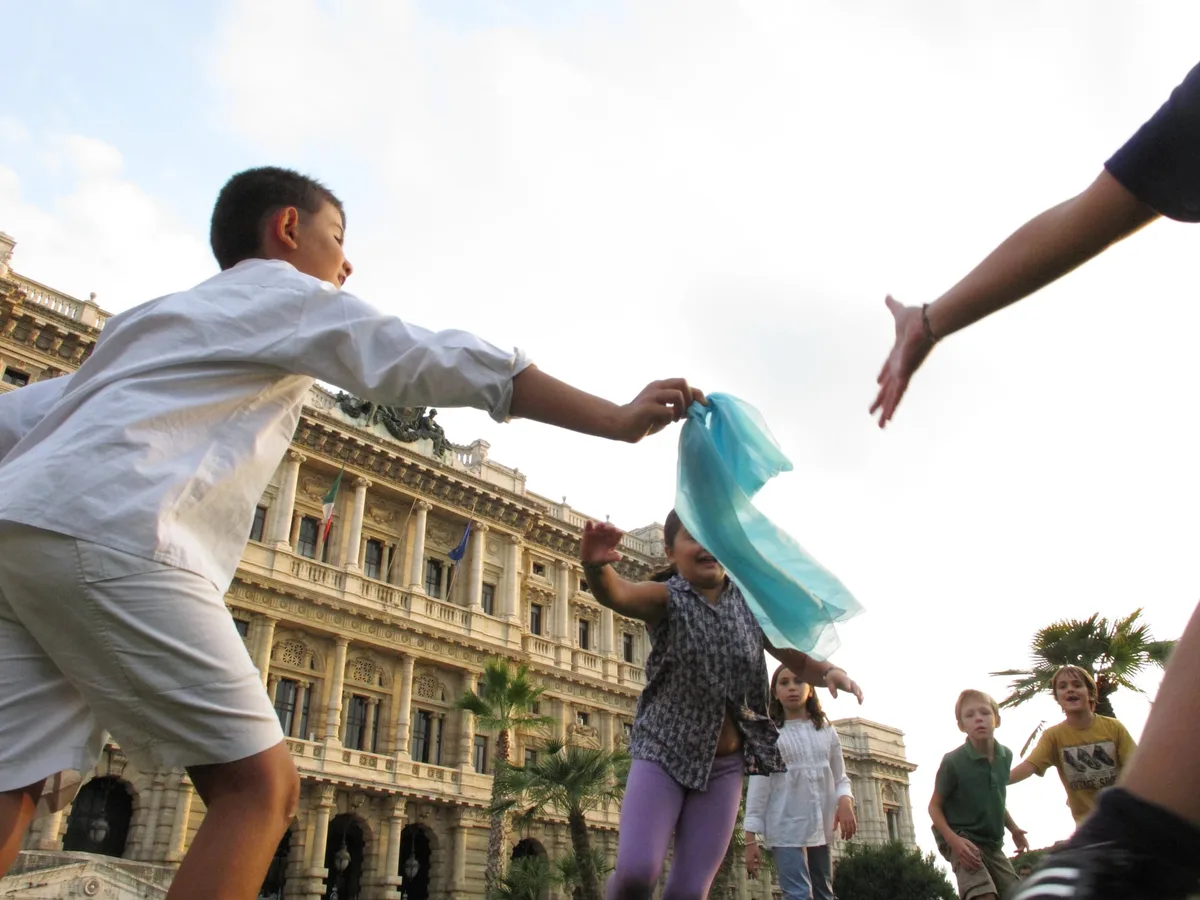
Capture the flag was war games disguised as summer fun, where strategy mattered as much as speed and every backyard became a battlefield with clearly marked territories. Teams huddled together drawing elaborate plans in the dirt, assigning roles like generals preparing for an invasion. The flag itself was usually someone’s old T-shirt tied to a stick, but defending it felt like protecting a national treasure.
12. Statues

The art of holding perfectly still became a competition that revealed which children had natural balance and which ones were secretly fidgeters who could not stop moving. One person spun the others around and let them go, and wherever you landed, you had to freeze like a museum piece. The game sounds boring until you are stuck in a twisted pose while your best friend pulls faces at you from two feet away.
13. Ghost in the Graveyard
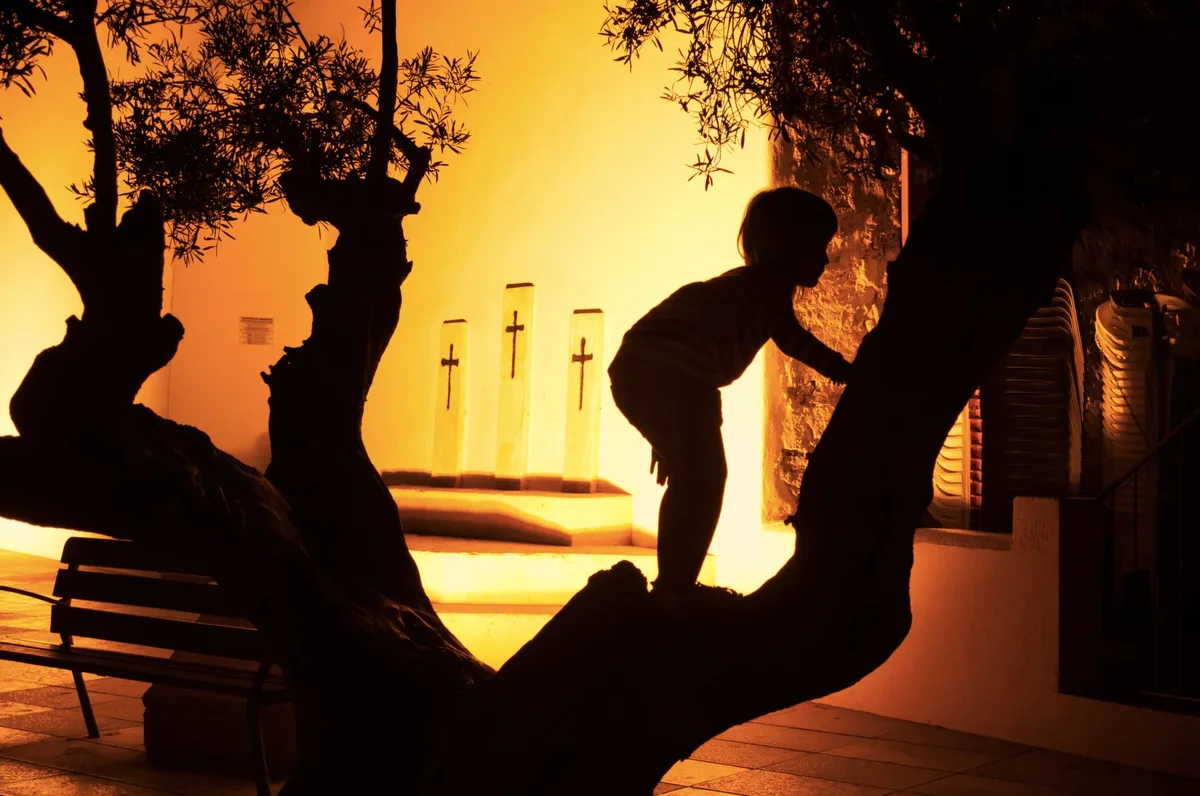
Ghost in the graveyard was hide and seek’s spookier cousin, played when the sun started setting and the shadows grew long enough to hide behind. One person hid while everyone else counted at home base, and then the real fun began — creeping through the darkening yard. The game worked because it flirted with genuine fear, turning familiar backyards into haunted landscapes where every bush might conceal danger.
14. What Time Is It, Mr. Wolf?
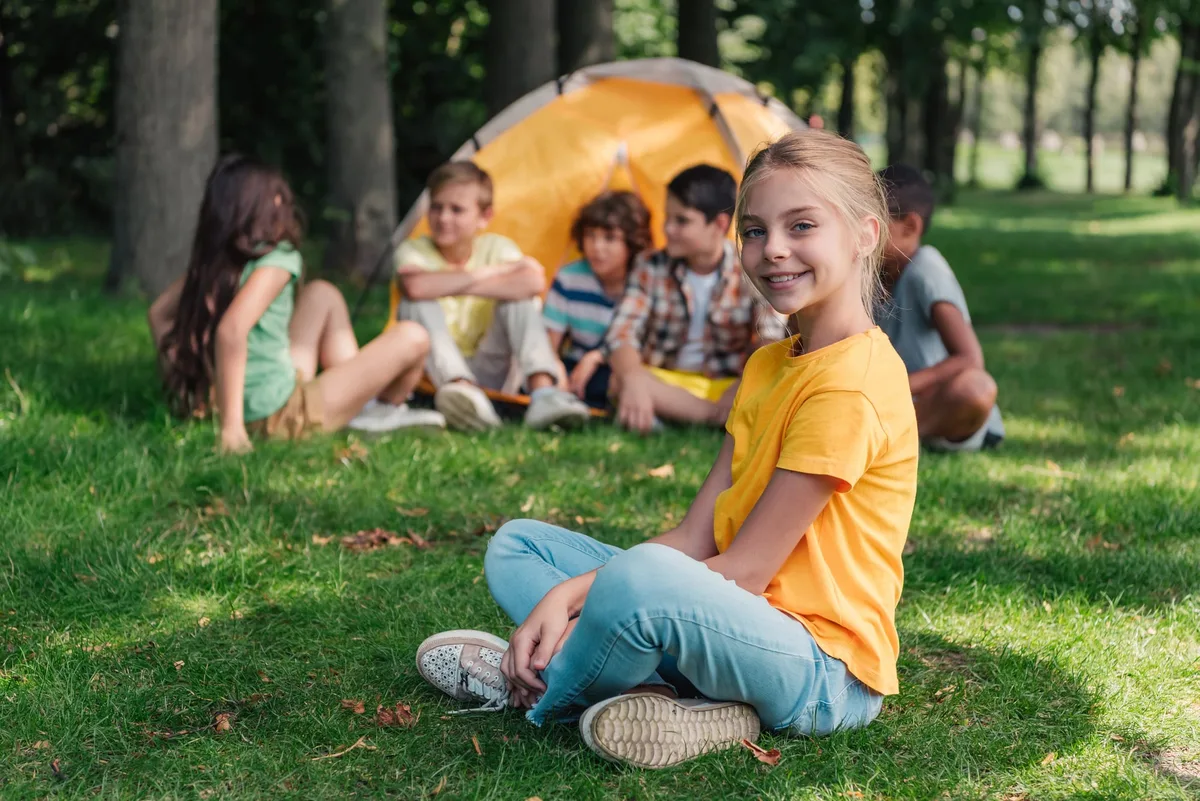
This was the predator-prey game that let one child embrace their inner menace while everyone else crept forward with delicious terror. Players called out the question and inched closer based on the “time” Mr. Wolf announced. The wolf’s job was to time the moment perfectly, waiting until the other players were close enough to catch but not so close that they could reach safety without effort.
15. Tag (and All Its Variations)

Tag was the eternal game of pursuit that spawned countless variations — freeze tag, TV tag, tunnel tag — each one adding new rules to the simple idea of chase and escape. Some children were natural runners who could dodge and weave through obstacles like they were born for it. The game never really ended; it just paused when someone got tired or a parent called for dinner, and it would resume the next day as if no time had passed at all.
None of these games needed anything you could buy. A tin can, a piece of chalk, a flat stone and a group of friends were enough for an entire summer. The streetlights were the only clock that mattered, and when they flickered on, the whole neighbourhood scattered for home — already planning tomorrow’s rematch before they reached the front door.