 By ali4050284
Before the dollar store, there was the five-and-dime — and it was so much more than a shop. Woolworth’s, Ben Franklin, Kress, Grant’s and a dozen other names once stood on nearly every Main Street in America, selling everything from penny candy to goldfish, with a lunch counter at the back and a smell of popcorn in the air. Most of them are gone now, but a stubborn few are still open, and their shelves still feel like a trip back in time. Here are seventeen of them, then and now.
1. Yesterday: Butler Bros.
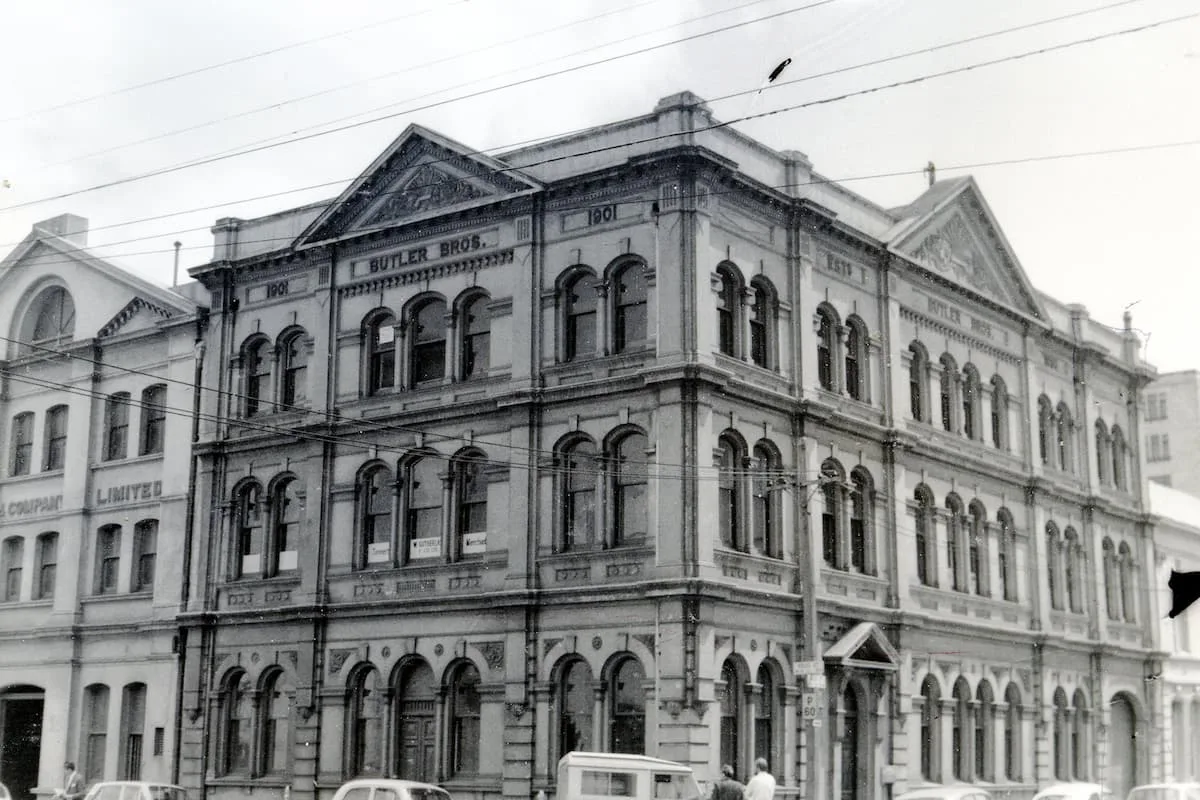
George and Edward Butler opened their first store in Boston in 1877, but for decades Butler Bros. was mostly a mail-order business. It was their Ben Franklin franchise, founded in 1927, that became their true legacy — at its peak there were some 2,500 Ben Franklin stores across the country. By the time the chain declared bankruptcy in 1996, only about 860 were left, and Butler Bros. itself had faded away in the sixties. The photograph of their Crawford Street building in 1967 catches a company at the height of its powers.
2. Today: The Original Ben Franklin Store
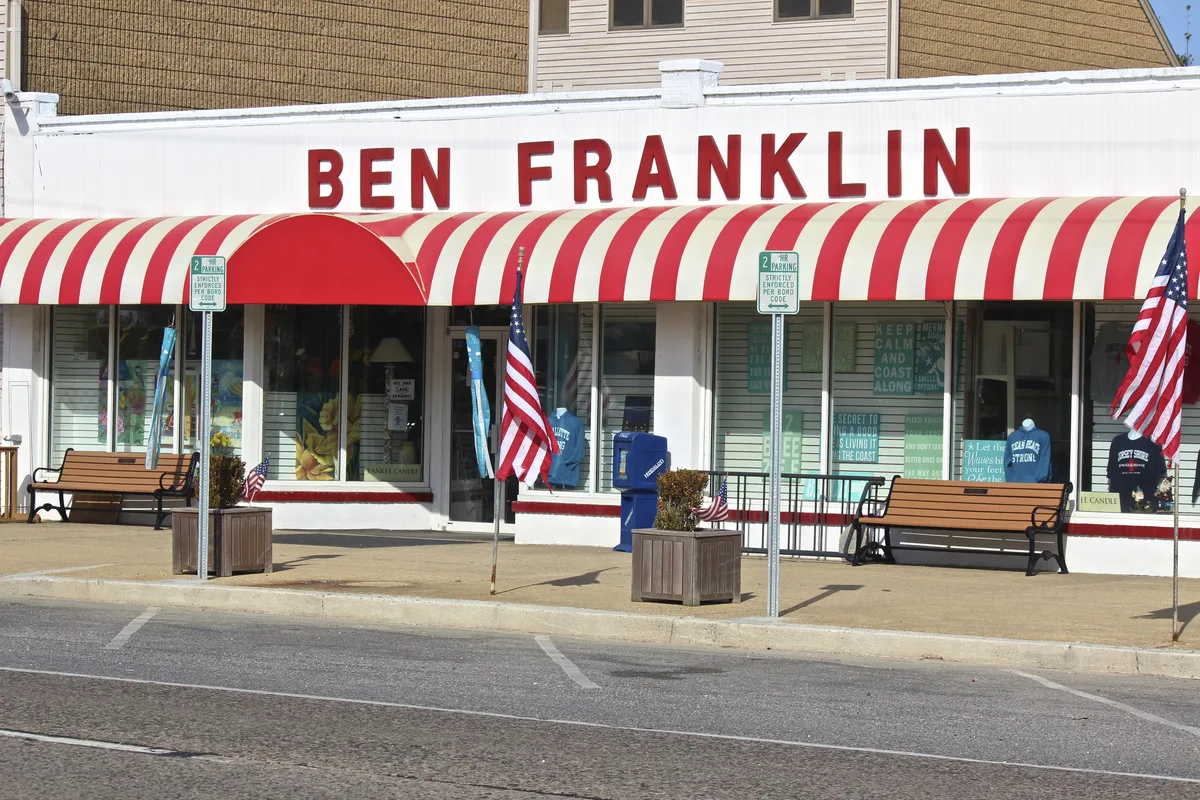
You can still find Ben Franklin stores if you know where to look — and this one in Lavallette, New Jersey, has been family-owned since 1948. It calls itself “your everything store at the Jersey Shore”, and it lives up to the name: beach supplies, fun toys, and even the occasional piece of local artwork. It is a reminder that the five-and-dime idea never really died; it just got harder to find.
3. Yesterday: W.T. Grant Co.
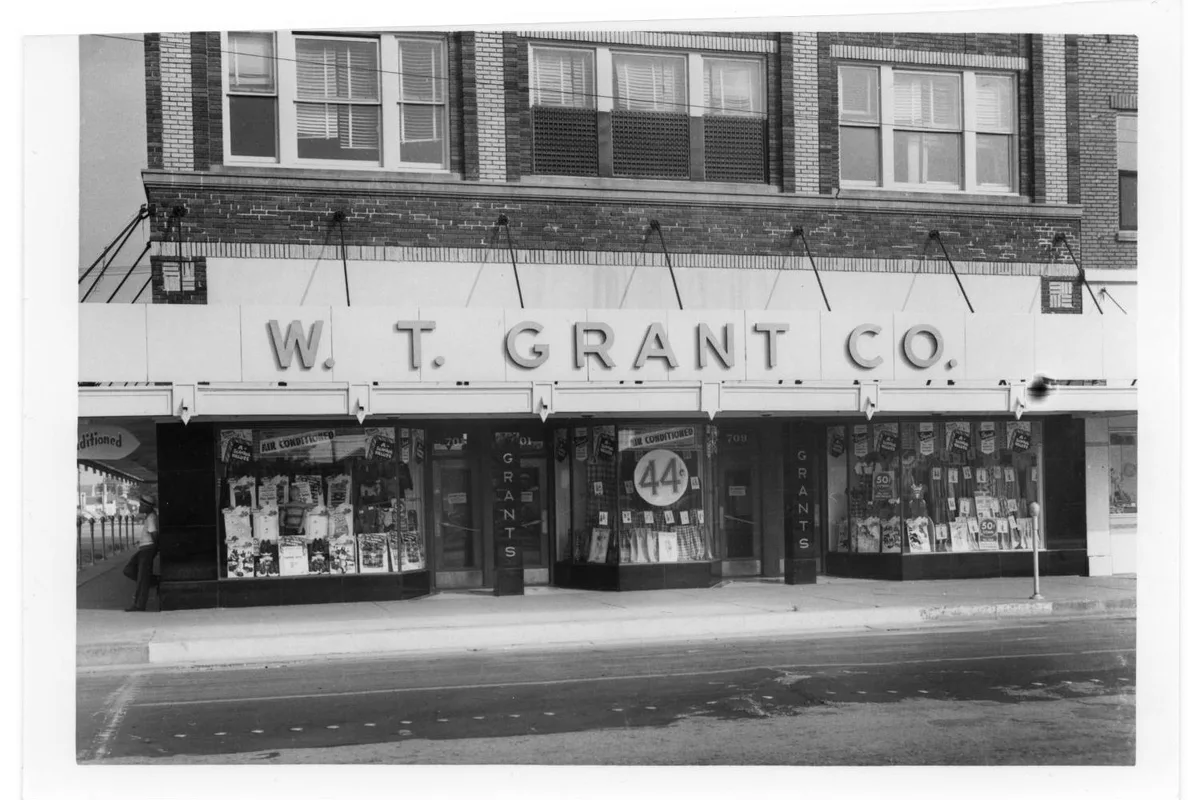
Grant’s liked to think of itself as a cut above the average dime store — it called itself a “25-cent store”, which sounded a little classier. At its peak in the 1960s, more than a thousand W.T. Grant and Grant City stores were trading across America. But by the mid-seventies the company had collapsed in what was then the second-largest bankruptcy in American history. A few old Grant’s buildings found new lives — one in Cleveland is now loft apartments — but the stores themselves are gone.
4. Today: Berdine’s Five and Dime
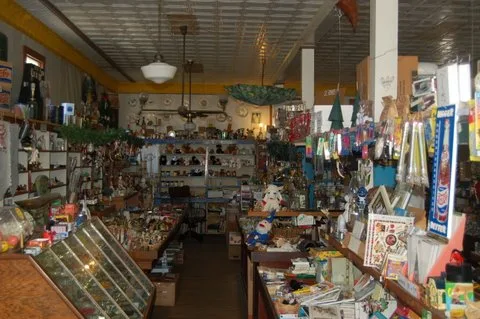
Berdine’s in Harrisville, West Virginia, has been open for business since 1908, and its present building dates to 1915 — which makes it a strong contender for the title of America’s oldest dime store. Step inside and it is a step back in time: candy sold by the pound, glass marbles, and shelves of throwback knickknacks that look like they have been there for decades. Some shops survive by changing; Berdine’s survives by staying exactly the same.
5. Yesterday: S.H. Kress & Co.
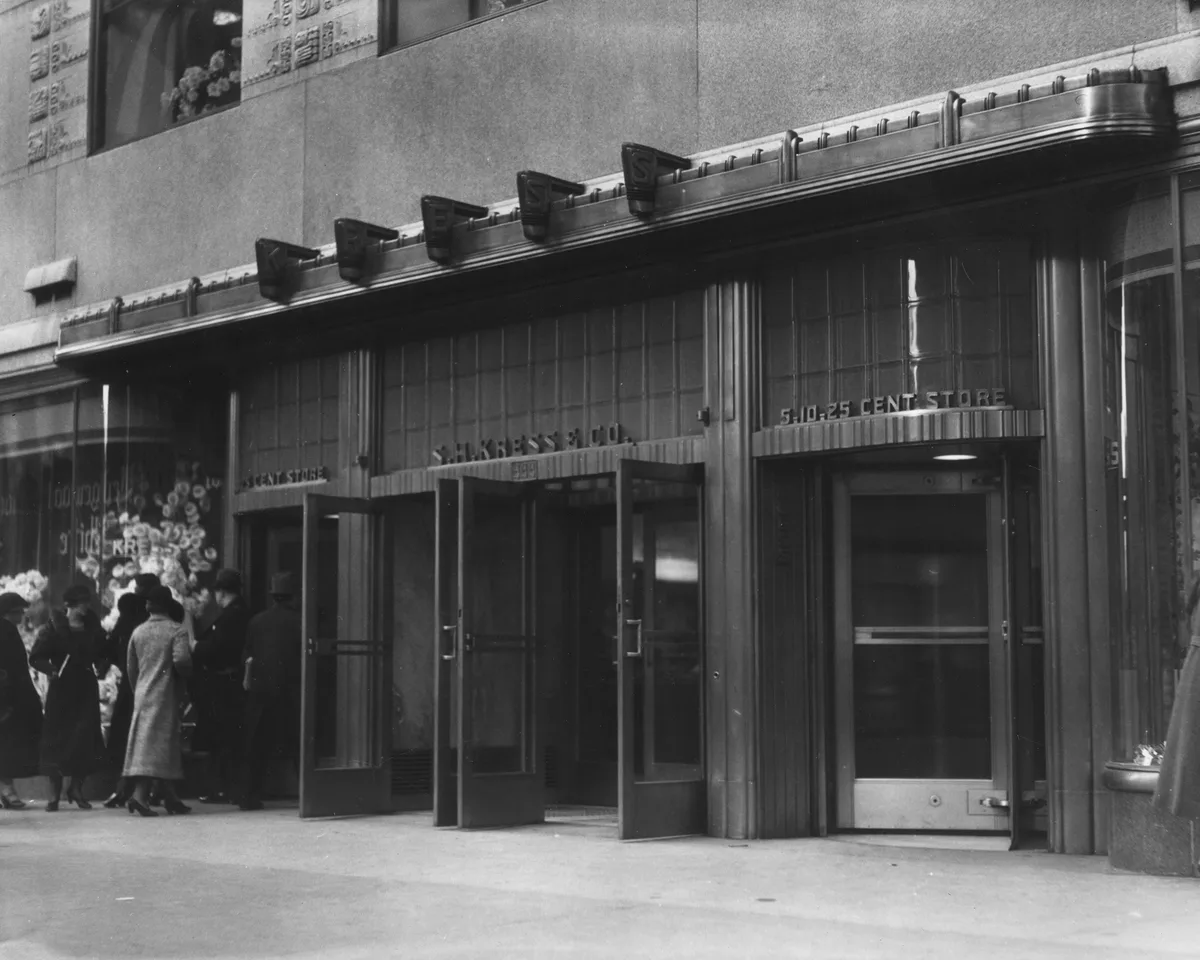
Samuel H. Kress wanted his dime stores to make a statement, so he set up his own architecture division to design them — gothic revival here, art deco there, midcentury modern somewhere else. The company changed hands in 1964 and again in 1981, when rival McCrory took over the remaining outlets and ran them until 2002. But the buildings outlived the business: elaborate old Kress stores still stand in cities from Asheville to Portland to Fort Worth, many of them listed and loved.
6. Today: Ashton’s 5¢ and 10¢ Store
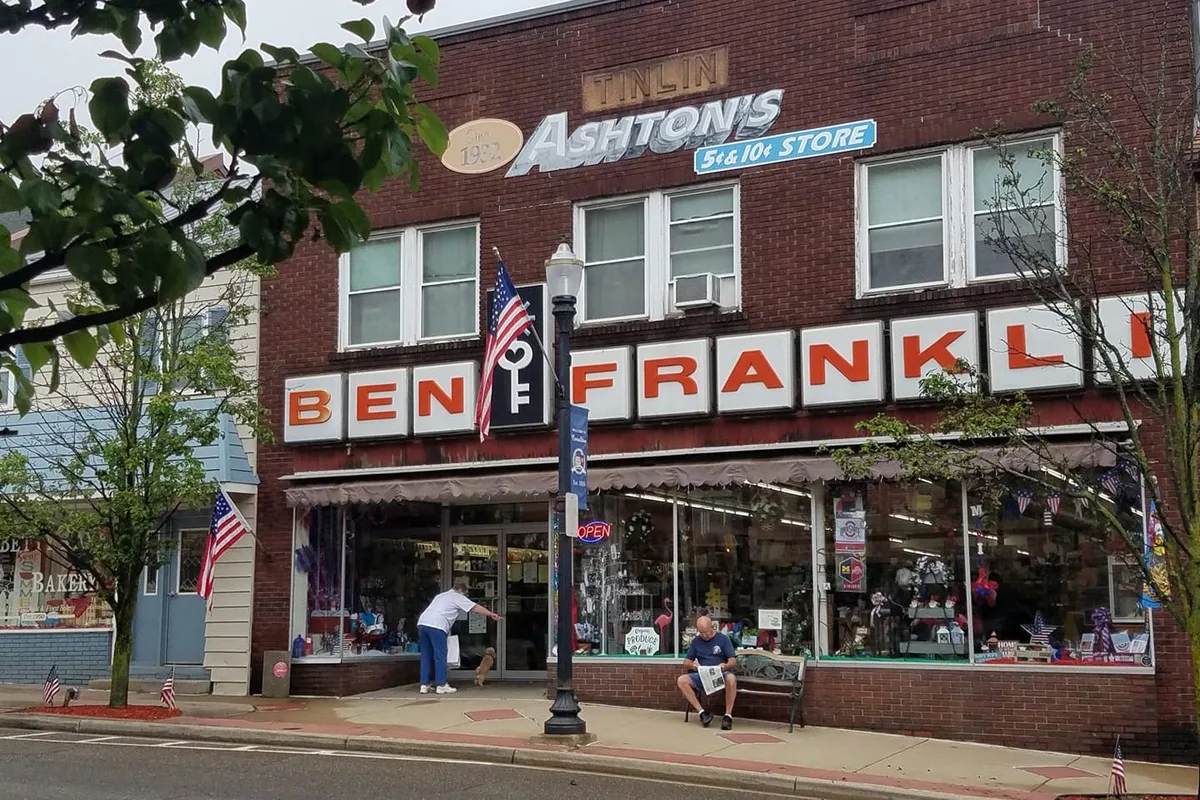
John and Evelyn Ashton owned several Ben Franklin franchises, including this one in their hometown of Carrollton, Ohio — and the store on West Main Street is still open today, selling everything from crafting supplies to greeting cards. After the Ashtons passed away, their home was turned into a museum offering a glimpse into their lives and the town’s past. It is the kind of small-town story the five-and-dime was built on: local people, local shops, local pride.
7. Yesterday: F.W. Woolworth Co.
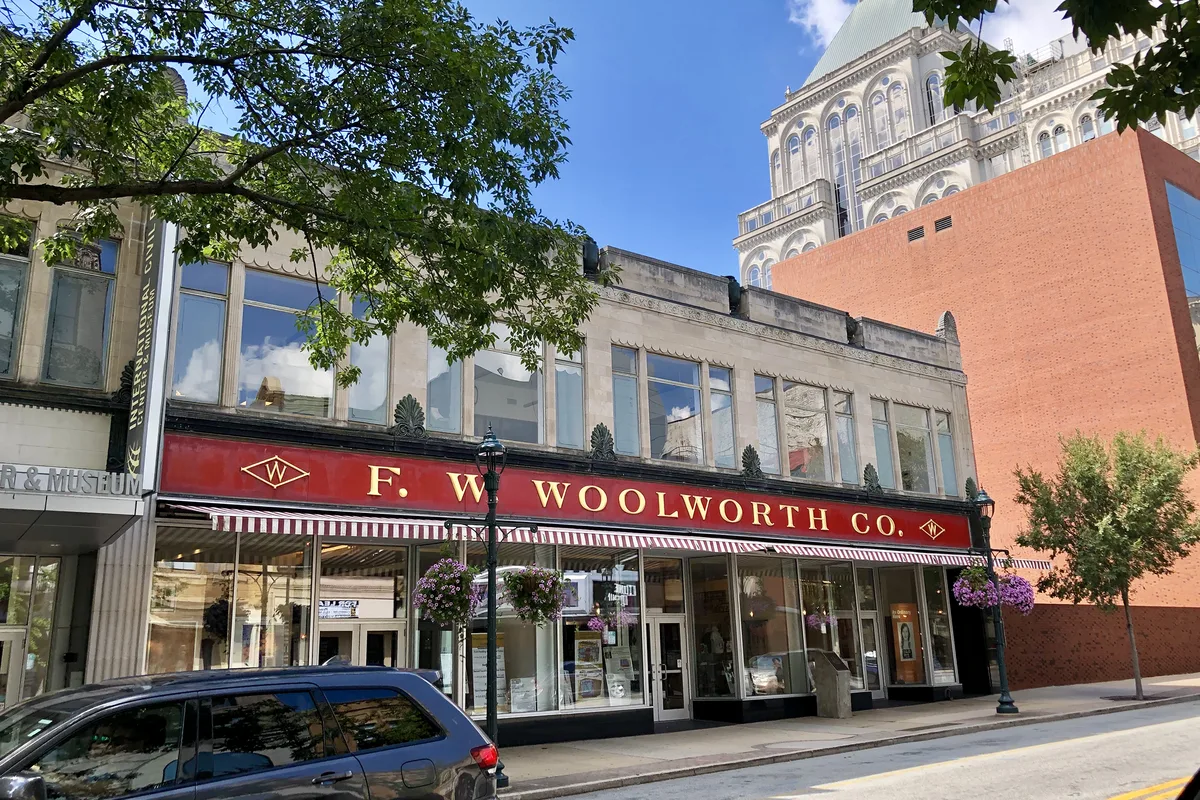
Frank Woolworth opened his first five-and-dime in Utica, New York, in 1879, and by the time he opened his monumental New York headquarters in 1913 — then the tallest building in the world — the company had more than 500 stores. At its centennial it had over 2,200 outlets and had even launched the Foot Locker shoe chain. But the eighties and nineties were cruel to dime stores, and in 1997 Woolworth’s closed its last 400 shops. The Greensboro store pictured here is on the National Register of Historic Places: in 1960 it was the site of some of the first civil rights lunch-counter sit-ins.
8. Today: A. Schwab Trading Co.
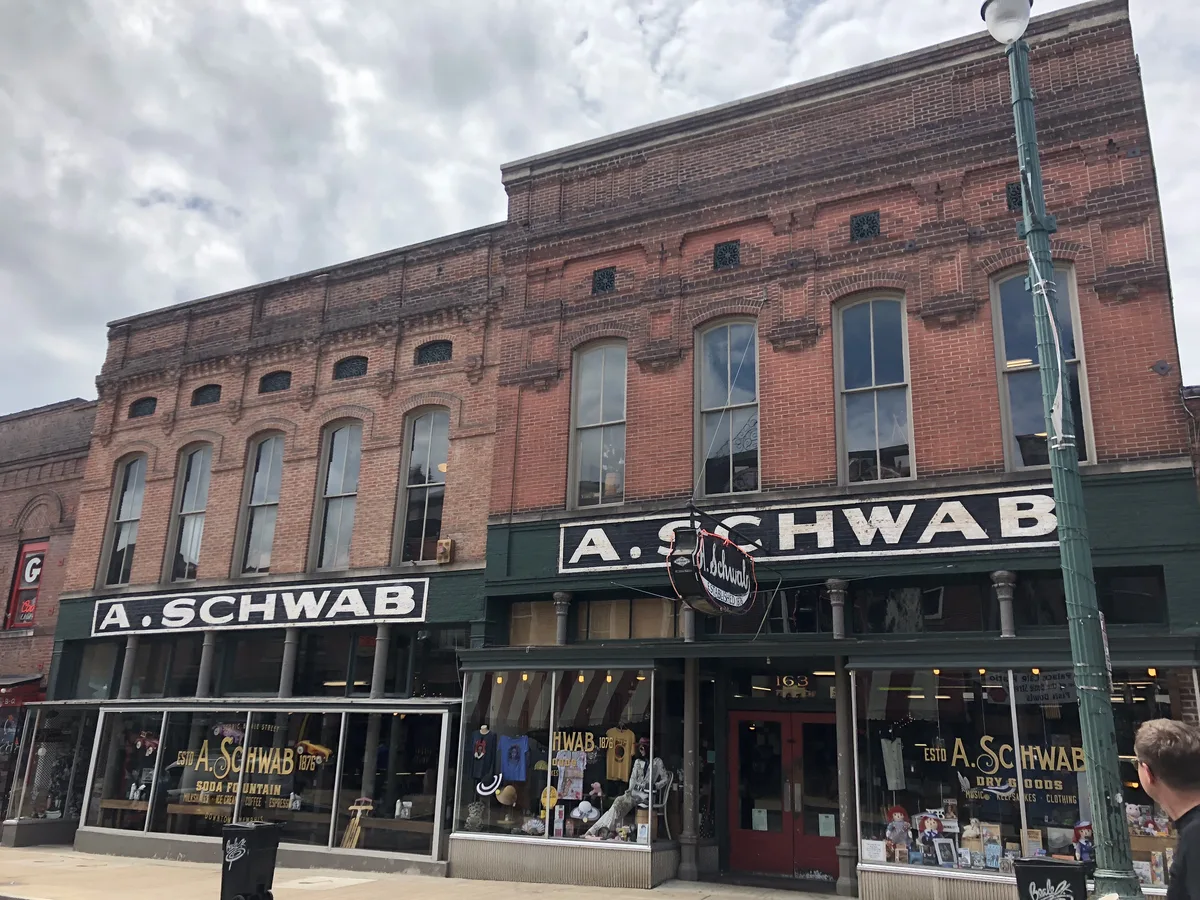
Schwab’s has stood on Beale Street in Memphis since 1876, when French immigrant Abraham Schwab founded it — and it is still there today, a city landmark and a living museum of the street’s colourful past. Upstairs you will find a small trove of objects from Beale Street history, and downstairs there is a soda fountain where you can sip something sweet. Do not leave without an Elvis souvenir: in Memphis, that is practically the law.
9. Yesterday: G.C. Murphy
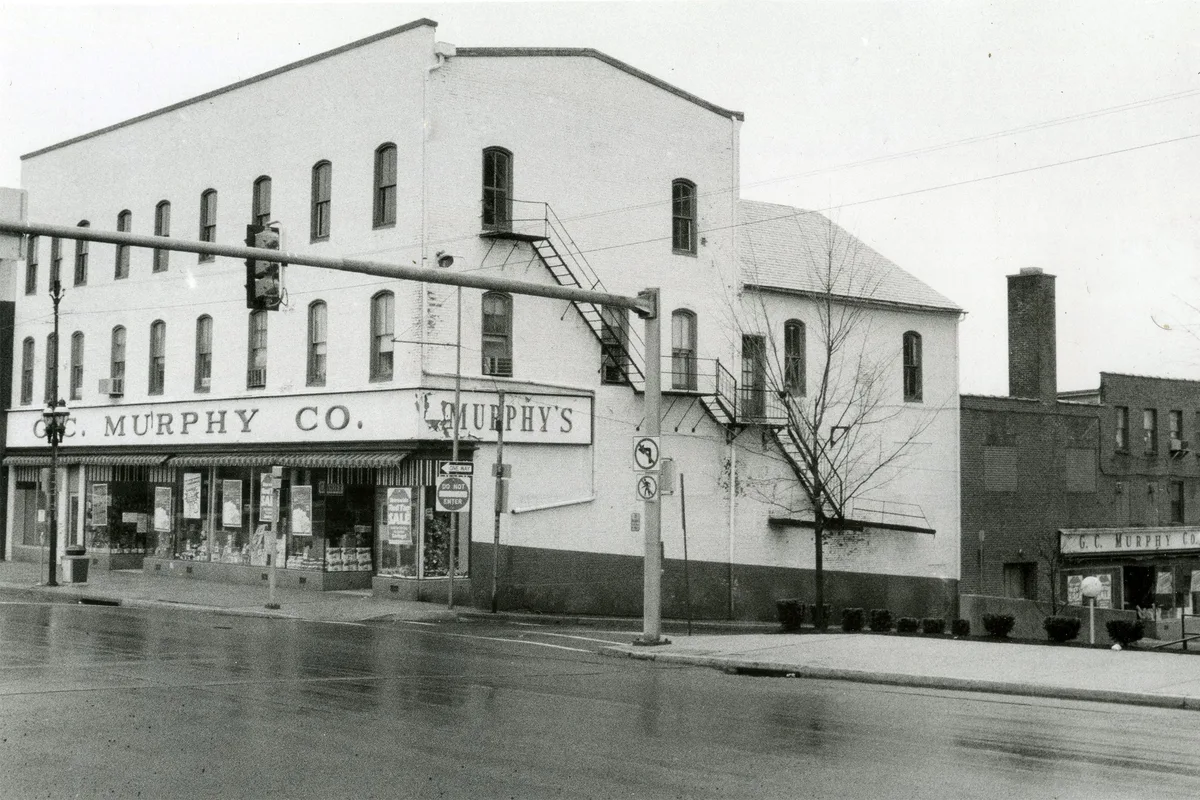
George Clinton Murphy had already built one chain of dime stores — and sold it to F.W. Woolworth — before he opened the first G.C. Murphy store in McKeesport, Pennsylvania, in 1906. His death a few years later nearly finished the chain, but two former McCrory executives took over and steered it back to health. A bigger discount chain called Murphy’s Mart followed in 1976, but by 1985 the company had been bought out, and the Murphy name slowly faded from Main Street.
10. Today: Vidler’s 5 & 10
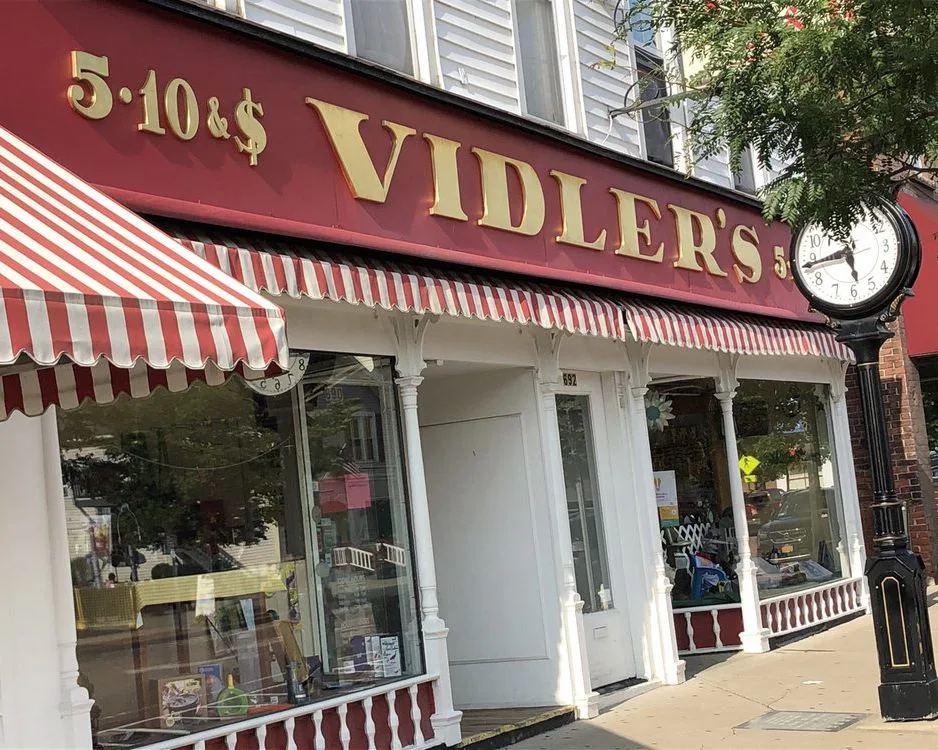
With more than 75,000 items spread over two floors, you never know what you will find at Vidler’s in East Aurora, New York — a sprawling, family-run emporium that claims to be the world’s largest variety store. It has been there since 1930 and has become a local landmark, helped along by a wonderfully corny series of television adverts starring brothers Bob and Ed Vidler. It is proof that the five-and-dime spirit can still thrive, if you go big enough.
11. Yesterday: J.J. Newberry
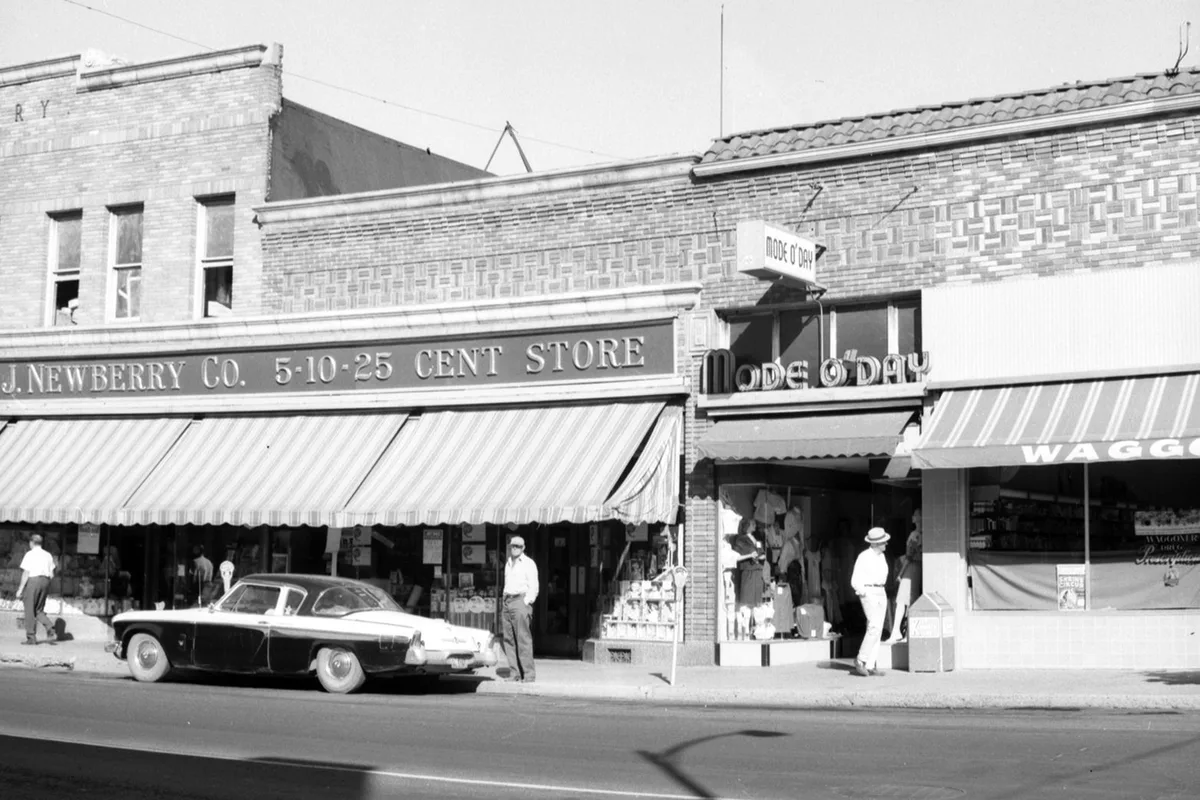
John Josiah Newberry went into business for himself in 1911, opening a store in Stroudsburg, Pennsylvania, after years of working for five-and-dime titan Samuel Kress. The company grew from that single shop to more than 400 stores before rival McCrory bought it in 1972, and Newberry’s kept trading until 2002, when its parent company folded. It was a classic American rise: one man, one store, and an empire built a nickel at a time.
12. Today: Northville 5 and 10
The Northville 5 and 10 in New York is another contender for the title of America’s oldest dime store: it opened in 1907 and moved to its current address five years later. In 1931 it became part of J.J. Newberry’s retail empire, and it stayed that way until 1997, when its present owners bought it and gave it its name back. Today you will find Adirondack souvenirs, hardware, and some 250 different kinds of novelty candy — which is exactly what a five-and-dime should sell.
13. Yesterday: J.G. McCrory’s
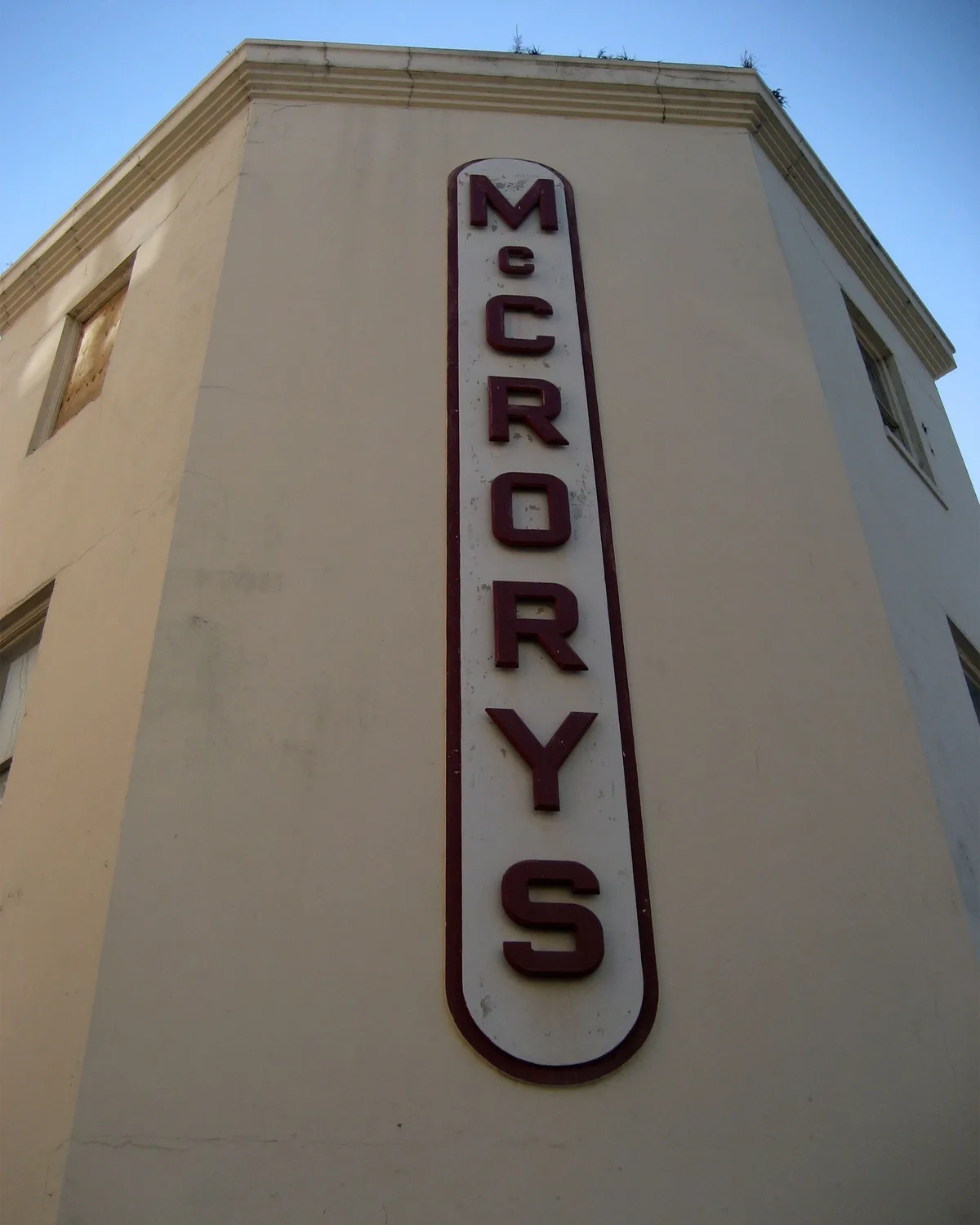
Founded in Scottsdale, Pennsylvania, in 1882, McCrory’s grew into a giant: at its peak in the late 1980s it had some 1,300 locations across the eastern and midwestern United States. Yet by 1992 the company had filed for bankruptcy, and a decade later it was gone altogether. A former McCrory’s in Rock Hill, South Carolina, holds an important place in history too — it was the site of some of the first sit-in protests of the civil rights movement in 1960.
14. Today: Sine’s 5 & 10
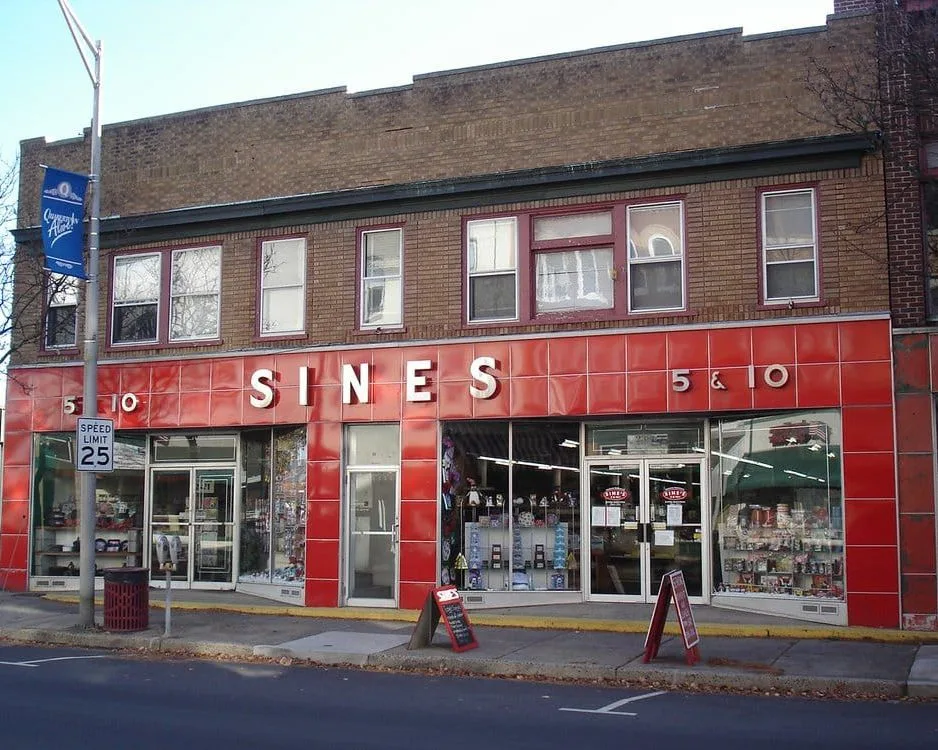
Howard Sine opened his five-and-dime in Quakertown, Pennsylvania, in 1912 and moved it to its current spot on West Broadway in 1926. Today the fifth generation of the Sine family is running the store, which is still a fixture of the town — and like any proper dime store, it has a soda fountain serving breakfast and lunch six days a week, milkshakes included. There are aisles of sewing notions, household hardware and candy by the pound, and even a special room devoted entirely to Christmas.
15. Yesterday: Duckwall-ALCO
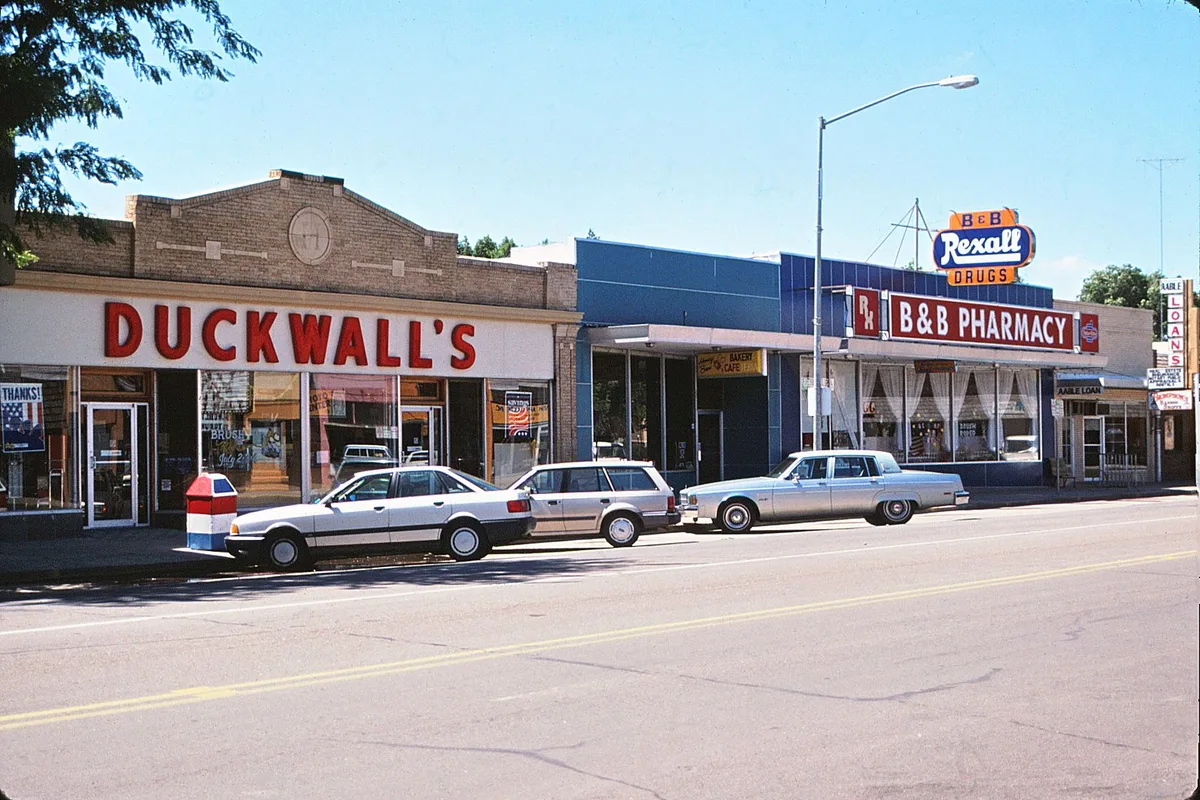
A.L. Duckwall Sr. founded his first general store in Abilene, Kansas, in 1901, and by 1960 he had built it into a chain of about a hundred stores across the rural Plains states. The company moved into bigger general retailing later that decade with its first ALCO stores — but a string of poor financial decisions in the eighties and nineties left it struggling. The Duckwall name disappeared in 2011, and the remaining ALCO stores filed for bankruptcy in 2014.
16. Yesterday: Sprouse-Reitz
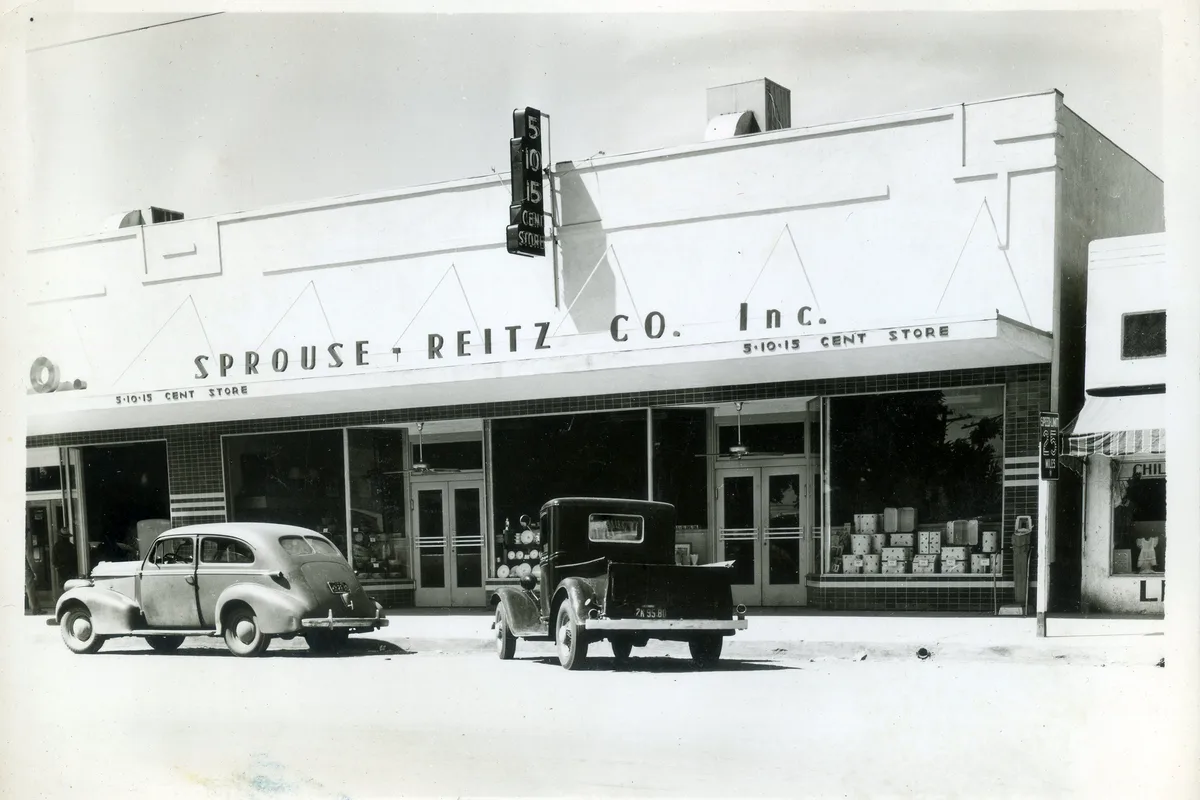
Founded in Tacoma, Washington, in 1909, Sprouse-Reitz grew to a peak of about 400 stores across eleven western states. To mark its eightieth anniversary the chain rebranded itself as “Sprouts!” — but a new name could not fix falling profits, and by 1994 the last of its stores had been liquidated and the company was in bankruptcy. It is a reminder of how quickly even the biggest names on Main Street could vanish.
17. Today: Guerneville 5 and 10
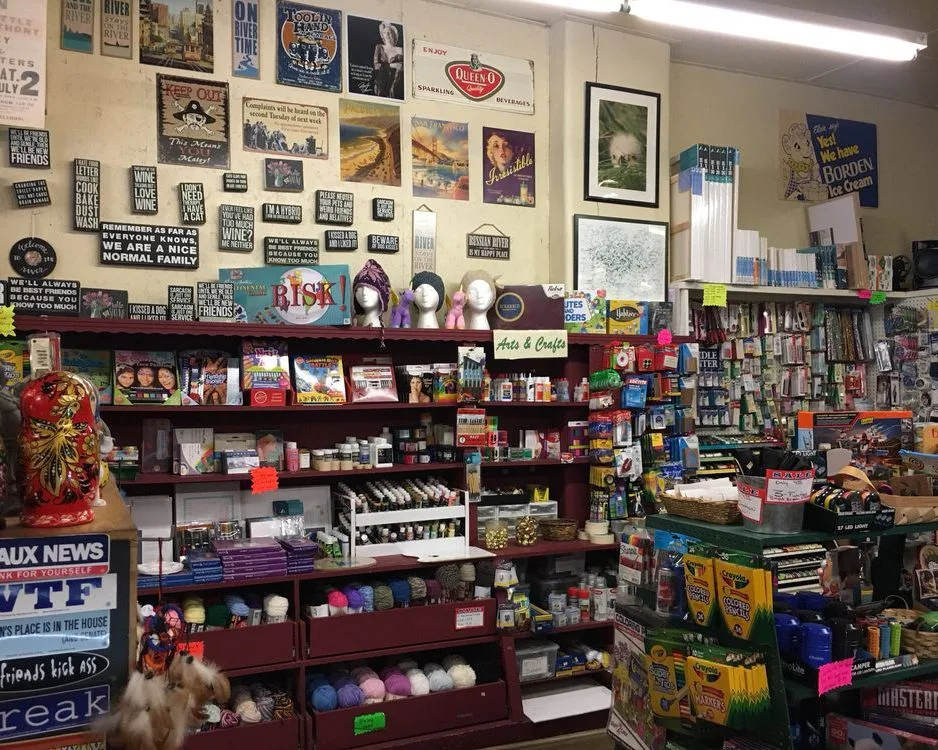
The East Coast does not have a monopoly on old-school dime stores. This one in Guerneville, California, in the Russian River region, has been trading since 1949, supplying tourists and locals with sunscreen, towels, sewing notions and something tasty to nibble on before they head out to explore Main Street. It is small, friendly and gloriously old-fashioned — the five-and-dime, alive and well on the West Coast.
The five-and-dime is mostly a memory now — Woolworth’s, Grant’s, Kress, McCrory’s and Newberry’s have all closed their doors for the last time. But walk into Berdine’s or Sine’s or Vidler’s today and you will find the same magic: shelves full of surprises, candy by the pound, and a shopkeeper who actually wants to talk to you. The names on the signs may have changed, but the feeling of a five-and-dime never did.