 By ali4050284
The 1950s now feel a long way away, and not only because the clothes and cars look different in old photographs. Daily life itself ran on a different set of habits. There were no phones in pockets, no instant messages and no online shopping. People waited for things, walked to shops, and relied on neighbours and local traders in a way that has almost entirely gone.
The 1950s Completely Disappeared
One of the most familiar morning sounds of the decade was the clink of glass bottles on a doorstep. Milk arrived early, left outside the house by a delivery man who knew the street well. Families left the empty bottles out to be collected and used again, and the whole round was part of the rhythm of the neighbourhood.
Keeping in touch was slower too. If you were out and needed to call home, you looked for a public telephone booth, put coins in the slot and hoped the line was free. There was no way to send a quick text, and no way to reach someone who was not near a phone. A missed call simply stayed missed.
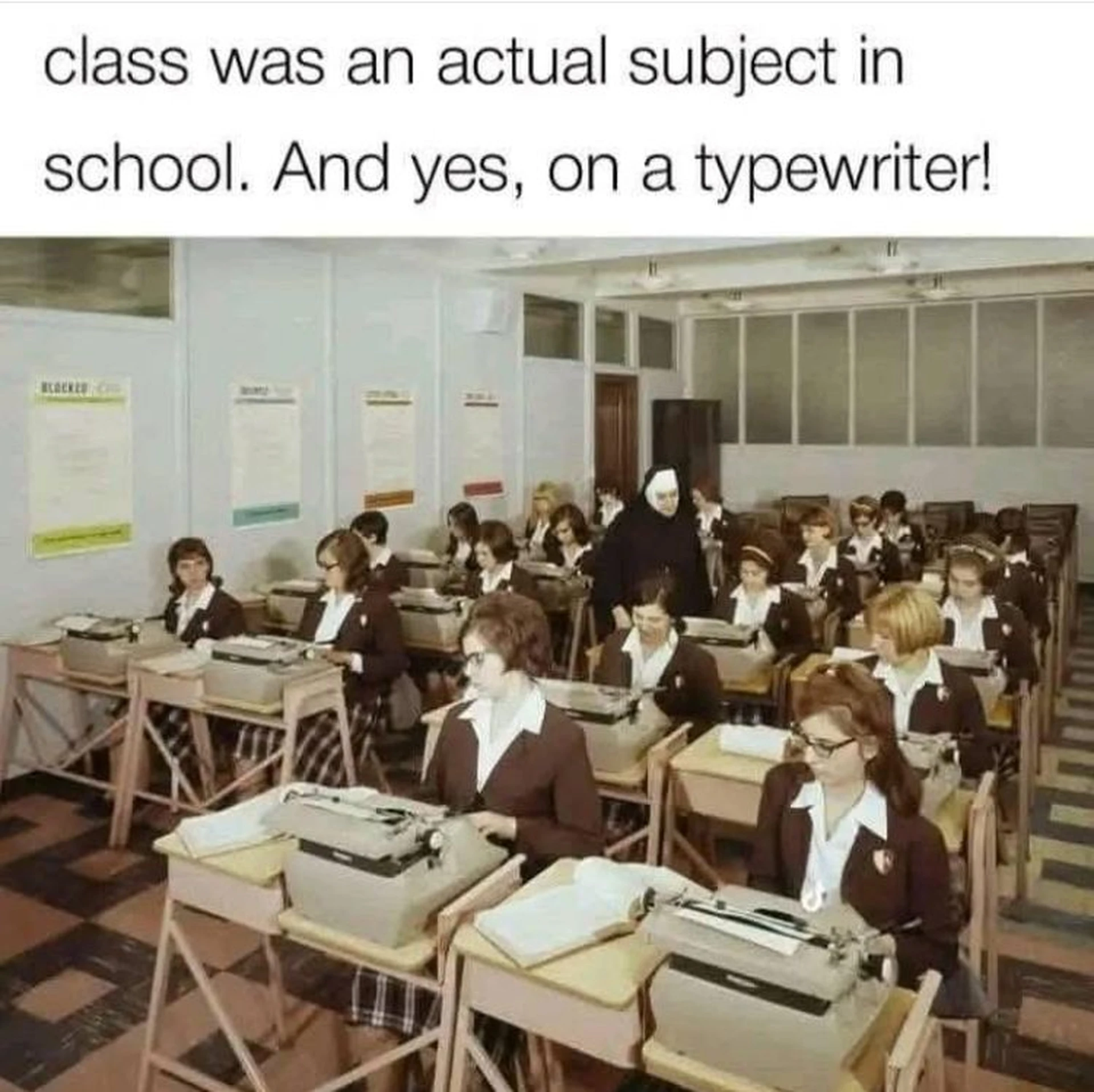
At work and at school, letters and documents were produced on a typewriter. Every keystroke was final in a way that modern typing is not: a mistake meant starting again, or reaching for correction fluid and hoping it would not show. Typing took care, patience and a steady hand, and a good typist was genuinely admired.
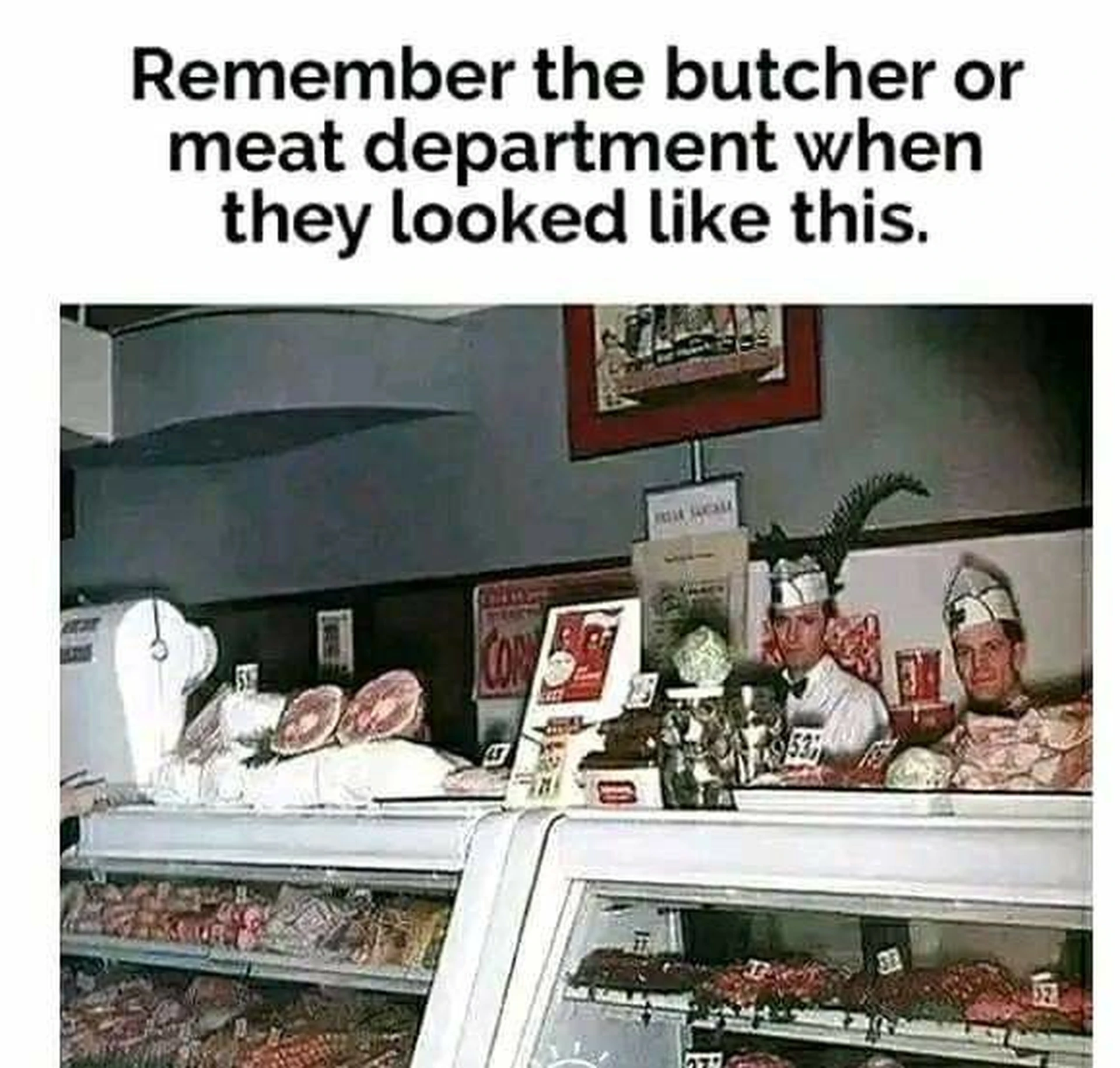
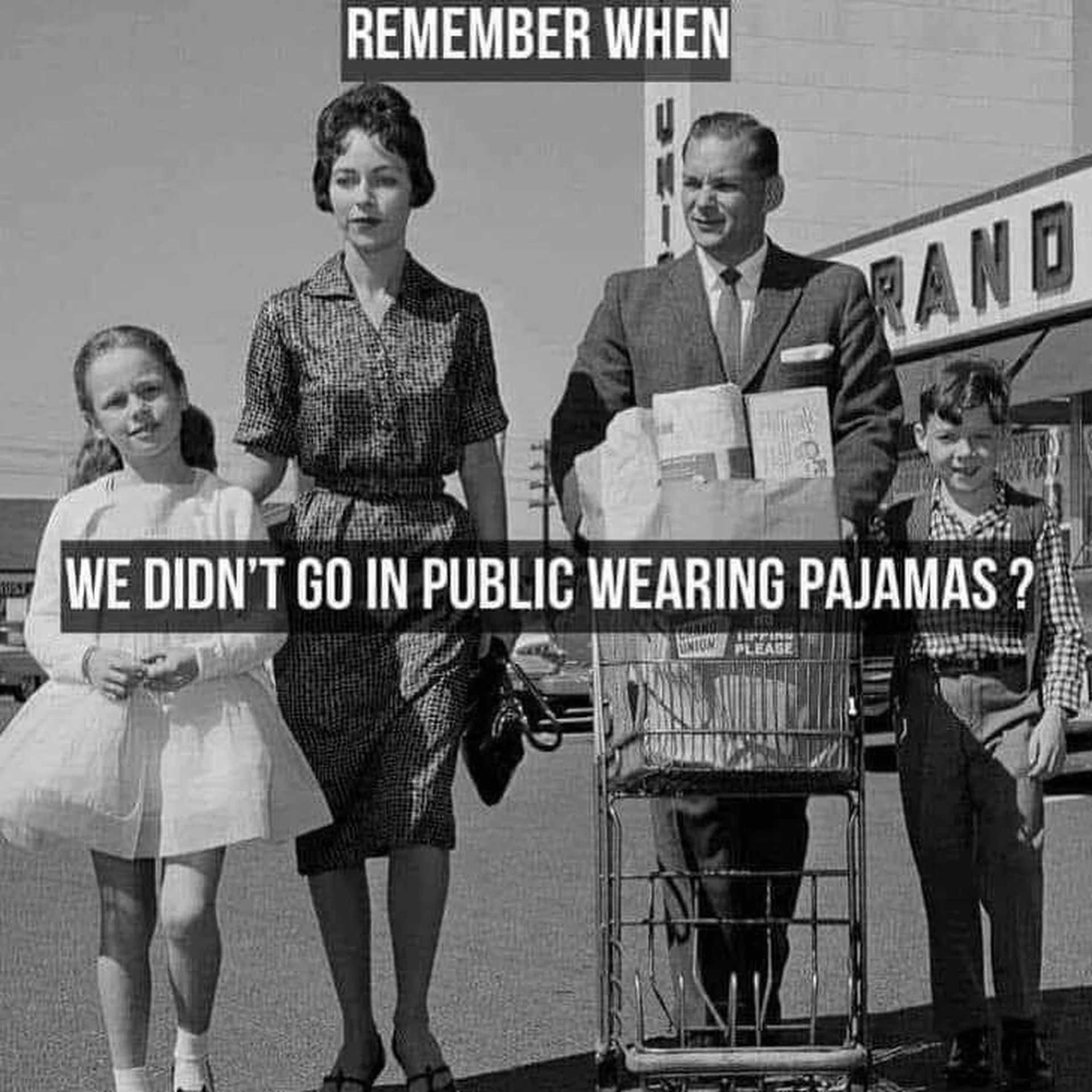
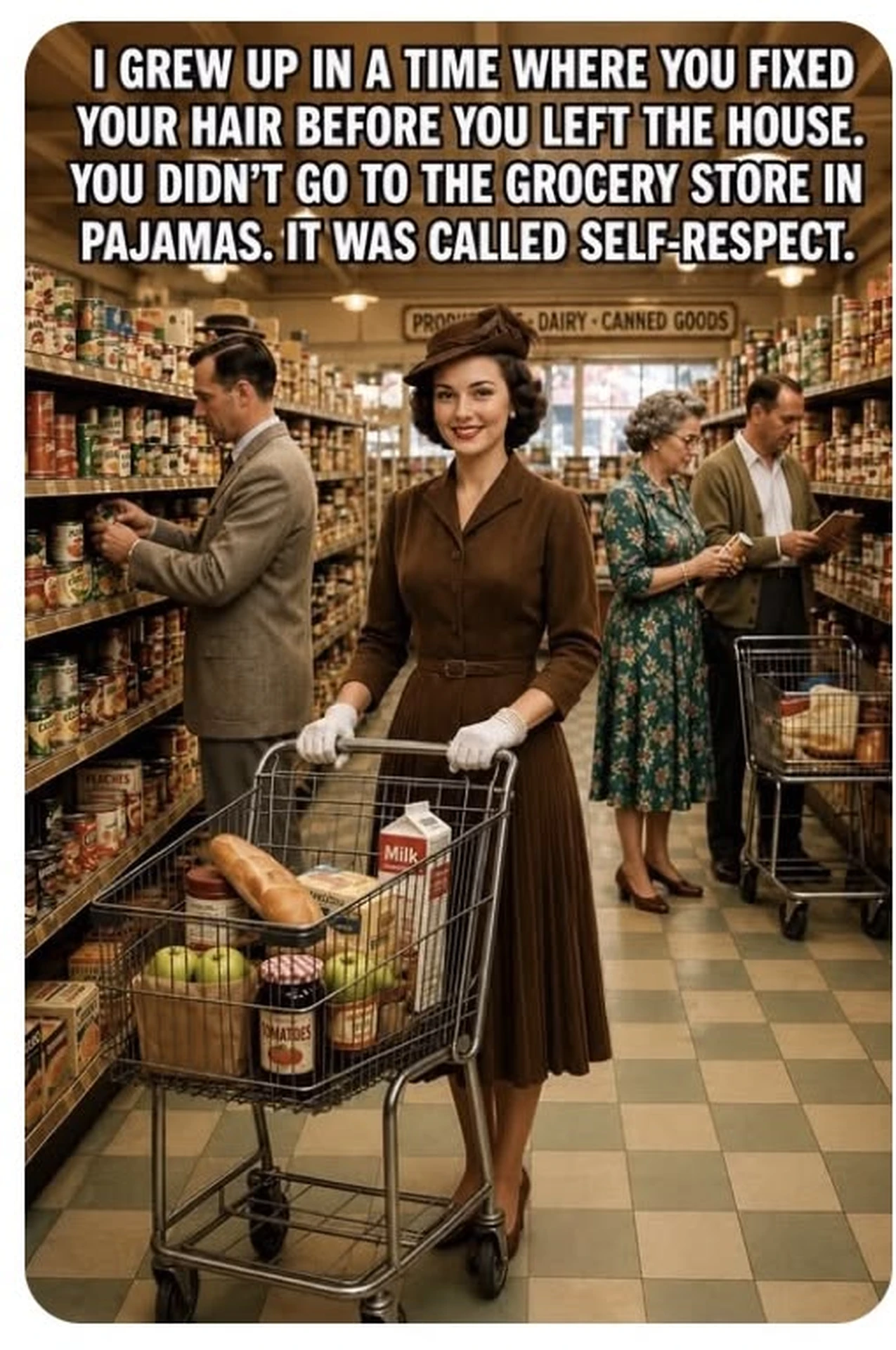
Shopping was personal in the 1950s. Small local shops supplied bread, sweets, newspapers and everyday goods, and the people behind the counter often knew their customers by name. There were no huge out-of-town stores and no deliveries ordered from a screen, so a trip to the shops was also a chance to catch up with neighbours.
#1
#2
#3
#4
#5
#6
#7
#8
Evenings out looked different as well. Families and young couples drove to large outdoor screens and watched films from inside their cars, while teenagers gathered at soda fountains and drug stores after school for ice cream, milkshakes and soft drinks. Those counters were meeting places as much as shops, and very few of the old-fashioned kind remain.
#9
#10
#11
#12
#13
#14
#15
Getting from one place to another also took more planning. Paper maps were kept in cars and unfolded on journeys, and there was no voice to tell a driver where to turn. Getting lost was much easier, and asking a stranger for directions was a normal part of any trip.
#16
#17
#18
#19
#20
Milk deliveries, calls from a booth, typing on a heavy machine and buying a fizzy drink at a soda counter were all ordinary days in the 1950s. They have vanished, but they still remind us how much life has changed, and how much slower, closer and more local everyday living used to be.