 By ali4050284
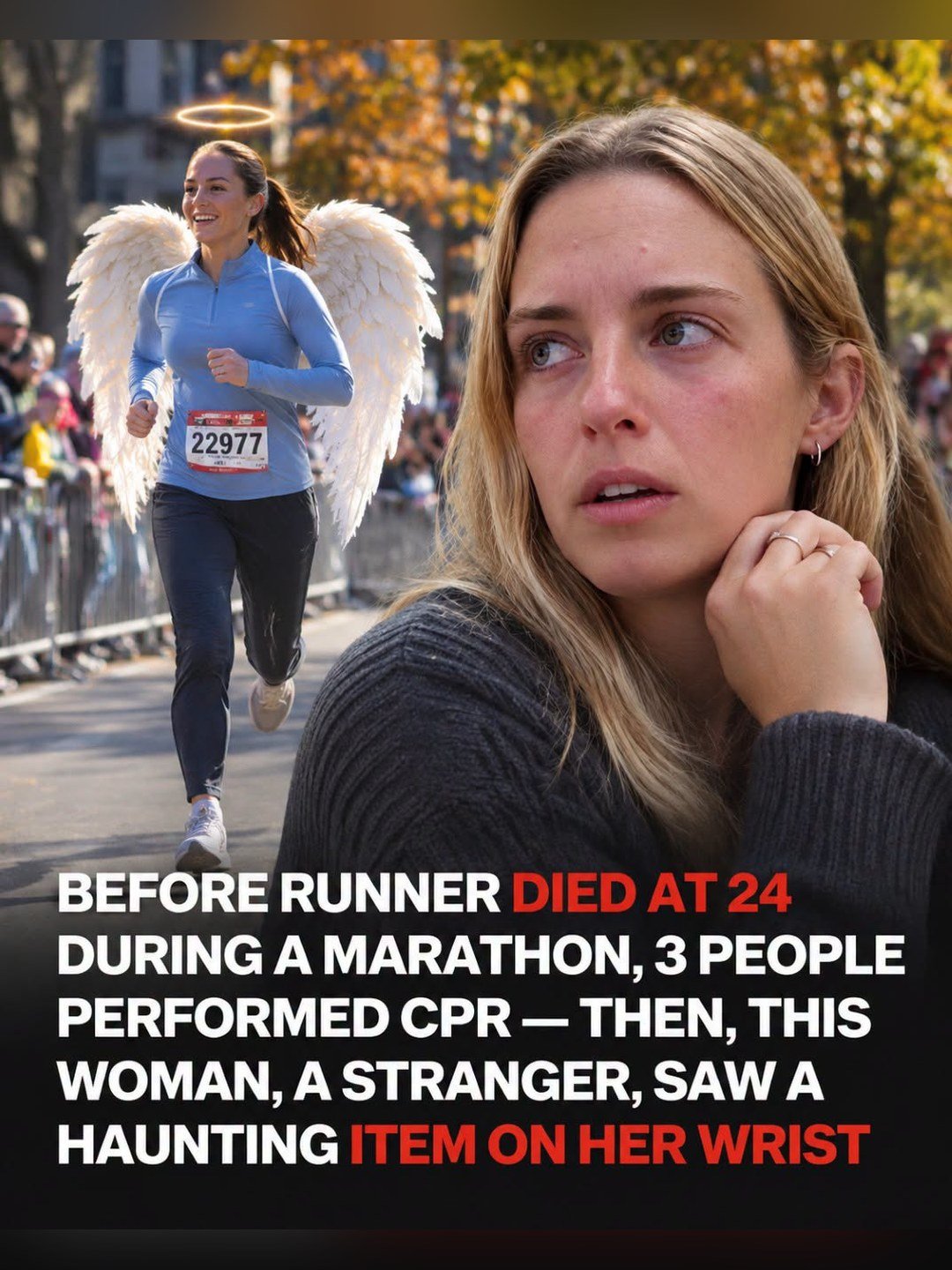
Rachel Apa was chasing a dream that meant far more than finishing a 26.2-mile race. The 24-year-old from Lewisberry, Pennsylvania, had entered her first New York City Marathon on November 1, 2026, to raise money for the Parkinson’s Foundation in memory of her grandfather, who had died from the disease in 2022. Just two miles from the finish line, she collapsed — and never got back up.
Running for Someone She Loved
Rachel was a former Division I field hockey player at Bucknell University, healthy and athletic, and this marathon was not simply a personal challenge. She wanted to honour her grandfather and support the fight against Parkinson’s disease. Her fundraising efforts would later attract even more attention after news of her death spread, with donations quickly passing her original $4,000 goal.
Her family had followed her progress throughout the event, exchanging encouraging messages and waiting to celebrate her achievement. Earlier that morning, she had told her father, Steve Apa, that she felt amazing and had never felt better. He reminded her not to push herself too hard, because it was her first marathon.
The Messages That Slowly Changed
As the miles passed, her messages began to change. Around mile 18, she sent her father a message saying, “Ugh.” A little later, she texted, “Ow, ow.” Her father kept encouraging her, reminding her to take it easy and focus on finishing rather than speed. At mile 23, he sent another message: “All finish, not speed.”
But when Rachel reached approximately mile 24, her location stopped moving. Around 1:33 p.m., her father’s messages went unanswered, and his growing concern turned into a parent’s worst fear. She had collapsed in Central Park, just over two miles from the finish line, as thousands of participants continued toward the end of the course.
Strangers Who Refused to Look Away
Spectator Michaela Nicholas and her fiancé witnessed what happened and immediately called for help. Nicholas rushed to Rachel’s side, while people nearby, including two individuals who said they were doctors, began performing CPR. Nicholas later recalled holding Rachel’s hand and telling her that she was loved and not alone.
Race medical personnel arrived and attempted to revive her using a defibrillator. Paramedics then transported her to Mount Sinai Hospital in critical condition. Her mother, Michelle, had been waiting farther along the course, hoping to see her daughter complete the race. When she learned Rachel had collapsed, she rushed toward the location, only to discover that an ambulance had already taken her away.
A Finish Line She Never Reached
Doctors continued trying to save Rachel Apa, but she died later that evening, at approximately 9:40 p.m. Her father later said doctors had identified rhabdomyolysis as the likely cause — a potentially life-threatening condition in which damaged muscle tissue releases substances into the bloodstream, and severe cases can lead to dangerous complications affecting the kidneys and heart.
Her family described her as healthy and athletic, making the sudden tragedy even more difficult to understand. Bucknell University, the Parkinson’s Foundation, and the New York Road Runners community expressed their condolences to her family and loved ones. For her father, the final text messages remain an especially painful reminder of how quickly an ordinary day can change. He had been encouraging his daughter mile after mile, believing he would soon hear that she had crossed the finish line. Instead, his family received news no parent should ever have to face. Rachel never reached the finish line, but her reason for running continues to inspire others. She ran to honour someone she loved, hoping to help families affected by Parkinson’s disease. Her life ended just short of the finish, but the compassion behind her final race has reached far beyond those 26.2 miles.