 By ali4050284
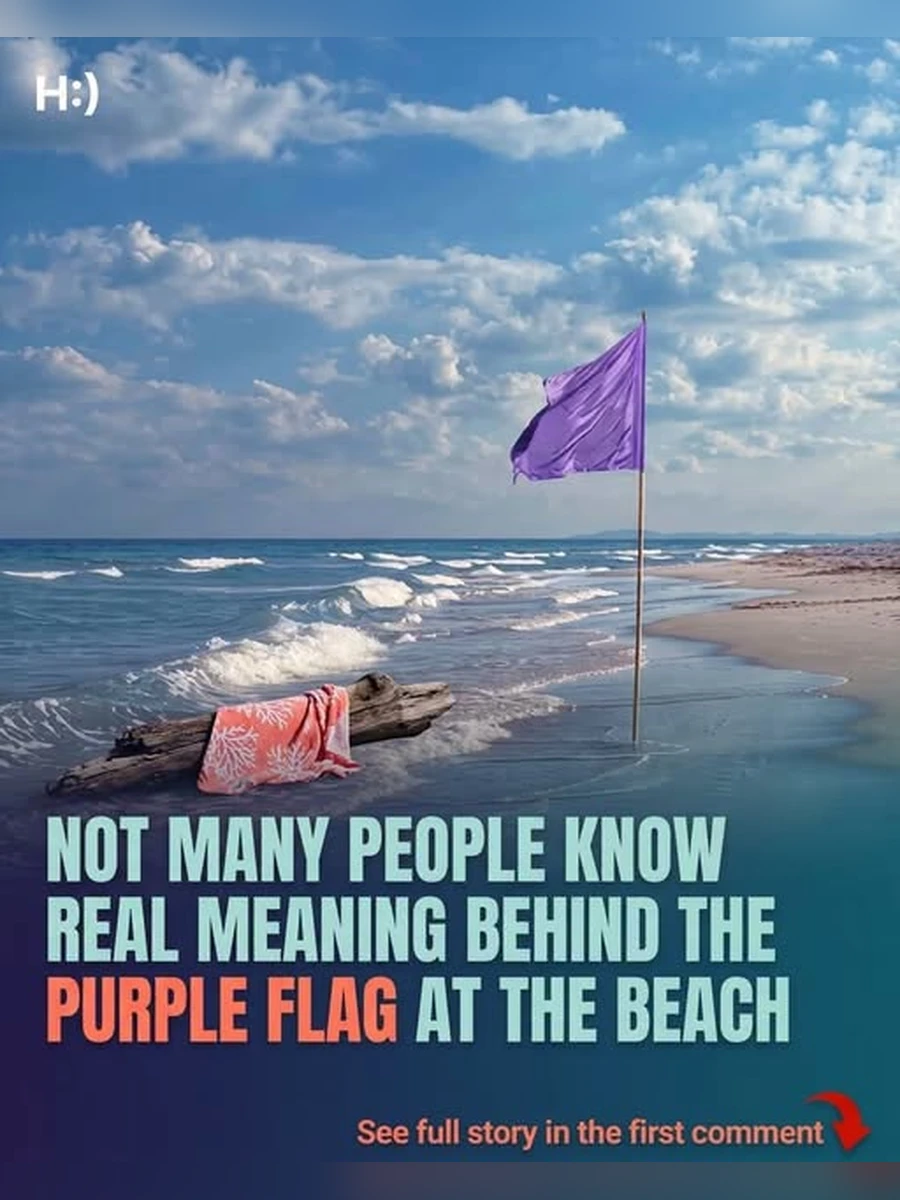
Beach flags are one of those things most people notice without ever really learning. Green means calm, yellow means caution, red means danger — and most beachgoers have at least a rough sense of that much. But then there is the purple flag, and it confuses people more than any other colour on the pole.
The purple flag does not mean what most people assume it means. It is not about the waves, the currents, or the surf at all. It means something is in the water — and that something can sting.
A purple flag is flown when dangerous sea life has been sighted in the area: jellyfish, stingrays, or other stinging creatures. It is a warning about what is living beneath the surface, not about how the surface itself is behaving. Understanding that distinction can make the difference between a pleasant swim and a painful encounter.
Why Purple, and Why It Is Different
Most beach warning flags describe conditions: the strength of the surf, the pull of the currents, the danger of the waves themselves. Green means the water is calm. Yellow means moderate surf or currents, so swim with care. Red means high surf, strong currents, or both — dangerous conditions, and often a warning not to enter the water at all.
Purple breaks that pattern. It says nothing about the waves. The surf could be perfectly gentle, the water glassy and inviting, and a purple flag could still be flying — because the warning is about marine life, not about the sea’s movement. A jellyfish drifting in calm water is just as capable of stinging as one in rough water, and a stingray resting in the shallows does not need a wave to be dangerous.
That is why purple is its own colour, separate from the green-yellow-red scale. It answers a different question: not “how rough is the water?” but “what is in it?” And the answer, when purple flies, is: something that can hurt you, even if the water looks perfect.
Does a Purple Flag Mean the Beach Is Closed?
One of the most common misunderstandings about the purple flag is that it means the beach or the water is closed. In most cases, it does not. A purple flag is usually a caution, not a ban. Swimming is typically still permitted, but with extra care, and with an awareness of what has been sighted.
That distinction matters for beachgoers. Some people see purple and leave, assuming they are not allowed in the water. Others see purple and ignore it, assuming it means nothing serious. Both reactions miss the point. The flag is telling you to be careful, to stay alert, and to make an informed choice — not to panic, and not to dismiss it.
If you are unsure what a purple flag means at a particular beach, the best step is the simplest one: ask a lifeguard. Lifeguards know what has been sighted, where it was seen, and whether conditions have changed since the flag went up. A thirty-second conversation can tell you far more than the flag alone, and it can turn a vague worry into a clear decision.
How to Swim Safely Under a Purple Flag
If you decide to swim while a purple flag is flying, a few simple precautions make a real difference. The first is the stingray shuffle: in shallow water, shuffle your feet along the bottom instead of taking normal steps. A stingray resting on the seabed is far more likely to swim away when it feels the vibration of shuffling feet than to sting a foot that lands directly on it. This one habit prevents a large number of stingray injuries every year.
Second, wear a rash guard or a thin wetsuit top if you have one. It will not make you invulnerable, but it does add a layer between your skin and a jellyfish tentacle, and that layer can reduce the severity of a sting.
Third, keep a close eye on children. Young swimmers are less likely to notice jellyfish, less likely to shuffle their feet, and more likely to panic if stung. Keeping them near you, in shallower water, and watching the water around them is the simplest protection there is.
And if you are stung, get out of the water calmly and seek first aid. Lifeguards are trained for stings and will know what to do — including whether a particular sting needs more than basic treatment. Do not panic, and do not try to treat a serious sting on your own if help is nearby.
What Purple Does Not Mean
The purple flag is also worth understanding for what it does not mean, because the misconceptions around it are persistent. It does not mean the water is polluted. It does not mean the waves are dangerous — that is what yellow and red are for. It does not mean sharks have been sighted, though sharks are sea life too; the purple flag specifically signals stinging creatures like jellyfish and stingrays.
And it does not mean you must stay out of the water, though caution is always warranted. The flag is a warning, not a wall. It asks you to pay attention, to ask questions, and to swim with awareness — not to abandon your beach day entirely.
Ignoring it, though, is the other mistake. A swimmer who has never heard of the purple flag may walk straight past it, wade into water where jellyfish have been sighted, and learn what the flag meant the hard way. The flag is there precisely so that does not happen.
The Flag System, At a Glance
It helps to see purple in context, alongside the flags most beachgoers already know:
- Green: calm water, low hazard. Safe to swim, with normal caution.
- Yellow: moderate surf or currents. Swim carefully, and stay alert.
- Red: high surf, strong currents, or both. Dangerous conditions; swimming is often discouraged or prohibited.
- Purple: dangerous sea life sighted — jellyfish, stingrays, or other stinging creatures. The water may look calm, but something beneath the surface can sting.
- Double red: the water is closed to swimming altogether.
Notice how purple sits apart. It is not part of the calm-to-dangerous scale of water conditions. It is a parallel warning, about a different kind of danger, and it can fly alongside any of the others. A beach can fly yellow and purple together — moderate surf, and jellyfish too. Knowing both warnings at once is what keeps a swimmer safe.
Conclusion
The purple flag is the most misunderstood flag on the beach, and the misunderstanding is understandable. It looks like part of a colour scale, and most people assume it must mean something about the waves. It does not. It means that dangerous sea life — jellyfish, stingrays, or other stinging creatures — has been sighted in the water.
It does not usually mean the beach is closed. It means swim with caution, shuffle your feet, consider a rash guard, watch the children, and ask a lifeguard if you are unsure. A few small precautions, and a moment’s attention to the flag, are all it takes to turn a warning into a safe swim.
So the next time you see purple flying over a beach, do not think about the waves. Think about what is underneath them — and swim accordingly.
Frequently Asked Questions
What does a purple flag at the beach mean?
A purple flag means dangerous sea life has been sighted in the area — typically jellyfish, stingrays, or other stinging creatures. It is a warning about marine life in the water, not about wave or current conditions.
Does a purple flag mean the beach is closed?
Usually not. A purple flag is generally a caution rather than a closure: swimming is typically permitted, but with extra care. If you are unsure, ask a lifeguard what has been sighted and whether conditions have changed.
What is the stingray shuffle?
The stingray shuffle means shuffling your feet along the seabed in shallow water instead of taking normal steps. The vibration warns stingrays resting on the bottom, which usually swim away rather than sting a foot that lands on them.
Is the water safe to swim in under a purple flag?
It can be, with precautions: shuffle your feet, consider a rash guard, keep children close and in shallower water, and ask lifeguards for the latest information. If you are stung, leave the water calmly and seek first aid.
How is purple different from yellow and red flags?
Yellow and red describe wave and current conditions — yellow for moderate surf, red for dangerous surf and currents. Purple describes something different: the presence of dangerous sea life, regardless of how calm the water looks.