 By ali4050284
Ada was five years old when her mother died, and she remembered almost nothing about her.
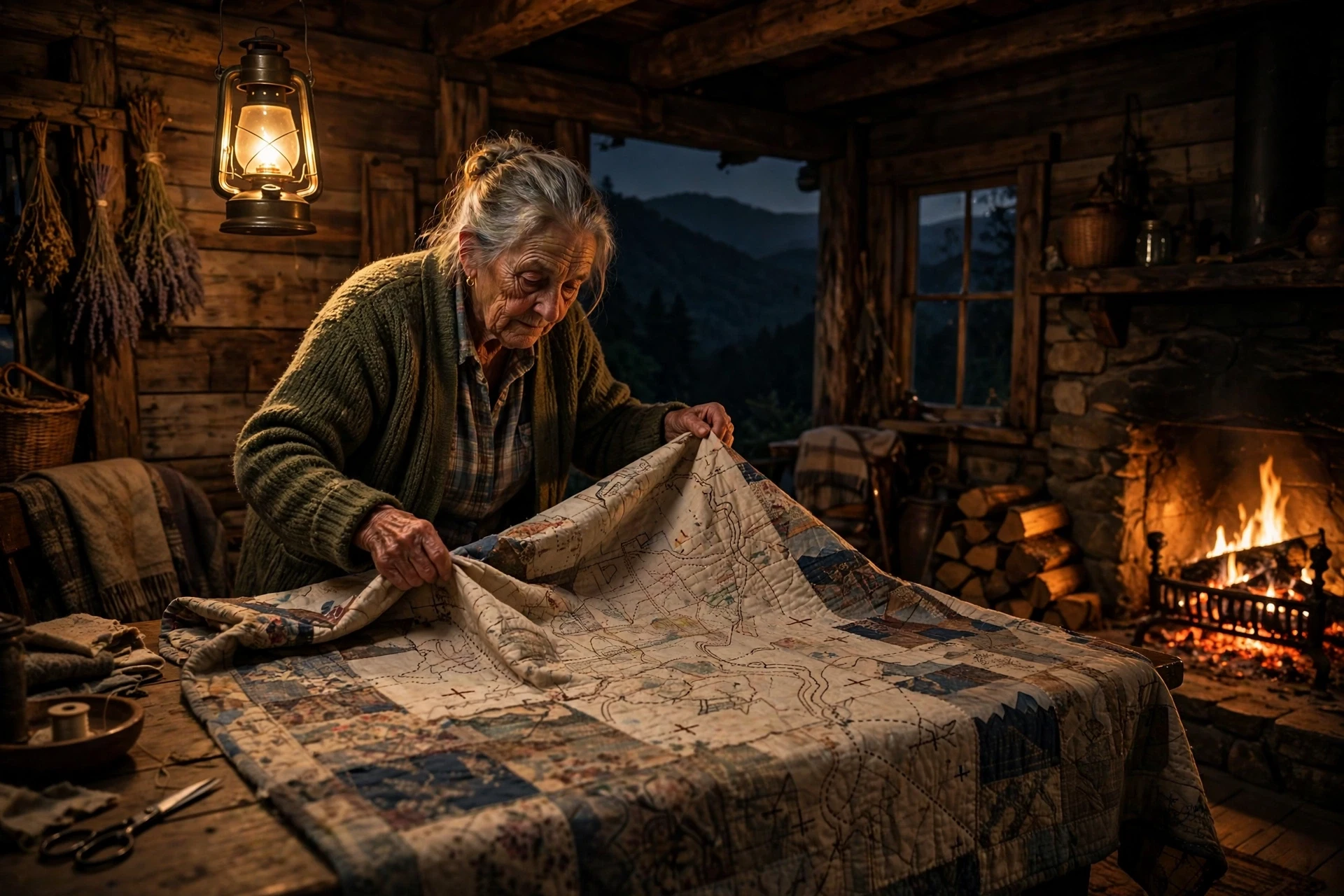
She remembered a voice, humming while it worked. She remembered hands, rough and gentle, braiding her hair in the morning. She remembered the smell of roses — her mother grew roses behind their little house, red ones, and she would cut one every Sunday and put it in a jar on the table.
After her mother died, Ada’s father never spoke of her. He never said where she was buried. When Ada asked, he would go quiet and find something to fix. When she asked the neighbours, they would pat her head and change the subject. By the time Ada was grown, she had stopped asking. She had a life of her own by then — a husband, children, a house in the next county. But she never forgot the roses.
Her father died when Ada was forty. She went through his things and found, in the bottom of his toolbox, a small tin box. Inside was a photograph of her mother, young and laughing, holding a rose, and a piece of paper with a few words in her father’s handwriting: “The old burying ground, under the big oak, past the spring.”
Ada put the paper away. She was busy. The children were still small. There was always something else to do. But she kept the photograph on her dresser, and every spring, when the roses bloomed, she thought of her mother.
At sixty, with her children grown and her husband gone, Ada did something she had been meaning to do for fifty-five years. She took a cutting from her own rose bush — the red roses, grown from a cutting her mother had once given a neighbour, passed hand to hand down the mountain, back to her at last — and she drove to the old home place.
The house was gone, fallen in on itself, nothing left but a chimney and a tangle of blackberry canes. But behind it, past the spring, under the big oak, there was a small burying ground she had never known was there. The stones were old and tilted, half-sunk in the grass, their names worn away by a hundred winters.
Ada walked among them slowly, reading what she could. And then she found it — a small stone, no bigger than a bread loaf, with a single word still clear enough to read.
MOTHER.
She knelt in the grass and cried — not the sharp crying of a child, but the long, quiet crying of a woman who had waited fifty-five years to say goodbye. She told the stone everything: about her life, her children, her husband, the house she had made. She told it about the roses.
Then she took her trowel and dug a hole beside the stone, in the good mountain soil, and planted the rose cutting. She watered it from the spring, the way her mother would have done, and she sat with it until the sun went down.
“I brought you home,” she said. “Or maybe you brought me home. Either way, we’re together now.”
Ada goes back every spring. The rose bush is big now, and every May it blooms red against the old oak, the brightest thing on that whole hillside. People who walk past the burying ground sometimes stop and wonder who tends a grave so far from anywhere, with no name on the stone but one word.
Ada never tells them. She just smiles, and cuts a rose, and puts it in a jar on her table — the way her mother used to do, every Sunday, a long time ago.