 By ali4050284
Between the early fifties and the late seventies, cars stopped being just a way to get somewhere and became a statement about who you were. Tailfins grew taller, chrome got brighter, and then the muscle cars arrived with engines that could shake the windows. Some of these machines were family workhorses, some were dream cars, and all of them still turn heads today. Here are the twenty that defined the road for a generation.
1. Ford Model 1950 Custom Deluxe
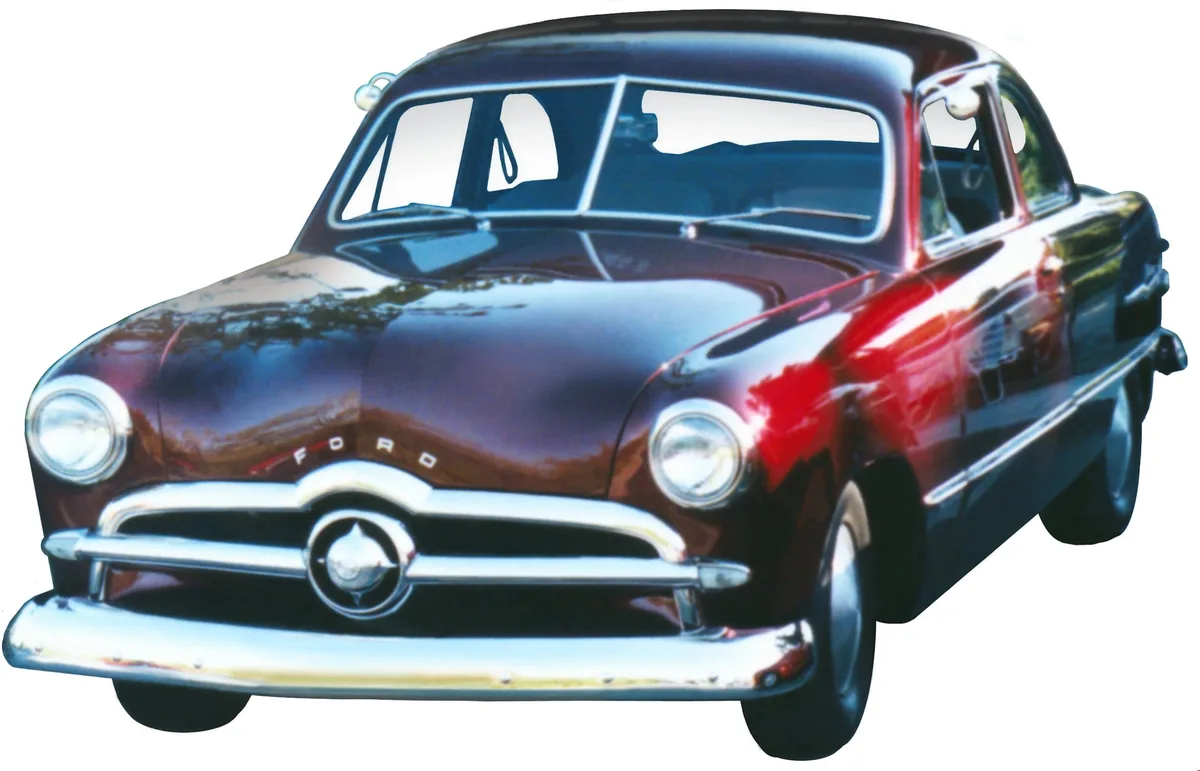
Fresh out of the war years, Ford’s Custom Deluxe was a clean break from the past. Its smooth lines and modern styling made the pre-war cars still on the roads look instantly old-fashioned. It was affordable without feeling cheap, which is why it appealed to so many ordinary families. More than that, it marked the start of a move toward sleeker, more streamlined American cars that would define the decade.
2. Chevrolet Bel Air
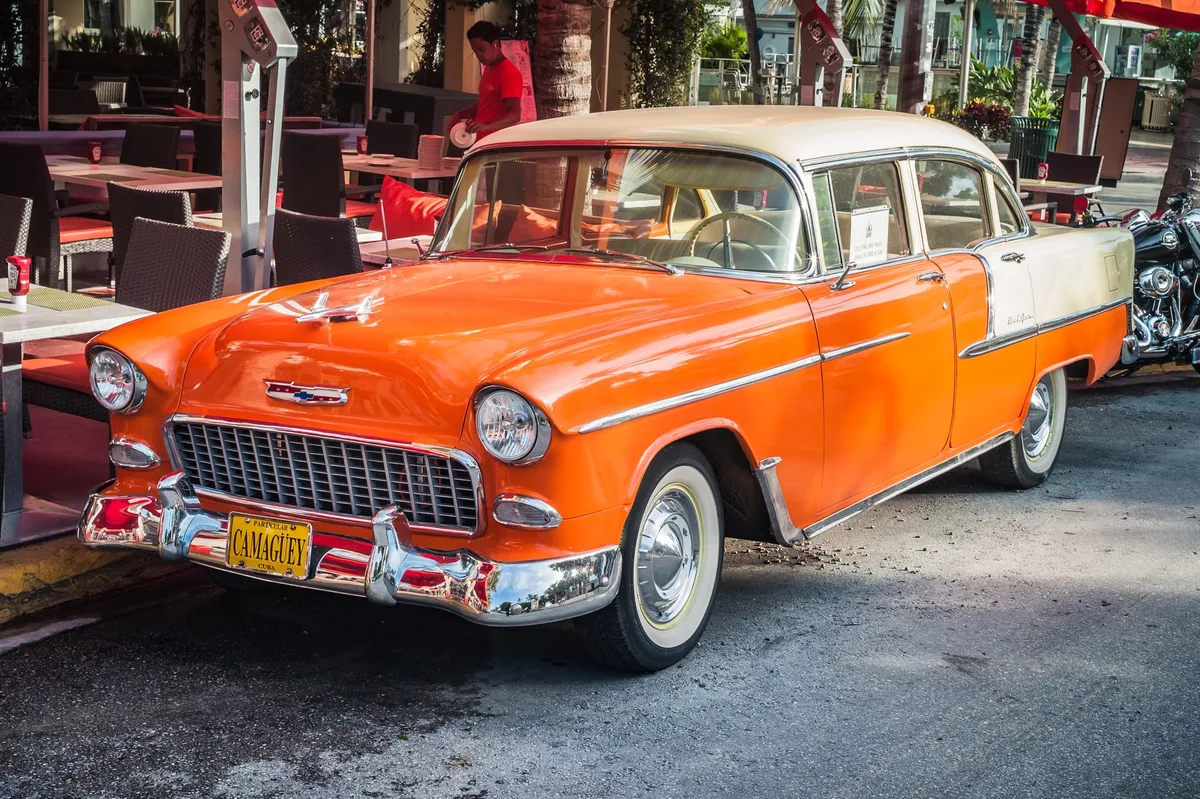
Few cars capture the spirit of the fifties quite like the Bel Air. With its tailfins, gleaming chrome and bold two-tone paint, it became a symbol of post-war optimism almost overnight. It was not all show, either — the price stayed within reach of ordinary drivers, which helped it sell in huge numbers. The Bel Air balanced style and practicality in a way few cars have managed since.
3. Volkswagen Beetle
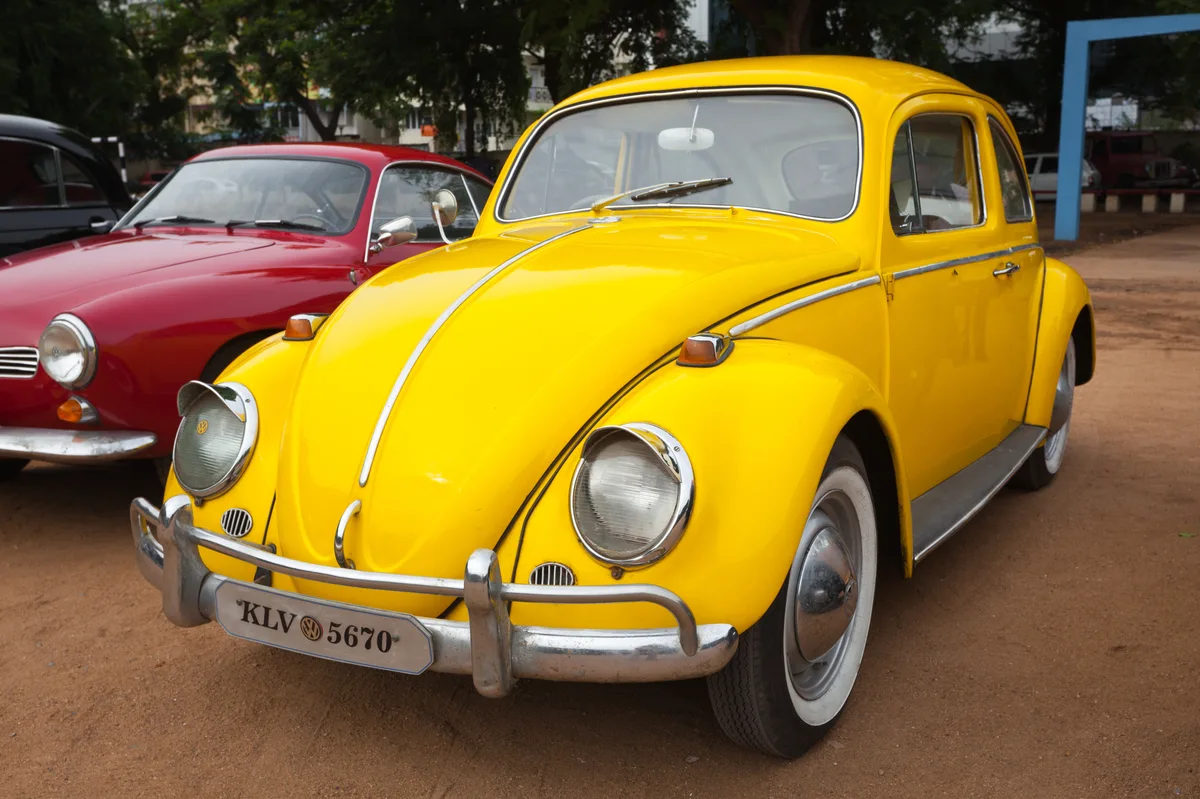
While Detroit was building ever bigger cars, the Beetle offered something completely different. Its small, rounded shape and simple engineering made it cheap to run and easy to fix, and its modesty became its charm. Younger drivers loved it, and so did anyone who valued reliability over showmanship. In a decade of excess, the Beetle proved that small could be beautiful.
4. Cadillac Eldorado
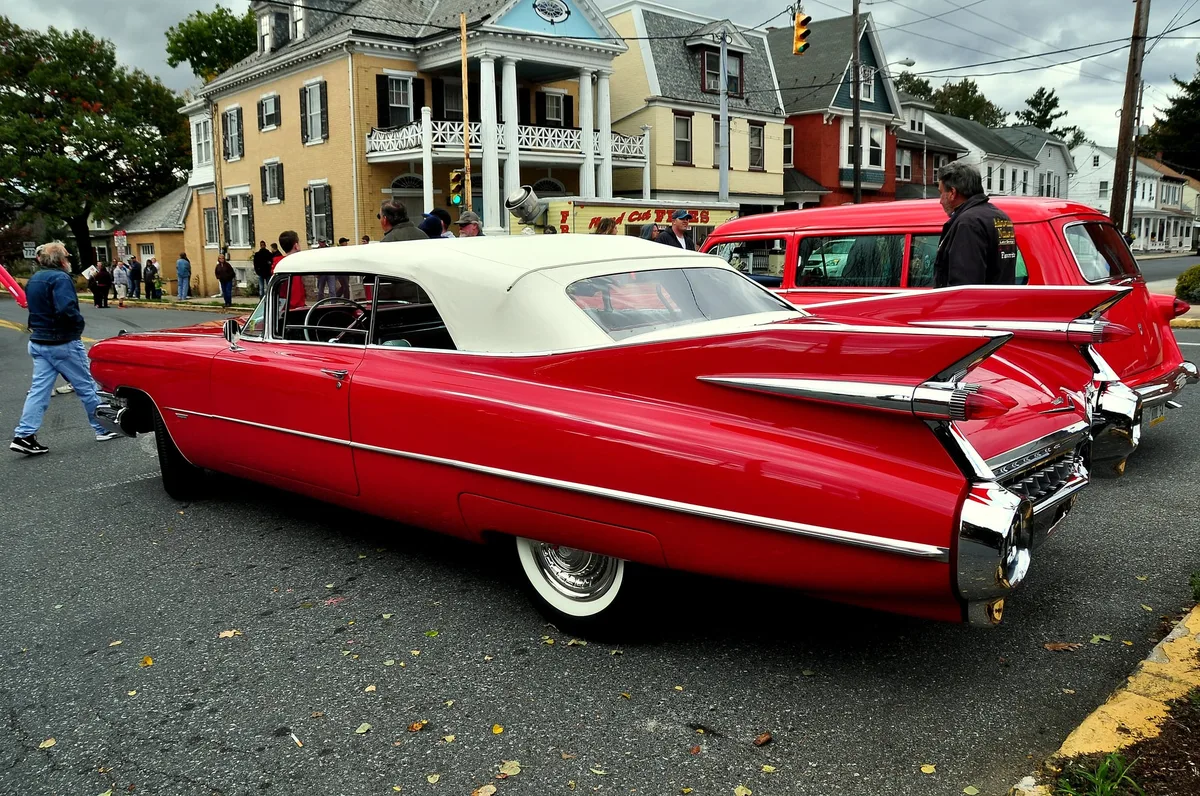
The Eldorado sat at the opposite end of the spectrum from the Beetle — big, bold and unmistakably luxurious. Its dramatic fins and enormous bodywork embodied the height of fifties American extravagance, and owning one was a public announcement that you had arrived. It was never just transport; it was a trophy on four wheels.
5. Ford Thunderbird
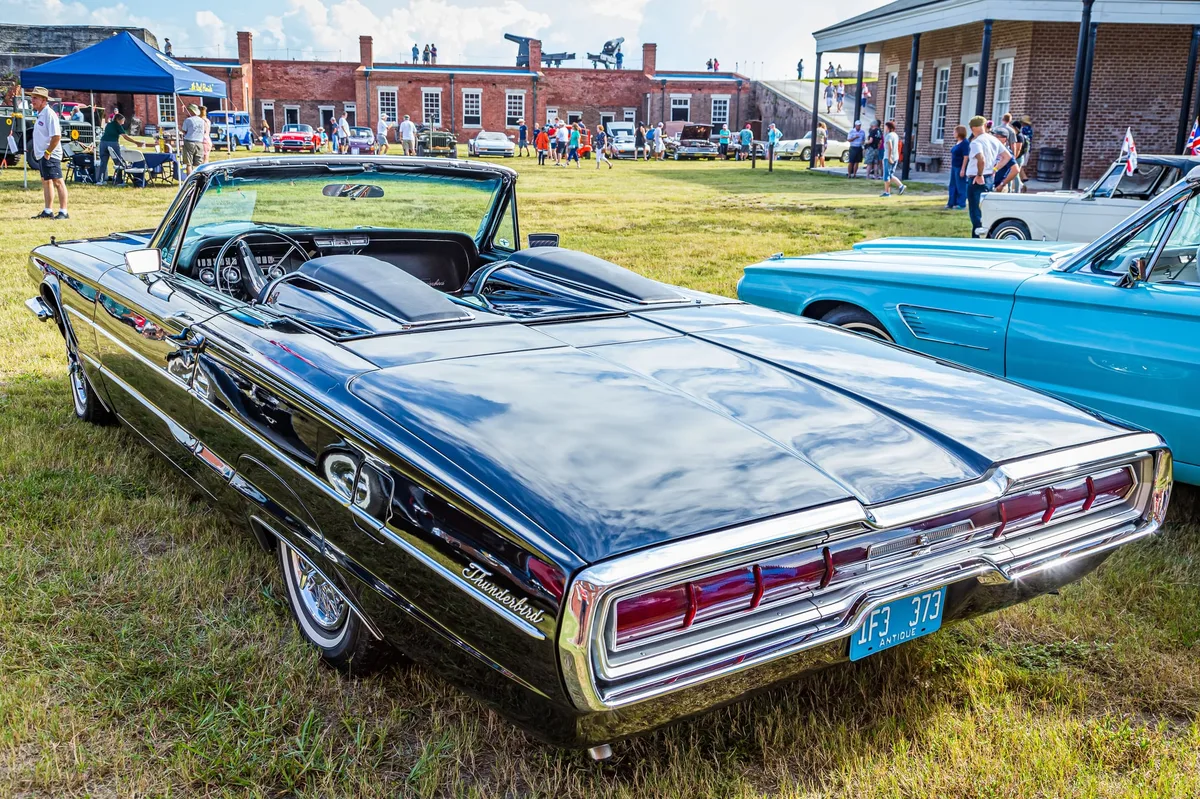
Ford built the Thunderbird as its answer to the growing taste for sporty cars, and it carved out a space all its own. It was not a pure sports car, but it mixed performance with comfort in a way that appealed to a wide audience. The sleek design and personal-luxury feel made it stand out, and the early models are still admired for striking that rare balance between everyday usability and a sense of occasion.
6. Chevrolet Corvette (C1)
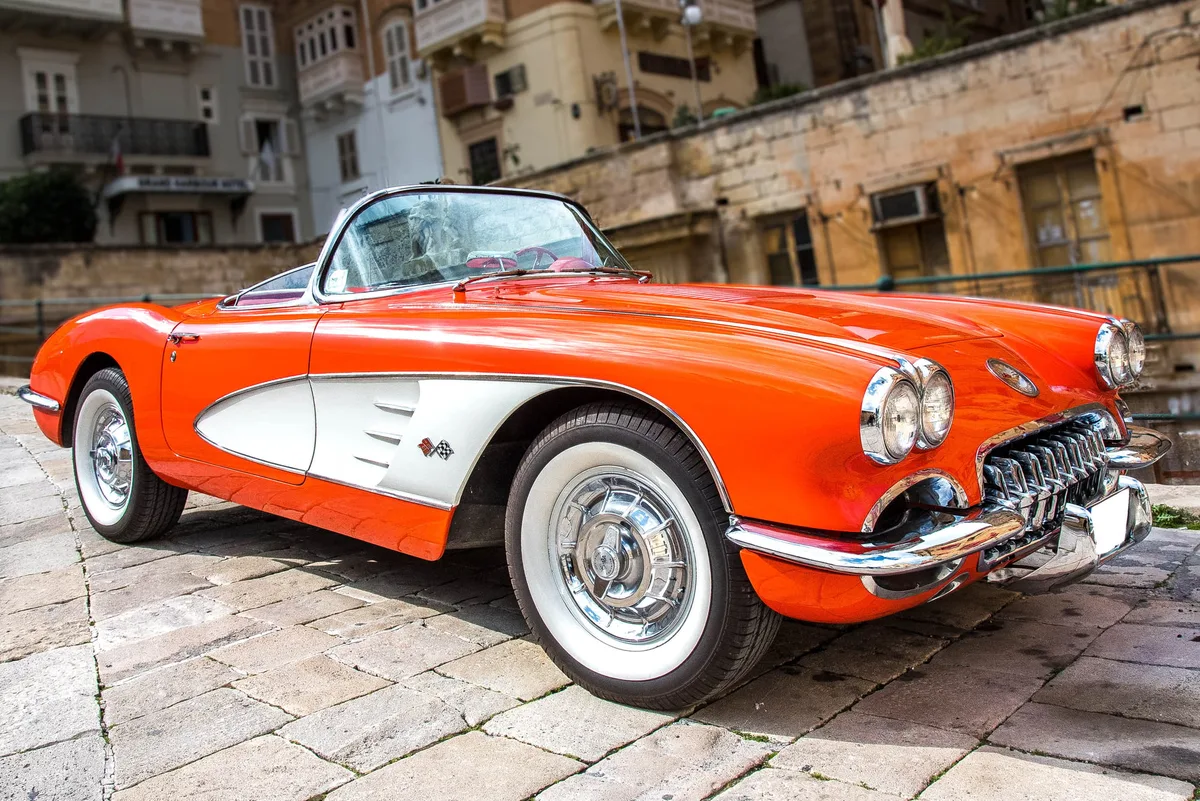
The first-generation Corvette was America’s serious entry into the sports car world. Its fibreglass body and low, swooping profile looked like nothing else on American roads at the time. The earliest versions were more about style than speed, but that changed quickly as the engineering caught up with the looks. The Corvette went on to become an American icon.
7. Plymouth Fury
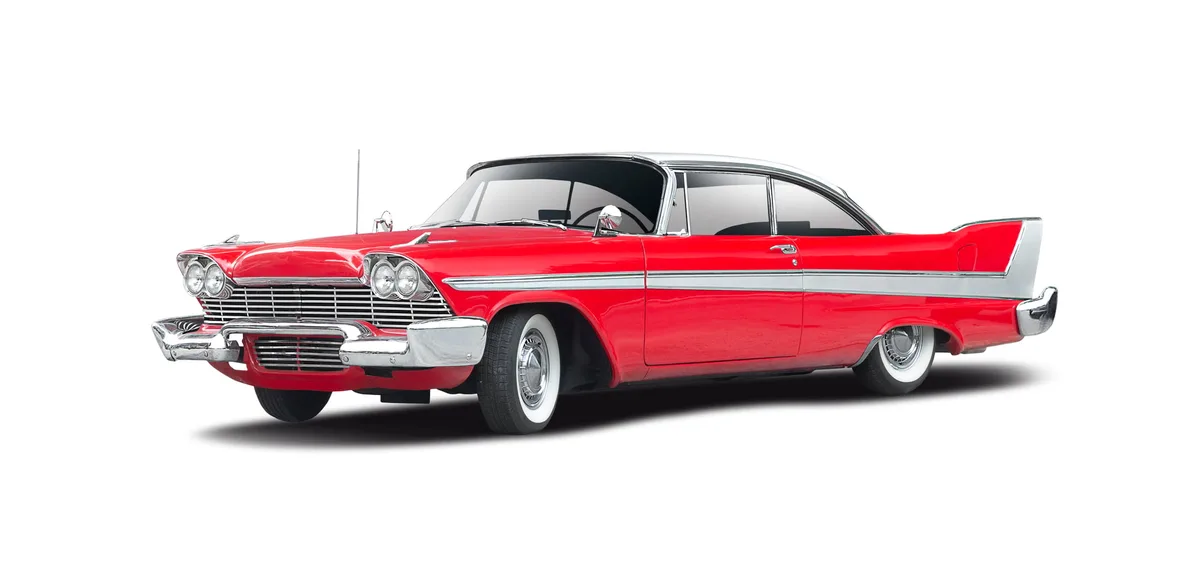
The Fury won attention with bold styling and a commanding presence on the road. Its dramatic fins and wide stance made it instantly recognisable, especially in the late fifties, and it backed up the looks with solid performance and comfort that suited families too. The Fury showed that a car could be dramatic and practical at the same time.
8. Mini Cooper
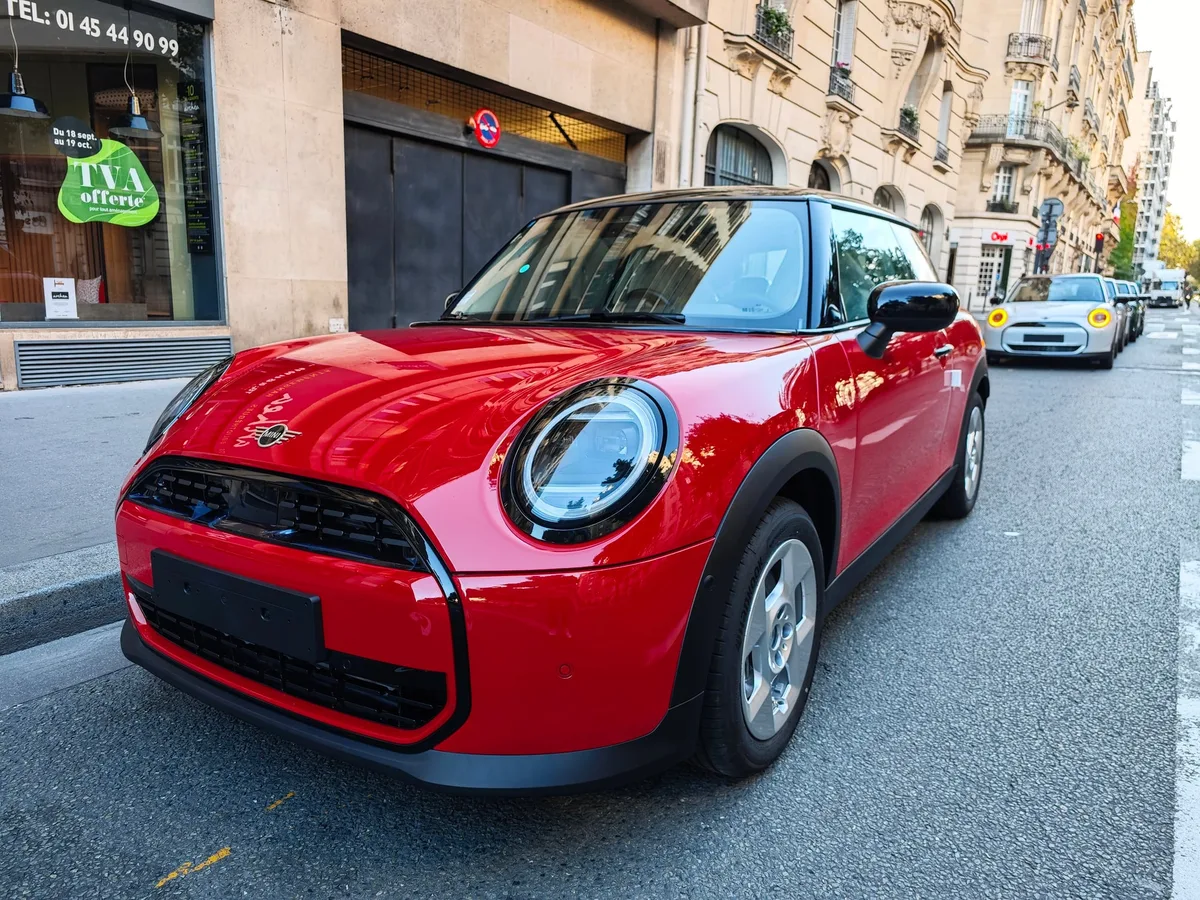
The Mini Cooper changed what a small car could be. Designed for efficiency, it squeezed a surprising amount of room into a tiny footprint and slipped through city streets that defeated bigger cars. Its cheeky charm and lively handling won it fans everywhere, and its success on the rally circuit only added to its reputation. Small, clever and full of character — the Mini was a revolution in miniature.
9. Ford Mustang
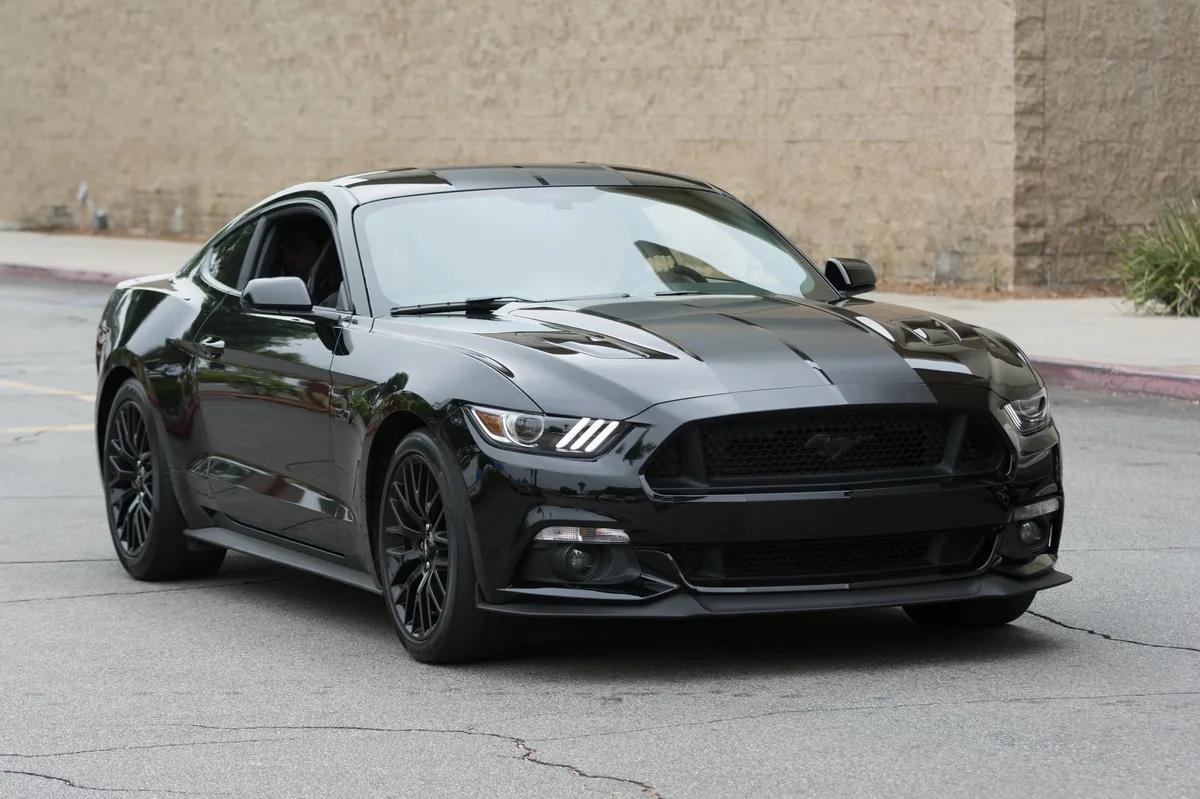
When the Mustang arrived in the mid-sixties, it created an entirely new kind of car. Affordable, stylish and endlessly customisable, it spoke directly to younger buyers who wanted something more exciting than a standard family saloon. Its success was immediate and overwhelming. The Mustang captured the spirit of freedom and individuality, and it remains one of the most influential cars ever built.
10. Chevrolet Camaro
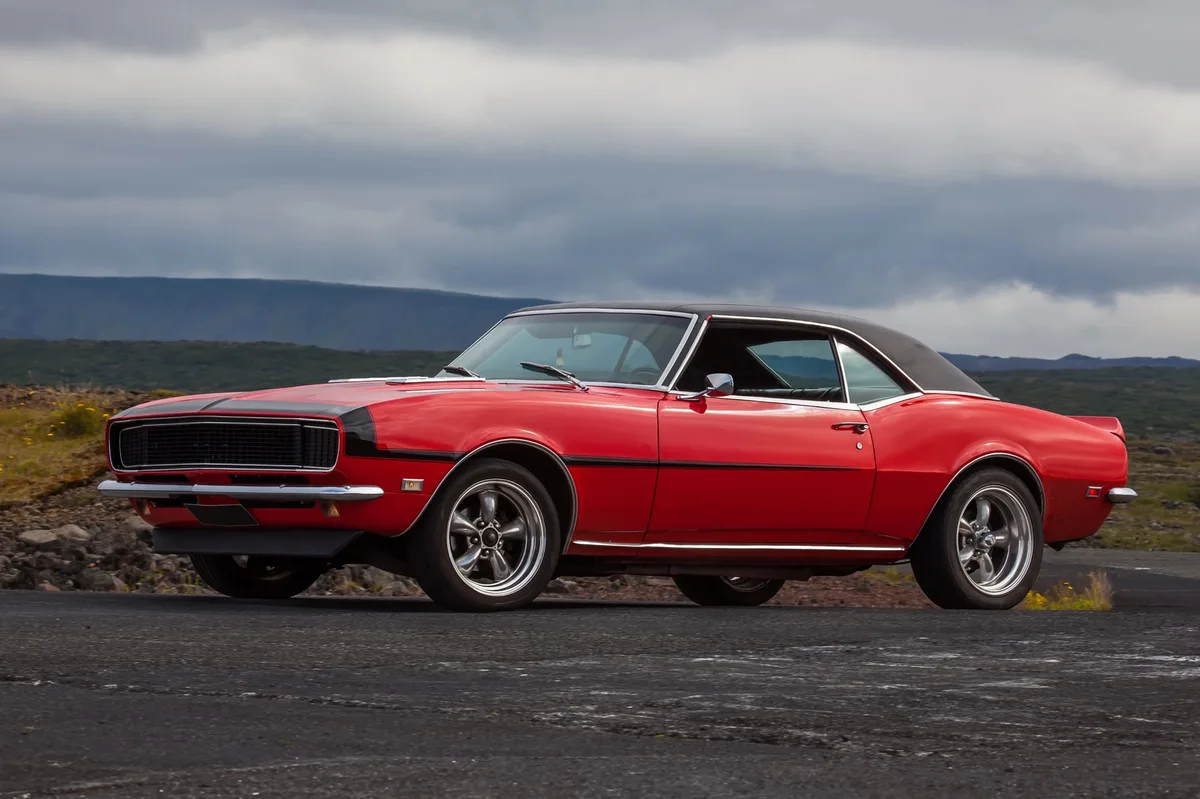
The Camaro entered the scene as a direct rival to the Mustang and quickly built an identity of its own. With a slightly more aggressive design and strong performance options, it became a central figure in the muscle car movement — all power and attitude. The rivalry between Camaro and Mustang fuelled an entire era of automotive culture, and both cars are better for it.
11. Dodge Charger
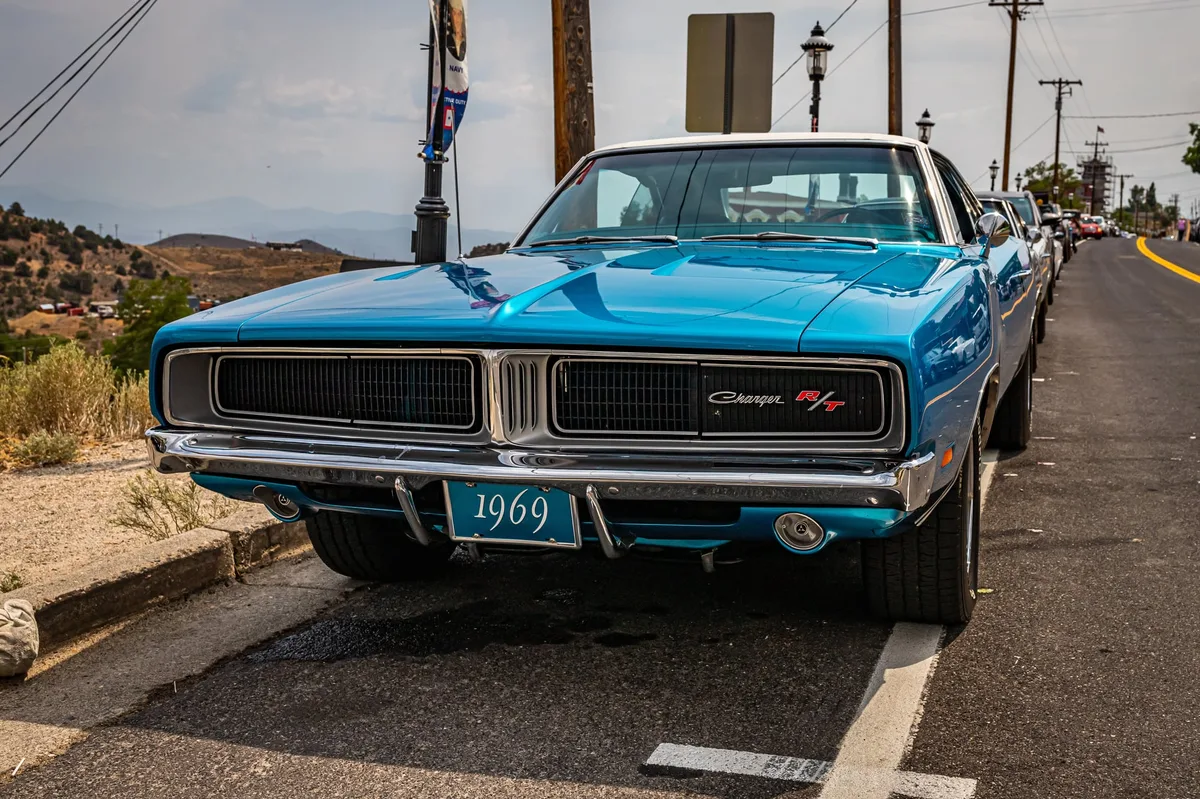
The Charger took the muscle car formula and added drama. Its fastback shape and powerful engine choices gave it a presence that set it apart from its rivals, and appearances in film and television turned it into a cultural icon. The Charger combined raw performance with a design that felt both sleek and imposing — a car that looked fast even standing still.
12. Pontiac GTO
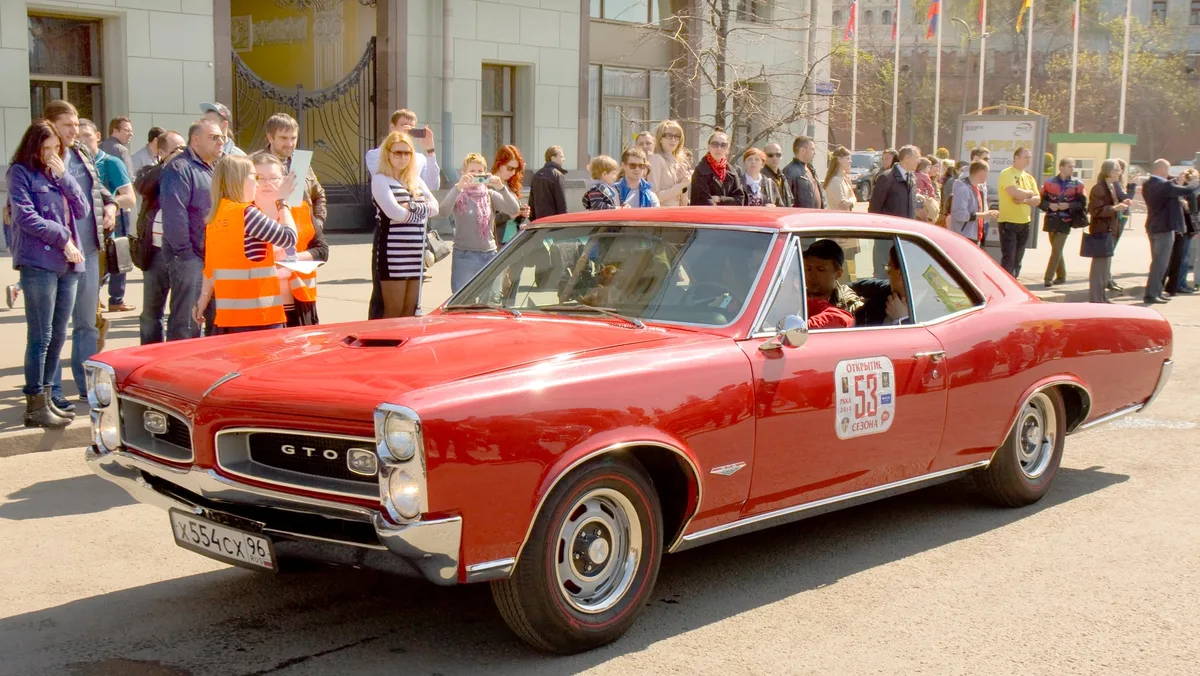
The GTO is often credited with starting the whole muscle car craze. It put a big, high-performance engine into an affordable package and challenged the idea that speed had to come with a luxury price tag. Its success inspired a wave of copycats, and it remains one of the most influential cars of the sixties. The GTO rewrote what ordinary drivers could expect from an ordinary-looking car.
13. Chevrolet Impala
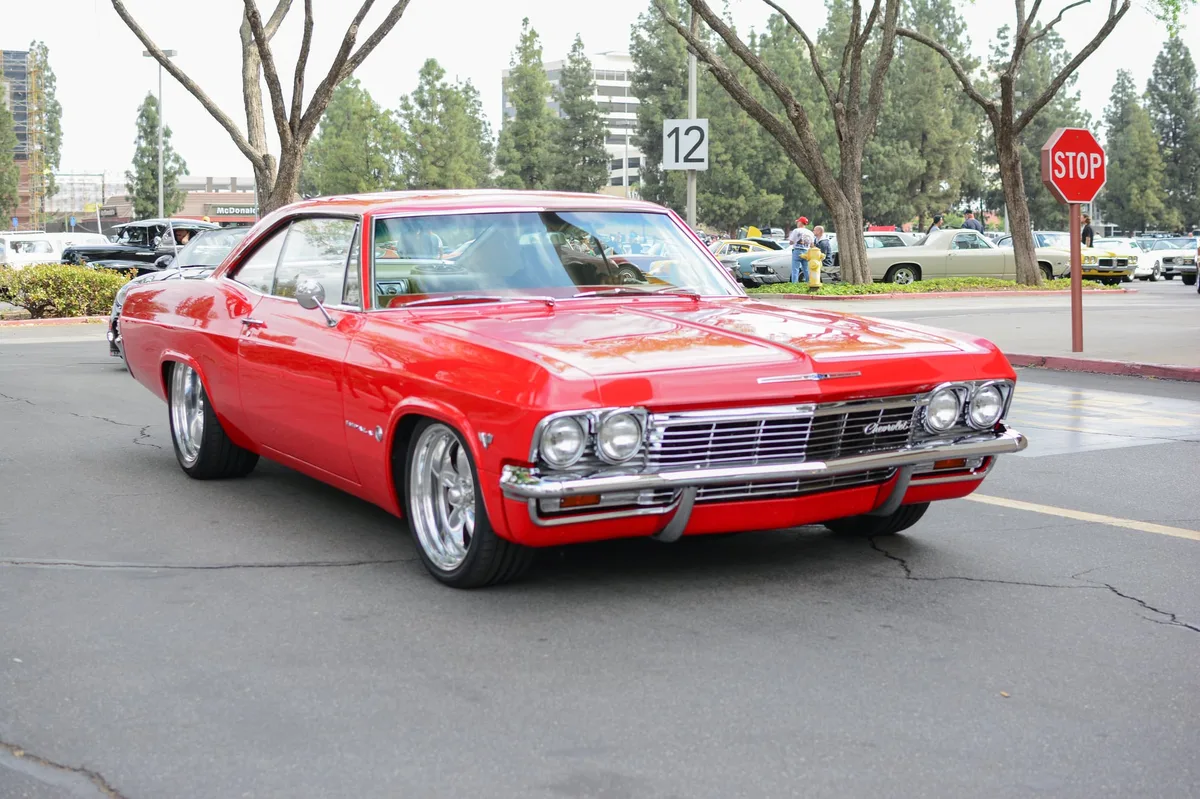
The Impala became one of the best-selling cars of its era by offering size, comfort and affordability in one handsome package. It suited families, commuters and anyone who wanted a little style without a big bill. Its long production run made it a familiar sight on roads across the country — the dependable, good-looking car that everybody knew.
14. Toyota Corolla
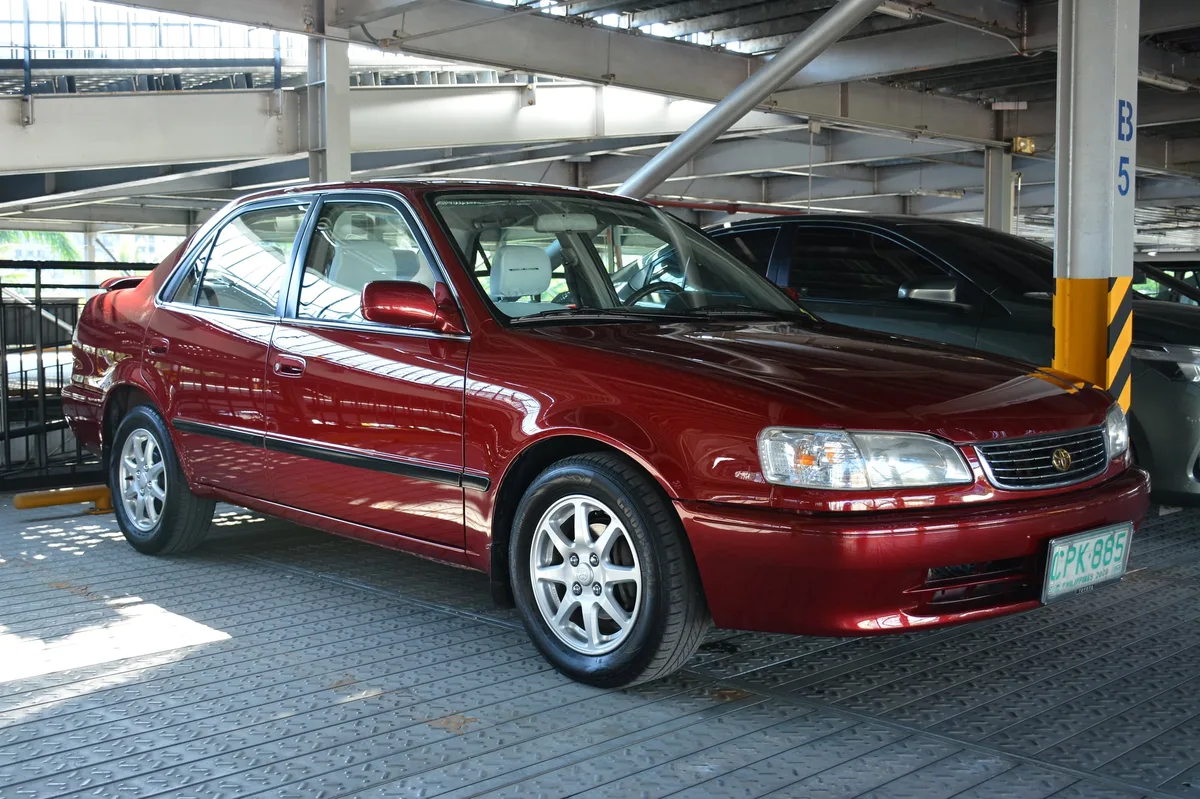
The Corolla marked a turning point in what drivers wanted from a car. As fuel economy and reliability grew more important toward the seventies, its straightforward design and low running costs made it a favourite with everyday drivers. Over time it became one of the best-selling cars in history — proof that getting the basics right can matter more than glamour.
15. Datsun 240Z
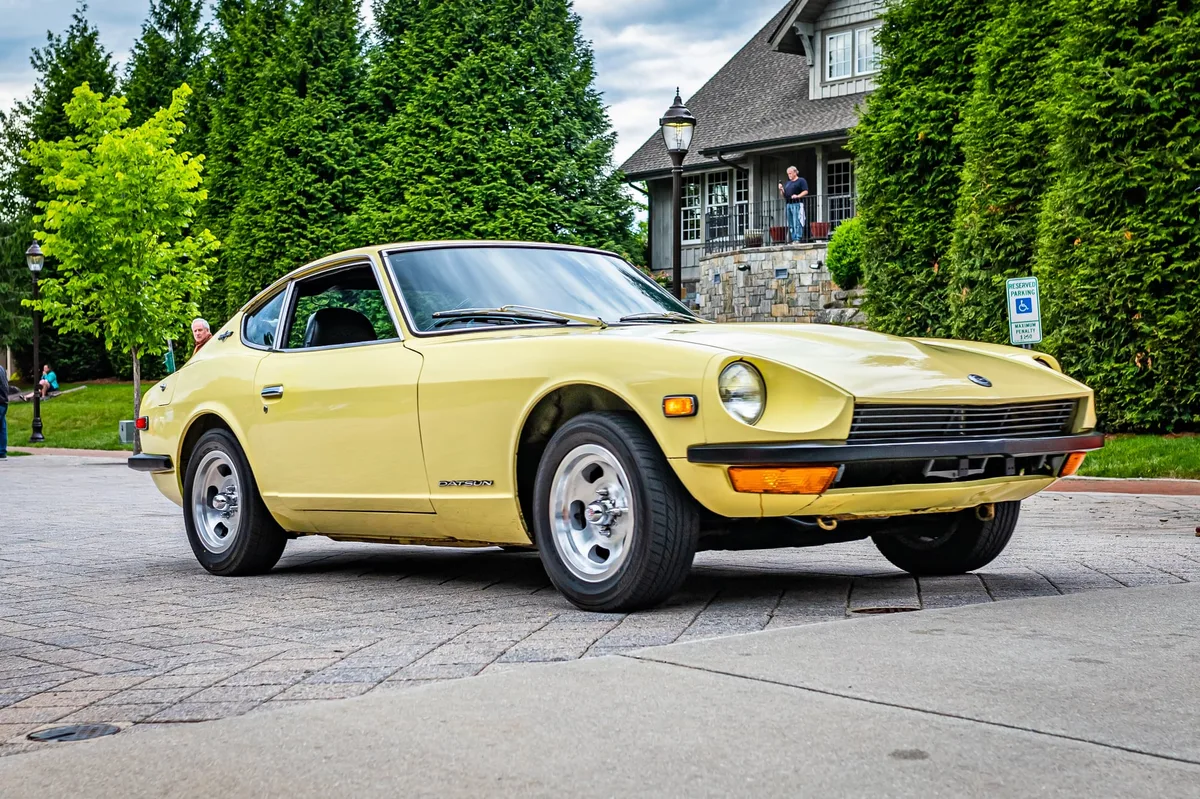
The 240Z introduced a new kind of sports car — one that combined performance, style and affordability in a single sleek package. It offered a driving experience that rivalled far more expensive European models at a fraction of the price. Its rapid success helped establish Japanese manufacturers as serious players on the world stage, and the Z became a legend.
16. Ford Pinto
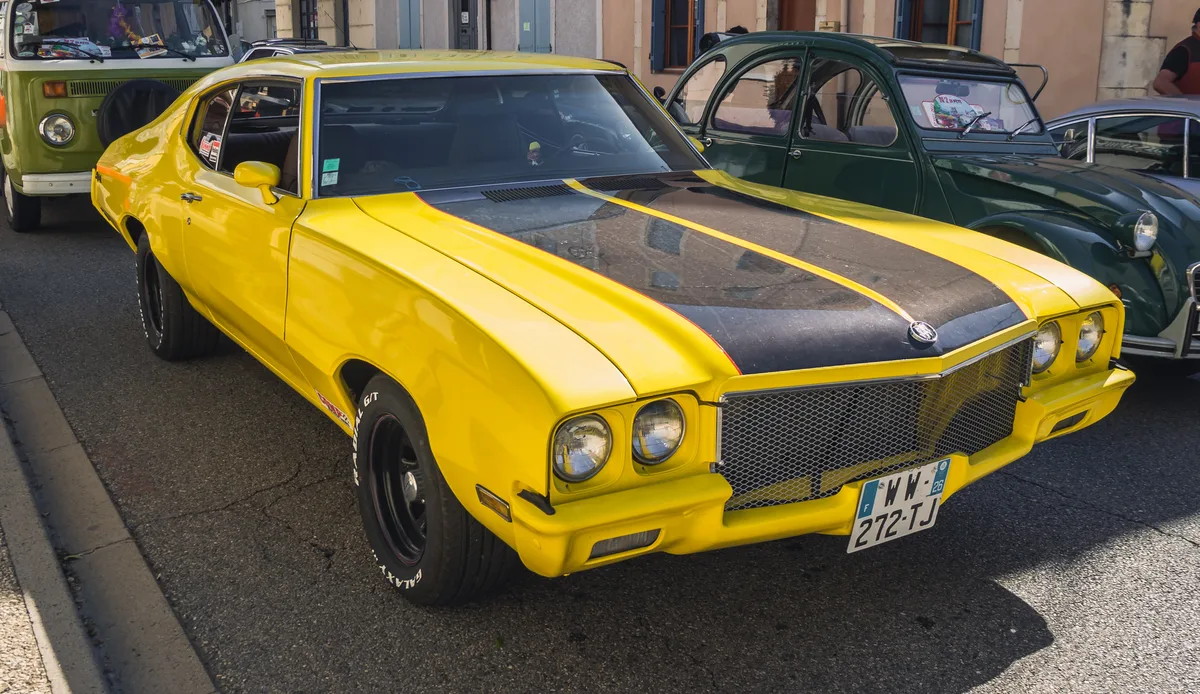
The Pinto was Ford’s answer to the growing demand for smaller, cheaper cars. Its compact size and low price made it appealing at a time when fuel economy was suddenly everyone’s concern, and it sold strongly at first. Whatever controversies came later, the Pinto captured the shifting priorities of the seventies — a decade when the era of the giant gas-guzzler was coming to an end.
17. Chevrolet Chevelle
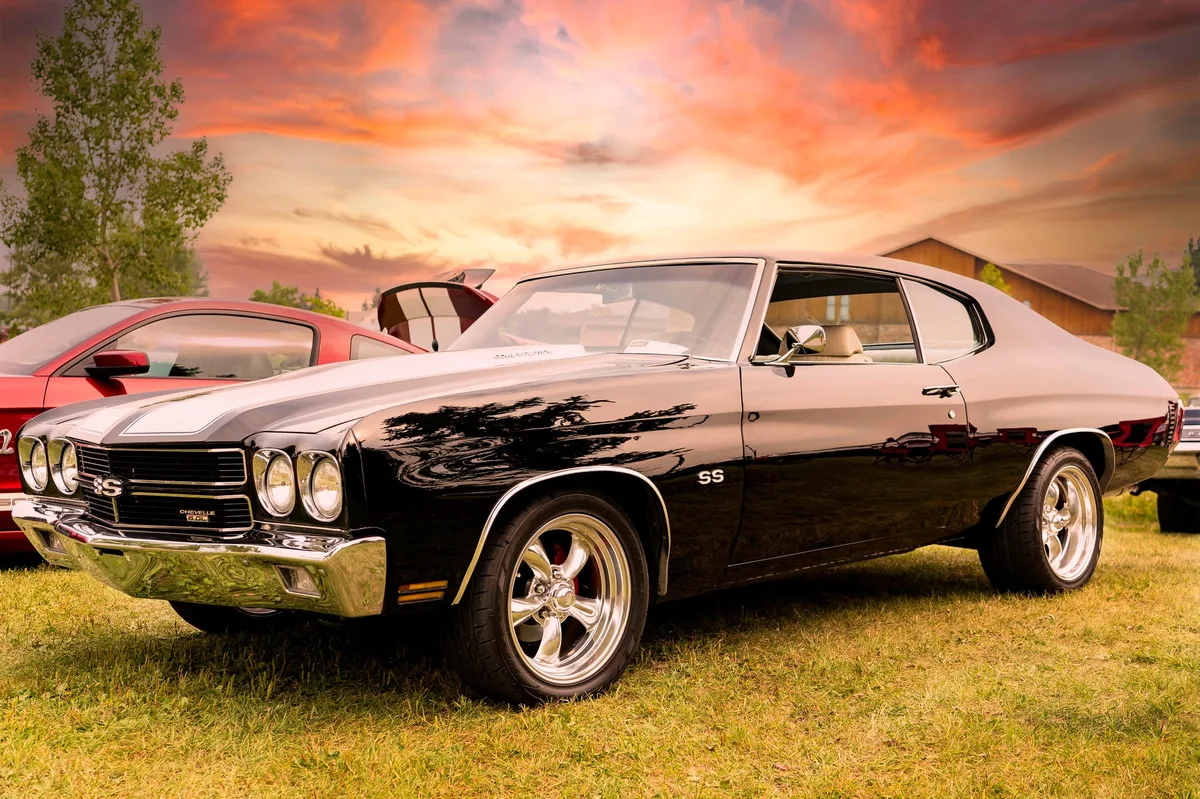
The Chevelle could be almost anything you wanted it to be — a sensible family car or a fire-breathing performance machine, depending on the options box you ticked. That flexibility won it a broad audience, and the high-performance versions became especially prized. The Chevelle proved that one model could serve many masters and still keep its soul.
18. Mercedes-Benz 280SL
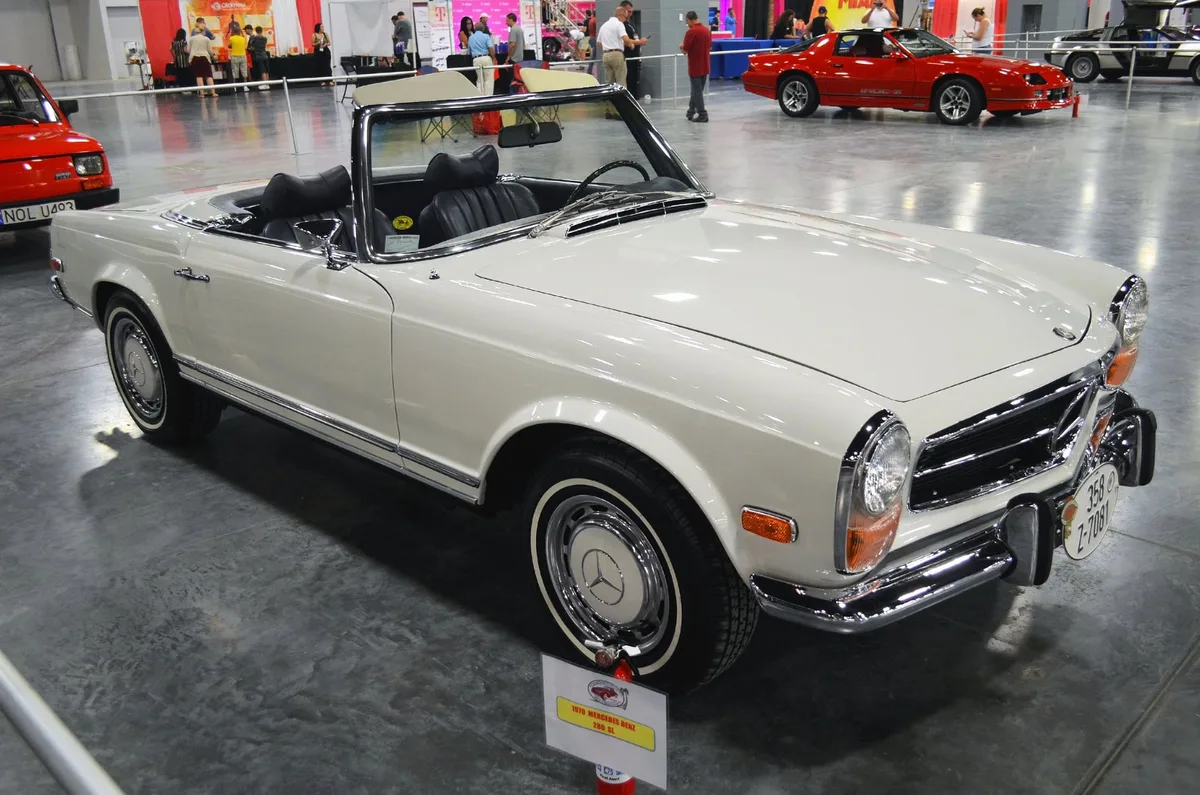
The 280SL brought a refined, European sensibility to the era. Known for its distinctive “Pagoda” roof, it combined elegance with solid German engineering and appealed to drivers who valued sophistication over outright speed. It remains admired today for its timeless design and build quality — a car that aged gracefully while its flashier rivals dated.
19. BMW 2002
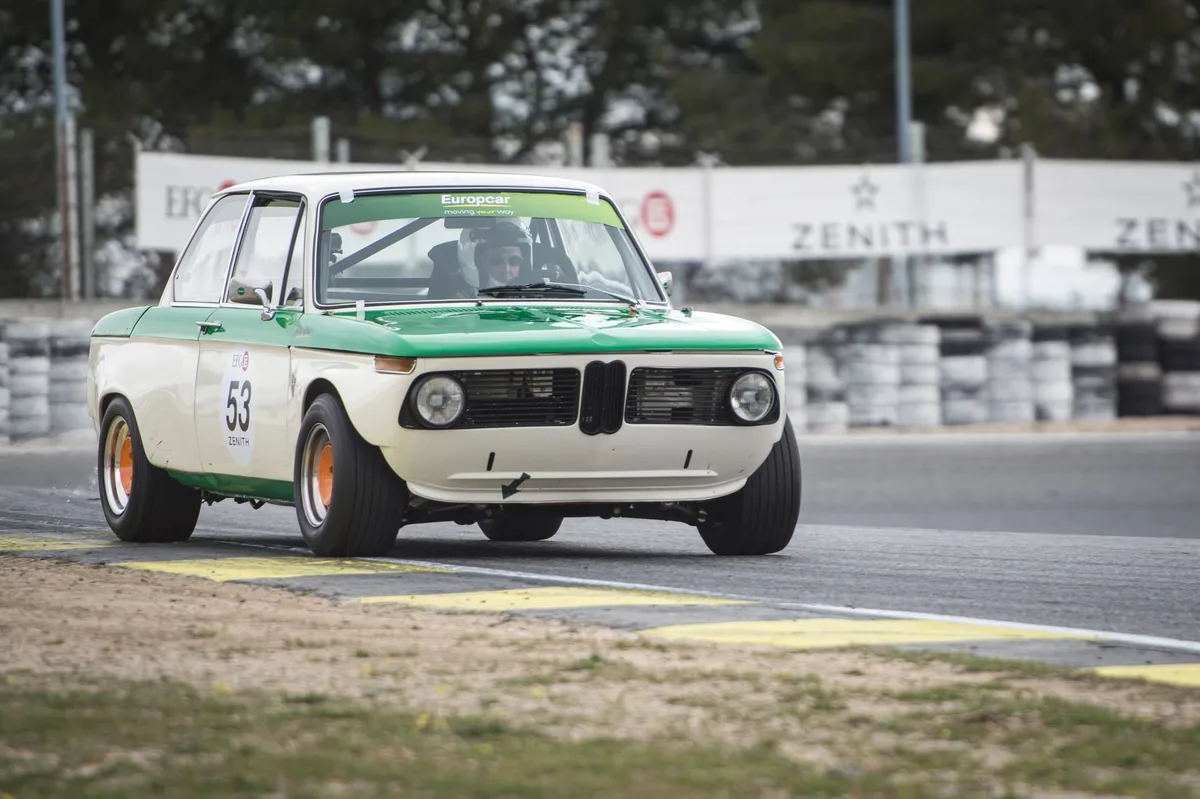
The BMW 2002 helped define what a modern sports saloon could be. It mixed everyday practicality with genuinely engaging handling, offering something that felt both useful and fun. Its influence is still visible in today’s performance saloons. The 2002 showed the world that a family car could still put a smile on the driver’s face.
20. AMC Gremlin
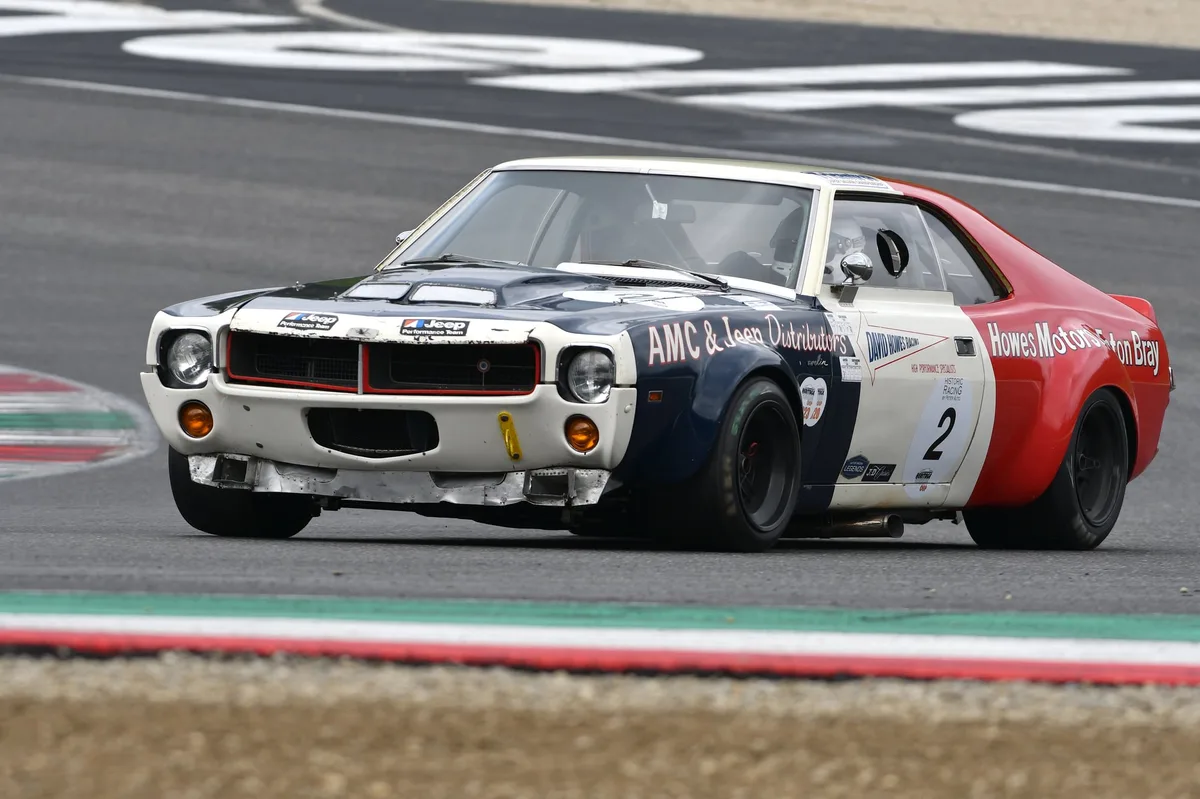
The Gremlin stood out for its unconventional design — a car that looked like somebody had taken a pair of scissors to the back end. It was compact, affordable and built for a changing market, and while its looks divided opinion, it won a loyal following for its practicality and sheer uniqueness. The Gremlin captured the experimental spirit of the seventies, when manufacturers were willing to take a chance.
From the tailfins of the fifties to the muscle of the sixties and the practical experiments of the seventies, these twenty cars did more than move people — they shaped how a generation saw itself. They were freedom, status, fun and family all rolled into one, and the sound of their engines still echoes in every car show and classic meet today.