 By ali4050284
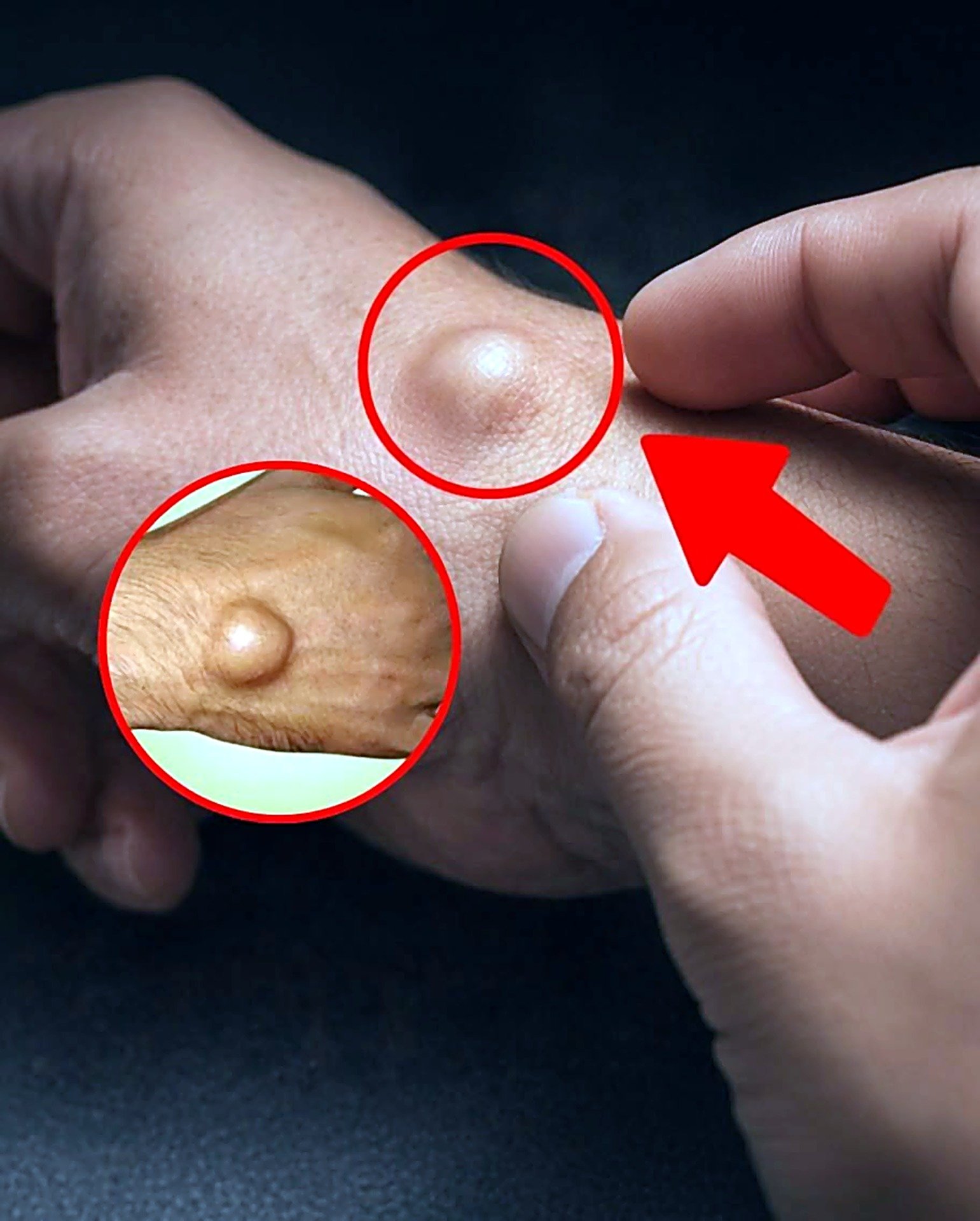
Found a Lump on Your Hand? The Possible Causes May Surprise You—Read More in the Comments ⬇️
Found a Lump on Your Hand? The Possible Causes May Surprise You. Discovering a lump on hand can be alarming — your hands are something you see and use constantly, so a new bump is hard to ignore. The reassuring news is that most lumps on the hand turn out to be benign. Still, it’s worth understanding what might be going on and knowing which signs mean you should get it checked. This guide covers the common causes in plain language. It is general information only — not a diagnosis — and nothing here replaces advice from a qualified healthcare professional.
Ganglion Cysts: The Most Common Culprit
By far the most frequent cause of a lump on the hand or wrist is a ganglion cyst. These are small, fluid-filled sacs that typically form near joints or tendons — most often on the back of the wrist, but they can also appear on the palm side of the wrist or at the base of a finger.
Ganglion cysts are noncancerous and filled with a thick, gel-like fluid. They can range from pea-sized to about an inch across. A classic trait: they may change size, growing larger with repeated wrist activity and shrinking with rest. Sometimes they disappear on their own, only to return months later.
They appear to develop when the tissue surrounding a joint or tendon bulges out, creating a small sac that fills with joint fluid. They are most common in young and middle-aged adults, and they occur more often in women. Many ganglion cysts cause no symptoms beyond the visible bump — though some can ache after heavy hand use, or interfere with wrist movement if they press on a nerve.
Lipomas: Soft Fatty Lumps
A lipoma is a benign growth of fatty tissue that forms just under the skin. Lipomas feel soft and rubbery, and they usually move slightly when you press on them. They grow slowly and are almost always painless.
While lipomas can appear almost anywhere on the body, they do sometimes show up on the hand — on the back of the hand, the palm, or near the fingers. Because the hand has little soft-tissue padding, even a small lipoma can feel noticeable. Most lipomas are harmless and need no treatment unless they become large, uncomfortable, or cosmetically bothersome.
Arthritis Nodules and Bony Growths
Several types of arthritis can produce lumps around the hand joints. Osteoarthritis nodules: the small bony enlargements that develop at finger joints in osteoarthritis — Heberden’s nodes (at the fingertip joints) and Bouchard’s nodes (at the middle joints). These are firm, bony bumps that develop gradually, often alongside stiffness. They are extremely common in older adults, particularly women. Rheumatoid nodules: in rheumatoid arthritis, firm lumps can form under the skin, often near joints subjected to pressure. Gout tophi: in long-standing gout, deposits of uric acid crystals can accumulate under the skin, forming chalky-feeling lumps called tophi, sometimes around the fingers or hand.
Dupuytren-Type Thickening and Tendon Lumps
Dupuytren’s contracture is a condition in which the tissue beneath the skin of the palm gradually thickens and tightens. In its early stages, it often presents as small, firm lumps or nodules in the palm — sometimes mistaken for calluses — before any finger bending develops. It typically progresses slowly over years and most often affects the ring and little fingers.
Other tendon-related lumps include trigger finger nodules — small tender bumps at the base of a finger where the tendon catches — and giant cell tumors of the tendon sheath, benign growths that form along finger tendons and feel firm and fixed in place.
Other Less Common Causes
A few other possibilities round out the picture: Epidermoid (sebaceous) cysts — slow-growing bumps under the skin caused by trapped skin cells; usually harmless but can become inflamed. Warts — viral skin growths that can appear on hands and fingers; rough-textured and sometimes tender. Infection or abscess — usually accompanied by redness, warmth, swelling, and pain, often after a cut or puncture. Vascular lumps such as hemangiomas — benign tangles of blood vessels that can feel soft or spongy. Malignant tumors of the hand are rare, but they are one reason any persistent or changing lump deserves professional evaluation rather than guesswork.
Related: Read more
Warning Signs: When a Lump on Hand Needs a Doctor
Most hand lumps are benign, but certain features should prompt a timely medical visit: The lump is growing quickly or has changed noticeably in size, shape, or color. It is hard, fixed in place, and doesn’t move under the skin. It is painful, tender, or throbbing — especially pain that wakes you at night. The skin over it is red, warm, broken, or ulcerated. You notice numbness, tingling, or weakness in the hand or fingers. The lump appeared after an injury and isn’t improving. You have fever or spreading redness, which can signal infection. If any of these apply, don’t wait and watch — book an appointment. And if a lump has been present for more than a few weeks without a clear explanation, it’s worth getting checked even without alarming features, for peace of mind if nothing else.
What to Expect at Your Appointment
A doctor evaluating a lump on the hand will usually start with questions: when you first noticed it, whether it has changed, whether it hurts, and whether you’ve had any injury or arthritis. Then comes a physical exam — feeling the lump’s size, texture, mobility, and tenderness, and checking your hand’s movement, strength, and sensation. For many common lumps, that exam is enough for a confident assessment. If the diagnosis is uncertain, imaging or sampling may follow: Ultrasound — quick, painless imaging that distinguishes fluid-filled cysts from solid masses. X-ray — useful for bony growths and arthritis-related changes. MRI — reserved for deeper or more complex lumps. Biopsy or aspiration — a small sample of tissue or fluid taken for laboratory analysis, typically only when the diagnosis remains unclear. Treatment depends entirely on the cause. Many ganglion cysts are simply monitored. Some lumps are drained; others are removed surgically if they cause pain or interfere with function. Arthritis-related nodules are managed as part of treating the underlying condition.
Related: Read more
The Bottom Line on a Lump on Hand
A lump on the hand is most often benign — a ganglion cyst, a lipoma, or an arthritis-related nodule — and many need no treatment at all. But “usually harmless” is not the same as “always harmless,” and only a qualified healthcare professional who can examine you can give you a real answer. If you’ve found a new lump, note when it appeared and whether it changes, avoid squeezing or attempting to drain it yourself, and schedule a checkup. Your hands do extraordinary work for you every day — they deserve proper care when something seems off.
This article is for general information only and does not provide medical advice, diagnosis, or treatment. If you are concerned about a lump on your hand, please see a healthcare professional.
[…] Related: Read more […]
[…] Related: Read more […]