 By ali4050284
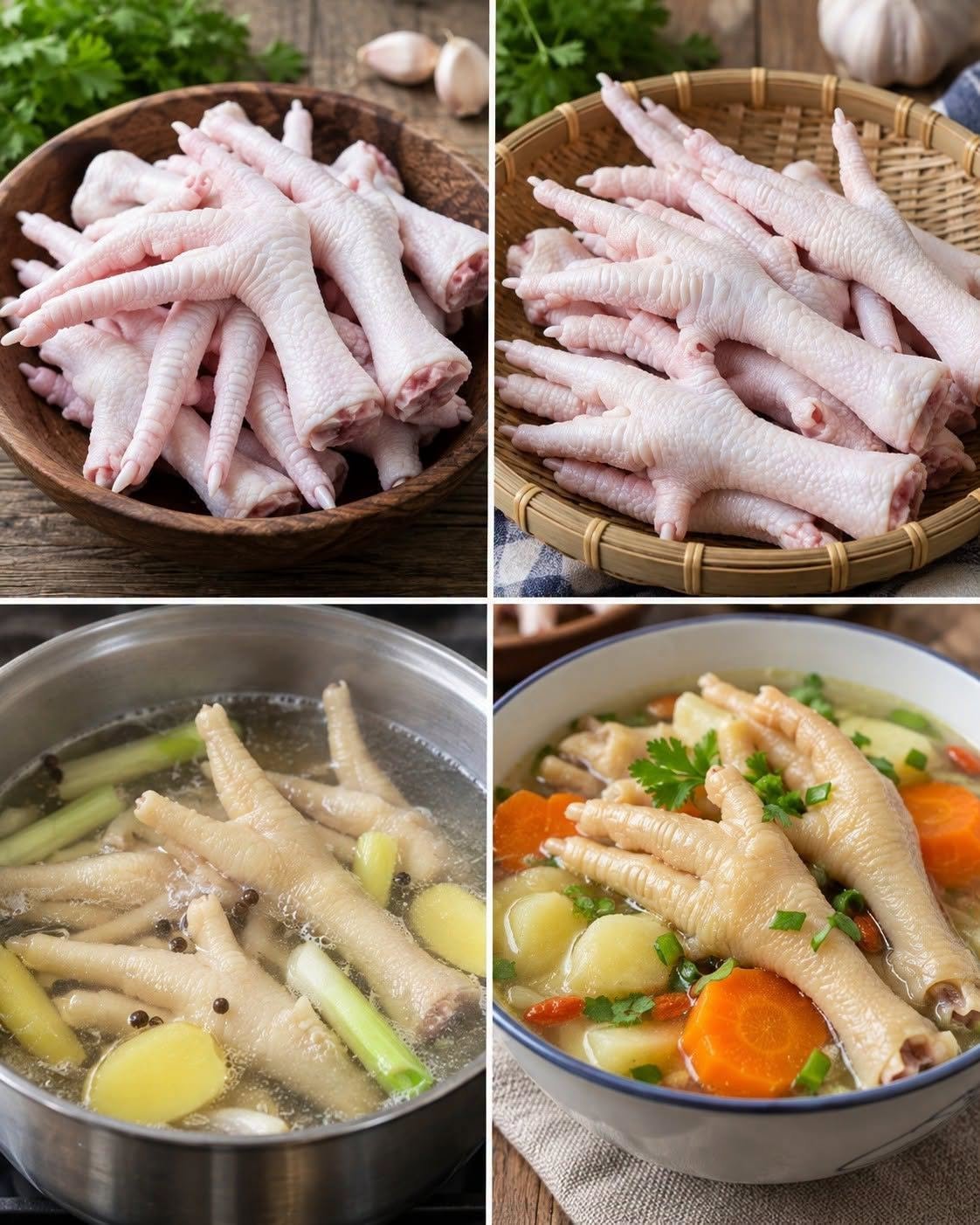
Chicken feet may not be the most appealing part of the chicken, but they have long been valued in many cuisines and are often used in soups, broths and slow-cooked dishes. They contain protein, minerals and connective-tissue components that can make them a useful addition to a balanced diet.
One of the most notable components is collagen, an important structural protein found throughout the body, including the skin, bones, joints, tendons and connective tissues. When chicken feet are slowly cooked, some of this collagen breaks down into gelatin, giving the broth its characteristic richness. Because of this, chicken feet are often associated with skin and joint health, since collagen contributes to the structure and elasticity of skin and helps maintain connective tissues, though eating collagen-rich foods does not mean the collagen goes directly to the skin or joints, because the body breaks dietary proteins down before using their amino acids.
Chicken feet also contain minerals and other nutrients needed for normal body functions. Iron, for example, is essential for making haemoglobin, the protein that carries oxygen in the blood, and including iron-containing foods as part of a varied diet can help support normal blood health. Claims that chicken feet directly increase platelet counts or treat dengue, chikungunya or Zika infections should be viewed cautiously, the article says: there is not enough evidence to consider chicken feet a treatment for these illnesses, and anyone with a low platelet count or a viral infection should follow medical advice rather than relying on food alone.
Another benefit is that chicken feet can be turned into a flavourful broth. Slow cooking extracts gelatin and other compounds from the skin, cartilage and connective tissues, creating a satisfying soup that can be combined with vegetables, herbs and other nutritious ingredients, and for people who dislike the texture of whole chicken feet, broth can be an easier way to enjoy them, a few feet simmered with vegetables and seasonings making a hearty meal. As with any food, preparation matters, so chicken feet should be cleaned properly and cooked thoroughly. Ultimately, the article concludes, chicken feet can be a nutritious and economical ingredient, particularly as part of soups and balanced meals, providing collagen, protein and minerals, but they are not a miracle food or a substitute for medical treatment, and enjoyed in moderation and prepared safely they can be a flavourful way to make better use of the whole chicken.