 By ali4050284
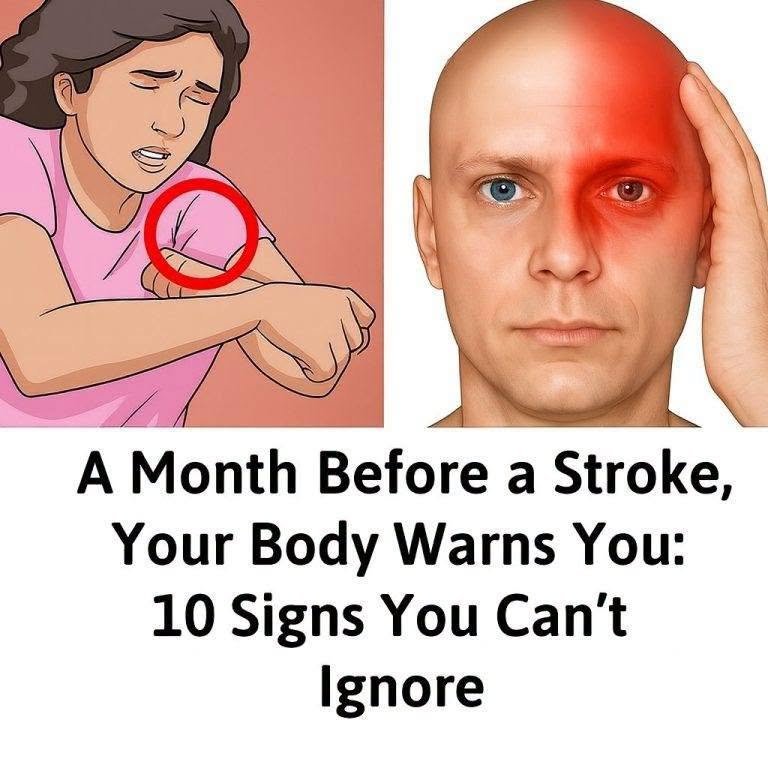
Understanding Stroke: Warning Signs, Symptoms, and Why Immediate Treatment Matters
A stroke is a serious medical emergency that occurs when the brain suddenly stops receiving the blood and oxygen it needs to function properly. Because brain cells begin to die within minutes without oxygen, every second matters. Recognizing the warning signs and seeking emergency medical care immediately can make a life-saving difference.
What Are the Different Types of Stroke?
There are three main types of stroke:
1. Ischemic Stroke
This is the most common type. It happens when a blood clot or fatty deposit blocks an artery supplying blood to the brain. As a result, part of the brain is deprived of oxygen and nutrients.
2. Hemorrhagic Stroke
This occurs when a blood vessel inside or around the brain ruptures, causing bleeding. High blood pressure, weakened blood vessels, and aneurysms are among the possible causes.
3. Transient Ischemic Attack (TIA)
Often called a mini-stroke, a TIA happens when blood flow to part of the brain is temporarily blocked. Symptoms may disappear within minutes or hours, but this does not mean the danger has passed. A TIA is an important warning that a major stroke could follow.
10 Possible Warning Signs You Should Never Ignore
Some symptoms may appear suddenly, while others can be mistaken for ordinary health problems. Watch for these warning signs:
1. Sudden numbness or weakness
Unexpected weakness or numbness in the face, arm, or leg, particularly on one side of the body, can be a major warning sign.
2. Difficulty speaking
A person may suddenly struggle to form words, speak clearly, or understand what others are saying.
3. Sudden vision problems
Blurred vision, double vision, or sudden loss of sight in one or both eyes may indicate a problem with blood flow to the brain.
4. Severe unexplained headache
A sudden, unusually intense headache, especially one that has no obvious cause, can sometimes signal a hemorrhagic stroke.
5. Dizziness and loss of balance
Sudden dizziness, difficulty walking, poor coordination, or loss of balance should never be dismissed.
6. Facial drooping
One side of the face may suddenly appear uneven. When asked to smile, the person may be unable to move both sides equally.
7. Confusion
Sudden confusion, difficulty understanding simple instructions, or unusual changes in awareness can be associated with a stroke.
8. Difficulty swallowing
Some strokes affect the brain areas responsible for swallowing, making it difficult or unsafe to eat and drink.
9. Sudden coordination problems
A person may suddenly struggle to hold objects, move their limbs normally, or perform familiar everyday activities.
10. Temporary stroke-like symptoms
Even if weakness, speech difficulties, or vision problems disappear after a few minutes, they may indicate a transient ischemic attack (TIA). This requires urgent medical attention.
Important clarification: These are recognized stroke symptoms, not a scientifically established list of symptoms that reliably appear weeks before a stroke. Most stroke symptoms develop suddenly. A TIA can occur before a major stroke and should never be ignored. CDC+1
Remember B.E. F.A.S.T. – It Could Save a Life
Doctors and health organizations encourage people to remember this simple method:
- B – Balance: Sudden loss of balance or coordination.
- E – Eyes: Sudden vision changes.
- F – Face: One side of the face droops.
- A – Arms: One arm becomes weak or numb.
- S – Speech: Slurred speech or difficulty understanding.
- T – Time: Call emergency services immediately.
What Should You Do If Someone Has a Stroke?
If you notice any stroke symptoms, do not wait to see whether they disappear.
- Call emergency services immediately.
- Note the exact time the symptoms started or when the person was last known to be well.
- Do not give the person food, drinks, or medication unless instructed by medical professionals.
- Do not allow the person to drive themselves to the hospital.
- Get emergency medical attention even if the symptoms improve.
The sooner treatment begins, the better the chances of limiting brain damage and improving recovery. CDC+1
Can You Reduce Your Risk of Stroke?
Although not every stroke can be prevented, certain lifestyle choices can significantly reduce the risk.
- Keep blood pressure under control.
- Monitor cholesterol and blood sugar levels.
- Avoid smoking and tobacco products.
- Maintain a healthy weight.
- Exercise regularly.
- Eat a balanced diet with plenty of fruits and vegetables.
- Follow medical advice and take prescribed medications.
High blood pressure is one of the major risk factors for stroke, making regular health checkups particularly important. CDC+1
Final Thoughts
A stroke can happen to anyone, regardless of age or health background. Sometimes, the first warning sign is a sudden change in someone’s smile, speech, eyesight, or ability to move.
Learning to recognize these symptoms could help save the life of a family member, friend, or even a stranger.
Never ignore sudden stroke symptoms, even if they disappear. Every second counts, and quick action can make the difference between recovery, lifelong disability, and loss of life.
Share this information with your family and friends. Someone may need it when every second matters.