 By ali4050284
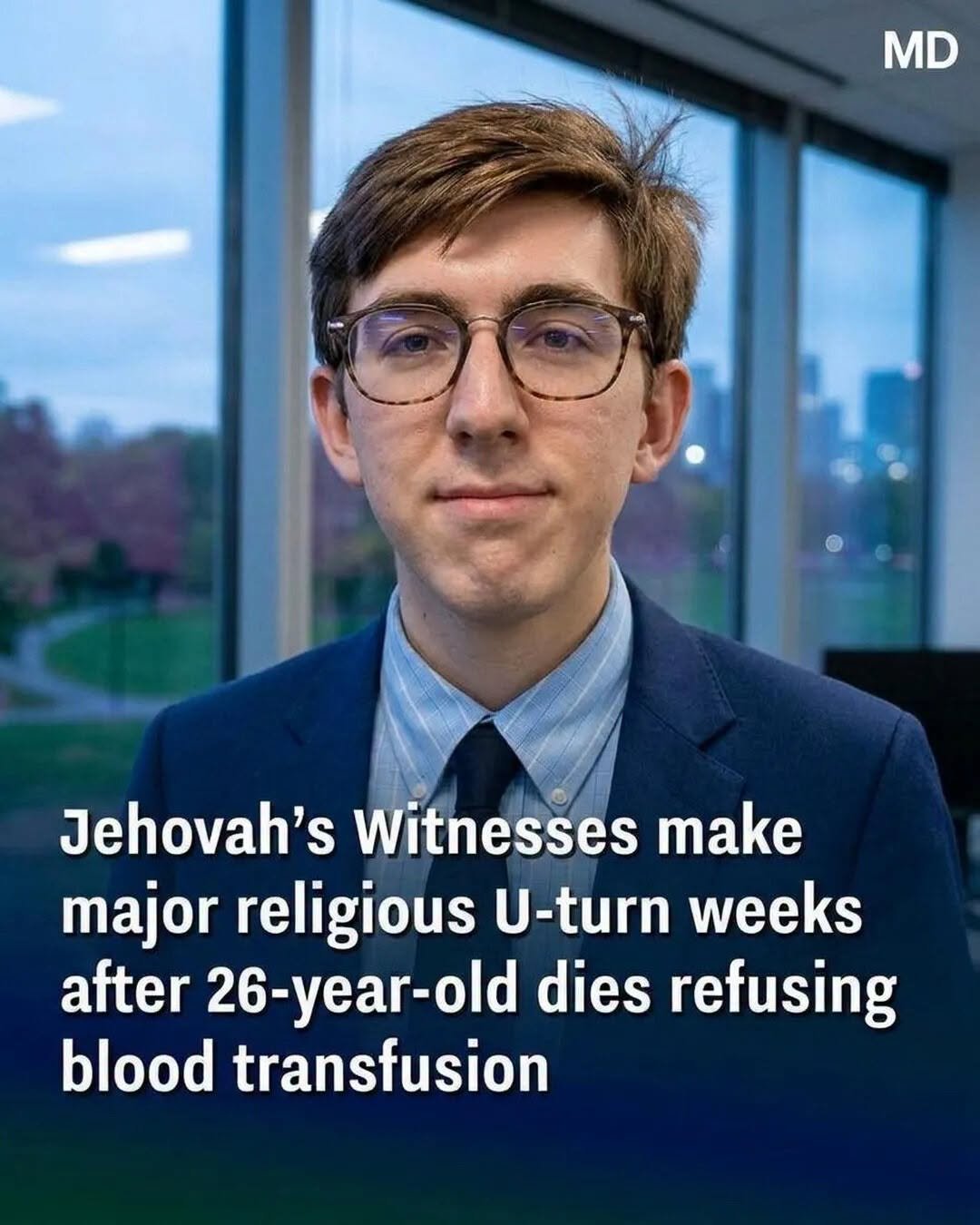
A longstanding religious rule has changed, and the timing has left one family asking a painful question. Just weeks after a young man in Texas died following a serious medical emergency, the guidance that had shaped his care was revised. Doctors had told his family that a surgical procedure involving a blood transfusion could potentially give him a chance to survive. But he had already recorded his refusal of blood transfusions because of his religious beliefs, and when his condition worsened and he could no longer speak for himself, his family honoured what he had written down. Less than a month after his death, the rule changed.
The young man was Isaac Valdez, 26. He had suffered an epileptic seizure, struck his head and developed a brain haemorrhage. After first regaining consciousness, he later fell into a coma. His family followed the wishes recorded on his card, and he died on 26 August 2026. According to the BBC, the Governing Body of Jehovah’s Witnesses announced the new guidance only 23 days later. Under the revised position, members may personally decide whether to accept many medical treatments involving blood components, with the decision described as a matter of individual conscience — though whole blood transfusions remain an exception. The previous restriction had been in place since 1945, based on the faith’s interpretation of biblical instructions concerning blood, and international spokesperson Paul Gillies described the change as an application of biblical principles to modern medicine.
The decision drew strong reactions from former members and people who had seen the consequences of the previous policy. John Viney, a former Jehovah’s Witness and member of a hospital liaison committee, called the change an important development that could affect future medical decisions, while expressing sadness for people who had died after declining treatment under the earlier guidance. A medical review published in 2016 had estimated that more than 1,000 Jehovah’s Witnesses died annually in connection with refusing blood transfusions. The policy change does not automatically resolve questions surrounding past cases, and individual medical decisions still involve doctors, patients and sometimes difficult conversations with family members.
The announcement was especially difficult for Isaac’s twin brother, Jacob Valdez, who had left the faith. He questioned why the guidance had not changed sooner and urged members of his brother’s congregation to consider the consequences of the former rule. Two things should be said plainly. First, Isaac was not refusing treatment at the moment of death — he was in a coma, and his family followed the wishes he had recorded earlier. Second, this is not a complete U-turn on blood: whole blood transfusions remain an exception, and the change covers many treatments involving blood components, left to individual conscience. While the revised guidance may give other families more options in the future, it cannot change what happened to Isaac or remove the questions his death left behind.