 By ali4050284
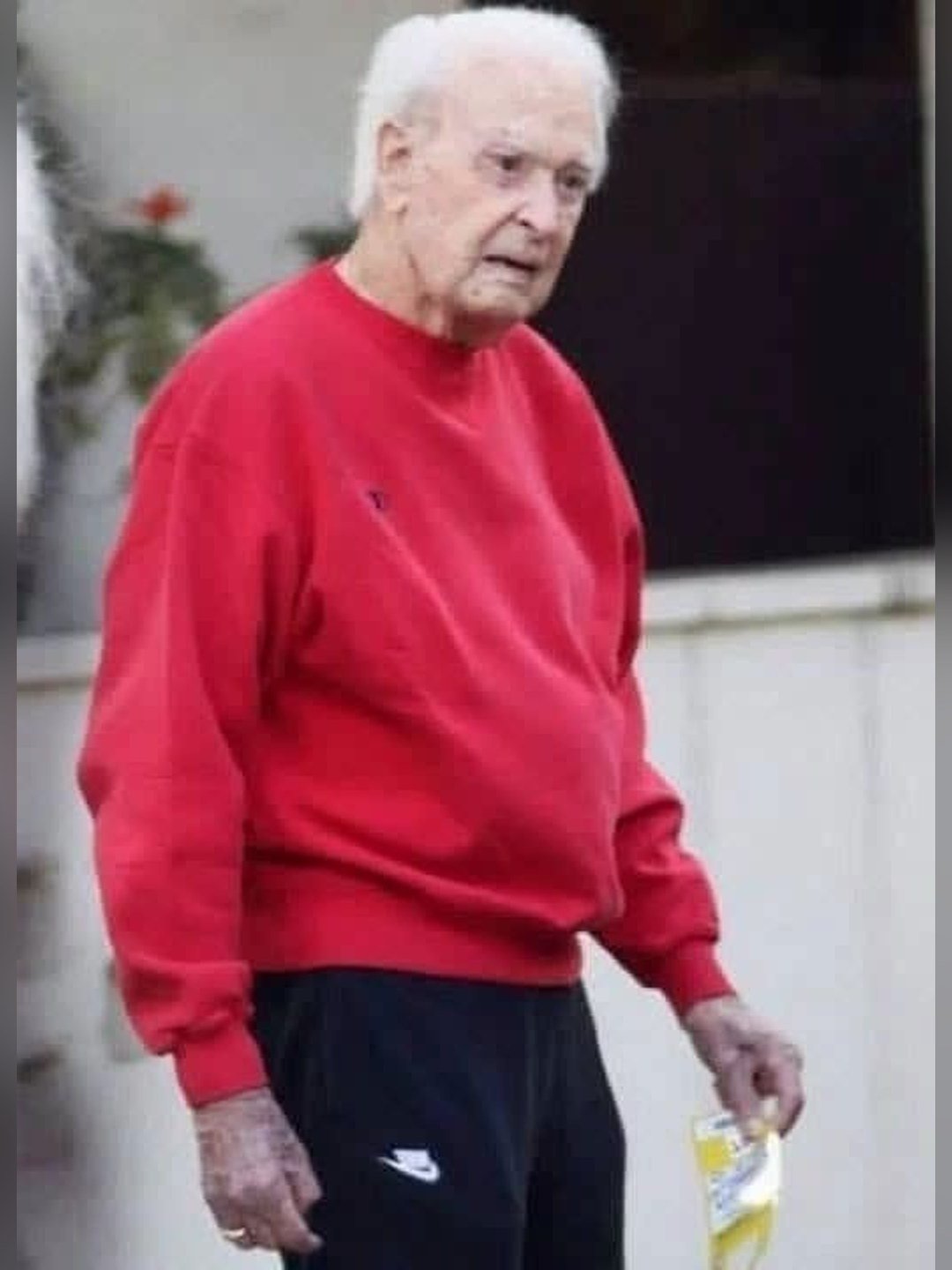
In the 70s, one voice ruled American daytime television, and millions of viewers could recognise it within a second. A contestant would hear their name called, leave the audience, and try to guess the price of an everyday item while the studio lights blazed and the crowd roared. Guiding every moment, from the first burst of excitement to the final reveal, was a host who made the whole thing feel like the most natural fun in the world. His name was Bob Barker — and if you grew up in that era, you already know.
“Come on Down”
CBS reported that Barker began hosting its revival of The Price Is Right in 1972 and stayed with the program for 35 years. That span is one reason people remember him from different stages of their own lives. Someone who first watched the show during its early years might later have watched it with a child or grandchild who knew the same host and many of the same games.
The premise made ordinary knowledge useful on television. Knowing the cost of a grocery item or recognising the likely price of an appliance might help someone advance. The audience could follow the stakes without an elaborate introduction, and Barker’s familiarity with the format let him move between the small details of a bid and the bigger excitement of a prize reveal. Contestants came from the audience, bringing their own reactions and their own instincts about what products cost. The host had to keep the game moving while letting each person have a moment that felt spontaneous.
More Than a Game Show
Barker had already hosted Truth or Consequences before taking on the pricing show. The earlier program called for a host who could explain an unusual setup and react when a contestant did something unexpected. The Price Is Right gave that skill a daily outlet, and Barker made it his own for more than three decades.
The show’s 50th anniversary in 2021 marked the longevity of the program Barker helped establish on CBS. By then, the simple exchange he had perfected — a name called, a guess made, a prize revealed — had become one of the most enduring formats in television history.
A Cause Close to His Heart
His involvement with animal welfare also became part of his public identity. Viewers heard him return to the subject in his signoff, where he encouraged pet owners to spay and neuter their animals. Repeating that message at the end of the program attached a personal cause to a familiar part of the broadcast. It is one of the details many viewers recall alongside the games and the contestants.
The Final Sign-Off
The 70s legend stepped down in 2007. By then, his tenure had covered a substantial part of the history of American daytime television. The program continued with Drew Carey, and the anniversary offered a chance to remember how long its basic exchange with viewers had endured. CBS later reported that Barker died in August 2023 at age 99 and announced a tribute to his work.
The anniversary and the later tribute belong to different moments in that history. The first celebrated a program that had remained on the air for half a century. The second remembered the host who spent 35 years shaping the way audiences experienced it. Barker’s place in that story rests on thousands of ordinary broadcasts as much as any single milestone — and on a voice that, for generations of viewers, meant it was time to come on down.